
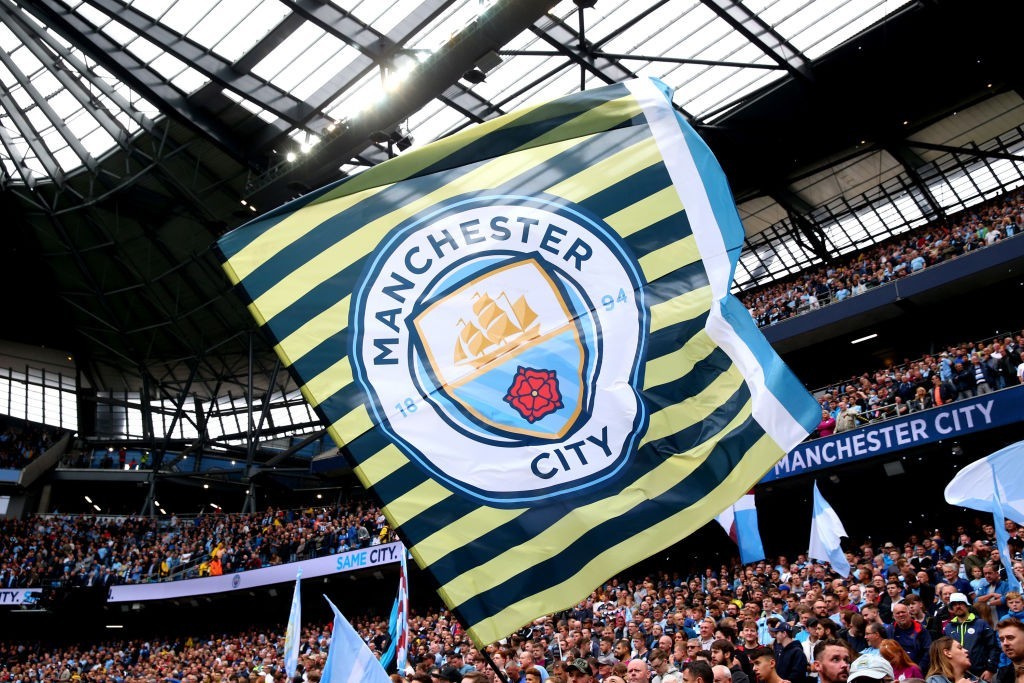
Manchester City face a transformative summer as new manager Enzo Maresca arrives, while we look at the five players they should sell.
Manchester City are about to embark on something genuinely transformative. With Pep Guardiola’s departure confirmed and Enzo Maresca set to take charge, the club faces a pivotal moment that will define the next chapter of their relentless success. As the side prepares for life without their legendary Spaniard, wisdom suggests that strategic sales could prove beneficial rather than detrimental.
The decision to sell certain names should not be viewed through a purely financial lens, but rather as an opportunity for Maresca to build his own foundation and implant his distinctive philosophy. Maresca prioritises adaptability, game intelligence, and players who can transcend specific roles, qualities that may require a different midfield and defensive setup than what Guardiola employed.
His 4-2-3-1 formation, which often morphs into a 3-2-2-3 box midfield, requires midfielders with specific awareness of spaces and unmarked players. Five names stand out as potential departures: Rodri, Ruben Dias, Savinho, Nathan Ake, and Rico Lewis. Each represents a different consideration, from necessary sales due to fitness and contract concerns to players whose positions have become redundant in the new structure.
While some departures might seem counterintuitive given their past contributions, the reality is that embracing change now could position Manchester City strongly for the future. They are already linked with Elliot Anderson and Sandro Tonali in midfield, suggesting Maresca intends to construct his own engine room. This article examines why selling these five players could be the smartest move Manchester City make this summer.
Rodri
The Spanish midfielder stands as one of the most crucial figures in Manchester City’s modern dynasty. Having won the Ballon d’Or in 2024 after his stellar season with club and country, Rodri became the fulcrum upon which Pep Guardiola’s entire midfield philosophy balanced. The Spaniard operated at the base of the midfield, controlling tempo with the precision of a conductor and acting as the team’s primary tempo-setter.
Yet, the argument for his sale grows increasingly compelling when examining the complete picture. Rodri suffered a devastating ACL injury against Arsenal in September 2024, spending nearly the entirety of the 2024/25 campaign on the sidelines.
The Spaniard’s return to full fitness has been gradual, and concerns about his ability to withstand the physical demands of another Premier League season remain legitimate. Fitness issues have accumulated over the last two seasons, raising questions about his long-term durability.
More significantly, Rodri will enter the final year of his contract this summer, creating a unique selling opportunity. The club could fetch a sizeable fee while his value remains high, potentially avoiding the risk of losing him on a free exchange later. However, the monetary aspect should not dominate the conversation. The central consideration revolves around Enzo Maresca and his desire to construct his own midfield identity.
Manchester City are actively pursuing both Elliot Anderson from Nottingham Forest and Sandro Tonali from Newcastle United, with reports suggesting they want both this summer. The combined fee for these two midfielders could cross the £200 million mark combined, demonstrating Manchester City’s commitment to revamping their engine room.
Selling Rodri should be viewed as a positive strategic move rather than a lamentable departure. It allows Maresca to build from scratch, implementing his positional play without the constraints of adapting to an existing star’s preferences. The Spanish midfielder’s age, fitness concerns, and contract situation combine to create the perfect selling moment. By embracing this change, Manchester City signal their commitment to Maresca’s vision rather than clinging to the old guard.
Ruben Dias
Much like Rodri, the Portuguese defender has been instrumental in Manchester City’s success over the years. Dias established himself as a cornerstone of Pep Guardiola’s defensive structure, providing leadership and stability that proved invaluable during the side’s most dominant periods.
However, the defender’s situation has deteriorated significantly since the turn of the year. His lack of regular game time has become increasingly apparent, reflecting a decline in his standing within the squad. This diminished role has extended to the national level, where Dias has been benched for Portugal’s 2026 FIFA World Cup opener against DR Congo due to fitness concerns.
Roberto Martinez, Portugal’s head coach, confirmed that Dias is not at 100 percent and that taking risks with his fitness would be inappropriate. Manchester City have already invested heavily in new defenders, bringing in Abdukodir Khusanov and Marc Guehi as part of their defensive rebuild. The club has the depth to move him on if needed, suggesting the side view the defensive layer as an area requiring fresh blood under Maresca.
The primary talking point regarding Dias’s sale is not financial but strategic. Maresca requires centre-backs willing to advance deep into opponent territory while recovering into open spaces behind. His defensive philosophy operates with great intensity out of possession, aiming to trap opponents in wide areas rather than pressing man-to-man. This approach demands different qualities from what Dias has traditionally provided.
Selling Dias in the short to medium term benefits Manchester City by allowing Maresca to construct his own defensive setup without compromise. The Portuguese defender’s fitness issues, reduced game time, and the club’s existing investments in new defenders create a compelling rationale for departure. By moving on now, Manchester City avoid the risk of Dias becoming a costly squad member whose abilities no longer match Maresca’s requirements.
Nathan Ake
While selling Rodri and Ruben Dias represents fundamental decisions for shaping a new team under Enzo Maresca, Nathan Ake’s situation differs slightly. The Dutchman has arguably reached the end of his time at Manchester City, with his position rendered increasingly unimportant within the squad.
The versatile defender barely featured this past season, predominantly used as a substitute or cover for other names at the back. His versatility has been the main reason he has managed to play as many appearances as he has over the last two seasons, allowing him to fill in across different defensive positions when required. However, this adaptability has become his limitation, as he is seen as a utility player rather than a first-choice option.
Manchester City should look to cash in on the Dutchman now, particularly as he enters the final year of his deal. The timing is crucial, as waiting another season could significantly diminish his market value or result in losing him on a free transfer. His position in the squad has become redundant, with new investments and Maresca’s preferred defensive style suggesting Ake does not fit the future plan.
The summer window represents the optimal moment to secure a reasonable fee for a player whose contributions have become marginal. By selling now, Manchester City free up wages and squad space for names who better align with Maresca’s philosophy, while also avoiding the risk of Ake becoming a disgruntled squad member.
Savinho
Savinho arrived from sister-club Girona in 2024 with the ambition of developing one of Europe’s highly-rated wingers within Manchester City’s system. The Brazilian was expected to bring dynamism and creativity to the side’s attacking options, but the reality has fallen considerably short of expectations.
There is a growing feeling that Manchester City missed out on a significantly larger fee in the summer of 2025 when Tottenham were keen. At that time, Guardiola insisted on keeping Savinho on board, prioritising squad depth over immediate financial gain. The side corrected this error by signing Antoine Semenyo in January, a move that has proven highly successful.
Semenyo has taken to life at Manchester City seamlessly, already beginning to repay his £62.5 million fee with goals and assists. Semenyo’s form has sidelined Savinho; Guardiola openly evaluates wingers on output alone. Throughout the 2025/26 season, the 22-year-old started only six matches in the Premier League, with one of those occurring during the inconsequential loss to Aston Villa.
Across 22 appearances, Savinho has registered just one assist and has yet to score, according to Transfermarkt. His inconsistency and difficulty securing a regular spot in the team have marked him as ineffective. Now, Tottenham are once again linked with the Brazilian winger, with Roberto De Zerbi eyeing up his third transfer including Savinho.
This renewed Tottenham interest could represent the best return Manchester City might get for the ineffective winger. Savinho himself is open to relocating to North London, making the transfer more likely. Cashing in now is the smartest move.
Rico Lewis
Rico Lewis has become the forgotten man at Manchester City this season, his stature diminishing to the lowest point since his breakthrough into the team. Last summer, several teams expressed interest in Lewis, but Guardiola preferred to retain him.
That decision has proven costly in terms of Lewis’s development and standing. His position has deteriorated to such an extent that he now has no future at the club. Manchester City have been actively looking for a new right-back ahead of the summer window, suggesting Lewis does not fit their plans for the position.
The British youngster’s reduction in role from a promising breakthrough name to a squad member with no apparent future represents a significant decline. Selling Lewis now allows Manchester City to recoup some value before his market worth potentially drops further, while also freeing up space for a right-back who better aligns with Maresca’s requirements.
With Maresca expecting full-backs to transition into defensive or attacking midfield roles and execute overlaps or underlaps in the final third, Lewis’s current profile may not match these demands. The time has come to move on, with Manchester City actively seeking alternatives that better fit the new manager’s vision.