
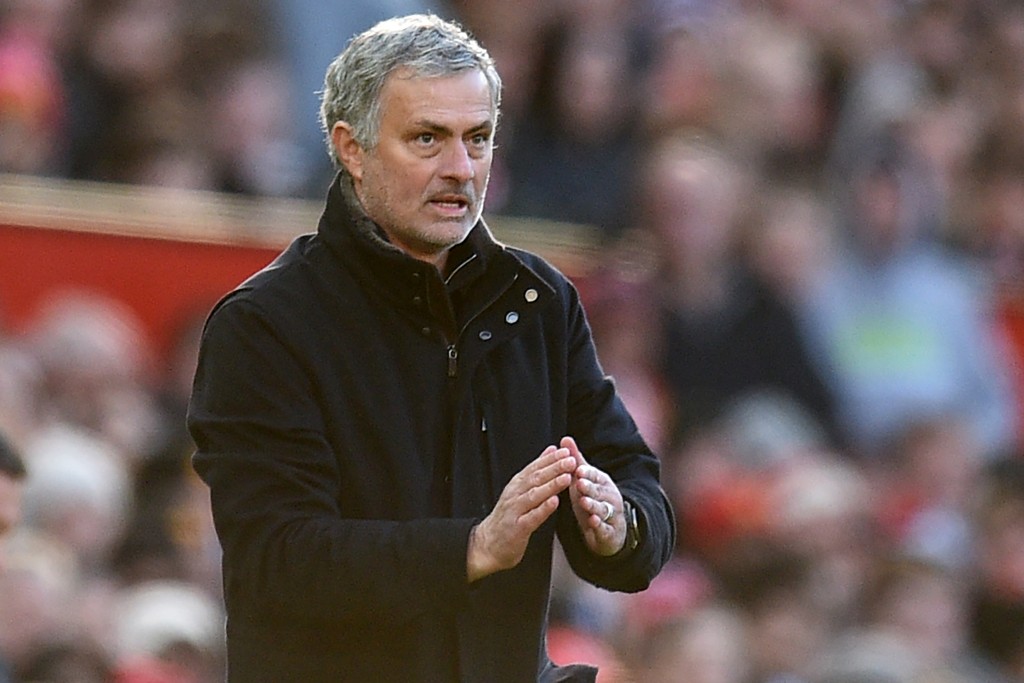
Jose Mourinho’s appointment at Real Madrid has a clear intention behind it: short-term control, defensive discipline, and an aggressive rebuild of a squad that has lost some coherence in recent seasons.
The big questions now are what he will change first, who will leave, and which arrivals will fit the Jose Mourinho blueprint after his appointment as the new head coach. This piece walks through the likely overhaul, transfers, tactical priorities, and the areas of the squad that will define his first summer in charge.
What Jose Mourinho’s return really means
Mourinho does not simply tweak systems; he restructures squads. At clubs where he has had real control, the Portuguese tactician has reshaped recruitment, redefined player roles, and removed big names that do not fit his plan.
His relationship with president Florentino Perez matters: early reports make clear that Mourinho wants a seat at the table when decisions are made. That combination of presidential backing and technical input gives him the leverage to push through a sizeable squad reset.
Why wholesale changes are likely
Real Madrid’s squad contains plenty of talent, but it also carries an imbalance, particularly in central midfield, defensive solidity and wide areas. Mourinho wants sturdiness and structure first; beauty second.
That approach requires both incoming signings suited to his tactical framework. Transfer reports have already linked a number of names with exits and arrivals, reflecting a plan that is neither minor nor cosmetic. Expect Los Blancos to trade some attacking flair for balance, protect the defence better, and create a midfield core that can control games in a Mourinho template.
Who is likely to go?
The early list of players expected to be shown the door reads like an inventory of mismatches between club profile and Jose Mourinho’s ideal profiles.
-
Fran Garcia: A useful left‑back for certain match-ups, but Mourinho prefers full‑backs who combine defensive robustness with tactical discipline. Garcia looks surplus to what Mourinho will demand.
-
Dani Ceballos: Still talented, but the role Mourinho wants in midfield requires more consistent physicality and game control. Ceballos’s style is more suited to possession-based rotations than Mourinho’s compact, direct approach.
-
Brahim Diaz: An attacking talent who has benefited from Real Madrid’s rotation, but not someone Mourinho will prioritise, especially if the coach intends to bring in more direct wide options and a stable central spine.
-
Raul Asencio and Franco Mastantuono: Mastantuono could be sent on loan to continue his development while Real Madrid trim the squad. Meanwhile, Asencio, despite his impressive rise, could be offloaded as he is not yet ready to be an important part of their backline.
-
Eduardo Camavinga: This is a notable name. Camavinga’s future has been widely debated; under Mourinho, he faces a difficult road if the Portuguese tactician wants a different midfield profile. He may not fit the immediate control-and-coverage role Mourinho seeks.
-
Vinicius Junior: Perhaps the most consequential name on the list because of his talent and relationship with fans. Reports suggest that a potential exit will only materialise if contract negotiations fail. Mourinho could tolerate star players who accept a defined tactical role, but he won’t allow uncertainty in dressing room dynamics.
These departures are consistent with a manager aiming to streamline the squad and remove players who either clash with the system or occupy positions where upgrades are planned.
Who Jose Mourinho wants in?
Mourinho’s targets reveal the profile he prioritises: control in midfield, physical and tactical centre‑backs, full‑backs who defend first, and wide forwards who can both finish and press.
Central midfield
A dominant central midfield will be central to Mourinho’s rebuild. Targets include:
-
Rodri (Manchester City): The archetype of a disciplined, controlling anchor who protects the backline and distributes effectively. He offers the kind of single‑pivot security Mourinho values.
-
Enzo Fernandez (Chelsea): A technically-gifted midfielder with a high work‑rate and defensive instincts; a younger, more progressive option to pair with a ball‑winner.
-
Alexis Mac Allister (Liverpool): Combines game management with box‑to‑box energy; he suits Mourinho’s need for reliable game control.
-
Morten Hjulmand (Sporting CP): A more dynamic, robust option; reports indicate Real Madrid could sign Hjulmand plus one of the first three. Mourinho’s preference could be for a two‑player overhaul, one to shield the defence and one to drive play.
Expect at least one major midfield arrival, possibly two, as the 63-year-old reshapes Real Madrid’s competitive core.
Centre‑back
Defensive reinforcements are non‑negotiable in Mourinho’s checklist. Linked names include Cristian Romero, Alessandro Bastoni, and Josko Gvardiol. Each brings attributes Mourinho likes:
-
Cristian Romero (Tottenham Hotspur): Physical, aggressive, excellent at one‑on‑one defending, a Mourinho classic.
-
Alessandro Bastoni (Inter Milan): Ball skills and defensive intelligence; offers left‑footed balance if paired with a more aggressive partner.
-
Josko Gvardiol (Manchester City): Versatile, young, and mobile; his profile fits modern centre‑back expectations and long‑term planning.
The likely outcome is one marquee central defender to stabilise the backline, though Mourinho will prefer choices who integrate quickly into a defensively disciplined unit.
Right‑back
Dani Carvajal’s departure will force the club to push for a new right-back who can compete with Trent Alexander-Arnold. Real Madrid have been linked with Diogo Dalot and Josh Acheampong as Mourinho seems to admire the duo.
-
Diogo Dalot (Manchester United): Offers balance as an attacking full‑back who has improved defensively; he fits if Mourinho wants full‑backs who can support transitions without sacrificing defensive shape.
-
Josh Acheampong (Chelsea): A more defensive-minded option, younger and potentially cheaper, who could replace Carvajal’s defensive work.
Mourinho needs a dependable right‑back who follows tactical instructions rigidly, so either signing would be about reliability rather than sheer attack. Dalot might be preferred as Mourinho has worked with him at United, and he is someone who can also cover at left-back as well as central midfield. However, reports suggest Denzel Dumfries is on the verge of filling that position at the Bernabeu.
Right‑wing
Mourinho’s wingers will need end product and defensive willingness. Candidates include Iliman Ndiaye, Maghnes Akliouche, and Karim Adeyemi, players who can run in behind, score, and track back when required. These signings would reduce reliance on inverted, individually-driven wide play and add directness to Real Madrid’s attack.
Youth and the returnees
Not every change will be external. Endrick is expected to return from loan and play a central role. He is the club’s long-term project and fits Mourinho’s need for a centre-forward who can be coached into a disciplined pressing and finishing role.
Nico Paz could be re-signed using a buy‑back clause, but the deal hinges on discussions with the former Chelsea and Manchester United manager about his role. Real Madrid will not bring him back only to let him drift.