An in-depth audit of the Premier League’s big six midfields, examining how Arsenal, Chelsea, Manchester City, Manchester United, Liverpool, and Tottenham Hotspur are building their engines for the title race.
The modern Premier League title race is no longer won solely by the team with the most prolific striker or the most resolute defence. Increasingly, it is decided in the 40 yards between the two penalty areas, where midfield battles determine possession, tempo and, ultimately, the outcome of matches.
As the traditional “big six” – Arsenal, Chelsea, Liverpool, Manchester City, Manchester United and Tottenham Hotspur – prepare for another campaign, their contrasting approaches to midfield recruitment and restructuring offer a fascinating insight into where each club believes their path to success lies.
This is not merely a matter of adding names to a squad list; it is a complex exercise in tactical architecture, where each signing must fit a manager’s philosophy, complement existing personnel and provide the flexibility to navigate a punishing schedule that spans domestic and European competitions.
Arsenal are investing heavily in Bruno Guimaraes to transform an already formidable unit into something approaching tactical perfection. Chelsea, under Xabi Alonso, are banking on the continued development of Moises Caicedo and Enzo Fernandez, hoping that availability rather than additional recruitment will be the key to unlocking their potential.
Manchester City face perhaps the primary challenge, with the potential departure of Rodri threatening to remove the foundational pillar of their system, forcing Enzo Maresca to rebuild around younger, less proven options like Elliot Anderson and Ayyoub Bouaddi.
Manchester United’s midfield overhaul under Michael Carrick has brought in Andrey Santos and Youri Tielemans. However, the absence of a specialist defensive midfielder leaves their setup unbalanced and vulnerable.
Liverpool, meanwhile, continue to search for a solution to a problem ignored since Fabinho’s exit, with Andoni Iraola tasked with galvanising a unit that lacks a true defensive shield. Tottenham have spent heavily on Mateus Fernandes and Sandro Tonali, but questions remain over whether their midfield has the depth to sustain a challenge against the league’s elite.
Arsenal’s midfield will help them rule the Premier League
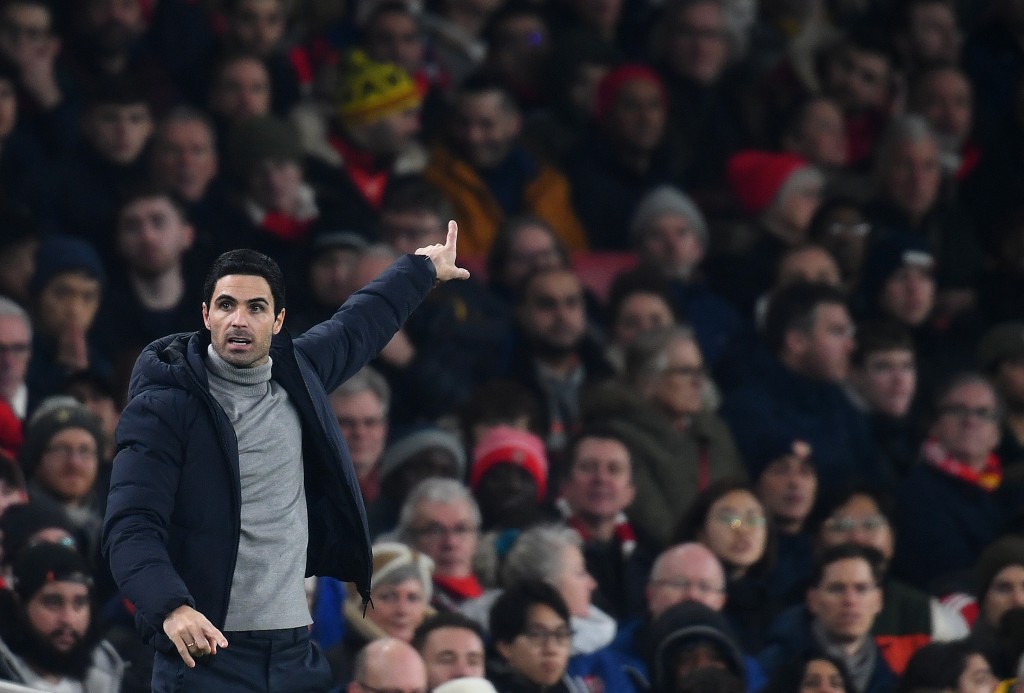
Arsenal’s midfield is about to become the most complete in English football, not because of one signing in isolation, but because Bruno Guimaraes transforms what was already a formidable unit into something approaching tactical perfection.
The Brazilian’s reported £75 million arrival from Newcastle United does not merely add quality; it multiplies the combinations available to Mikel Arteta in ways that will keep opponents guessing and, crucially, keep Arsenal’s key men fresh.
On paper, the Gunners can now field at least six different double-pivot pairings without breaking a sweat. Declan Rice remains the non-negotiable anchor, but alongside him, Arteta can deploy Martin Zubimendi for metronomic control, Bruno for box-to-box dynamism, or even rotate in younger options like Ethan Nwaneri when the schedule demands.
In a three-man midfield, the permutations grow even richer. Rice and Zubimendi provide the spine, while Bruno offers the progressive passing and late runs into the box that Arsenal occasionally lacked last season.
What makes this setup so dangerous is not just the individual profiles, but how they complement one another. Rice’s defensive range and lateral drive allow Bruno to push higher and influence the final third, while Zubimendi’s positional discipline ensures the structure remains intact.
Bruno’s ability to complete 84.5 per cent of his passes under high pressure means Arsenal can now play through aggressive presses with greater ease, something that proved costly in tight Champions League nights last term.
The real advantage, however, may be sustainability. With this depth, Arteta can rest Rice and Odegaard more frequently without a significant drop in quality, avoiding the fatigue that saw Arsenal’s intensity dip in the final months of last season. Excluding Eberechi Eze, Max Dowman and Nwaneri from this conversation only underlines the point: Arsenal’s central midfield, with Guimaraes, is now a fortress.
Chelsea can be a force if they can maintain the personnel
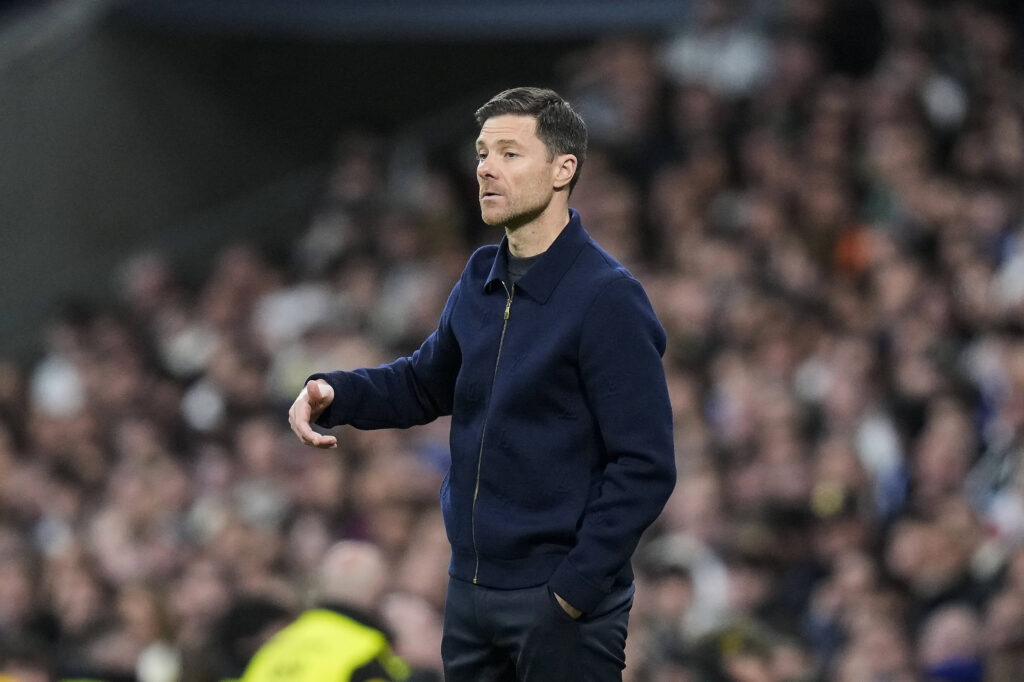
Chelsea’s midfield remains one of the strongest on paper in the Premier League, but its effectiveness under Xabi Alonso will hinge on one factor above all others: availability. Moises Caicedo and Enzo Fernandez are no longer one-season wonders; they are now battle-tested Premier League midfielders with a year more experience, and their partnership has the potential to dominate games when both are fit and firing.
Caicedo’s 50 appearances last season, including every Champions League match, demonstrated his dependability as a shield, while Fernandez’s 54 outings and 15 goals showed his capacity to create and defend over a full campaign.
The perception that Chelsea lack experience in midfield is, therefore, somewhat misplaced; what they lack is consistency in selection. Romeo Lavia’s perennial injury issues mean Alonso cannot rely on him as a regular rotation option, and while Jordan Henderson offers leadership, trusting a player of his age over a full campaign carries obvious risks.
Alonso’s likely preference for a double pivot means Caicedo and Fernández must stay healthy if Chelsea are to challenge for the top four. Lacking European football, Chelsea’s margin for error is slim; a two-month absence for either player could derail their season.
The club’s midfield depth beyond this pairing is not insubstantial, but it lacks the same proven quality. If Chelsea can keep their first-choice duo on the pitch, they have the tools to manoeuvre through a season and climb back into the Champions League places.
Manchester City are spending towards bridging quality
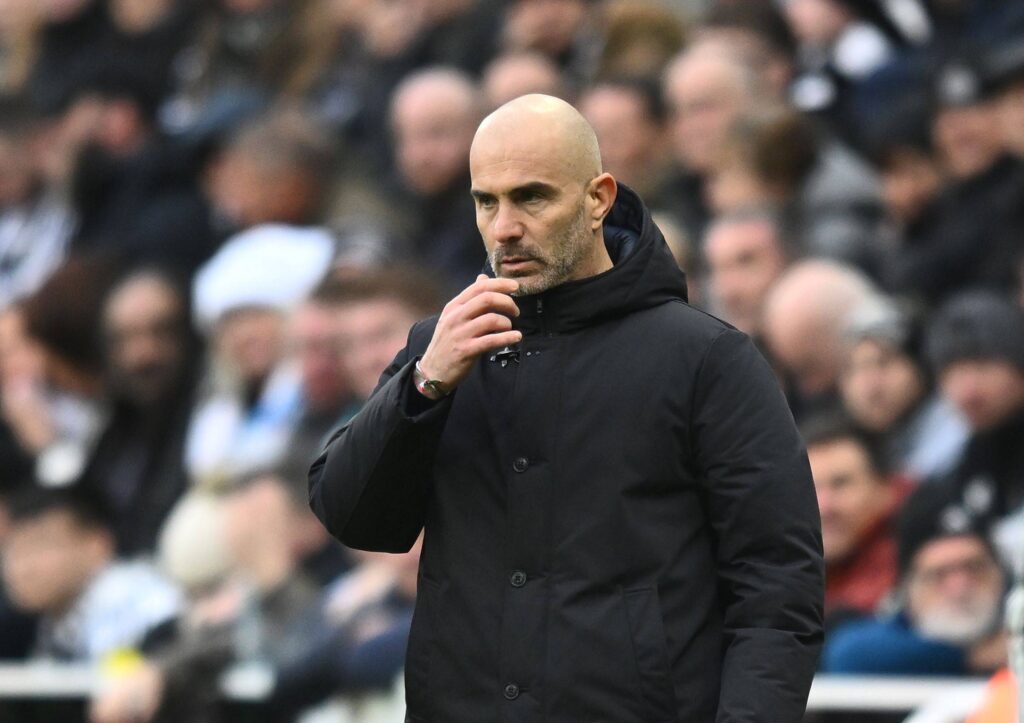
Manchester City’s summer has been defined by departure as much as arrival, and the potential exit of Rodri would leave the most significant hole in English football. While manager Enzo Maresca has vowed to keep the Spaniard, the growing speculation around a move means City must plan for a midfield without their metronome.
The loss of Bernardo Silva to Real Madrid on a free transfer has already removed a key creative outlet, and Rodri’s departure would leave City’s system without its foundational pillar. The £116 million signing of Elliot Anderson from Nottingham Forest is a gamble Maresca must justify immediately.
The Englishman has the technical profile to thrive in City’s possession-based system. However, expecting a player of Anderson’s age to immediately replicate Rodri’s influence is unrealistic. The anticipated arrival of Moroccan teenager Ayyoub Bouaddi offers genuine long-term upside, but the 17-year-old lacks the experience to star in the Premier League from the outset.
In the short term, Maresca may have to rely on a patchwork of options. Tijjani Reijnders, linked with Nottingham Forest but still on City’s books, offers versatility, while Matheus Nunes has been used more as a right-back than a central midfielder.
Nico Gonzalez’s future remains uncertain, and lacking Rodri, City’s midfield loses the steel and progressive passing that defined their title-winning sides. Anderson and Bouaddi represent a strong platform for the future, but in the present, the Citizens may find themselves vulnerable against the more settled midfields of Arsenal and Liverpool.
Manchester United far away from a complete setup
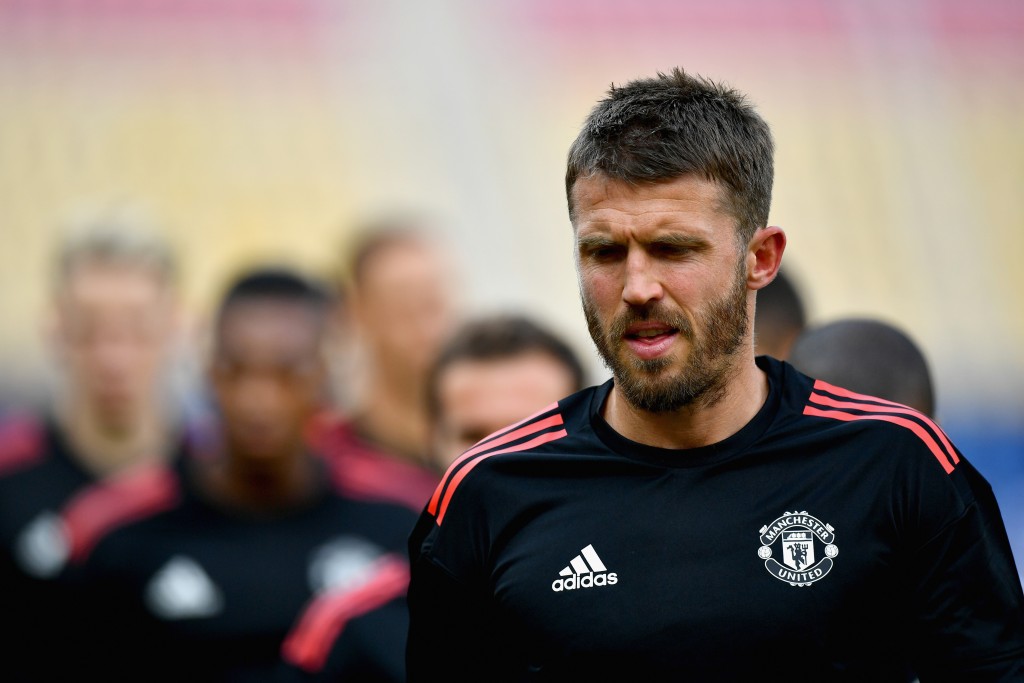
Manchester United’s midfield overhaul under Michael Carrick has addressed some needs, but it has also exposed a glaring gap: the absence of an out-and-out, experienced defensive midfielder. Casemiro’s departure and the long-term injury to Manuel Ugarte left a void that the signings of Andrey Santos and Youri Tielemans have not filled.
Santos, the 22-year-old Brazilian, brings flair, technical quality and significant potential, but he is not a natural defensive shield. Tielemans, at 29, offers Premier League experience and leadership, and his ability to control tempo makes him a valuable asset in a double pivot.
However, neither player provides the specialist coverage that Casemiro once offered, and lacking a dedicated holding midfielder, United’s setup is unbalanced. Carrick’s likely use of a double pivot means Santos and Tielemans will be expected to share defensive and creative responsibilities, a task that could leave them exposed against the Premier League’s more physical midfields.
Kobbie Mainoo offers energy and progression, but he is still developing and cannot be relied upon as a defensive anchor. Links with Aurelien Tchouameni and Manu Kone have either cooled or come to nothing, leaving United with no credible third option.
The ambition is clear: improve on last season’s Premier League finish and go as far as possible in the Champions League. But lacking specialist defensive cover, United’s midfield remains unbalanced, and that imbalance threatens to tip the scales against them in the biggest games.
Liverpool need to address an issue ignored since Fabinho’s exit
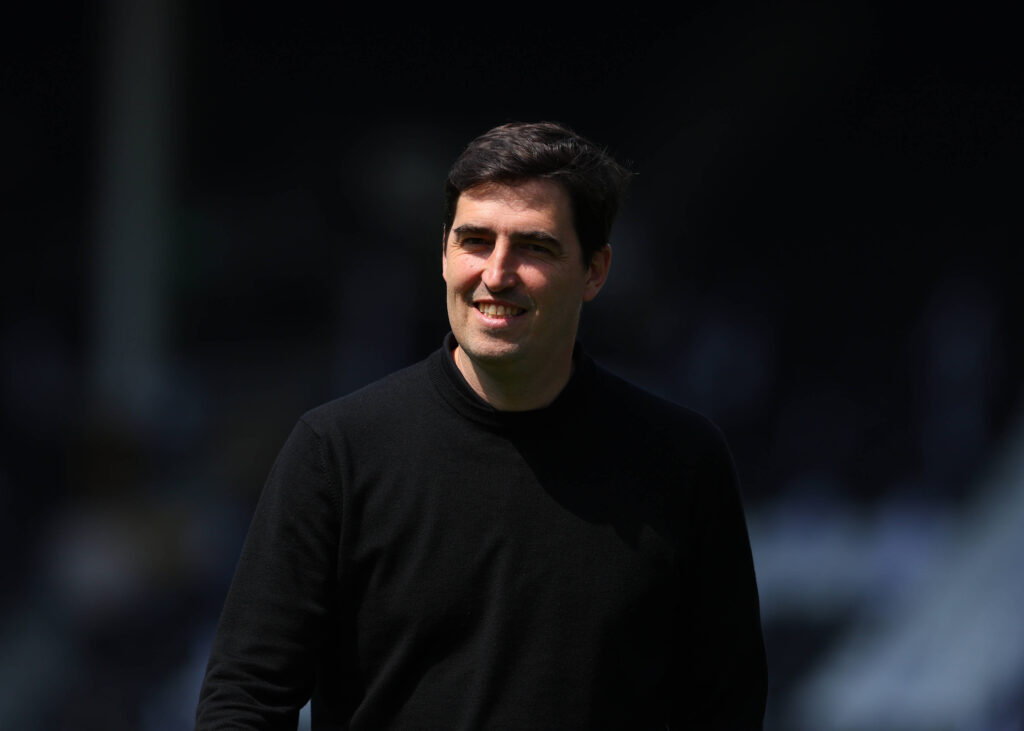
Liverpool’s midfield has lacked a true defensive specialist since Fabinho’s departure, and the club’s experimentation with players like Wataru Endo in that role has faced real questions about sustainability. Ryan Gravenberch’s usage as a holding midfielder during Arne Slot’s title-winning campaign showed promise, but last season exposed the limitations of that approach, highlighting a genuine need for a specialist defensive midfielder.
At present, Liverpool’s starting combination looks suspect. Doubts over Alexis Mac Allister’s future add to the uncertainty, while relying on Dominik Szoboszlai, Gravenberch and the integration of teenager Trey Nyoni over a full season is a real concern. Squad depth is an issue, but the starting unit itself lacks the steel required to challenge at the very top.
Andoni Iraola faces a difficult task in galvanising this unit. Mac Allister offers creativity and work rate, but he is not a natural shield. Szoboszlai’s energy and pressing are valuable, but he thrives in a more advanced role.
Gravenberch has the physical attributes to develop into a top defensive midfielder, but he is still learning the position at the highest level. Lacking specialist reinforcement, Liverpool’s midfield may struggle to provide the platform required to challenge Arsenal for the title.
Have Tottenham spent their way to break into the Champions League?
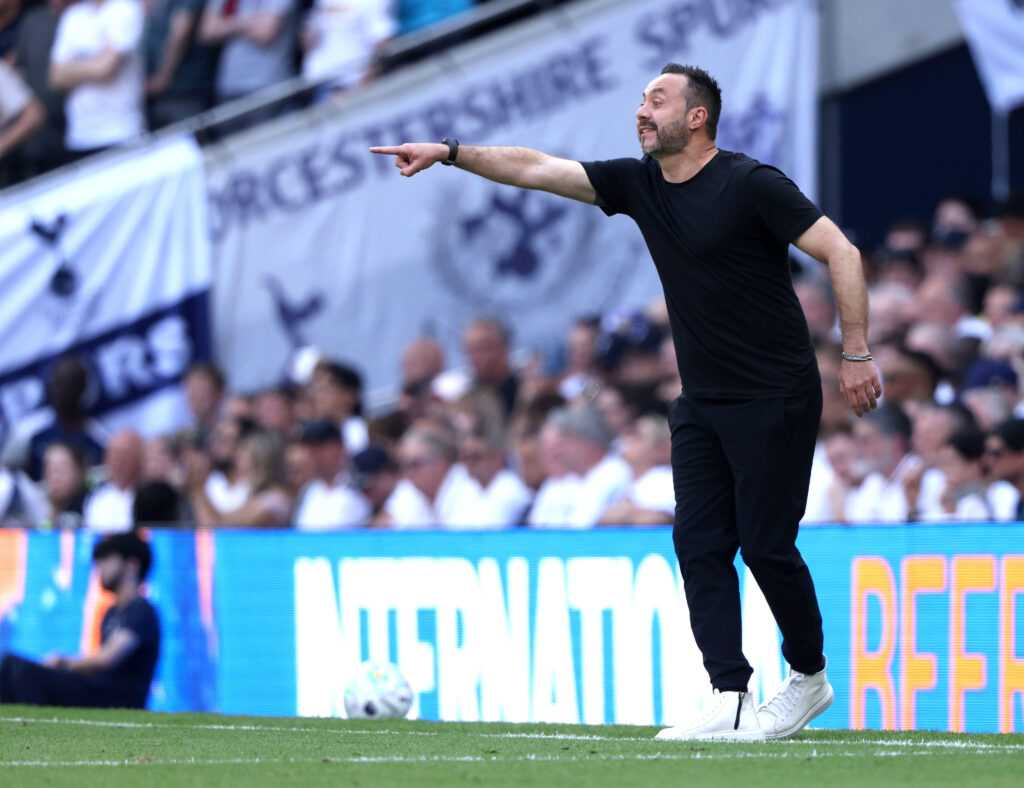
Tottenham’s heavy investment in midfield recruits like Mateus Fernandes and Sandro Tonali has addressed some of the deficiencies of the last two seasons, but it has not yet created a unit capable of making the other top five teams tremble. Roberto De Zerbi is likely to start the season with Fernandes and Tonali as his main pairing, but the real concern is depth beyond them.
Rodrigo Bentancur, Lucas Bergvall, and Pape Matar Sarr are all capable midfielders, but none are considered good enough to help Tottenham make a concerted run at the title or come anywhere close to the likes of Arsenal or Manchester City. The starting duo of Fernandes and Tonali offers quality, but lacking reliable rotation options, fatigue, and injuries could derail their campaign.
De Zerbi’s task is to extract maximum performance from this unit while navigating a congested schedule. If he can keep his first-choice pairing fit and in form, Tottenham have the quality to break back into the Champions League places. However, lacking further investment in midfield depth, their challenge may falter over the course of a demanding season.