
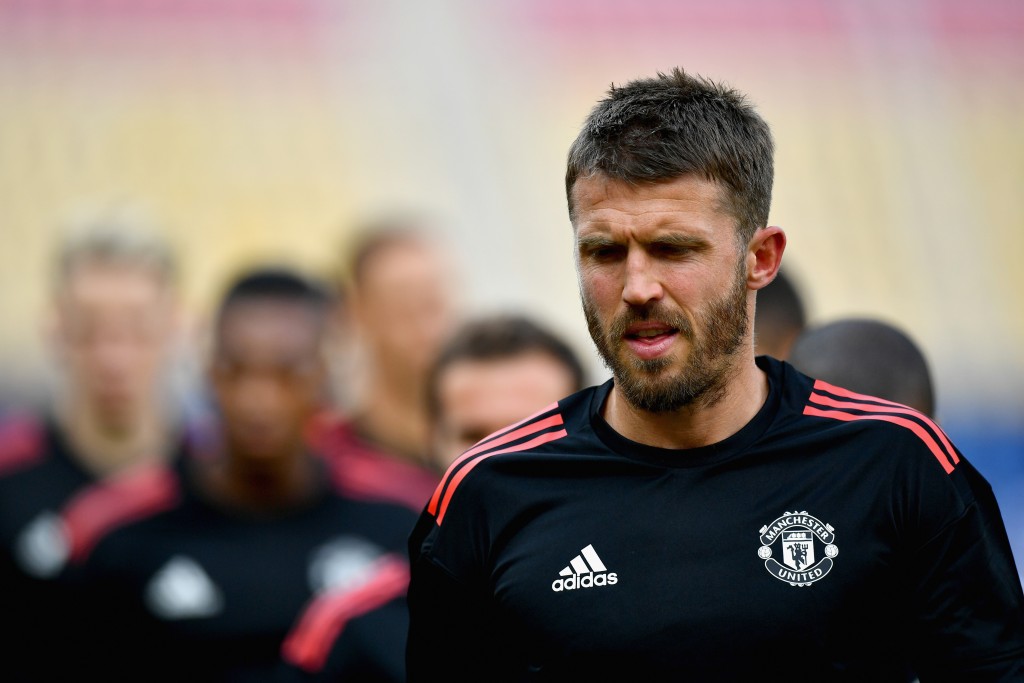
Manchester Carrick’s future may be decided against Atletico Madrid, but Manchester United’s board cannot escape its share of the blame for the crisis now unfolding at Old Trafford.
Michael Carrick deserves scrutiny coming his way, as Manchester United have looked short of intensity, short of ideas and, at times, short of basic professional pride this season.
Yet the club’s hierarchy cannot simply point at the manager and pretend the squad they assembled is fit for purpose. Ahead of a potentially job-defining UEFA Champions League meeting with Atletico Madrid, Carrick is working with a lack of depth at left-back and a productive senior striker, two failures that trace directly back to a haphazard transfer policy.
A manager under real pressure
Manchester United’s start to the 2026/27 season has been alarming. They have won just two of eight matches in all competitions, taken one Premier League win from six, and exited the EFL Cup early after throwing away a two-goal lead against Brighton.
The draw with ten-man Tottenham left the Red Devils with their worst league start since 1986, and the pressure on Carrick has become impossible to ignore. The Englishman’s problem is not merely results. It is the manner of them.
Manchester United have often had the ball without purpose, passing sideways into dead ends while failing to break even modest defensive blocks. Matheus Cunha has been used as a false nine despite looking far more dangerous from the left, where his movement and dribbling can actually hurt opponents.
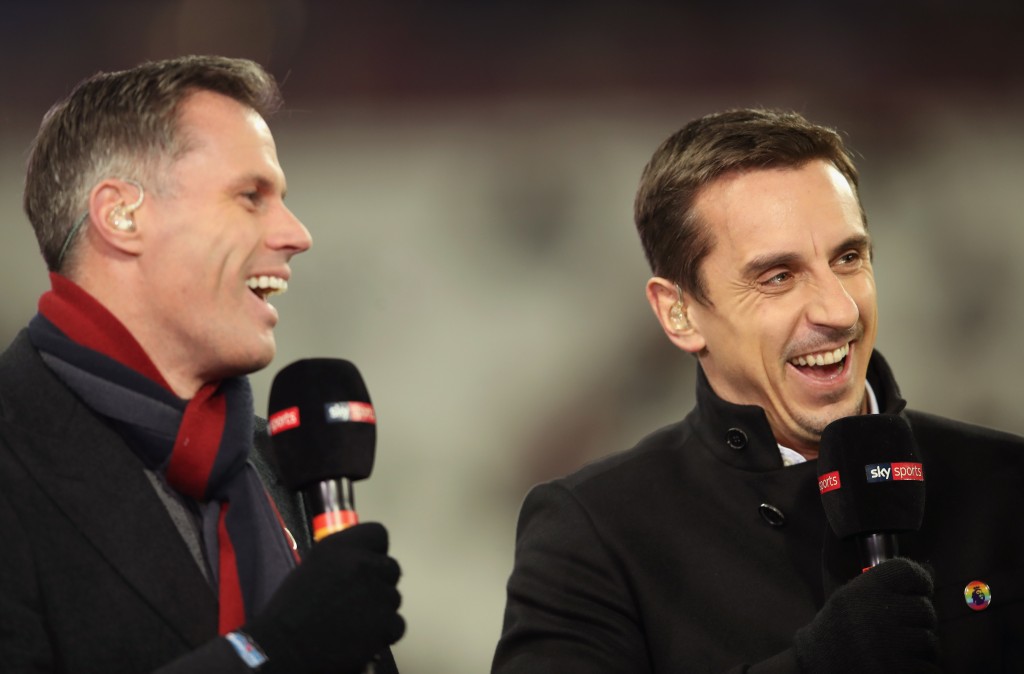
More damaging still is the lack of physical urgency. Gary Neville described Manchester United’s second-half display against Fulham as a “genuine disgrace”, accusing the players of moving like “mannequins” without the ball.

The numbers supported the criticism. Manchester United ranked joint-bottom of the Premier League for high-speed runs and bottom of the division for several key physical measures, including distance covered at high intensity and total sprinting time.
Jamie Carragher made a similar point after Tottenham’s late equaliser. With United leading and holding a numerical advantage, Bryan Mbeumo and Carlos Baleba allowed Mateus Fernandes to win a second ball that helped create the goal. Carragher called it “unacceptable”, arguing that Tottenham simply wanted the moment more. That is a damning reflection on a squad supposedly built to compete at the top level.
Carrick’s protective blind spot at Manchester United
Carrick has not helped himself with his public messaging. His loyalty to players is understandable, but there is a difference between backing a squad and shielding it from accountability. After the draw with Fulham, he insisted there were “good signs” despite a performance that lacked energy, direction and conviction.
That tone matters. A manager who refuses to confront obvious failings risks allowing standards to slip. United’s players have too often looked passive in transition, slow to press, and unwilling to win the ugly moments that decide tight matches.
Carragher’s warning was pointed. If Manchester United do not raise their intensity quickly, the upcoming run against Atletico Madrid, Como and Leeds could become chaotic. There is also a tactical stubbornness to Carrick’s early-season work.
Persisting with Cunha centrally has blunted one of Manchester United’s most effective attackers, while the team’s inability to turn possession into penetration has made them predictable. For a coach who earned the permanent job after guiding United to third place and Champions League qualification, this is a steep and sudden decline.
The board’s transfer failure
But Michael Carrick is not solely responsible for the mess. The board’s summer strategy was reactive, incomplete and strangely departmental. Manchester United addressed attack in one window, midfield in another, and now appear to have decided that defence can wait until 2027.
Football does not work in neat compartments, and neither do squads. The left-back issue was entirely foreseeable. Luke Shaw’s injury history is well known, while Patrick Dorgu has increasingly been used as a winger.
That left Shaw as the main senior option in a position that demands reliability across a long domestic and European campaign. It was obvious before the season began that Manchester United would be exposed there at some stage; now that exposure has arrived at the worst possible time.

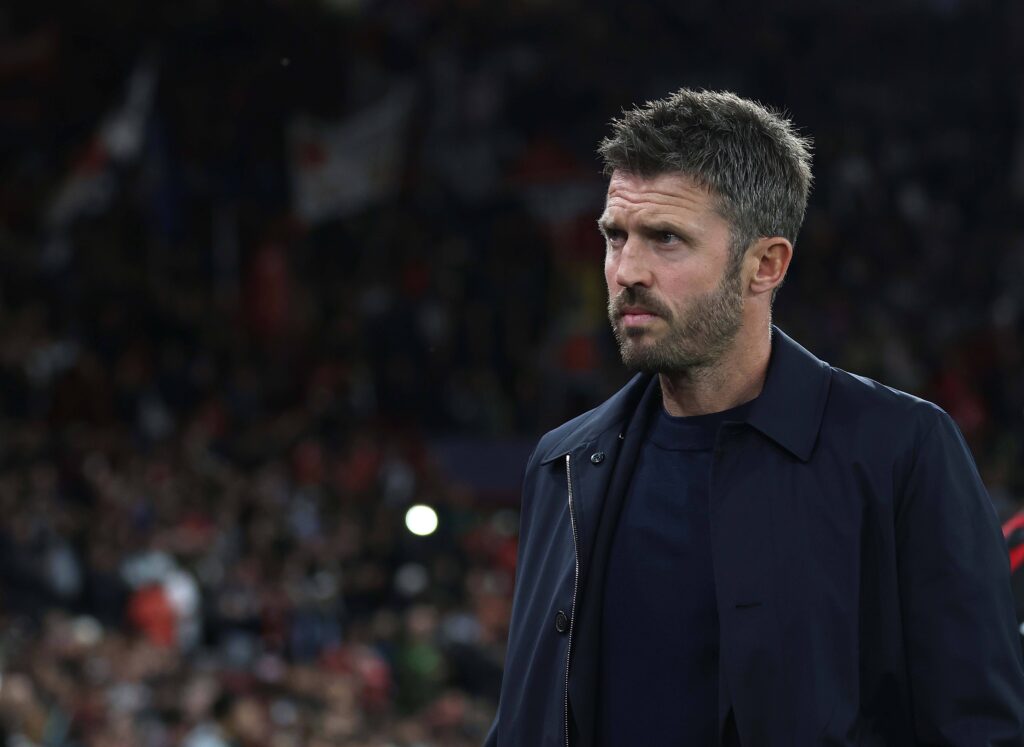
The striker situation was just as avoidable. Benjamin Sesko has continued to struggle with a calf injury, while the failure to move Joshua Zirkzee on prevented United from recruiting a more suitable alternative.
The club had been advised to pursue a direct, proven forward such as Ivan Toney or Dusan Vlahovic to support Sesko, but the opportunity passed. Manchester United are therefore left with an unbalanced attack and a manager forced to improvise.
Even the midfield rebuild, though necessary, feels incomplete. Youri Tielemans is a technically assured player, but he is not the physical, ball-winning presence United lost with Casemiro. Andrey Santos remains a promising long-term project rather than an immediate solution. They needed a more authoritative midfielder who could give the side a proper spine.
A squad built in fragments
Manchester United’s approach has created a squad with gaps in exactly the areas that expose a manager under pressure. A team can survive one weak position. It cannot survive a lack of left-back depth, unreliable striking options, a midfield that lacks athleticism, and a head coach still searching for his best system, all at once.
The board’s reported plan to overhaul the defence in 2027 may be sensible in isolation, but it ignores the present. Carrick needs results now. Atletico Madrid will not wait for a summer rebuild, nor will the Premier League table.
By postponing defensive reinforcement and failing to solve the striker issue, United have handed their manager a squad that is structurally unready for the demands placed upon it. Carrick’s position is not immediately under threat, with the Red Devils reportedly unwilling to make a rash decision. But the hierarchy are clearly preparing contingencies.
Julian Nagelsmann is reportedly open to discussions, Eddie Howe is being monitored as an experienced Premier League option, and Antonio Conte is ready to return to management. Those names tell their own story. Manchester United’s leadership are already considering life after Carrick.
Yet changing the manager would not fix a squad that still lacks a left-back, a reliable striker, and enough physical resilience. Carrick must take responsibility for the team’s lack of running, tactical clarity and mental sharpness. But the board must also answer for a transfer policy that has left him exposed.