
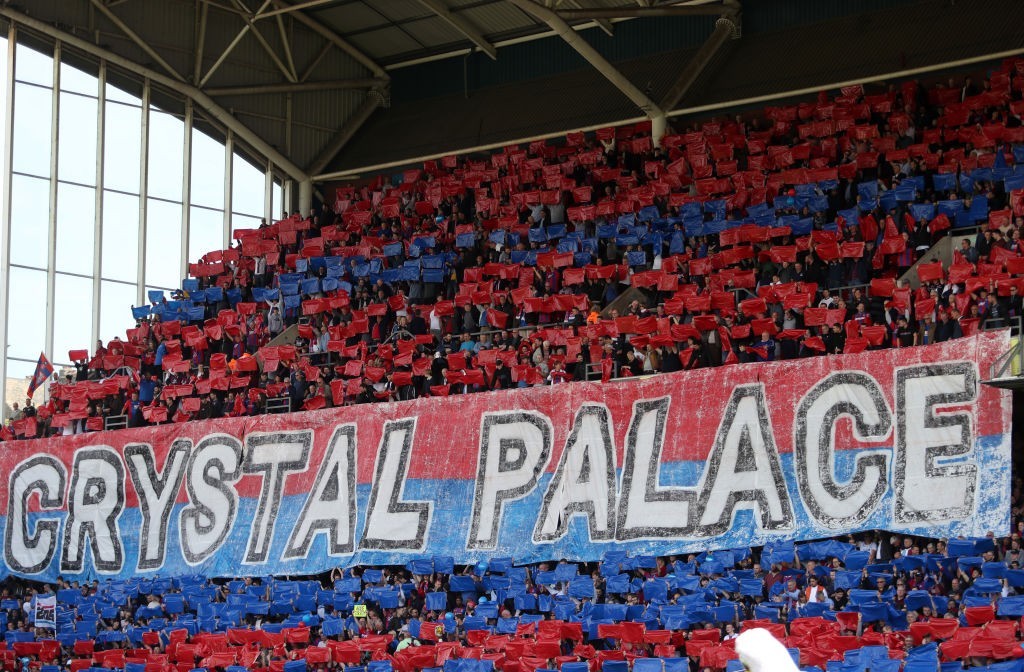
Crystal Palace vs Hull City at Selhurst Park on Sunday will be a match between a team struggling in the shadows of recent success and another pre-season defying expectations.
Crystal Palace’s comeback win over Real Sociedad showed the attacking intent Thomas Frank is trying to establish, but Hull City arrive with a very different way of making matches uncomfortable. Palace overturned a 1-0 deficit to win 2-1 on Thursday, while Hull’s disciplined, direct approach has helped them avoid the relegation fight many expected after promotion. This is a meaningful game for both: Palace need a league response, while Hull can protect their early-season security and keep a European target within reach.
For Palace, the result is about repairing a turbulent start rather than making a season-defining gamble. They sit at the wrong end of the table, and another dropped result would leave the rebuild under immediate pressure even if a win would not transform their position overnight. Their latest performance offered encouragement, but it also came in Europe only four days before this fixture. The home side carry one league victory in their last five and have scored six while conceding ten across their recent five-match run. The attacking absences reduce Frank’s room for manoeuvre, particularly in the central striker and wide attacking roles, so the available players must give the new shape enough threat without leaving the defence exposed.
Hull’s situation is less urgent. A win would move them into the calculated European places, while a draw would keep that target alive, so Sergej Jakirović does not need to turn this into an open contest. Their latest result, a 2-0 victory over Brighton, strengthened the sense that the promoted side’s direct model is working. Hull have also won once in their last five, but they have conceded only four goals in their recent four-match aggregate and arrive with a clearer defensive identity. Their priority is to make Palace attack around a compact structure, then use direct service to keep the home side from settling high up the pitch.
Team News: Palace replace firepower while Hull keep their back five
Palace have four players missing. Jean-Philippe Mateta is suspended after a red card, Chadi Riad is out with a knee injury, Yéremy Pino is suspended and Ismaïla Sarr is unavailable because of a groin problem. Mateta’s absence is the most important football change: Jørgen Strand Larsen becomes the main central striker, while Darío Osorio is required on the left of the attacking line because there is no natural remaining option for that slot.
The expected Palace shape is a 4-2-3-1, a move away from the 3-4-2-1 that had been their leading recent arrangement. Dean Henderson should keep goal behind Tyrick Mitchell, Jaydee Canvot, Chris Richards and Anan Khalaili. Mitchell brings attacking width from the left and has two goals from eleven appearances, while Richards has started every league game available to him and has played 999 minutes. The right-back selection gives Palace a natural outlet, although Khalaili has only four shots on target from twelve attempts and has not yet established the same attacking weight as the absent wide players.
Quinten Timber and Adam Wharton form the double pivot, with Daichi Kamada ahead of them and Dwight McNeil and Osorio supporting Strand Larsen. Kamada has three assists and twelve key passes from eleven starts, making him the clearest player to connect Palace’s midfield to a lone forward. Wharton has also started all eleven of his appearances and supplied twelve key passes, though his current form has been less convincing. Strand Larsen offers a more direct reference point: he has scored twice and put eight of fourteen attempts on target in nine appearances. This is a side designed to stretch Hull rather than simply replace Mateta with an identical role.
Hull also have two absentees. Matt Targett is out with an ankle problem and Eliot Matazo is unavailable because of a cruciate ligament injury. Matazo’s absence helps explain why the midfield selection matters, with Matt Crooks the open call in the right-central position rather than an established option. The 5-4-1 remains the clearest fit for the personnel.
Konstantinos Tzolakis starts behind a back five of Ryan Giles, Nobel Mendy, John Egan, Semi Ajayi and Lewie Coyle, though Giles is the one expected rather than definite selection. Ajayi has started all eleven of his appearances, while Egan has made ten starts and provides the central defensive continuity. Slater and Crooks sit in midfield, with Elliot Stroud and Mohamed Belloumi supplying the width around Oli McBurnie. Belloumi is Hull’s most productive wide outlet, with three goals, three assists and ten key passes from ten appearances. McBurnie leads the line after four goals and two assists in eleven starts, and his penalty duty adds another route to a goal in a match likely to be decided by small margins.
Tactics: The first ball decides whether Palace can sustain pressure
Palace’s 4-2-3-1 is built to put two midfielders behind Kamada, give the wide players room around Hull’s spare centre-back and preserve some protection against direct counterattacks. Frank’s side should carry the game to Hull, but their recent attacking output has not yet been matched by defensive control. Hull’s five-man shape, meanwhile, gives them an extra defender against the lone striker and allows the wide players to drop without abandoning McBurnie.
Hull’s measured habits are clear. They play 64 long balls per match against a league typical figure of 50, and their ball share is 32 per match against the league’s 48. They are not trying to win this fixture through prolonged construction in midfield. Their crossing sits close to the league norm, so the more important feature is the decision to bypass pressure and attack the next contest rather than pass through Palace’s first line.
That direct approach meets a Palace side that has to press higher and keep the second ball in Hull’s half. The key question is not whether Palace can have more of the ball, but whether their double pivot can prevent Hull’s first clearance from becoming an organised attack. Hull have the option to sit in, accept the draw if necessary and still threaten when the game breaks forward. Palace must take more initiative, yet the European turnaround makes the demand for repeated pressure more difficult.
The main duel is Chris Richards against Oli McBurnie. Richards has the form to defend the first ball aggressively, while McBurnie has become the forward around whom Hull’s direct game is organised. If Richards wins that contest, McBurnie cannot turn long service into a settled platform and Palace can attack the loose ball with their midfield already advanced. If McBurnie wins it, Palace’s press is forced backwards and Hull can preserve the compact five-man structure that protects a point.
This is also where the cover behind the duel matters. Richards is not merely defending a striker; he is deciding whether Palace’s whole defensive line can stay high. If McBurnie brings the ball down, Hull’s midfielders can join the second phase and Palace’s two holders are suddenly defending a forward-facing attack. If Richards dominates, Hull may need to change shape and add a player between the lines, sacrificing some of the central protection that the 5-4-1 provides.
The wide contest gives Palace their best alternative. Khalaili must hold Palace’s right side high enough to pin Giles and stretch the back five, while Giles has to release Hull down that flank without allowing the block to lose its width. Palace’s attacking structure can force Hull’s wing-back deeper, but an unsuccessful attack leaves the home side’s full-back exposed when Hull go long again. The match therefore has two linked battles: Palace need width to create space, but Richards must win the central first ball so that the width is not constantly followed by defensive retreat.
Prediction: A draw remains the likeliest outcome
We are leaning towards a draw, but only with low confidence. Palace have the clearer reason to attack and should be able to create pressure through Kamada, McNeil and their wide outlets. Yet Hull’s direct release gives them a reliable way to bypass that pressure, and Palace have not shown enough defensive security to make a controlled home win the default expectation.
The strongest case against the draw is that Palace’s 4-2-3-1 may finally give their attack enough width to pull Hull’s back five apart. Kamada’s position behind Strand Larsen can then become decisive, especially if the wing-backs are pinned and Hull’s midfield cannot protect the spaces around him. Palace’s recent attack has produced 2.03 expected goals per match, but they have allowed 2.39 and kept no clean sheets in that same five-match window. That combination makes a home victory possible, while also explaining why it is difficult to trust Palace to manage the match once Hull find their route forward.
Hull’s recent four-match aggregate is more restrained, with 1.30 expected goals for and 1.71 against, but that does not make them a natural winner here. Their best route is to keep the game compact, win enough first contacts around McBurnie and wait for Palace’s attacking structure to leave space. The likeliest scoreline range is 1-1, 0-0 or 2-2.
Hull have the clearer mid-match switch
The selection that could still alter the contest is Hull’s ability to move from the five-man structure into a 4-2-3-1 if Palace deny McBurnie the first ball. That would put an extra player between the lines and give Hull a way to attack without relying entirely on long service. Palace can also move to two forwards, but doing so would remove a central creator and weaken the protection behind the attack. That makes Hull’s adjustment the cleaner lever if the opening plan stops connecting.