
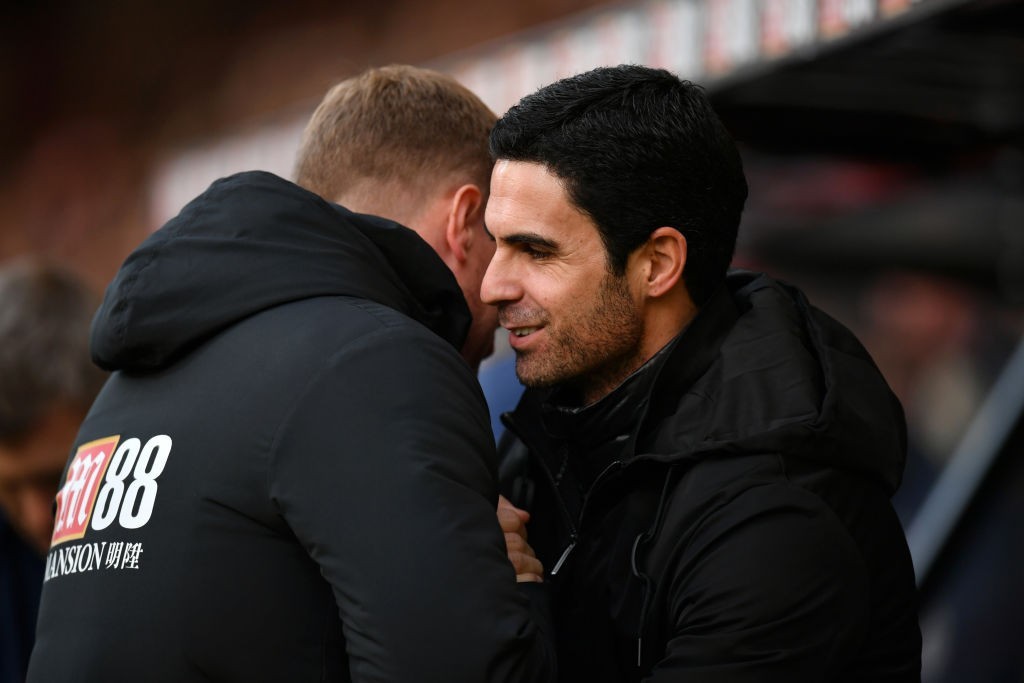
Arsenal’s Champions League final featured a Mikel Arteta tactical masterclass: just 24.7% possession yet limited PSG to one shot on target, proving they are built for big occasions despite the shootout loss.
Arsenal’s UEFA Champions League final against Paris Saint-Germain was not the kind of match that thrilled on the surface, but it was a fascinating tactical battle between Mikel Arteta and Luis Enrique. PSG had nearly three-quarters of the ball, finishing with 75.3% possession, yet the Gunners’ structure made much of that possession feel harmless.
The North Londoners were compact, disciplined, and difficult to play through, turning the final into a clash between a ruthless attacking side and a defensive unit that refused to break. In a game that was expected to be decided by quality in the final third, it instead became a test of patience, control, and tactical restraint.
PSG managed 21 shots across 120 minutes, but only one was on target in open play, while Arsenal limited them to very few clear openings despite the territorial pressure. Arteta’s men themselves attempted just seven shots, with only one landing on target, and they completed only 69 passes in the first half, the lowest first-half total by any team in a Champions League final.
That alone shows how deep Arsenal were prepared to defend and how little time and space they allowed PSG to settle in advanced areas. Even when Les Parisiens circulated the ball comfortably, they struggled to convert possession into genuine danger.
Mikel Arteta’s tactical blueprint
Mikel Arteta’s tactical approach has naturally drawn criticism, especially for Arsenal’s reluctance to attack with more fluency after taking the lead. But the plan itself was not misguided. Against a PSG team built to punish open spaces, The team’s first priority was to stay compact and deny transitions, and in that respect the plan worked for long stretches. The criticism is fair in one sense, as the Gunners did not do enough with the ball when they had chances to build pressure of their own.
Still, this was a one-off final, not a league game where possession can be managed over 90 minutes of repeated attacks. Arteta chose to lean on Arsenal’s biggest strength, their defence, and the numbers support that decision. PSG’s first shot on target in open play never really arrived because Arsenal’s block stayed in place, with the team refusing to be pulled apart between the lines. That level of control is hard to achieve against a side with Les Parisiens’ technical quality.
Arsenal’s caution was not cowardice; it was calculation. Full-backs stayed measured, central midfielders protected the space in front of the defence, and the team avoided overcommitting bodies forward. That meant PSG could keep the ball, but it rarely meant they could do much with it. In finals, that sort of control can be as valuable as dominance on the ball.
The case for caution
The strongest defence of Mikel Arteta’s approach is that it made Arsenal competitive against a side capable of overwhelming opponents when games become stretched. PSG’s attack thrives on space, movement, and tempo, so opening up too early could have played into their hands. The team’s shape reduced the risk of exactly that scenario. They kept the match tight, forced the French outfit into longer phases of sterile possession, and prevented the game from becoming chaotic.
The downside, of course, was that Arsenal looked limited when they regained the ball. Their transitions lacked sharpness, and there were moments when a more aggressive approach might have taken the final away from PSG. Yet, the broader picture matters: if Arsenal had chased the game recklessly, they may have surrendered the control that kept them in it. With PSG averaging 75.3% possession, Arsenal needed to survive pressure first and create later.
This is where Arteta deserves credit. He built a game plan around his side’s identity rather than chasing a romantic idea of how a final should look. The result was not pretty, but it was coherent. In the biggest game of the season, the North Londoners were never exposed in the way many feared they might be.
A team for big nights
What this final ultimately revealed is that Arsenal are now a team capable of handling elite European occasions with real discipline. They may still need to improve their attacking composure in games like this, especially once they have a lead, but the foundation is clearly there.
Holding PSG to one shot on target from open play and forcing them into frustration despite 21 attempts is evidence of a team with a serious defensive identity. Arteta’s methods will continue to be debated, particularly because the Gunners did not maximise their moments in possession.
But finals are often about balance, and Arsenal showed they can survive the demands of a match against one of Europe’s most dangerous attacking teams. That matters. It suggests a side that is not just tactically organised, but mentally ready for the highest stage.
Arsenal’s Champions League final defeat will sting, but the manner of the performance says a lot about where this team is headed. They were not overwhelmed by PSG’s possession, nor were they dragged into a game they could not control. Instead, they imposed a low-risk, high-discipline model that kept them alive in a match where small margins decided everything.
There will be ongoing debate about whether Arsenal should have shown more ambition after scoring first. That criticism is understandable, because the final version with the ball did not match the quality they showed without it. Their attacking phases lacked poise, and they did not fully capitalise on the moments when PSG looked vulnerable. But that should not obscure the bigger truth: this was a tactical plan designed to play to Arsenal’s strengths, and for large stretches, it succeeded.
The most important lesson from this final is that Arteta has built a side with real maturity. Arsenal did not fold under pressure, and they did not abandon their structure when the game became difficult. They understood the threat in front of them and responded with discipline, patience, and organisation. That is a major sign of progress in itself.
In the end, this felt like a team built for the occasion, even if the scoreline did not go their way. The Gunners’ Champions League future looks promising because they now have the defensive base, the tactical clarity, and the mentality to compete in games like this. The next step is finding a better balance when they have the ball, because if they do, this sort of final may start to turn in their favour.