The Hard Tackle lists three players Arsenal should pursue in the summer transfer window to finally win the UEFA Champions League next season.
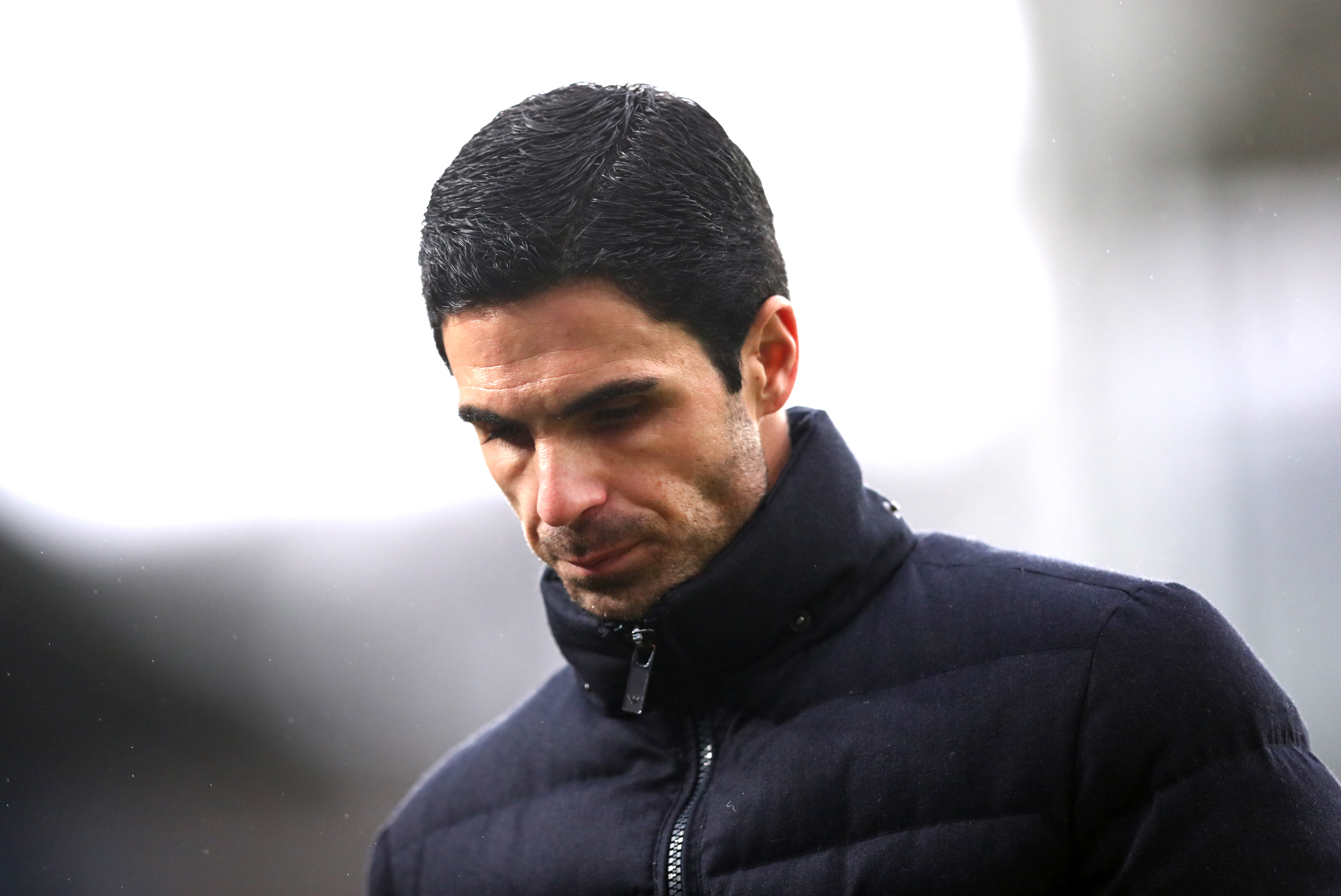
Arsenal’s UEFA Champions League dream ended in the cruellest of fashions. The final against Paris Saint-Germain in Budapest ended in a 1-1 draw before it was decided on penalties, where the Gunners fell short 4-3 and PSG retained the trophy. The Puskas Arena night captured everything from early promise, defensive discipline, and then the narrow margins of a shootout that went against Mikel Arteta’s side.
Arsenal arrived in the final having been inarguably the competition’s best team across the 2025/26 edition. They were unbeaten deep throughout the tournament and built on an exceptional defensive record that delivered nine clean sheets en route to Budapest. That solidity, produced by Declan Rice’s midfield control, a rock-steady backline marshalled by William Saliba and Gabriel, and David Raya’s composure in goal, allowed the North London outfit to grind results and dominate games without necessarily producing a constant barrage of chances.
Yet the final exposed a recurring problem: a lack of reliable attacking threat when it mattered most. Arsenal created openings and had moments of fluidity, but they lacked a consistent, high-end goalscorer and a truly unpredictable wide option who could single-handedly change the balance in a tight match. The shootout loss underlined that a marginal upgrade in attacking quality could be the decisive difference next season.
So, the squad balance points to clear summer work. Mikel Arteta has built a template of energetic press, patient positional play, disciplined full-backs, and a midfield that shields and progresses. However, to convert chances against elite defences Arsenal need a striker and supporting attackers who bring directness, genuine end-product and tactical intelligence to the XI. With that in mind, here are three players who would meaningfully strengthen their bid to win the Champions League next season.
Mateus Fernandes
Why he fits: Mateus Fernandes offers the kind of calming presence and passing reliability Arteta values in a midfield pivot. He can protect the back four while recycling possession and launching quick transitions that will suit Arsenal’s vertical play. He boasts of a high passing accuracy and impeccable fitness record, indicating durability and consistency across a demanding campaign.
Tactical impact: Paired with Declan Rice, Fernandes would allow form a fluid midfield partnership which will give both players licence to press and carry forward as the situation demands, with the other sitting deeper to intercept and monitor turnovers. That balance would be especially valuable late in games and across two-legged European ties, when control and game management become decisive.
Squad need addressed: Martin Zubimendi’s dip in prominence late in the season highlighted Arsenal’s vulnerability when their secondary midfield options do not impose themselves; Fernandes would shore up that department and reduce dependency on a single midfield fulcrum.
However, expect substantial interest in the 21-year-old. Manchester United, PSG, and Liverpool have the resources and profiles to pursue a midfielder of Fernandes’s blend of control and technique, which will make the Gunners’ task both strategic and expensive.
Yan Diomande
Why he fits: Yan Diomande brings real directness from wide positions, as he brings pace, high-intensity dribbling, and end-product in the final third that can stretch defences and create lanes for Bukayo Saka, Martin Odegaard, or overlapping full-backs. He was impeccable in his debut season with RB Leipzig (13 goals and 10 assists in 36 games), underlining a consistent attacking output.
Tactical impact: Arsenal’s left flank occasionally lacked penetration and unpredictability, making the attack too easy to defend against in compact games. Diomande’s ability to beat defenders and produce key passes would add a second dimension to the Gunners’ attack and make their movements less telegraphed. He would also pair well with other wide inside-forwards, allowing midfielders to exploit half-spaces.
Squad need addressed: The addition of a truly productive left-sided attacker would reduce the team’s reliance on individual moments from Bukayo Saka and provide Mikel Arteta with rotation and tactical variety across competitions. Diomande’s pace would be particularly useful on counters and against teams that sit deep.
However, Diomande’s profile has attracted suitors. Manchester United, Liverpool, and PSG are logical competitors. So, Arsenal will need a clear recruitment plan and convincing sporting case to prevail.
Victor Osimhen
Why he fits: Victor Osimhen is a proven elite goalscorer whose physicality, movement, and finishing deliver a high-volume threat in and around the box. His 2025/26 numbers (22 goals and 8 assists in 33 games) underline consistent productivity at the highest level, making him an obvious candidate to replace Gabriel Jesus should Arsenal decide to move on.
Tactical impact: Osimhen would give Arsenal a focal point who can hold up play, occupy central defenders, and finish clinically from both service and transitions. These are attributes that would convert the chances Arsenal already create into more reliable returns in tight European fixtures. The Nigerian striker’s presence would also open space for creative runners like Odegaard and Diaby.
Squad need addressed: Viktor Gyokeres showed flashes but also inconsistency in his debut season. Signing Osimhen would provide the striker-line leadership and guaranteed end-product Arteta’s side lacked in the final third. That kind of striker changes how opponents set up and can be the difference over a two-legged tie or in finals.
However, a player like Osimhen constantly attracts blockbuster interest. Manchester United and Barcelona are reportedly among clubs likely to contest a move. So, Arsenal would face a costly and highly competitive pursuit.
Which direction should Arsenal take this summer?
Each of these options addresses a different weakness exposed in the final: a midfield controller (Mateus Fernandes) to secure possession and tempo, a direct wide attacker (Yan Diomande) to add pace and unpredictability, and a world-class striker (Victor Osimhen) to convert the chances Arsenal already create.
The practical approach: Arsenal do not need to sign all three to improve; prioritising one major addition in the striker or winger department plus a targeted midfield upgrade would balance squad depth with UEFA Champions League aspirations. However, all three can turn the North London outfit into a juggernaut.
Arsenal’s summer will be about choices. Invest heavily in one transformational signing or build incremental upgrades around Mikel Arteta’s successful template are the two choices. The final against PSG proved how narrow the margins are at the elite level, and also showed exactly where a smart, decisive window can turn heartbreak into triumph next season.