
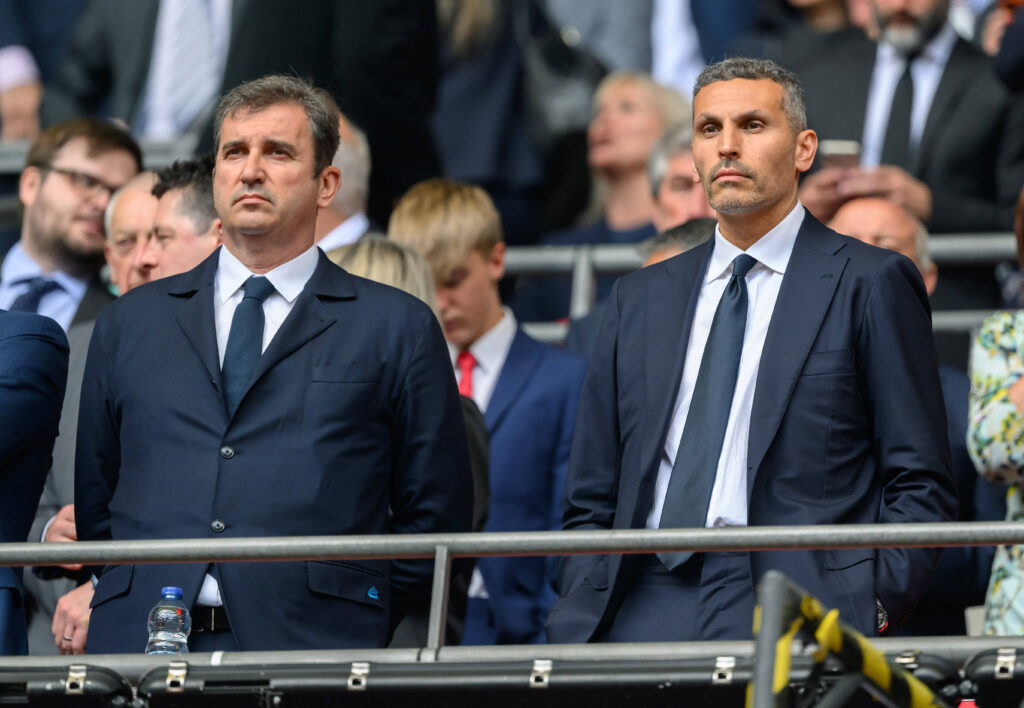
Manchester City’s transformation of East Manchester is real and remarkable, but philanthropy, however profound, cannot cancel out proven financial fraud.
An independent commission has found Manchester City guilty of 114 of 115 Premier League financial charges, with sanctions still to be decided and an appeal expected. This is not merely a story about trophies, table positions or even one club’s future.
It is about the rule of law in sport, the integrity of competition, and the message English football sends when vast off‑pitch investment collides with proven financial misconduct.
The transformation of East Manchester
Since the Abu Dhabi ownership arrived in 2008, East Manchester has undergone a physical and social transformation that is hard to overstate. The Etihad Campus and the £200 million City Football Academy were built on around 80 acres of remediated former industrial land, turning contaminated sites into a major sports, education and community hub.
Thousands of construction and employment opportunities followed, with significant work going to local and North West businesses, while facilities now support the men’s and women’s teams, the academy and wide‑reaching community programmes.
The social infrastructure is equally substantial. City in the Community has helped thousands of Manchester residents through football, education, health and employability initiatives, including free youth football via City Kicks and programmes aimed at young people at risk of serious violence.
The club supported young patients and families at Royal Manchester Children’s Hospital, worked with Manchester City Council on job fairs, and used the Etihad Campus during the pandemic to support NHS workers with testing, vaccination and nursing training.
Investments in the wider area include Co‑op Live, a 23,500‑capacity arena, alongside continued expansion of the Etihad Stadium and entertainment district, representing hundreds of millions in additional investment.
Perhaps the most symbolic gesture came when Sheikh Mansour bought the 1904 FA Cup, Manchester City’s first FA Cup and the oldest surviving trophy, and ensured it remained on display at Manchester’s National Football Museum, cementing a narrative of deep local stewardship.
Who gets hit hardest if sanctions are severe?
Yet if the eventual sanctions on Manchester City are harsh, large points deductions, possible relegation, or heavy fines, the pain will not be felt evenly. Academy staff, community programme workers, local suppliers, matchday employees and small businesses around East Manchester form an ecosystem that depends on the club’s day‑to‑day operations.
Owners and executives can absorb financial blows; the people whose livelihoods are tied to the club’s everyday rhythm often cannot. This is the empathy hook for readers who might otherwise see City as just a “rich club”. The human cost of any severe sporting penalty will be borne disproportionately by ordinary people in the communities that have benefited most from the club’s regeneration.
Good deeds do not erase fraud
None of this, however, cancels out the central finding. Doing hundreds of things right does not erase committing serious financial crimes. Philanthropy can co-exist with criminality, and one does not morally offset the other; think of the old analogy that even if Pablo Escobar built schools and uplifted many around him, it did not make his cartel any less criminal.
The charges upheld by the commission relate to false accounting, failure to provide accurate financial information, and breaches of financial fair play and profit and sustainability rules over nearly a decade, including inflating sponsorship deals linked to Abu Dhabi owners and misstating accounts to appear compliant with spending limits.
These are not technicalities. They are deliberate distortions that shaped competitive outcomes and undermined the Premier League’s regulatory framework.
Demanding proportionality, not absolution
The right response, then, is not to let good works buy moral immunity, but to design sanctions that punish the entity responsible while minimising collateral damage where possible.
Heavy fines on the ownership group, transfer restrictions, or structured penalties that do not automatically cascade into mass job losses in community programmes would target those who benefited from and directed the misconduct, rather than outsourcing the pain to the most vulnerable stakeholders.
English football must show that rule‑breaking has consequences, but it can do so intelligently. Holding the club’s football operation and owners to account without needlessly devastating the social infrastructure that grew around them.
What kind of sport do we want?
In the end, this case poses a direct question to readers and decision‑makers. Do we want a game where transformative social investment buys moral immunity, or one where integrity and accountability come first, even when it is uncomfortable?
Manchester City’s social work in East Manchester deserves credit, but credit is not a get‑out‑of‑jail card. The right outcome is one that punishes the fraud, protects the community where possible, and restores faith in the rules that underpin the Premier League.