
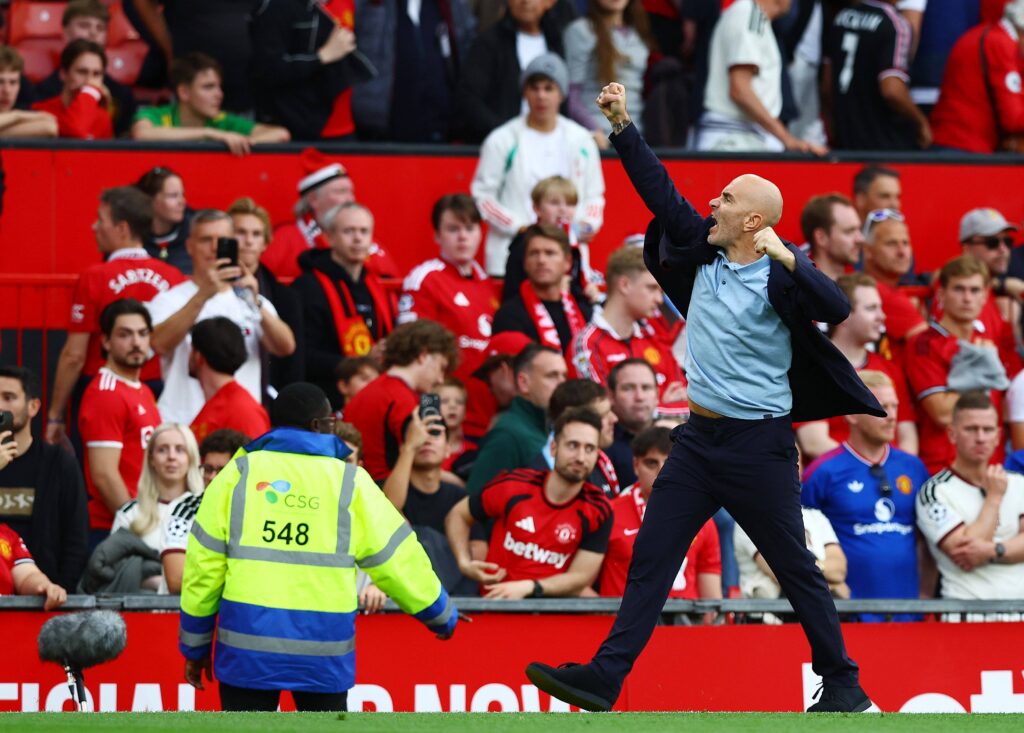
Like Arne Slot at Liverpool, Enzo Maresca, at Manchester City, has inherited a winning machine rather than a rebuilding project.
When Arne Slot replaced Jurgen Klopp at Liverpool, he did not inherit a rebuilding project. Enzo Maresca could now benefit from a similar situation at Manchester City, even though Pep Guardiola’s departure has left him with a far more difficult legacy to manage.
Slot’s first season at Anfield showed how valuable continuity can be. Liverpool already had a title-winning structure, experienced leaders and players who understood the physical and mental demands of competing at the top. The Dutchman’s task was not to explain the basics of elite football. It was to refine an excellent team and introduce his own ideas.
That distinction made all the difference. Slot strengthened Liverpool’s control, improved certain players and avoided the temptation to copy Klopp. He inherited the core of a successful side and made it his own. Maresca has an opportunity to follow the same path at City.
A strong foundation remains

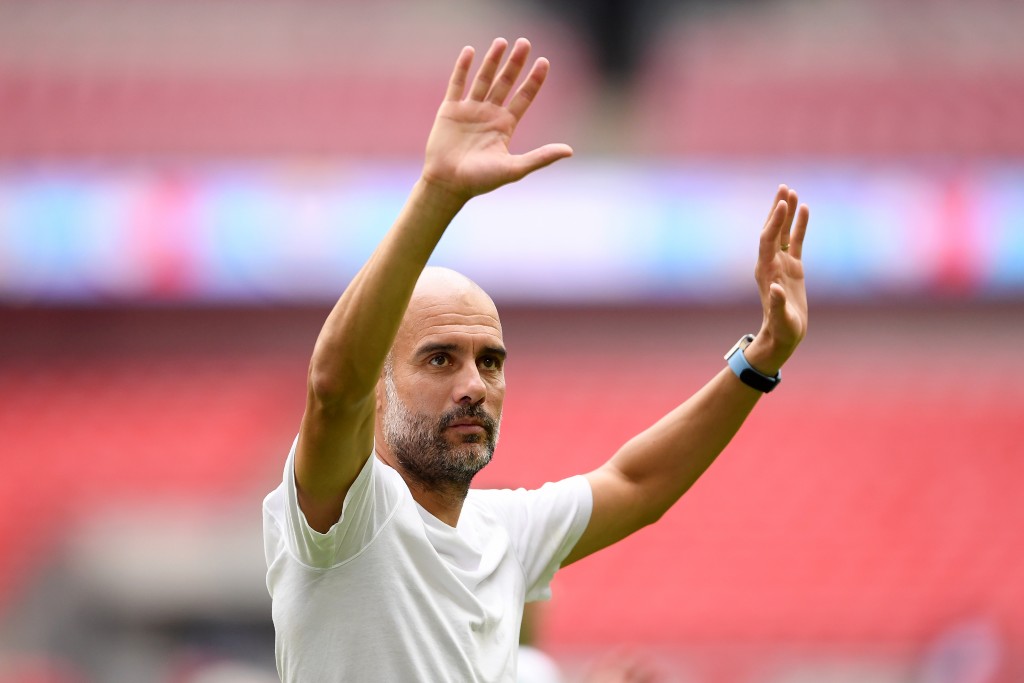
Maresca is not walking into a random collection of expensive players. He is taking charge of a squad shaped by more than a decade of Guardiola’s methods. City’s established players have won league titles, competed in Champions League campaigns and experienced the pressure of delivering trophies year after year.
They already understand positional discipline, controlled possession, and the importance of dominating matches through the ball. They know how to respond after dropped points, manage difficult periods in a title race and maintain their standards when several competitions begin to overlap.
That winning mentality was one of Slot’s greatest advantages at Liverpool. He did not need to teach players what a title race felt like. Maresca can rely on the same internal knowledge at City, even if the personnel is no longer identical to Guardiola’s final team.
Several important figures have moved on. John Stones, Rodri, and Bernardo Silva have left the club, removing experience and quality from the spine of the side. However, City have attempted to soften that blow by supporting their new manager in the transfer market.
Elliot Anderson, Ayyoub Bouaddi, and Enzo Fernandez have arrived alongside attacking additions, giving Maresca a mixture of youth, energy and proven ability. City’s spending has not been a simple continuation of the past; it has been an attempt to refresh the squad while preserving its competitive edge.
The tactical connection
The comparison with Arne Slot becomes even more interesting when the football itself is considered. Maresca’s teams are influenced by the Guardiola school, with possession, positional rotations, and structured build-up at the centre of his approach.
At Leicester City and Chelsea, he used patterns built around creating numerical advantages, manipulating pressing systems and moving players into spaces that could unsettle the opposition. Full-backs were often asked to step into midfield, while wingers maintained width and attacking players rotated through the half-spaces.
These principles are broadly compatible with the football City players have practised for years. Maresca is not inheriting Guardiola’s football and replacing it with something completely different. He is inheriting a squad that already understands many of the principles he wants to use.
That should make the transition less dramatic than it would be under a manager with an entirely different philosophy. The players may still need to adjust to new details, but they will not be learning a completely new language.
Continuity without imitation
The danger, however, is that Maresca becomes too focused on reproducing Pep Guardiola’s Manchester City. His predecessor created one of the defining teams in modern football, and every tactical decision will inevitably be measured against that standard.
Slot did not face precisely the same problem. Klopp’s legacy was enormous, but Liverpool supporters were largely prepared for a different personality and style. Maresca must instead convince City that the Guardiola era can end without the club losing its identity.
The question is not whether Maresca can become Guardiola. He cannot, and he should not try. His challenge is to protect the strengths of the previous era while adding ideas that belong to him.
That could mean a more direct version of possession, different positional structures or a greater willingness to adapt the shape to individual opponents. Inverted full-backs may remain part of the plan, but their movements could be used differently. Established hierarchies may also be challenged as younger players receive greater responsibility.
The best successor does not preserve a winning team by turning it into a museum piece. He keeps the principles alive while allowing the football to evolve.
Manchester City have acted decisively

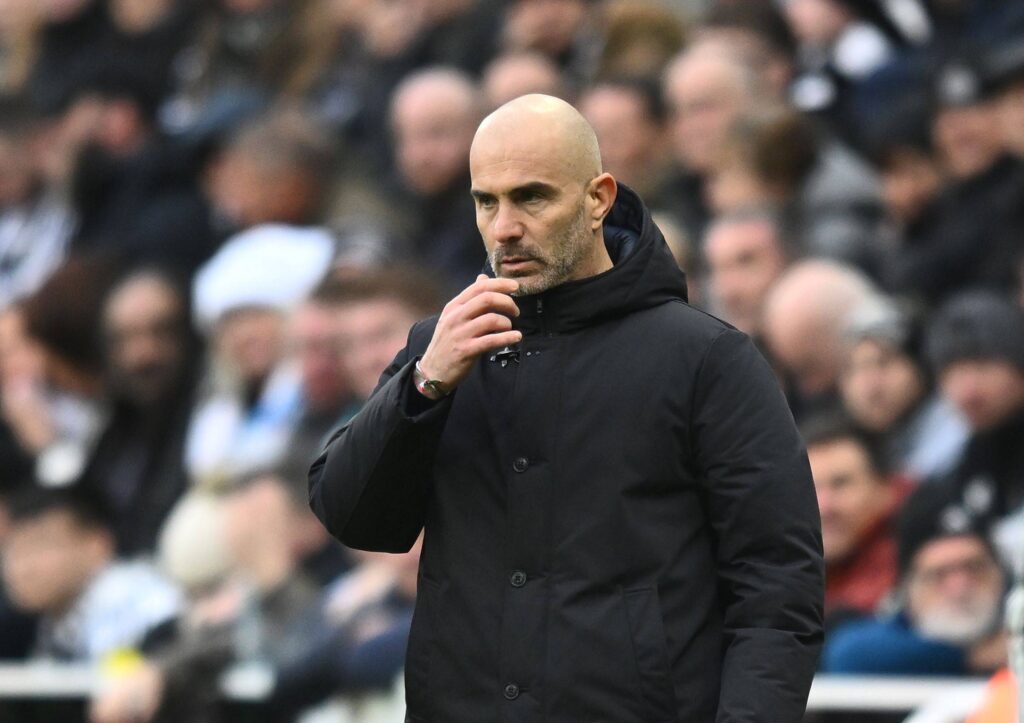
Manchester City’s backing for Maresca also contrasts with the situation at Manchester United. Michael Carrick guided the Red Devils through an impressive second half of last season, but the club have not provided him with comparable financial support during the summer.
City, by contrast, have recognised that the departure of several senior players demanded a serious response. The arrivals of Anderson, Bouaddi, and Fernandez suggest that the club are trying to replace quality before decline becomes unavoidable. It is a major financial commitment, but also a clear vote of confidence in Maresca’s vision.
The scale of change carries risk. New signings must settle, the midfield needs a new balance, and the team must find solutions without Rodri’s control. This is not the same situation Slot inherited at Liverpool, where the core remained largely intact. Still, City have given Maresca the tools to shape the next cycle rather than simply manage the final years of the previous one.
The next City cycle
Maresca’s advantage is that he knows the club from the inside. He worked with Guardiola during the treble-winning 2022/23 campaign and previously coached City’s development side before building his reputation at Leicester City and Chelsea. His appointment is therefore based on more than tactical similarity; it reflects a familiarity with the club’s culture and expectations.
Slot’s Liverpool provides a useful blueprint, not a guarantee. It shows what can happen when an elite manager inherits a winning core and improves it without trying to imitate his predecessor.
The Italian tactician now has the chance to create a similar progression: Guardiola’s City becoming Maresca’s City. The greatest test will not simply be winning the Premier League. It will be avoiding a post-Guardiola collapse and turning the end of one dominant era into the beginning of another successful cycle.