
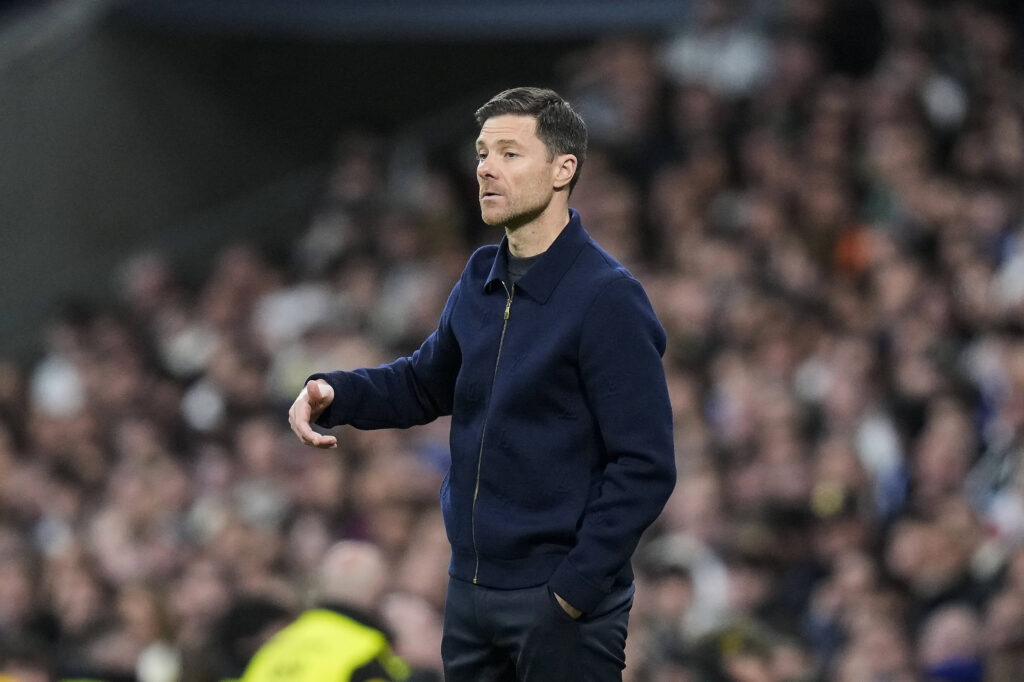
Xabi Alonso’s comments offer the clearest indication yet of how he envisions Chelsea’s attack evolving.
Xabi ALonso has not simply signed Morgan Rogers to add depth; his remarks suggest the former Aston Villa forward is expected to become an integral part of the team’s attacking structure alongside Cole Palmer. If Alonso succeeds in building an effective partnership between two of England’s brightest creative talents, Chelsea could possess one of the Premier League’s most unpredictable and technically gifted attacking units next season.
The most intriguing aspect of the potential partnership is that Rogers and Palmer naturally occupy similar areas of the pitch, yet they arrive there in completely different ways. Palmer is a possession-oriented creator who thrives between the lines, while Rogers is a progressive ball carrier capable of turning defensive situations into attacking transitions within seconds. Rather than occupying the same spaces, they could end up complementing each other’s strengths.
Last season, Palmer was Chelsea’s primary creative outlet regardless of his starting position. Whether operating as the right-sided attacking midfielder, a central No.10 or drifting inside from the flank, he consistently found pockets between opposition midfield and defensive lines. His intelligence without the ball remains one of his greatest assets. The former Manchester City whizkid rarely stays fixed in one zone, instead moving laterally across the width of the pitch to receive where pressure is weakest.
Positioning data illustrates this perfectly. Palmer’s average touch map regularly showed heavy involvement in the right half-space, but he also recorded significant touches centrally around the edge of the penalty area. His heat map resembled that of a free-roaming playmaker rather than a conventional winger, allowing him to dictate attacks while still arriving inside the box to score.
Morgan Rogers, meanwhile, offers an entirely different profile. Although frequently listed as a left winger, his heat maps throughout his Aston Villa spell demonstrated that he is far more than an orthodox wide player. He constantly drifted inside into the left half-space before driving directly at central defenders. Many of his carries originated just inside his own half before progressing 30 or 40 yards into dangerous territory.
That distinction could become fundamental under Alonso
Rather than asking Rogers to hug the touchline, Chelsea are likely to utilise him as an inside forward who begins from the left before attacking central channels. Palmer would then occupy the opposite half-space, drifting inside from the right or operating as the central attacking midfielder depending on the tactical setup.
The result would be two creators attacking different corridors of the pitch.
A likely shape would resemble a 4-2-3-1 in possession, with Palmer occupying the No.10 space and Rogers starting from the left before moving inside. However, Alonso’s history suggests Chelsea may morph into a 3-2-5 during sustained attacks.
In that structure, the full-backs provide width while Morgan Rogers and Cole Palmer become the two attacking midfielders behind the striker. Rogers would attack the left half-space, Palmer the right, creating constant overloads against opposition central midfielders.
The tactical benefits are significant
Palmer is among Europe’s best players at receiving between the lines before threading passes into runners. Rogers is one of England’s most effective progressive carriers, ranking among the Premier League’s elite for carries into the final third and progressive carries last season. Rather than relying solely on passing combinations to break defensive blocks, Chelsea would suddenly possess two entirely different methods of progression.
Against deep defensive units, Palmer’s close control and vision become invaluable. He excels at manipulating defenders with subtle body feints before slipping through balls behind the back line. Against teams that press aggressively, Rogers provides the perfect solution.
Few Premier League attackers cover ground with the same combination of power and technical security. Once he beats the first defender, opposition midfields are forced to collapse centrally, creating additional passing lanes for Palmer to exploit. That relationship could become self-reinforcing.
If defenders step out aggressively to stop Palmer receiving between the lines, Rogers gains additional room to drive forward. If they instead double up against the latter’s carries, Palmer receives more freedom in dangerous central pockets.
Chelsea have often relied heavily on Palmer to produce moments of inspiration over the past two seasons. Rogers should reduce that burden considerably. The statistical profiles underline just how complementary they could become.
Palmer consistently ranks among the Premier League leaders for chances created, expected assists, key passes and through balls. His final-third passing volume is exceptional, while his composure inside the penalty area allows him to contribute heavily as both scorer and creator.
Rogers, meanwhile, ranks far higher for progressive carries, successful take-ons, carries into the penalty area and distance advanced with the ball. He also generates shots after individual dribbles at an elite rate, forcing defenders into difficult one-versus-one situations that few Chelsea attackers have consistently created.
Perhaps most importantly, both players possess outstanding physical durability. Neither relies purely on explosive pace. Instead, both manipulate defenders through timing, balance and decision-making, traits that generally translate consistently across tactical systems. Alonso’s emphasis on positional play also suits both players perfectly.
The Alonso principle
During his coaching career, Alonso has consistently demanded that attacking midfielders occupy interior channels rather than remaining fixed on the touchline. His Bayer Leverkusen side repeatedly created numerical superiority in central zones before releasing wing-backs into advanced positions. Chelsea could replicate similar principles.
Palmer and Rogers would frequently rotate positions, making it difficult for opposition midfielders to track them. Rogers could occasionally drift centrally while Palmer moves wider to receive before cutting inside onto his stronger left foot.
Those rotations become particularly dangerous because both players are equally comfortable creating or finishing. Palmer’s finishing from the edge of the area has become one of his defining strengths, while Rogers continues to improve his composure inside the penalty box after arriving from deeper positions. Without possession, Rogers may also solve one of Chelsea’s recurring problems.
His work rate at Aston Villa often went unnoticed, which ultimately made him a hot property in the market. However, he consistently ranked highly for pressures in advanced areas. Alonso has repeatedly stressed the importance of winning the ball back quickly after losing possession, and Rogers possesses the athleticism to press full-backs and central defenders aggressively.
Palmer, meanwhile, has steadily improved his defensive contribution. While never a relentless presser early in his career, he has developed greater tactical discipline, allowing him to lead Chelsea’s first line of pressure more effectively.
Together, they could help Chelsea become far more aggressive immediately after turnovers while remaining technically secure once possession is regained. Ultimately, Alonso’s comments suggest Chelsea are building around complementary skill sets rather than simply accumulating talented individuals.
Palmer remains the team’s chief conductor, orchestrating attacks through vision, intelligence and precision. Rogers introduces a completely different threat, carrying the ball through pressure, disrupting defensive structures and creating chaos in transition.
If Alonso successfully positions Palmer as the creative organiser and Rogers as the vertical accelerator, Chelsea’s attack should become considerably less predictable. Opponents will no longer be able to focus solely on denying Palmer space between the lines because Rogers can dismantle defensive blocks through sheer ball progression.
It is that combination of creativity, dynamism and positional flexibility that could transform Chelsea into one of the Premier League’s most tactically versatile attacking teams next season.