
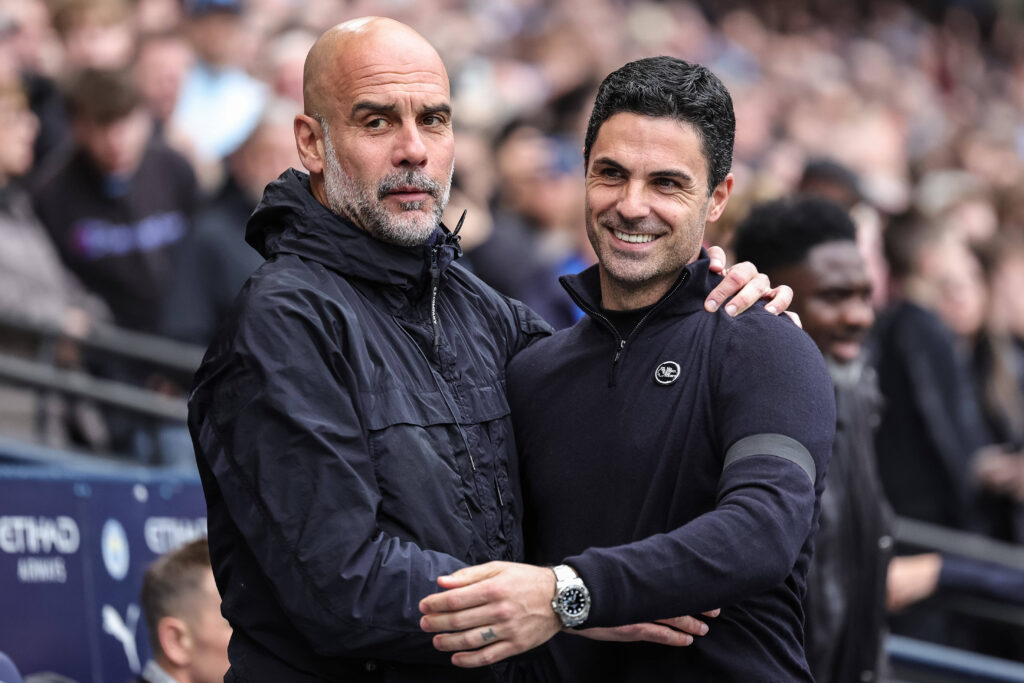
Football’s managerial landscape is changing fast, with clubs favouring younger tactical thinkers while celebrated veterans increasingly turn towards international football.
The modern football manager is no longer always the all-powerful figure who picks the team, signs the players and sets the emotional temperature of an entire club. Ahead of the 2026/27 season, the Premier League offers a clear picture of a changing game: younger, tactically focused head coaches are becoming the preferred choice. Meanwhile, some of the sport’s most decorated figures have moved towards international football or away from the daily demands of club management.
Pep Guardiola’s departure from Manchester City after a decade and 17 major trophies removes one of the defining club managers of the age from the English game. Newcastle United’s appointment of 38-year-old Matthias Jaissle, meanwhile, is another signal of a league increasingly prepared to entrust major projects to coaches whose reputations have been built through methods rather than medals.
A changing type of authority
For much of modern football history, elite clubs were drawn towards managers who arrived with a past. They had won league titles, survived major dressing rooms and carried enough personality to fill the room before a ball had been kicked. Sir Alex Ferguson, Arsene Wenger, Jose Mourinho, and Carlo Ancelotti represented more than tactical systems; they were institutions in their own right.
That model has not vanished, but it is no longer the default. Mikel Arteta, in his first senior managerial role, has become the Premier League’s longest-serving current coach. David Moyes remains the division’s great outlier in terms of experience, yet the leading end of the table increasingly belongs to a different generation: coaches shaped by video analysis, structured training and detailed positional ideas.
The change is not simply about age. It is about the type of authority clubs want. The manager of old was often hired to impose an identity upon an uncertain institution. The head coach of today is more likely to be hired as the most important part of a wider system that already has an identity, a recruitment plan and a long-term model.
Guardiola’s exit makes the point sharply. His time at City was not merely successful; it gave the Premier League one of its great tactical reference points. Reports at the end of last season said Enzo Maresca, himself part of the Guardiola coaching tree, was being lined up as his replacement. That potential succession would be revealing: not a search for another footballing emperor, but for someone capable of continuing a recognisable idea.
The pull of international football
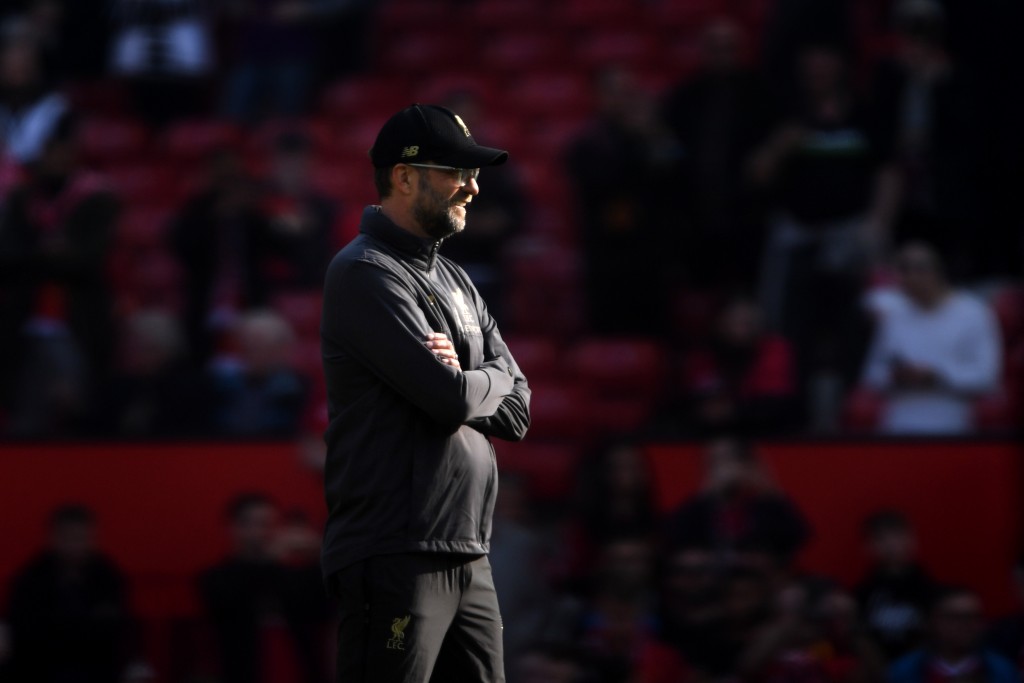
The decorated names have not disappeared from the sport. Instead, several have gravitated towards international management, where the rhythm, pressure and purpose are different.
Carlo Ancelotti is in charge of Brazil, Thomas Tuchel leads England, and Mauricio Pochettino is with the United States. Jurgen Klopp’s return with Germany adds further weight to the impression that international football has become a serious destination for coaches who might once have been expected to jump straight into the next elite club vacancy.
There are practical reasons for this. International managers have less day-to-day contact with players, fewer weekly press conferences and no need to oversee a transfer window every few months. The calendar is still demanding, especially before a major tournament, but it does not carry the relentless cycle of three games a week, tactical adjustments and instant judgement that defines club football.
For a manager with nothing left to prove domestically, the national-team route can offer a fresh challenge without the constant grind. It also gives them a chance to work with a group of players who arrive already formed, rather than spending every week building habits from scratch.
Roberto Martinez has spent much of the last decade in international management after his rise through English club football. Lionel Scaloni, meanwhile, has had no urgent need to turn Argentina’s success into a club job. Their choices underline an important truth: elite management no longer follows one straight ladder from club football’s lower levels to its grandest benches.
Yet this shift also leaves club football with a thinner field of universally decorated managers. When Ancelotti, Klopp, Tuchel, and others are outside the club market, ambitious owners are compelled to look elsewhere. Increasingly, they are looking towards coaches with strong ideas, modern training methods and a clear tactical language.
The head coach, not the ruler
Jaissle’s arrival at Newcastle is especially useful in understanding the new landscape. He joined the club following Eddie Howe’s departure, with Newcastle confirming him as head coach ahead of the new campaign. To many English supporters, he is less familiar than the managers traditionally linked with a club of Newcastle’s size. That is exactly why the appointment matters.
The decision suggests that reputation is now being measured differently. Clubs are more willing to ask: can this coach improve players, organise a pressing structure, develop young talent and work within the club’s recruitment plan? Those questions can matter more than whether he has spent 15 years managing famous teams.
Andoni Iraola, Xabi Alonso, Enzo Maresca, Michael Carrick, and Jaissle reflect different versions of the same broader movement. Some were exceptional players, some developed through coaching systems, and some rose through leagues that had previously been treated as distant from English football. What joins them is not a shared formation but a shared expectation: they must be teachers as much as leaders.
This is where the word “head coach” becomes meaningful. At many clubs, recruitment teams identify targets through data, scouting and financial planning. Sports scientists control physical loads. Nutritionists set standards away from the training pitch. Analysts prepare detailed opposition reports. Academy staff shape the next generation. The manager remains central, but he is no longer expected to be the sole author of success.
That does not mean the job is easier. In some ways it is harsher. A coach may have less control over who is signed, yet still be blamed when the new signing does not perform. He may inherit a club structure designed to support him, but the league table will still be used to judge him. Football has redistributed responsibility behind the scenes without redistributing much of the public accountability.
When the big beasts leave

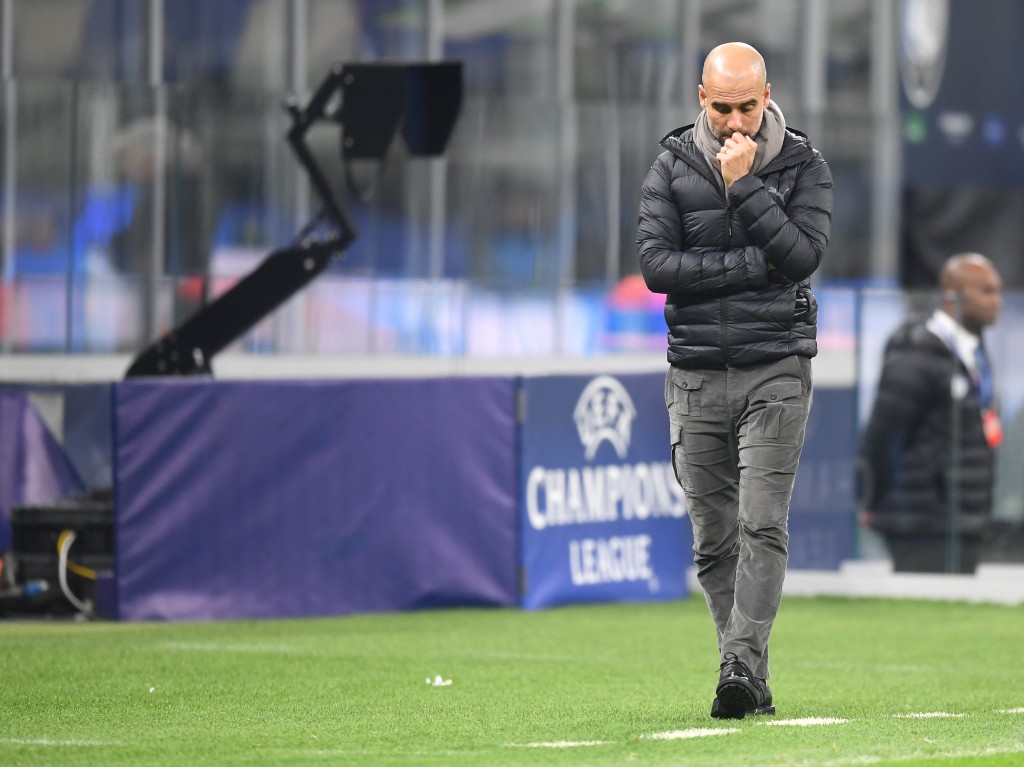
The departure of the old-school giant changes the emotional character of competition as well as the tactical one. The great managerial rivalries used to provide a running storyline through an entire season. Ferguson and Wenger, Mourinho and Guardiola, Benitez and Ferguson: their disagreements became part of the theatre, sometimes useful and sometimes excessive, but always recognisable.
Today’s coaches are generally more guarded. They speak about processes, game states, recoveries and fine margins. Their interviews often resemble extensions of the analysis room rather than invitations to a verbal fight. That can make the sport calmer, but it can also make it feel less dramatic.
There is a reason for that restraint. A young coach entering an elite league has little incentive to create enemies. He needs time, internal trust and a clear relationship with the sporting department. Public conflict can damage all three. The modern manager is therefore encouraged to be precise, controlled and collaborative.
The loss, if there is one, is not tactical. Football is arguably more sophisticated than ever. The loss is in personality. The towering manager once gave supporters a simple human symbol for the hopes and frustrations of a club. Now the work is spread across a wider machine. That machine may be smarter, but it is harder to romanticise.
The modern manager’s task
The modern manager must first be a translator. He has to take a club’s strategy and turn it into clear habits for players. He must turn recruitment profiles into functioning partnerships, performance data into manageable training sessions and complex tactical ideas into instructions that can be understood in seconds under pressure.
He must also be flexible. A rigid coach can impress for a season; a successful one must adapt when opponents learn his patterns, players leave, and injuries disrupt the plan. The best young managers do not merely carry a fashionable style. They understand why it works, when it does not and what must change.
Communication is equally important. Players now arrive from different football cultures, while clubs are watched constantly through social media, television and supporter channels. A manager has to communicate with a teenager, a senior international, a sporting director and an impatient fanbase, often on the same day.
The position remains deeply human despite football’s obsession with data. A player does not recover confidence because a spreadsheet says he should. A group does not fight through a difficult run purely because its running metrics improve. The modern coach may have more information than any predecessor, but he still needs judgement, empathy and the courage to make unpopular calls.
The future of the dugout
The next phase of club football will not be managerless; it will be less dependent on managerial mythology. Guardiola’s departure after a trophy-filled decade marks the end of one of the Premier League’s most influential coaching eras, while his decision to reject Italy’s job also shows that even the most sought-after figures can choose distance from the daily intensity of management. In his place comes a generation for whom the head-coach title is not a downgrade but a description of how the game now works.
Clubs will continue to hire famous names when the moment demands it. Experience, authority and a winning record still carry enormous value, particularly when a dressing room needs stabilising or a major trophy is within reach. But the wider direction is clear. Owners want coaches who fit the project, work comfortably with specialists and improve players within a defined playing model.
That can make football more coherent, even if it makes the dugout less theatrical. The next great manager may not arrive with a cabinet full of trophies or a long history of headline-making rivalries. He may arrive with a laptop, a detailed training plan and the ability to make an entire club structure work in the same direction.