
Real Madrid have improved their squad, but the real question is whether these changes are enough to turn a clever rebuild into a title-winning one.
Real Madrid’s summer has given them more balance, but not necessarily enough to end a two-season trophy drought on its own. The business looks smart on paper, and the club’s wider transfer model has once again paid off handsomely, but the biggest structural problems in the squad still remain unresolved ahead of a title fight with Barcelona.
A summer built on balance
What stands out first is not just what Real Madrid have bought, but how they have funded it. Their academy stars have again produced high income, with the club benefiting from moves involving Nico Paz, Víctor Munoz, Alvaro Rodriguez, Alex Jimenez, Fran Garcia and Mario Gila, taking the total incoming value from those deals to well over €120 million.
That matters because it gives the Merengues flexibility. Even after signing Marc Cucurella, Denzel Dumfries, Ibrahima Konate and Bernardo Silva, they still appear to have a positive net position this summer and reportedly retain around €170 million for further business if required. On a financial level, this is a strong window.
What the Real Madrid signings add
On the pitch, the four arrivals clearly improve the squad. Cucurella is an upgrade at left-back in defensive terms and gives Real Madrid a dependable option alongside Alvaro Carreras, while Denzel Dumfries brings direct running, power and a more reliable presence at right-back than the club have had in recent seasons.

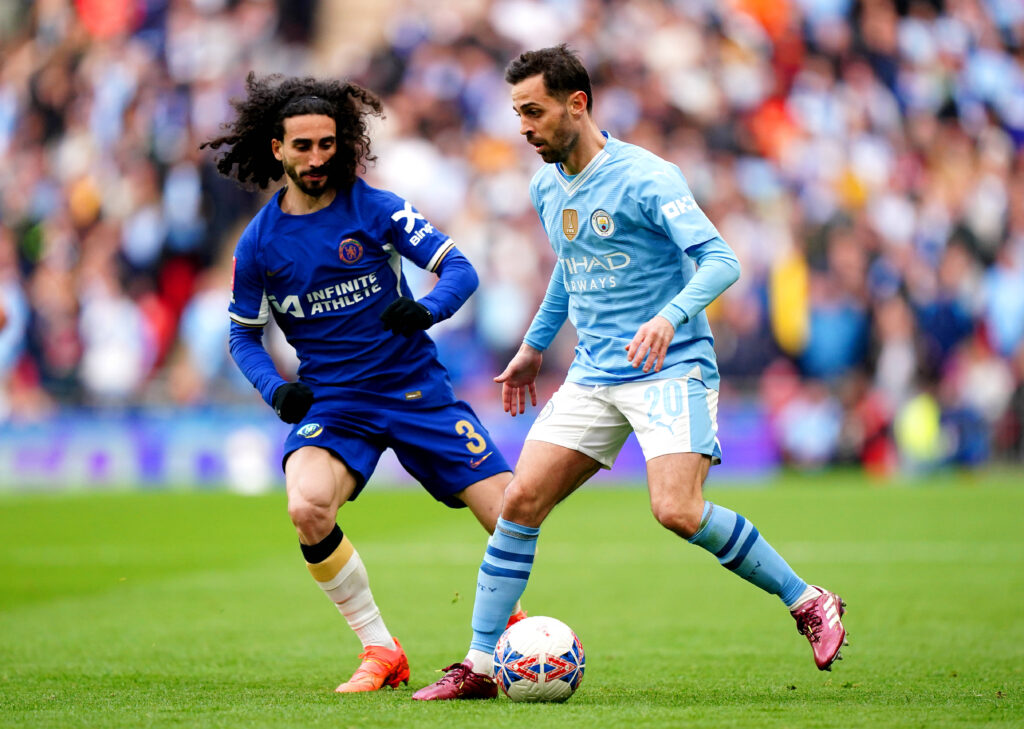
Konate is perhaps the most useful addition in pure squad terms because Real Madrid’s centre-back options have been battered by injuries, especially in the case of Eder Militao. Bernardo Silva, meanwhile, adds craft, experience and tactical intelligence, but he feels more like a high-level rotation piece than a man who changes the whole attack. In other words, these are good signings, but not transformational ones.
The real gaps
That is where the debate begins. Real Madrid have strengthened several weak spots, yet their most important issue still looks untouched: control in midfield. They need a proper number six, someone who can slow the game down, dictate the tempo and protect the defence when matches become chaotic.
Rodri would be close to ideal in that role if the opportunity genuinely exists, because he combines elite ball-winning with calm distribution and leadership. Even if that move proves unrealistic, the need for a midfielder of that profile is obvious. Without it, Real Madrid may continue to look sharp in flashes but vulnerable over a long league season.
Defence still needs more quality
There is also a case for one more centre-back. Konate improves depth, but Real Madrid would still benefit from a left-footed defender who can help build from the back and eventually take over from Antonio Rudiger in the long term. That is why names such as Alessandro Bastoni or Riccardo Calafiori make sense in sporting terms.
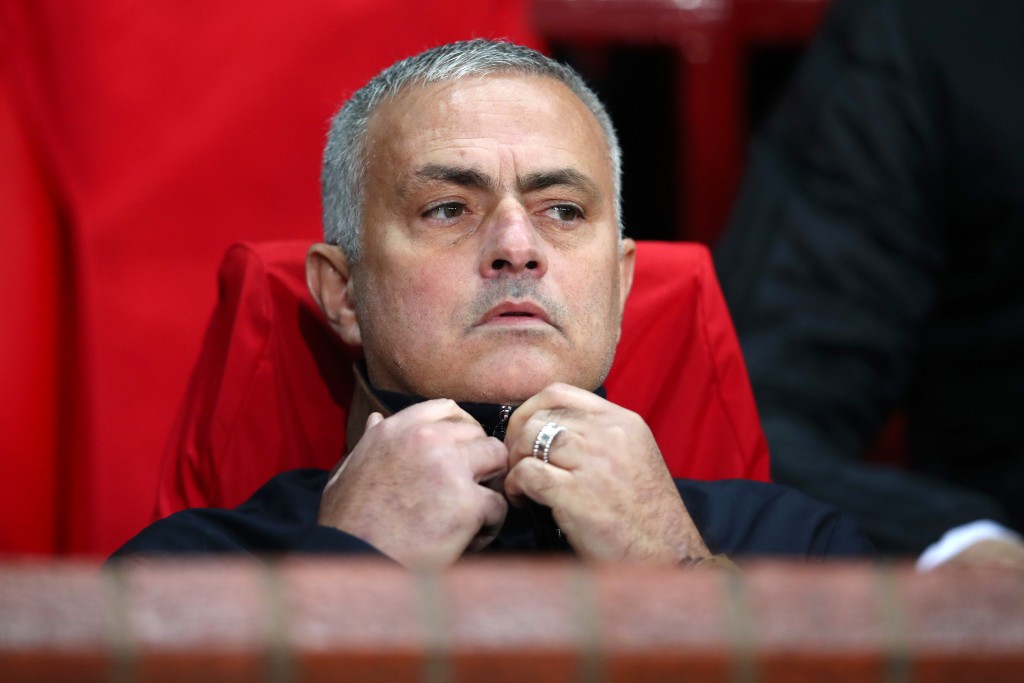
The Bastoni links also fit the current market mood, with reports suggesting Jose Mourinho wants another defensive reinforcement and has kept a close eye on the Inter Milan defender. Even so, this looks like a difficult deal, and the price would almost certainly be high if it moved beyond speculation. Los Blancos may admire the player, but admiration and agreement are very different things.
Attack: Enough but not elite

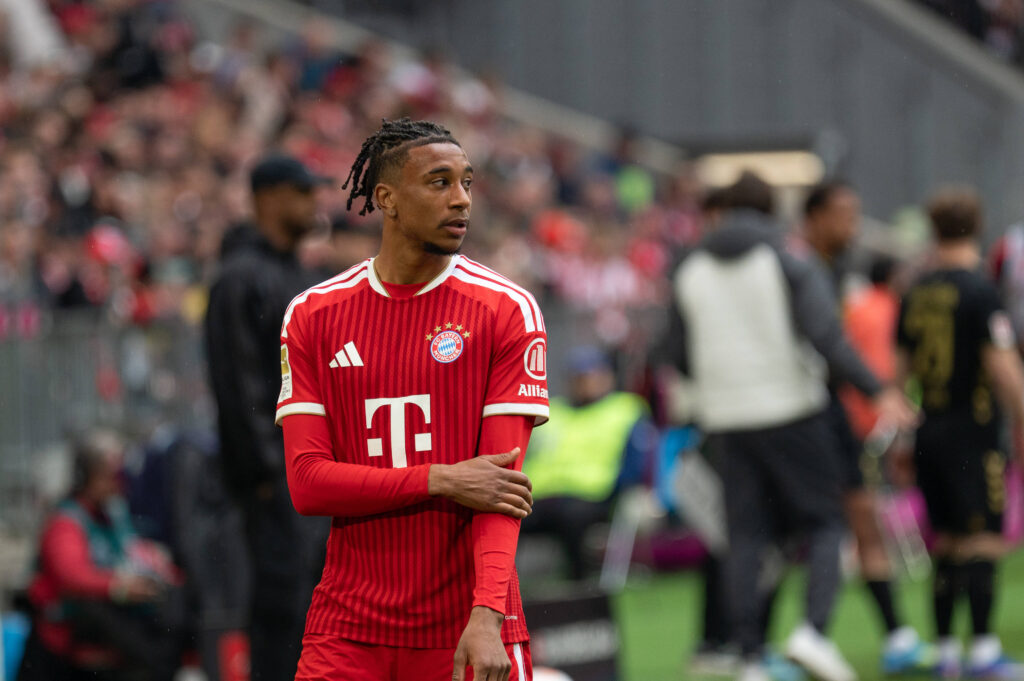
There is a similar story on the right wing. Bernardo Silva can help, and Brahim Diaz remains useful, but neither really settles the question of whether Madrid possesses a true world-class wide threat on that side. Michael Olise would be a very attractive fit, though Bayern Munich’s reluctance to sell makes such a move complicated.
That does not mean the squad is weak. Far from it. It means the club have made sensible improvements without fully solving the core problem that has hurt them in the biggest moments: controlling matches from midfield and sustaining dominance over a full campaign.
Title race verdict
So, will this summer’s business be enough to end the drought and usurp Barcelona? It could help, but it probably does not change the overall picture by itself. Real Madrid are stronger, deeper and better prepared than they were before, yet their title hopes still depend on whether they add one elite midfielder and, ideally, one more defender.
In that sense, this looks less like a finished rebuild and more like a very good first step. The Merengues have done the hard part of staying financially agile and improving the squad’s floor. What they have not done yet is raise the ceiling enough to make the season feel truly complete.