
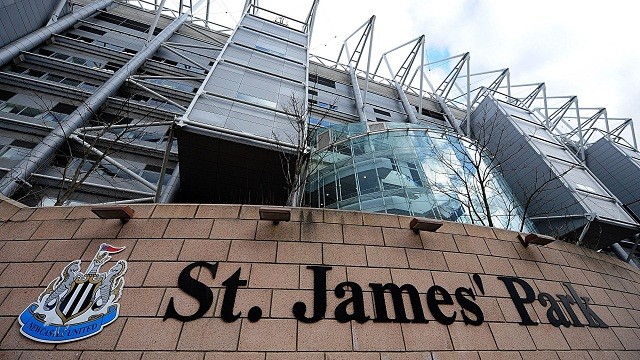
Newcastle United vs Everton at St. James’ Park on Monday will be a second meeting in four days between two teams eager to secure three points and return to the top half of the Premier League table.
Everton’s 3-1 win over Newcastle United in the EFL Cup tie at Hill Dickinson Stadium earlier this week has turned Monday’s meeting into a test of response rather than a simple rematch. Newcastle had 28 shots, nine on target and most of the territorial initiative. Yet, the Toffees scored through James Garner, Hayden Hackney, and Thierno Barry before Dan Burn’s late consolation.
The Premier League meeting at St. James’ Park therefore asks whether Newcastle can make pressure count, or whether Everton can repeat the more efficient version of the contest. The result matters to both clubs without becoming decisive this early in the campaign.
The hosts are 12th with 11 points, and victory would keep the European places within reach while defeat would deepen the pressure around Matthias Jaissle. Everton, on the other hand, are 14th on 10 points; a win would strengthen their upward ambitions, but another league defeat would leave their safety and broader targets less comfortable. Neither side has the luxury of treating the game as a cup afterthought.
Newcastle’s last Premier League match ended in a 2-0 win over Crystal Palace. So, the immediate value of this fixture is confirmation. They need to carry that result into a response after the cup setback. Their recent three-match attacking output has been respectable, but the team has also conceded more than Jaissle would want across that same run.
The Magpies should therefore try to impose itself without allowing the desire to repair Thursday’s damage to turn the game into an uncontrolled chase. Meanwhile, Everton arrive with the emotional lift of securing a quarter-final place in the EFL Cup and a settled managerial hand under David Moyes. However, their league form has slipped to two successive 2-0 defeats.
The Toffees have scored only two goals across their last five league matches, which makes another efficient counterpunch especially valuable. Moyes’s side can accept a draw more readily than Newcastle can, and their recent use of the same basic shape should help them keep the match contained rather than allow the cup result to dictate the evening.
Team News: The choices behind two familiar shapes
Newcastle United’s absent players affect both depth and balance. Dan Burn is out with a thigh injury, while Tino Livramento is out with a knee injury; William Osula is doubtful after twisting an ankle. The starting defence therefore has to carry the responsibility of protecting a structure that already needs to push numbers forward, while Osula’s doubt reduces another attacking option if Newcastle need to change the game late.
Lukas Hornicek should keep goal behind Amar Dedic, Malick Thiaw, Sven Botman and Lewis Hall. Hall has started all eight of his appearances and has supplied 10 key passes, a significant contribution from the left-back position. Botman brings a more recent defensive argument, having started seven times and scored once, while Dedic’s two assists in six appearances give Newcastle some progression from the right even though his attacking output has been limited. Hall’s role is particularly important because he must support the left side without leaving the back line exposed.
Joelinton and Nico González are expected to form the double pivot, with Jacob Murphy, Joe Willock and Harvey Barnes behind Yoane Wissa. Willock’s 4 key passes and two goals in eight appearances underline why Newcastle need him connecting the midfield to the striker rather than drifting out of the game. Barnes has added two goals and two assists from eight starts, while Wissa has contributed one goal and one assist in seven starts. The 4-2-3-1 is Newcastle’s clear recent habit, and it should retain two midfielders behind the attacking three rather than sacrifice cover for an extra forward.
Everton have their own selection issue on the left side of central defence. Jack Grealish is suspended after a disciplinary breach, while Jarrad Branthwaite remains doubtful after concussion protocol but is expected to be available for Monday. If Branthwaite is cleared, he should start beside James Tarkowski; otherwise that position becomes the main late change to an otherwise settled side. Everton’s defensive plan depends on keeping its two centre-backs and double pivot connected when Newcastle attack through the middle.
Jordan Pickford is expected to continue behind Ainsley Maitland-Niles, Tarkowski, Branthwaite and Vitaliy Mykolenko. Tarkowski has started all eight of his appearances and carries a 7.40 average rating, the best mark in this Everton squad. Maitland-Niles has added a goal and an assist in five appearances, while Mykolenko’s seven starts make him the more established choice on the opposite side. James Garner and Harrison Armstrong should hold midfield, with Brennan Johnson, Kiernan Dewsbury-Hall and Tyrique George supporting Thierno Barry. Dewsbury-Hall has 18 key passes and six big chances created, so his advanced position is not decorative: Everton need him to connect their first pass forward to Barry and the wide players. Barry has scored three times and registered 12 shots on target from 27 attempts, making him the clearest reference point when Everton decide to go early.
Tactics: The central link and the space behind Newcastle
Both teams should use a 4-2-3-1, but they will ask different questions of it. Newcastle’s double pivot is designed to support an assertive home approach while keeping enough protection behind Willock, Barnes and Murphy. Everton’s version keeps the same two central midfield roles but gives Dewsbury-Hall freedom to operate between the lines without requiring a second striker. That continuity matters because the visitors want to compete for the result while still being able to protect a draw.
The measured comparison points to a close contest for the ball rather than Newcastle automatically controlling it. Newcastle have had 49% ball dominance against a league typical 49.5%, while Everton have had 43.5% against that same 49.5% figure. Newcastle are therefore near the league norm, whereas Everton are more comfortable conceding possession. The home side’s 15 crosses per match sit just below the league’s 16 average, while Everton’s 18 are above it, giving the visitors the clearer habit of moving attacks wide and delivering into the area. Both sides use long balls at almost the league’s normal rate, with Newcastle at 50 per match and Everton at 49.5 against a typical 49.75.
That creates a tension for Newcastle. Their shape says they should carry the game to Everton, but their possession habit does not guarantee sustained control. If the home side circulate without turning territory into clean chances, Everton can remain compact, wait for the right forward pass and send service towards Barry or the wide attackers. Newcastle’s recent defensive record makes that route credible: their last three-match aggregate is 1.76 expected goals conceded per game against 1.56 created. Everton’s corresponding attacking figure is only 0.95, but their ability to stay in the match means Newcastle cannot assume that territorial pressure will become a comfortable lead.
The most important contest is Joe Willock against Kiernan Dewsbury-Hall. Willock has to connect Newcastle’s attacking three with Wissa while preventing Dewsbury-Hall from turning and linking Everton’s midfield to Barry. Both are steady presences rather than players likely to abandon the structure in search of a personal duel, so the issue is which side keeps its central platform intact. If Willock controls that link, Newcastle can continue pressing the game without making it an open exchange, and Everton will be pushed towards the more conservative version of their plan. If Dewsbury-Hall gets free, Newcastle lose central control and Everton can protect the draw while still threatening forward.
Behind that duel, Newcastle’s double pivot has to deal with the space left by the attacking midfielders. Behind Dewsbury-Hall, Garner and Armstrong can preserve the visitors’ cover; behind Willock, González and Joelinton must stop the away midfielder from receiving on the turn. The secondary battle is on Newcastle’s right, where Dedic has to protect the channel against George while still offering an outlet. If Dedic holds it, Newcastle can keep their attacking balance. If George wins that lane, Everton can make Newcastle’s shape retreat and manage the game from a safer position.
Prediction: The draw remains the safe option
We predict a draw, held with medium confidence rather than certainty. Newcastle United have the stronger reason to push at home, but Everton’s ability to absorb pressure and attack the space behind that push makes a home win difficult to trust. The recent attacking figures do not create a decisive separation.
Newcastle have averaged 1.56 xG per match across their latest three-game run in the Premier League, while Everton have averaged 0.95. That advantage belongs to the hosts, but it is narrowed by their defensive number and by Everton’s ability to make the match uncomfortable. The Magpies have also averaged 1.76 xGA in that period, compared with the away side’s 1.61.
Lean: Draw
Range: 1-1/1-0/0-1
The numbers describe a game in which Matthias Jaissle’s team may create more. Yet, neither defence has offered the reliability needed to make a narrow lead feel secure. The strongest case against the draw is Newcastle’s ability to turn their response into sustained pressure early.
If Joe Willock receives between Everton’s midfield and defence, Harvey Barnes and Jacob Murphy can pin the full-backs back, and Yoane Wissa may receive the chances Newcastle failed to finish in the cup. That would force the Toffees to defend deeper than intended and could turn the visitors’ controlled plan into survival. The scoreline band is 1-1, 1-0 or 0-1.
The final selection could change Everton’s resistance
The late decision over the left-sided centre-back remains the selection call with the clearest power to alter the match. If Everton retain their expected defensive pairing, their two central lines should stay compact enough to make Newcastle United work through the middle.
A change there would ask the visitors to defend the same pressure with less established continuity, increasing the importance of how quickly the home side move the ball into the spaces around the attacking midfielder.