The Hard Tackle discusses the three major talking points from Day 16 of the 2026 FIFA World Cup, which produced a lot of goals and added more glint to a Cinderella story.
Day 16 of the 2026 FIFA World Cup was one of those group-stage days that neatly separated the ruthless from the merely brave. France, Spain, and Belgium all did what was necessary to finish top of their sections, Cape Verde continued their astonishing march with a goalless draw that felt bigger than the scoreline, and the scramble for the best third-placed spots kept Senegal and Iran alive in the most nerve-shredding way possible.
France’s meeting with Norway was far more competitive than the final scoreline suggested, even if the result ultimately belonged to the stronger side. Ousmane Dembele’s hat-trick sent Les Bleus on their way to a 4-1 victory, with France actually finishing with a lower xG than Norway, 1.31 to 1.69, because of a missed spot-kick, which says plenty about how strange and open the game became. Norway had their moments and even asked real questions, but France’s difference in quality in the decisive areas was obvious.
Senegal against Iraq was more functional than flashy. However, for a side under pressure, functionality sufficed. The Lions of Terranga took no time to secure territorial grip and superior cutting edge. Iraq had to chase for long stretches, but Senegal controlled the game well enough to protect a result that mattered more for the table than for aesthetics.
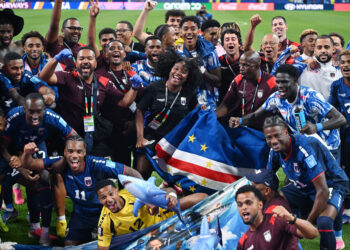
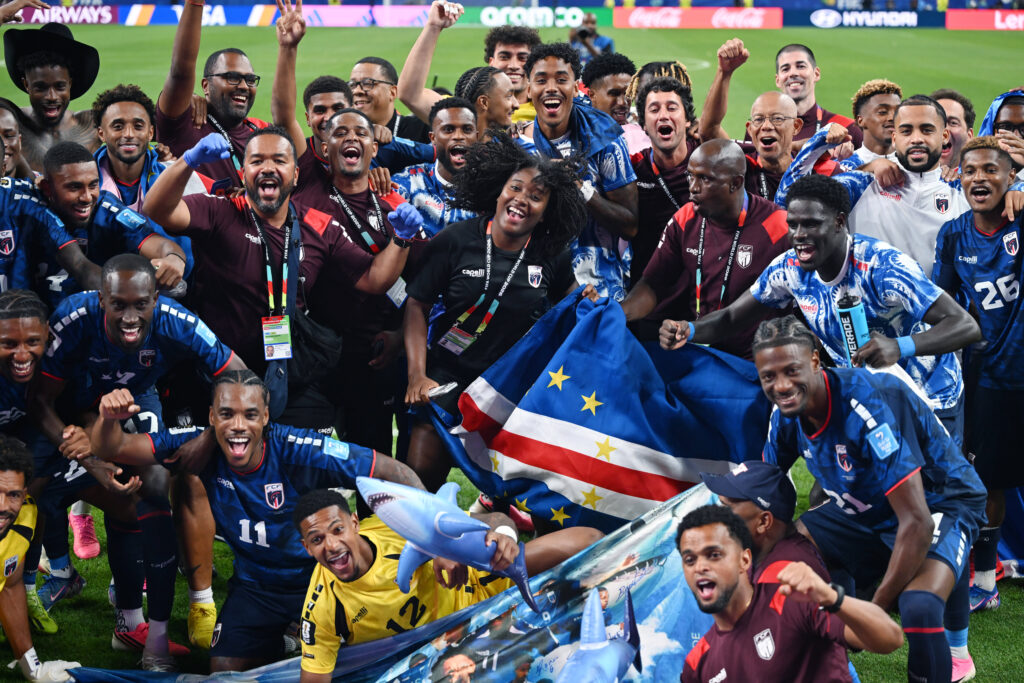
Meanwhile, Cape Verde and Saudi Arabia produced the sort of match that can look dull in a highlights package yet feel enormous in tournament terms. The match ended 0-0, but Cape Verde posted 1.52 xG against Saudi Arabia’s 0.40, which underlines that they were not merely hanging on; they were the more ambitious and more dangerous team. That draw was enough to send the Blue Sharks into the knockout rounds as Group H runners-up, a stunning achievement for a team that arrived in the competition with very low external expectations.
Uruguay’s 1-0 defeat to Spain was the day’s most significant result. La Roja’s victory secured top spot in Group H, while Uruguay crashed out, and the result came against a backdrop of obvious unease around Marcelo Bielsa’s camp. La Celeste did not find the required control or penetration when it mattered, and the end result was a campaign that ended without a win, a collapse that feels especially severe for a side with such a strong World Cup history.
Belgium’s 5-1 win over New Zealand finally had the air of a team releasing the handbrake. It was a quintessential one-sided contest, with Rudi Garcia’s men dominating the scoreboard and the general rhythm of the game from early on. It was the sort of emphatic finish that their group campaign had been waiting for, and it ensured they joined France and Spain in avoiding any further complications at the summit of their section.
Finally, Egypt and Iran played out a match that had much more on the line than the scoreline might suggest at first glance. However, Team Melli suffered late heartbreak, as they had a goal ruled out upon a recheck. Victory would have sealed Iran’s progress, but they now need to depend on the bigger third-place picture, and that is exactly where the tension now lies.
Cape Verde’s World Cup rise and Uruguay’s fall
Cape Verde’s draw with Saudi Arabia did not just confirm qualification to the round of the 32 of the 2026 FIFA World Cup; it confirmed identity. This was a team that refused to be intimidated by reputation, refused to panic without the ball, and refused to play like debutants in a competition designed to expose weak shoulders.
The numbers help explain why. They generated more xG than Saudi Arabia and kept a clean sheet, a combination that usually belongs to established World Cup sides rather than first-timers. That is what makes their story so compelling.
The Blue Sharks have not progressed by accident, and they have not relied on one miraculous afternoon either. They have drawn with bigger names, stayed organised, and carried enough attacking threat to avoid being reduced to permanent damage limitation, which is why their next task against Argentina will be daunting without being hopeless.
Meanwhile, Uruguay’s exit is a serious reminder that pedigree does not win matches on its own. The group was there to be taken, yet Marcelo Bielsa’s team never found a stable rhythm and finished without a victory, a brutal outcome for a nation that usually treats the group stage as the first step rather than the final stop. The reporting around the camp suggested tension and discontent before the Spain match, and that unease seems to have seeped into the football itself.
What stings most is the scale of the disappointment. La Celeste had bundles of talent to expect better, and Bielsa himself admitted responsibility after the defeat, which only underlined how badly the campaign had gone. In a competition where the expanded format is supposed to offer the traditional heavyweights extra breathing room, this was an exit that felt inexcusable by their own standards.
Giants deliver
There was no great drama at the top for France, Belgium or Spain, and that is exactly what made their day valuable. France’s win over Norway showed they can survive a match that tilts towards chaos and still come out with authority, while Belgium’s heavy victory against New Zealand was the sort of response a team needs when the tournament starts asking awkward questions. Spain were less convincing, but their 1-0 win over Uruguay sufficed, and in a group-stage setting that is often all that matters.
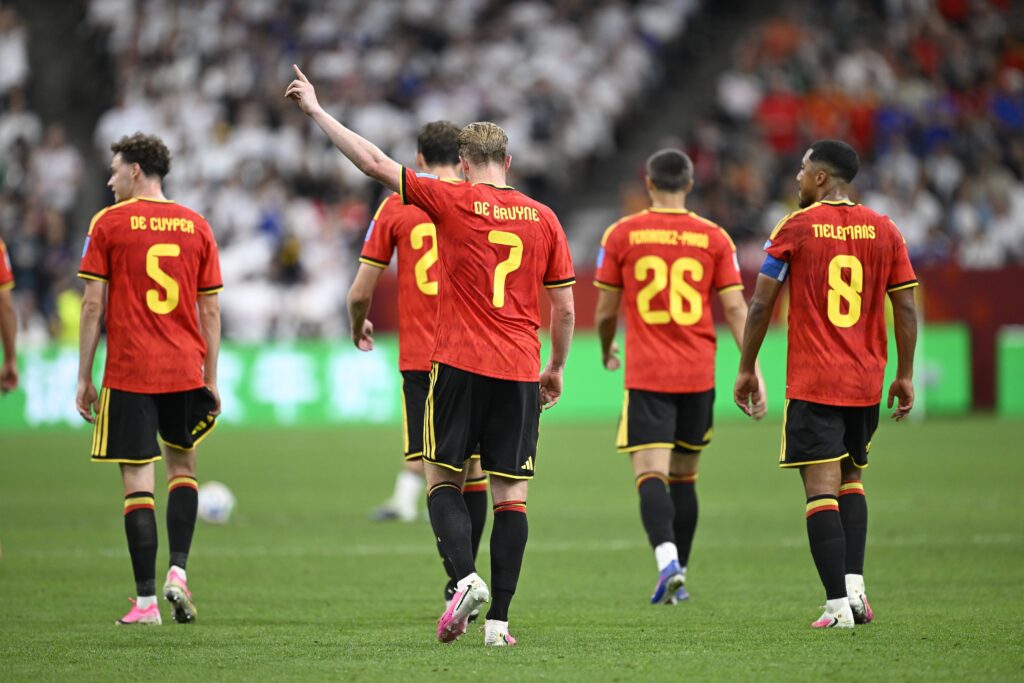
The common theme is control. Each of these sides had periods where they could have been dragged into something messier, yet each eventually imposed the hierarchy that should exist on paper. Les Bleus looked the most naturally powerful of the trio, while the Red devils finally looked clinical, and Spain looked like a team that knows exactly how much energy to spend before the knockout rounds begin.
Third-place race intensifies further
The race for the best third-placed teams is now becoming a tournament within the tournament. Senegal’s win has pushed them into a strong position in the mini-table, and the broader picture suggests they are effectively through unless there is a dramatic late swing in results elsewhere. They have done the important thing by banking points, staying competitive, and giving themselves protection against the random chaos that often decides these calculations.
Iran, by contrast, will be stuck watching and waiting. Their place in the third-place ranking remains precarious, with several teams still capable of overtaking them depending on the final round of group matches. That is the cruel part of this part of the competition. Even when a side has done what is necessary to keep itself alive, it may spend the last day praying for favours rather than controlling its own fate.
Day 16 was therefore a clean illustration of tournament football’s two truths. Good teams usually find a way, but the margins below the elite are thin enough to turn survival into suspense. Cape Verde have embraced the occasion, Uruguay have been swallowed by it, and Senegal and Iran now wait for the table to decide what their football alone could not.
Three key takeaways from Day 16 of FIFA World Cup 2026
- Cape Verde’s 0-0 draw with Saudi Arabia was not a passive result; their superior xG and disciplined shape showed a team that earned its place in the knockout rounds.
- France, Spain and Belgium all did what favourites are meant to do, even if not all of them were fully convincing for 90 minutes.
- The third-place race remains alive, with Senegal in a strong position and Iran nervously waiting for the final set of group matches to decide their fate.
What to watch next
- Cape Verde’s knockout test against Argentina will reveal whether their resilience can travel from group-stage surprise to genuine Last 32 threat.
- Iran’s qualification hopes now depend on results elsewhere, so the final round of group matches will be watched closely across the third-place mini-table.
- France, Spain, and Belgium will move into the knockout phase with momentum, but the real question is whether their group-stage control turns into tournament-defining authority.