
Real Madrid’s transfer moves could reshape Europe, tightening the winger market, unsettling Arsenal’s Vinicius Junior hopes, and shaking Manchester City.
Real Madrid’s summer is beginning to look less like a routine rebuild and more like a series of moves capable of unsettling the European transfer market. Their interest in Yan Diomande, Vinicius Junior’s uncertain future and the prospect of Rodri leaving Manchester City could create consequences that stretch from Paris to the Premier League.
For much of the past decade, Real Madrid have trusted a clear recruitment formula. They have either moved early for outstanding young talent with room to grow, or used their status and patience to secure proven stars when contracts opened the door. It has been an approach rooted in timing rather than urgency, one that allowed them to assemble an elite squad without always entering bidding wars at their most frantic stage.
A familiar club, a different method
For several years, Real Madrid have seemed happy to play the long game. Their recruitment has largely combined two routes: identify young players before they fully become superstars, or wait patiently for elite footballers whose contracts make a free transfer possible.
It is a model that has brought them Jude Bellingham, Eduardo Camavinga, Aurelien Tchouameni, and Endrick at different stages of their development, while Kylian Mbappe’s arrival showed the value of keeping a place open for a world-class free agent. Patience, status and financial power have been their major advantages.
This summer, however, there are signs of a shift. Los Blancos appear prepared to move decisively for established, expensive targets rather than merely anticipating the next market opportunity. Their pursuit of RB Leipzig winger Yan Diomande, reportedly worth more than €100 million, is the clearest example of that change.
Fabrizio Romano has reported that an agreement is in place, although German reporting has continued to urge caution, saying talks were still ongoing and no final agreement had yet been independently confirmed. That uncertainty matters, but so does the intent.
Real Madrid had already submitted an opening bid and begun club-to-club conversations with Leipzig, illustrating that this is more than a passing enquiry. For a club often associated with calculated waiting, the speed and scale of this move feel notably more direct.
Yan Diomande and the winger chain

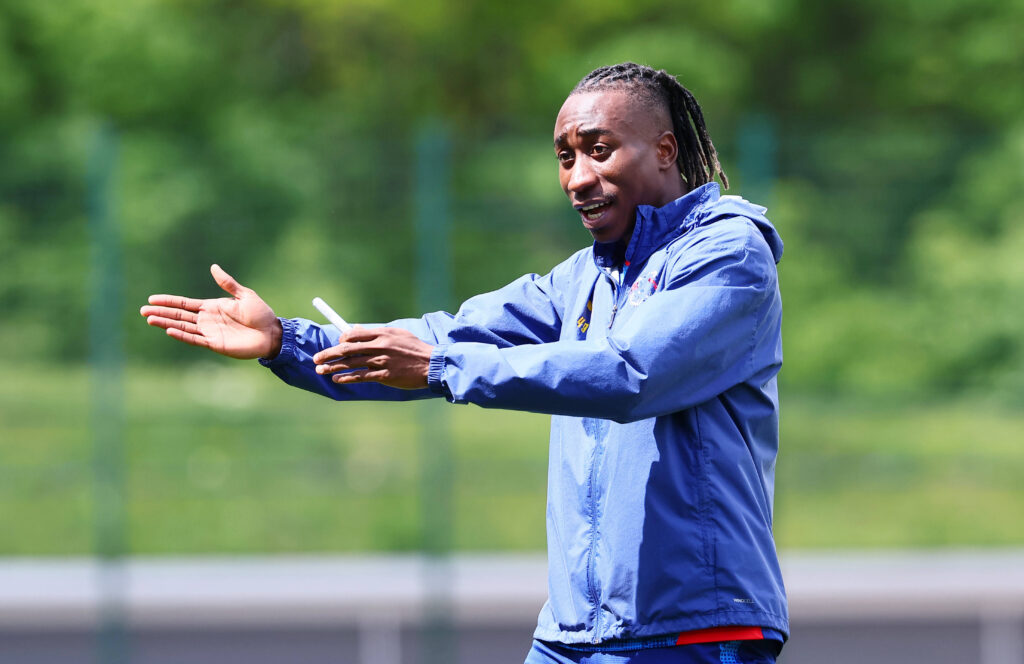
The immediate debate has centred on whether Yan Diomande to Real Madrid is done. The more interesting question is what happens if it is.
Elite wingers are becoming difficult to buy because clubs with genuine UEFA Champions League ambitions are reluctant to sell their best wide attackers, particularly when they have no obvious replacement. One completed transfer can therefore tighten an already limited market.
Paris Saint-Germain have been strongly linked with Diomande, alongside Liverpool, and his potential move to Real Madrid would remove one of the most attractive replacement options available to the French champions. That could have an effect on Bradley Barcola’s future.
Liverpool have been linked with Barcola, but PSG’s reported valuation of around €140 million would already make any deal complicated. If Les Parisiens cannot bring in Diomande or another player of similar promise, selling Barcola would become even harder to justify. They would not only lose a leading attacker; they could also strengthen a direct European rival while weakening their own forward line.
That is the hidden power of Real Madrid’s possible move. It may not merely give them Diomande. It could close a door elsewhere. A blocked Barcola sale would leave Liverpool and other Premier League clubs looking at a much thinner group of elite wide players.
The market is never this tidy, but one rule holds: when one top club keeps its star, another must either pay well above market value or pursue a less convincing alternative. The Merengues would, in that sense, be shaping the winger market without needing to negotiate with every club in it.
Vinicius Junior and Arsenal’s opening

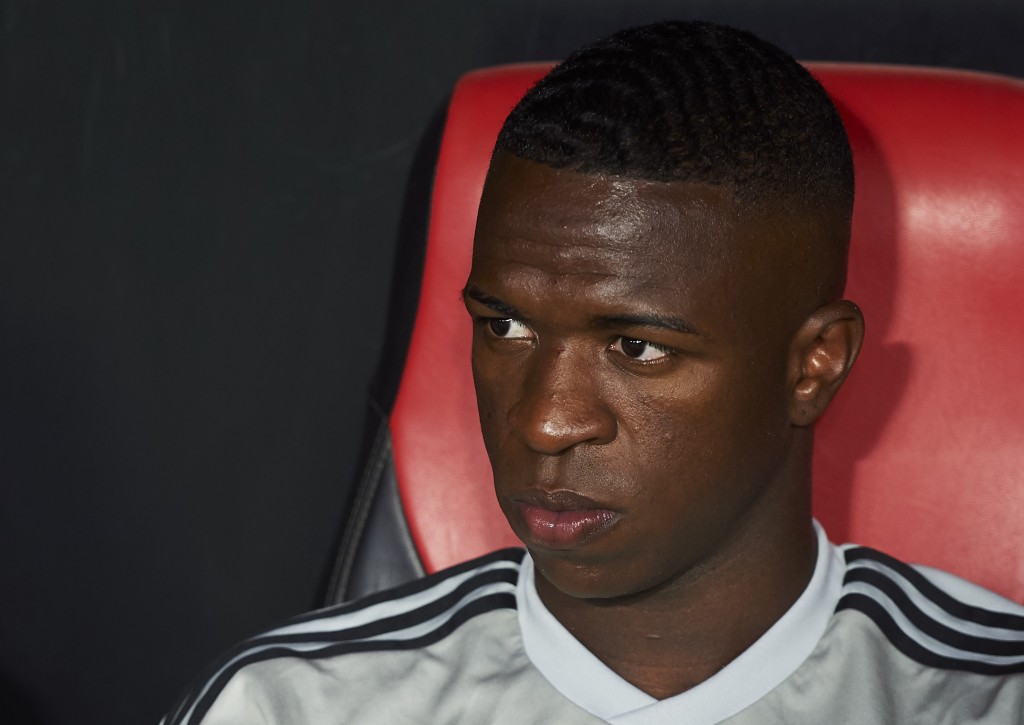
Then comes the more dramatic possibility. Vinicius Junior could be leaving Real Madrid. David Ornstein has reported that Arsenal are exploring a move for the Brazilian, with interest said to have been approved across the club. The report also stressed that there had been no talks with the Spanish club at that stage and that any move would depend on the Brazilian’s contract situation becoming difficult.
That distinction is important. Arsenal’s interest is genuine, but it is not yet a transfer close to completion. Still, the fact that Vinicius Junior is being discussed at all tells a story about Real Madrid’s changing calculations.
The Brazilian remains one of football’s most recognisable attacking players. Selling him would not simply be a sporting decision; it would be an acknowledgement that Los Blancos are prepared to alter the core of their project rather than allow a contract situation to drift beyond their control.
For Arsenal, the upside is obvious. The reigning Premier League champions already have a strong platform, and Vinicius would add a player who can change the shape of a match by himself: carrying the ball over distance, creating chaos in one-versus-one situations and forcing opponents to defend deeper than they want to.
It would not automatically hand Arsenal another title. The Premier League does not yield to single signings, however elite. But it would raise their attacking ceiling sharply, give them a global superstar and make them a much more intimidating prospect in both domestic and European football. Real Madrid’s decision would therefore become England’s opportunity.
Rodri changes the equation
If Arsenal’s rivals are uneasy about the prospect of Vinicius Junior in North London, Manchester City would have an even more serious concern: Rodri.
Real Madrid are reported to be working on a deal for the 30-year-old, who has entered the final year of his Manchester City contract. The Citizens have moved to strengthen midfield by agreeing a British-record deal for Elliot Anderson, reportedly worth £116 million including add-ons, following Bernardo Silva’s departure.
Anderson is an outstanding addition, but he should not be treated as a simple replacement for Rodri. The 2026 FIFA World Cup winner has been their reference point: the player who slows the game when control is needed, speeds it up when space appears and gives their attacking talents the platform to take risks.
Losing him would alter City’s structure as much as their starting lineup. It would force them to rebuild the rhythm of a side that has long depended on his presence. For Arsenal, that would be an enormous advantage. Vinicius arriving while Rodri departs City is not a normal swing in a title race; it is the sort of double movement that can redraw the league’s hierarchy before a ball is kicked.
Real Madrid’s summer may yet look like a collection of separate deals. In reality, it could be much bigger than that. One club’s ambition setting off a chain reaction across Europe, with the Premier League feeling the force of every decision.