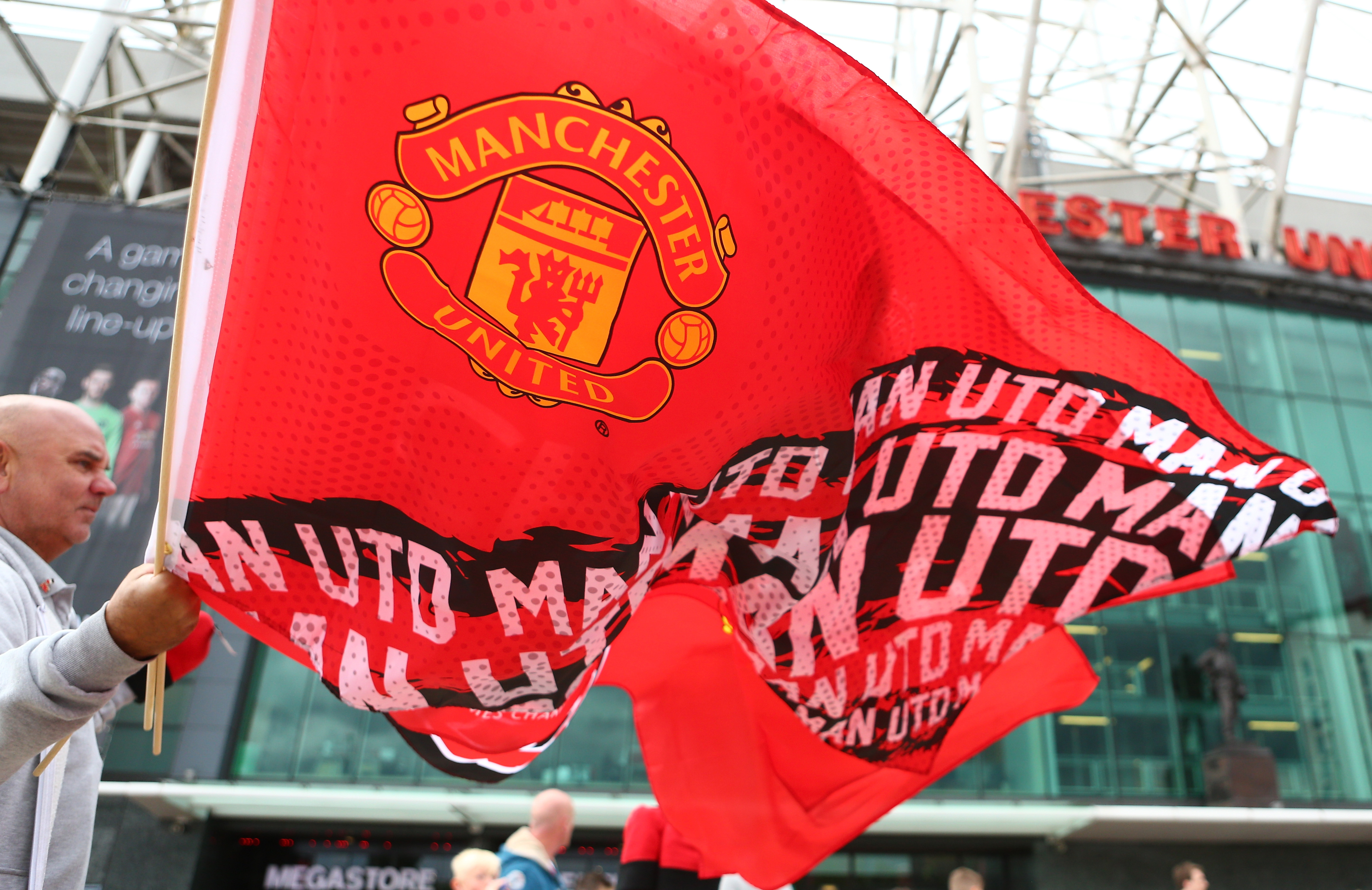
With the summer transfer window now done and dusted, The Hard Tackle takes a closer look at the business conducted by Manchester United this summer.
The summer transfer window of 2026 has officially drawn to a close, and it represents a sizeable structural shift at Old Trafford. Following a promising end to the 2025/26 season under Michael Carrick, the hierarchy recognised that the midfield surgery the squad needed. With Carrick leading the project, the recruitment strategy pivoted away from erratic marquee splurges toward calculated, profile-specific reinforcements designed to lay down a cohesive tactical foundation.
The primary theme of Manchester United’s summer business was an aggressive and long-overdue midfield overhaul. The department had grown static and vulnerable, a reality laid bare by the departure of veteran midfielder Casemiro, who left as a free agent to join Inter Miami.
To replenish the engine room, the Red Devils committed significant funds, securing the signatures of high-ceiling defensive anchor Carlos Baleba from Brighton & Hove Albion for an initial £65 million, alongside the dynamic Andrey Santos from Chelsea for £50 million, including add-ons. They further balanced the department by triggering a £35 million release clause for Belgian playmaker, Youri Tielemans.
Simultaneously, the club streamlined the wage bill and recouped capital through decisive departures. The most significant financial recovery came via Rasmus Hojlund, who completed a permanent move to Napoli. Goalkeeper Radek Vitek brought in an additional £14 million, including add-ons, following his move to Middlesbrough, while Toby Collyer fetched £3 million from West Bromwich Albion.
Crucially, several high earners and fringe options were permanently cleared off the books, including Jadon Sancho and Tyrell Malacia, who both departed after reaching the end of their club associations. Additionally, Casemiro’s exit as a free agent also lightened the wage bill.
Incomings: Carlos Baleba, Andrey Santos, Youri Tielemans, Karl Darlow
Permanent Departures: Rasmus Hojlund, Radek Vitek, Toby Collyer, Tyler Fredicson, Casemiro (free transfer), Jadon Sancho (free transfer), Tyrell Malacia (free transfer)
Loan Exits: Altay Bayindir
A calculated engine room revolution with a few shortcomings elsewhere
Manchester United’s executives entered the market with a crystalline plan: dismantle an ageing, disjointed midfield and build a robust, athletic, and progressive core. For years, the team suffered from a soft underbelly and an inability to retain possession under intense pressure. By systematically moving on from regressing stalwarts and injecting elite physical profiles, the recruitment team has successfully modernised the squad’s tactical identity.
The business represents a refreshing departure from past reactive panic-buying, displaying a clear commitment to Michael Carrick’s brand of high-tempo, technically fluent football. Instead of chasing big-money moves for Mateus Fernandes, Sandro Tonali, and Elliot Anderson, they preferred to seek value for money. However, the summer business fell short in other areas, as the Red Devils failed to sign a left-back and a striker.
Marquee Signing
Carlos Baleba
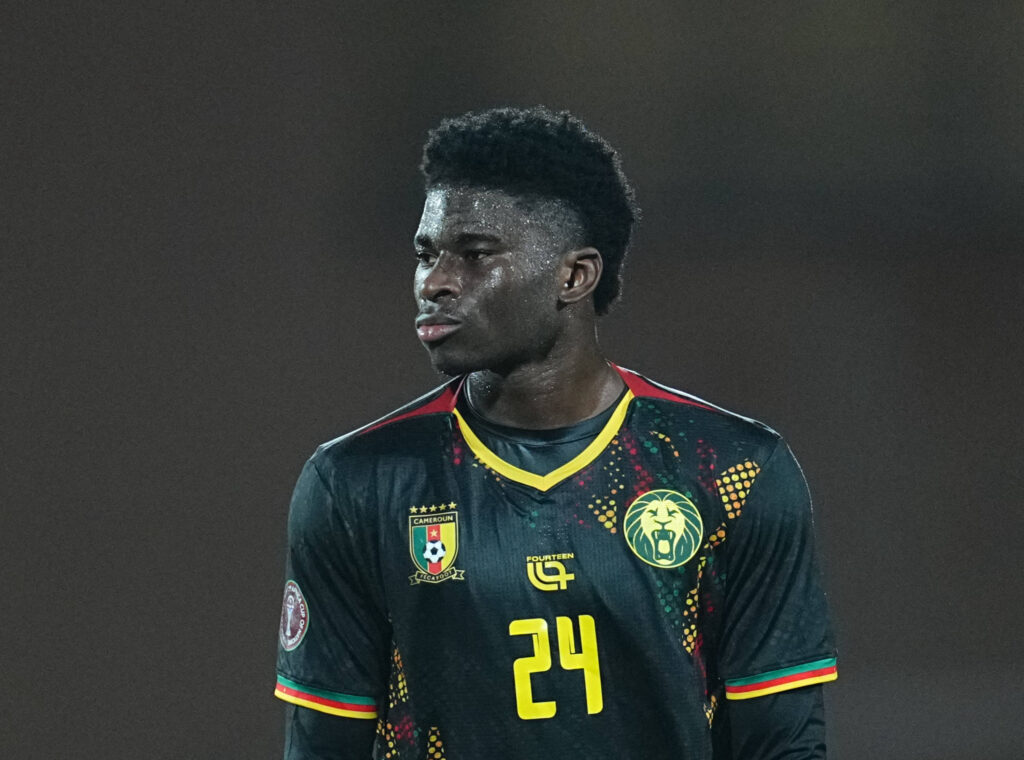
The crown jewel of Manchester United’s summer business is undoubtedly the acquisition of 22-year-old Cameroonian international Carlos Baleba from Brighton & Hove Albion. The Red Devils parted with a premium initial fee of £65 million plus an additional £5 million in add-ons to secure his long-term future at Old Trafford until 2031. However, the fee was significantly lower than the money paid for other top-class midfielders this summer.
- Elite Press-Resistance: Baleba possesses rare composure under heavy pressure. He ranks in the upper echelon of European midfielders for successful take-ons, using explosive acceleration and a drop of the shoulder to bypass opposition presses.
- Aggressive Defensive Volume: Mechanically, he acts as an elite ball-winner. His defensive numbers show a highly proactive interceptor who uses his physical frame to break up transitions and dominate ground duels.
- Progressive Passing: Beyond his physical attributes, his underlying data highlights a progressive passer who consistently breaks opposition lines, transitioning the ball rapidly from defensive phases into advanced attacking areas.
Value for Money
Youri Tielemans
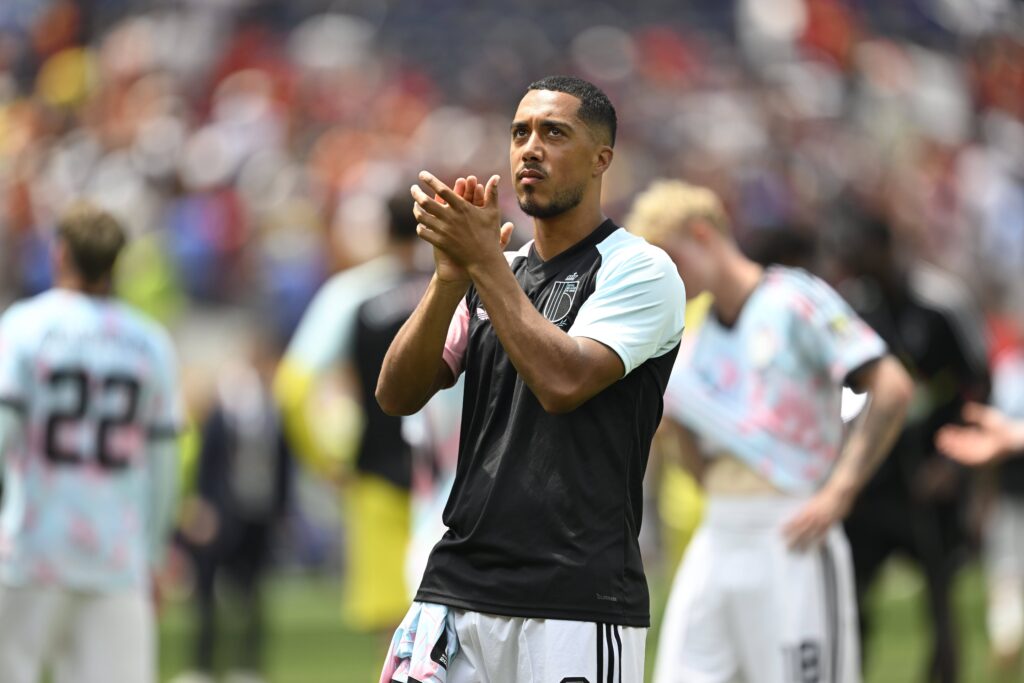
In an era where Premier League midfielders routinely command astronomical valuations, Manchester United executed one of the shrewdest deals of the window by activating Youri Tielemans’s £35 million release clause from Aston Villa. Fresh off scoring the opening goal to lift the UEFA Europa League trophy with Aston Villa, the 29-year-old Belgian international brings an elite combination of leadership, experience, and supreme technical ability.
- Sustained Creative Output: Tielemans averages a high volume of shot-creating actions per 90 minutes, providing the precise final-third unlocking passes that Manchester United heavily lacked last year.
- Tactical Versatility: His positional fluidity allows him to operate seamlessly as an advanced box-to-box number eight or drop deeper into a double-pivot, maintaining a passing accuracy hovering around 90 per cent.
- Set-Piece Mastery: His inclusion immediately elevates Manchester United’s dead-ball threat, as he offers elite delivery from corners and indirect free-kicks, alongside a proven track record of striking spectacular goals from range.
Inevitable Departure
Radek Vitek
While incoming talent generated headlines, managing outgoings was equally vital. Radek Vitek’s permanent £14 million transfer (including add-ons) to Middlesbrough was a necessity for all parties involved. At 22, the Czech shot-stopper reached a critical juncture in his development where regular senior minutes were non-negotiable.
- The Senne Lammens Roadblock: Vitek’s pathway to the first team at Old Trafford was entirely obstructed due to the presence of Senne Lammens, who firmly established himself as the undisputed choice between the sticks.
- Need for First-Team Minutes: Rather than stagnate on the bench as an understudy, Vitek actively sought a move where his visual command and shot-stopping traits could be utilised weekly.
- Sensible Asset Monetisation: Securing a respectable fee for an academy graduate while inserting structural future incentives represents tidy business by the Manchester United board, though there is scope for improvement on that front, as seen by examples at Chelsea and Liverpool.
The Big Miss
Lewis Hall
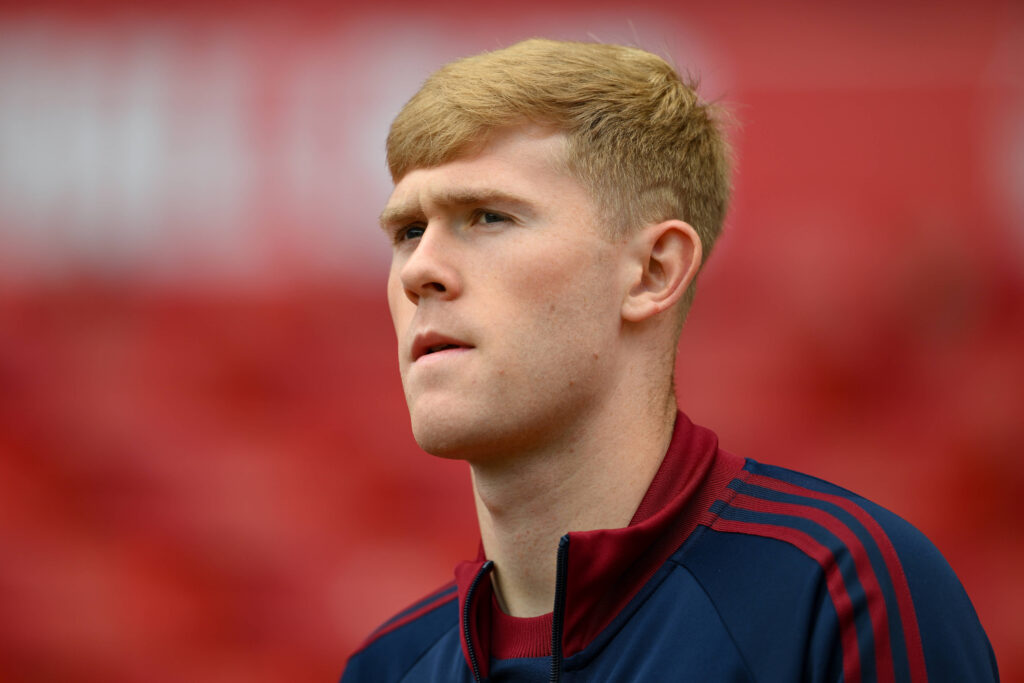
Despite the stellar midfield acquisitions, the window was marred by a critical failure to address the defensive flanks. Manchester United aggressively pursued Lewis Hall, only for Newcastle United to block the move. Failing to secure an alternative option leaves the Red Devils’ backline dangerously exposed.
- Specialist Left-Back Shortage: With Patrick Dorgu transitioning into a winger, the squad is left with the injury-prone Luke Shaw as the solitary specialist senior left-back, though Harry Amass has yet to complete his summer departure.
- Tactical Rigidity: Missing out on Hall strips Michael Carrick of a tactical chess piece who can invert into midfield or overlap effectively, forcing defensive square pegs into round holes if injuries strike.
- Over-reliance on Fragile Options: Counting on Shaw to navigate a grueling domestic and European calendar without an elite deputy is a high-risk gamble that could derail the club’s top-four and trophy aspirations.
Verdict: 7/10
Manchester United’s summer window earns a solid 7/10. The board deserves immense credit for executing an efficient, ruthless midfield revamp through sensible signings, effectively fixing a multi-year tactical deficiency. They trimmed bloated wages and acted decisively with outgoings. However, significant gaps remain that prevent this window from being an elite success.
The failure to secure a left-back leaves the defence on thin ice. Furthermore, minor issues linger; the club failed to move on the underperforming Joshua Zirkzee to bring in a dynamic backup striker, and the central defence remains highly suspect with an ageing Harry Maguire alongside an injury-prone pair of Lisandro Martinez and Matthijs de Ligt. It is a window of immense progress, but one that leaves the job half-done.