
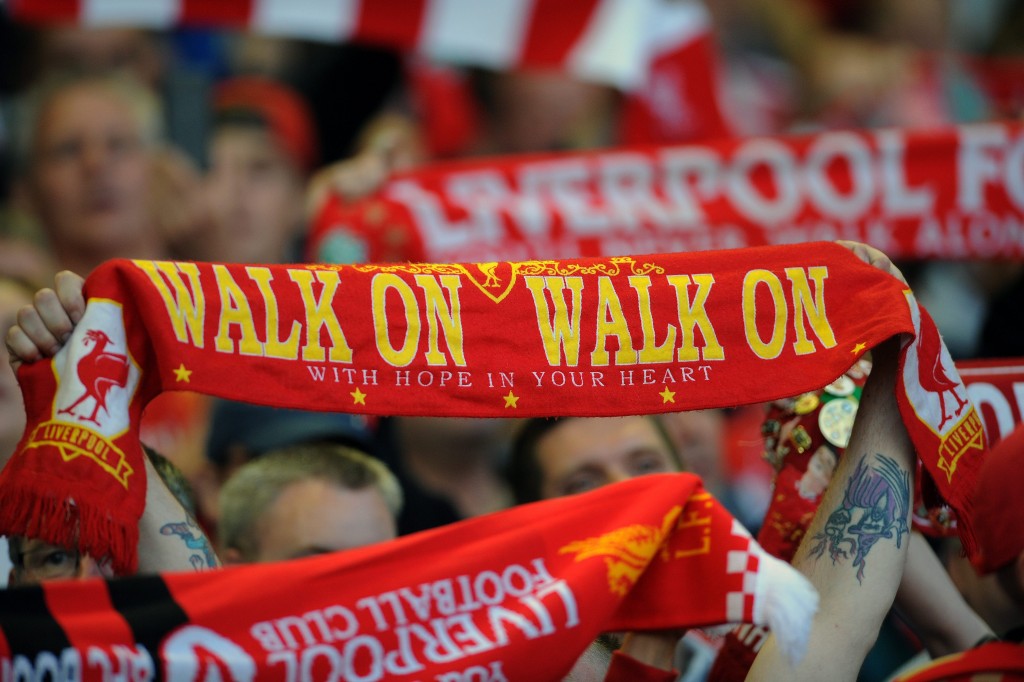
Liverpool must be patient and allow Andoni Iraola to build his process for the sake of long-term success, as early signs are only a blip.
Liverpool’s new chapter under Andoni Iraola should be seen as a work in progress rather than a finished story. The results have been steady, the team are unbeaten, and there are already signs that the side are becoming harder to beat, but this is still a team learning how to live under a different manager and a different idea of football.
What makes the situation interesting is that the start has been encouraging without being flashy. Liverpool have avoided defeat in the Premier League, but they have also had to grind through several matches that suggested the attacking rhythm is not yet fully there. That is not a reason for alarm; it is a reminder that rebuilding a top side takes more than a few good weeks.
Iraola has arrived with a reputation for organisation, intensity and clear ideas, but Liverpool were never going to be transformed overnight. The players are still adjusting, the structure is still being refined, and the manager is still learning what his squad can handle across a demanding season.
There is also the matter of expectation. Liverpool are not a club that are content with merely being competitive; they want to challenge at the top, and supporters will naturally look for signs that the team are moving towards that standard. But with a new coach, a different style and a squad still settling into the demands of the project, patience is likely to matter as much as short-term results.
At this stage, the important point is not whether Liverpool look perfect, because they plainly do not. It is whether the early signs suggest that Iraola is laying the right foundations for something stronger, and on that front the evidence is quietly positive.
A cautious beginning is not a measure to judge

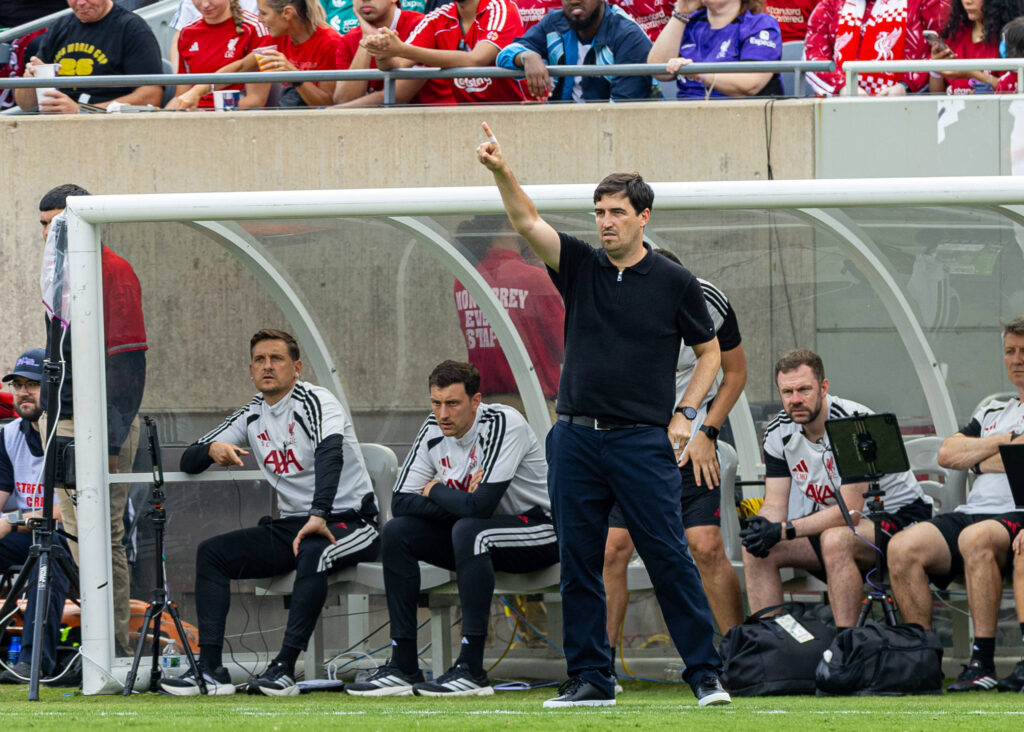
Liverpool’s title defence has not exploded into life, but it has also not fallen apart. That matters, because the club have come through a difficult period since their 2024/25 triumph, and the task Iraola inherited was far from straightforward.
The previous season under Arne Slot ended with Liverpool finishing fifth, and that collapse was enough to cost him his job. Iraola stepped into a side that had lost its way, so even if the opening results have been modest, they should be seen as a platform to build on rather than a warning sign of failure.
In a league that often demands instant answers, Liverpool may have to show more patience than most. They are already among the few teams in the division still unbeaten, and that alone suggests there is something useful in the start Iraola has made, even if the performances have not yet been fully convincing.
This is also a reminder that no manager fixes everything overnight, no matter how highly regarded he is. Iraola has taken over a team that spent a full season looking disjointed under Slot, so a summer of training and recruitment was always likely to be only the first step rather than the final answer.
That is where comparisons with other long-term rebuilds become useful. Arsenal did not become a serious, durable force in a matter of months; they needed years to build a base, refine a style and recruit the right players for the right roles. Liverpool are asking Iraola to do something similar, and that process takes time.
A team is not just built through sessions on the training ground. It is shaped by finding out which players suit the idea, which do not, and where the squad needs to be reshaped. Early-season results can offer clues, but they should not be treated as the final verdict, especially when the manager is still introducing his methods and standards.
Liverpool must stay patient
There have already been encouraging signs in the numbers, even if the attack has not yet fully clicked. Liverpool have kept three straight league clean sheets, and their defensive record under Iraola has been one of the clearest signs that the team are becoming harder to play against.
At the same time, the attacking output still needs work. Liverpool have often looked short of fluency in the final third, and the point is not that Iraola has failed, but that he is still in the early stages of trying to make the team function differently.
That balance matters. A side can look flat and still be moving in the right direction, just as a side can begin brightly and later collapse. Iraola’s Liverpool are somewhere in the middle at present: controlled, unbeaten and organised enough, but still searching for the rhythm and sharpness that turns a useful start into a strong one.
The risk for Liverpool is that people judge the project too early. Modern football often expects a quick fix, but structural change usually takes longer, especially when a manager is trying to reshape habits, roles and expectations at a club of this size.
Iraola has not inherited a settled machine; he has inherited a team that needed repair. That means some players will adapt quickly, some will take longer, and some may not fit at all. It is precisely why the early weeks are about learning, not just collecting points.
There is also the simple fact that Liverpool have already made progress in one key area: they are not losing. The unbeaten start gives the manager breathing space, and it also gives the supporters enough evidence to believe that the team are being shaped, even if the finished product is still some way off.
What lies ahead for Andoni Iraola and Liverpool?

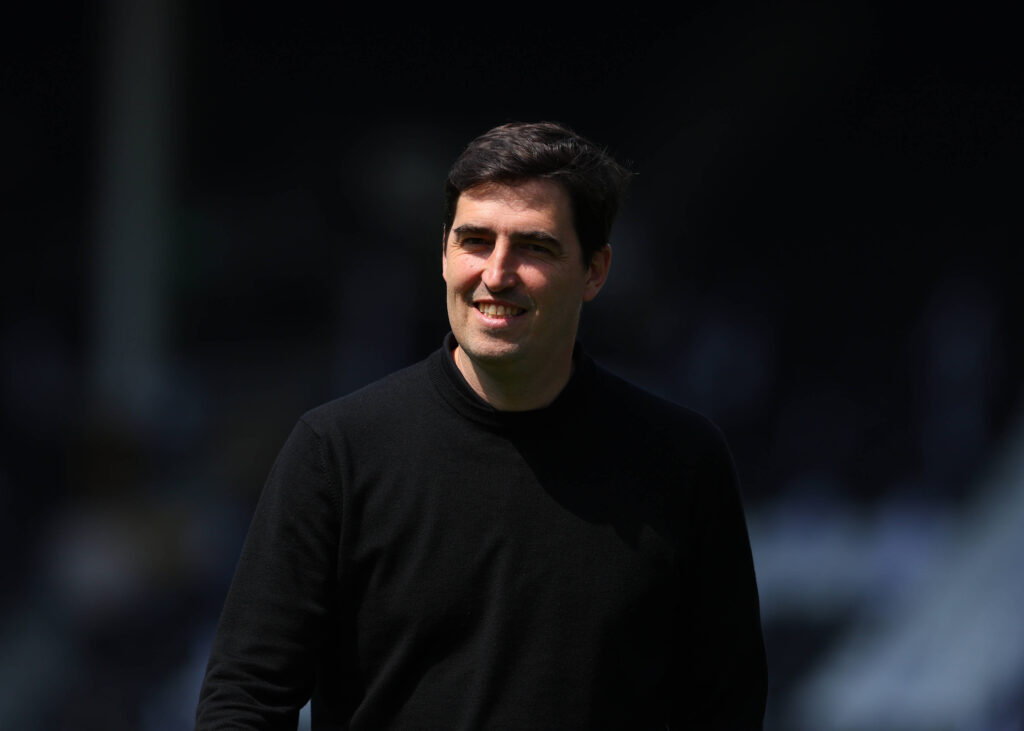
Liverpool are not yet the relentless side their supporters want to see, but that does not mean the work is going in the wrong direction. Iraola has brought stability, defensive control and a clearer sense of purpose, and those are the right foundations for something bigger.
The next step is to turn draws into wins more consistently and to make the attack as coherent as the defence already looks. That will not happen by accident, and it will not happen quickly, but it is the kind of improvement that can arrive once the system settles and the players fully understand their roles.
For Liverpool, the task is to trust a manager who is building something rather than demanding instant glamour. The early signs are not dramatic, but they are not meaningless either, and in a project of this size, that distinction matters.
Liverpool’s start under Andoni Iraola has been encouraging in the right ways, even if it has not yet been dazzling. The team are unbeaten, the defence looks more secure, and the mood around the club is calmer than it was at the end of the previous era. That alone should not be dismissed, because stability is often the first step towards something stronger.
But stability is not the same as arrival. Liverpool still need a clearer attacking pattern, more control in key moments and a stronger sense of identity if they are to move from a useful start to genuine title contention. That is why Iraola should be judged over seasons, not weeks. His methods need time to settle, his squad needs time to adjust, and his ideas need time to become habit.
If the Reds keep faith with the process, there is every chance that the current rough edges can be smoothed out. It may take at least a couple of years for them to become the stable contenders their supporters expect to see, but patience may be the best route to get there.