The World Cup’s final group-stage day brought clarity, chaos and a few bruised reputations, as the round of 32 took shape and the debate over FIFA’s expanded format grew louder.
The final matchday of the 2026 FIFA World Cup group stage arrived with the sharp clarity that only a major tournament can produce. By the time the evening ended, the round of 32 was set, a wave of teams had confirmed their place in the next stage and a few others were left to watch nervously as the final permutations played out elsewhere.
That mixture of certainty and suspense gave the day its edge. Some sides needed only to complete a job they had already made easier for themselves, while others had to wait for results to fall their way, with Iran among those who could not fully relax until the picture elsewhere was complete.
The new format has made the first stage of this World Cup feel broader, busier and more complicated than the old version. However, it has also produced a steady stream of drama, surprises and arguments about what really matters in a tournament built on momentum.
What stands out from matchday three is not just who advanced, but how they did it. A few teams finished the group stage with authority and deserve to be celebrated as winners for the tone they set across all three matches.
Others scraped through, stumbled badly or fell short of the standard expected of them. There were also a couple of non-playing themes that became impossible to ignore, from the much-debated hydration breaks to the wider questions raised by the expanded format itself.
Those issues have shaped the mood around the competition just as much as the results have. With the round of 32 now in place, it is the right moment to separate the sides that rose to the occasion from the ones that left the impression they had more to give.
Winners
Colombia
Colombia arrived at this tournament with quality but little of the clamour reserved for global heavyweights, and they needed to thread through a tricky group that included Portugal and DR Congo. Across the group stage of the 2026 FIFA World Cup, they combined structure, energy and moments of individual class to top the pool, finishing the campaign as a deserved group winner.
In the decisive meeting with Portugal they were the dominant side and, had a late Davinson Sanchez header not been ruled out for a narrow offside, might have sealed top spot in emphatic fashion. Their rise was not simply about results; it was the way the team grew into matches, kept possession at key moments and showed a resilience that had been underestimated before kick-off.
The supporters, travel-hardened and vociferous at every venue, also became part of the story, providing an atmosphere that lifted players and emphasised how this Colombia side arrived with both teeth and unity.
Cabo Verde
Perhaps the single most enchanting subplot of matchday three was the completion of Cabo Verde’s fairytale group campaign. The island nation qualified for the round of 32 without recording a win, instead gathering a trio of draws against Spain, Uruguay and Saudi Arabia to finish second in Group H and become the smallest country ever to reach the knockout phase.
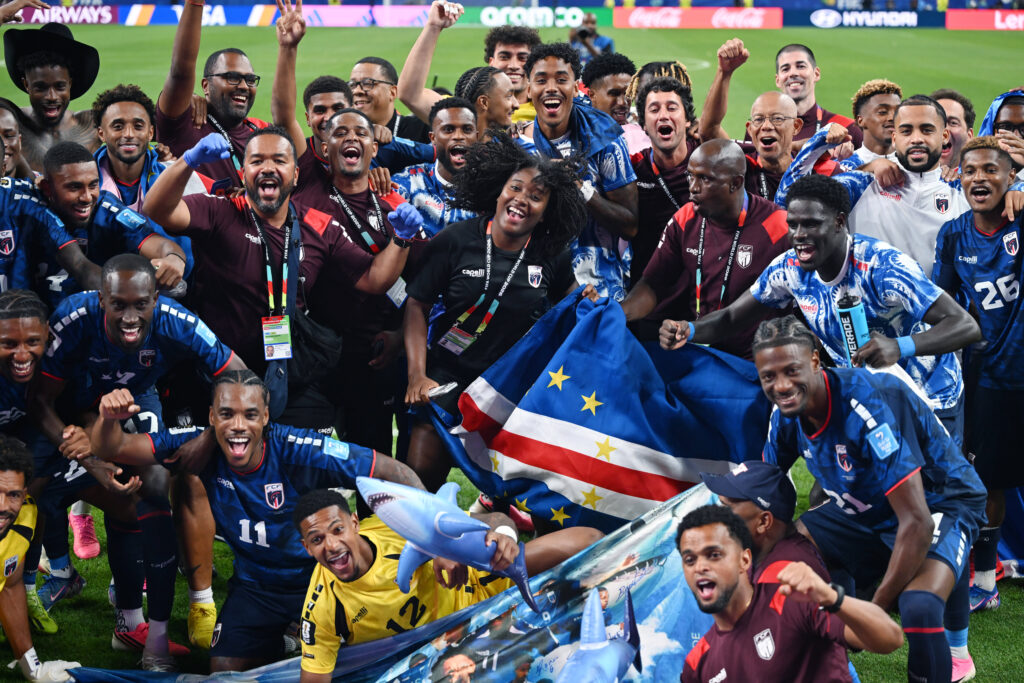
That sequence, goalless against Spain, a dramatic 2-2 salvage against Uruguay and a final 0-0 that did enough, underlines a lesson in tournament football: grit and organisation can propel teams from obscurity into the global spotlight.
Their reward is a mouthwatering date with Argentina in the last 32, a fixture that will be read as either a dangerous banana skin or an unforgettable stage for an island of underdogs. The sheer improbability of Cabo Verde’s progress gives their run an emotional weight few results could match.
Ecuador
Ecuador’s improbable group run culminated in a 2-1 victory over Germany on matchday three of the 2026 FIFA World Cup, a result that secured their passage to the last 32 and silenced many pre-tournament doubters. The win was built on dogged defending, timely interventions and a winner that arrived in the late stages; it was a match that combined belief with clinical finishing at the decisive moment.
For a nation whose World Cup history is still being written, the result was both cathartic and confirmation that tournament football rewards those who keep fighting until the final whistle. Their prize is a tie with co-host Mexico, a fixture that will test whether this Ecuador side can translate late-group momentum into a sustained knockout run.
Belgium
Belgium entered with designations that read ‘dark horses’ rather than faint echoes of their golden generation. Yet, expectations were still that a country with their talent should progress comfortably.
A pair of underwhelming draws left fans nervous, and the third game became an all-or-nothing test. The answer was emphatic: a 5-1 win over New Zealand that not only secured qualification but also restored Belgium’s status as group winners.
What mattered was not only the scoreline but the psychological reset. The players produced the kind of attacking intent and clinical finishing that had been missing, and they did it collectively. The result suggests this Belgian squad still has the attacking ammunition to trouble stronger opponents in the knockouts, and they now await Senegal with momentum restored.
Senegal and the African contingent: A continent’s statement
Senegal did what their fans expect of them at major tournaments: they qualified, and they did so with substance. Finishing among the best third-placed sides, the Lions of Terranga relied on a big performance when it mattered and took advantage of numerical swings in matches to secure the goal difference they needed.
More widely, Africa’s representation in the round of 32 has been striking: nine of the ten qualifiers progressed, a showing that draws attention to the expanded format’s impact. Critics had predicted diluting of quality with more places, but the continent answered by supplying competitive teams who can cause real problems in knockout football.
If one takeaway from matchday three is continental depth, Africa’s collective progress stands as the tournament’s most persuasive rejoinder to pre-tournament sceptics. The continent will now hope a nation can push beyond the established knockout ceiling in Miami and beyond.
Losers
Uruguay: Reputation without the results
Uruguay’s exit read like a slow-motion disappointment rather than an abrupt tragedy. With international-calibre names across the pitch, the side still failed to put results together and were eliminated after a group campaign that carried reports of dressing-room unease and tactical confusion.
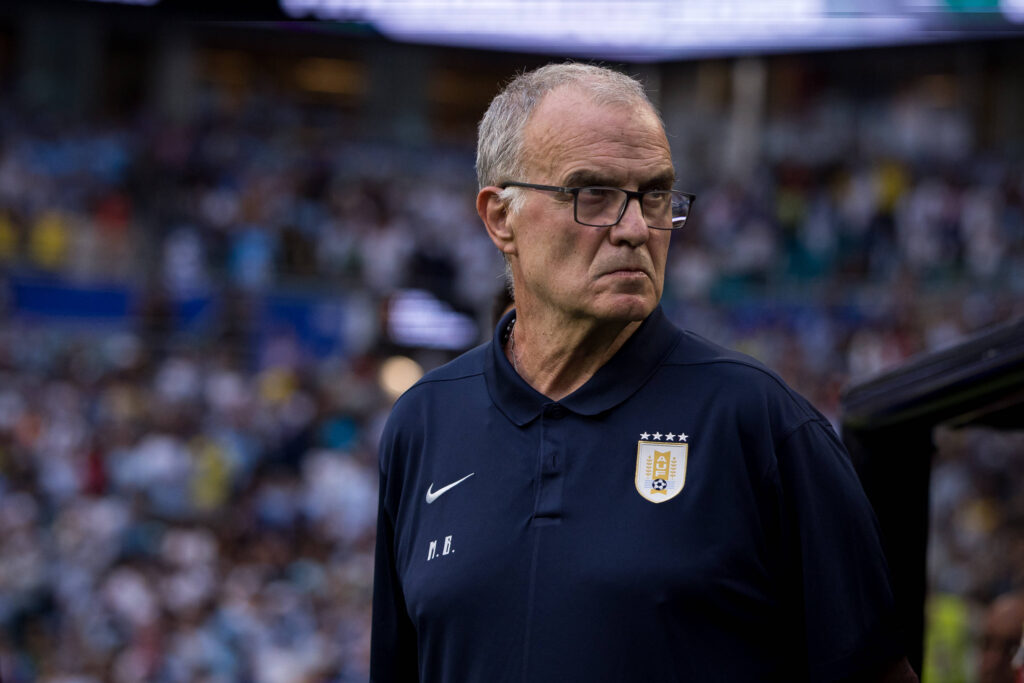
Expectations had them pegged to finish at least second in a group featuring Spain, Cabo Verde and Saudi Arabia; instead they left early, having been unable to produce consistent attacking cohesion or defensive control.
The sense is that a squad with traditional grit has, for now, lost its coherence, which is a worrying sign for a nation whose identity relies on intensity and organisation. The manager now faces intense scrutiny to restore belief and reclaim Uruguay’s trademark intensity.
Cristiano Ronaldo and Portugal: the burden of one man
Portugal progress, but Cristiano Ronaldo’s matchday three showing provided fuel for an argument that has been simmering: the persistence of an ageing superstar’s place can restrict tactical flexibility and stunt squad evolution.
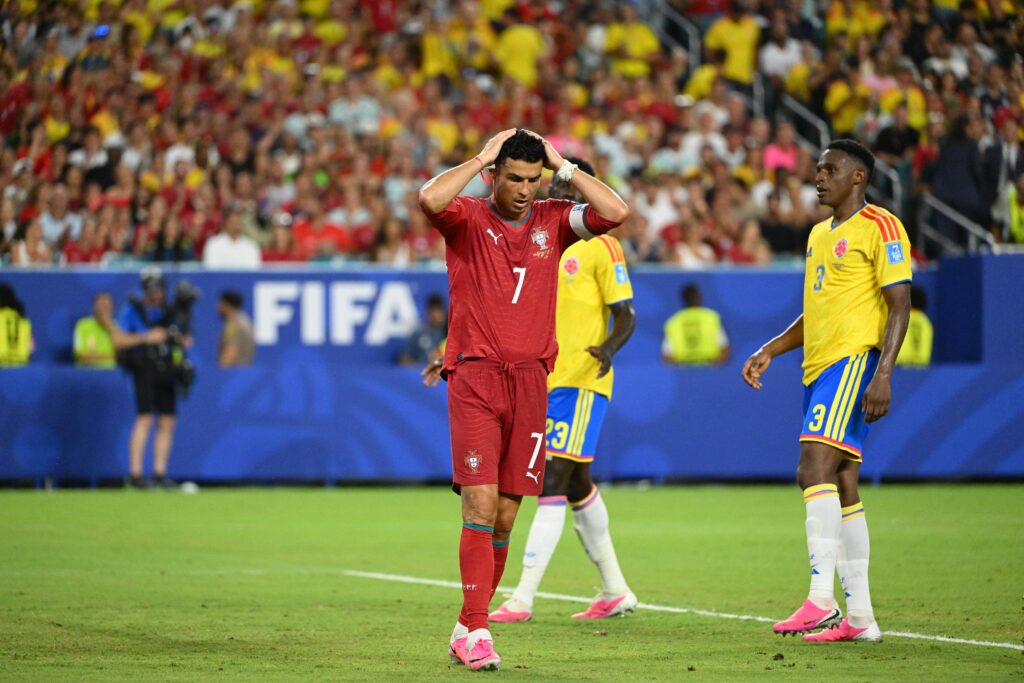
Against Colombia, Ronaldo’s display failed to justify the manager’s decision to play him the full game; while Ronaldo remains an iconic figure, the broader point is tactical. When the team is structured around extracting goals from a veteran who can no longer provide regular impact, the coach’s hands are tied and experimentation becomes difficult.
Portugal have advanced, but the outcome: a second-place finish behind Colombia and a last-32 draw that could lead to a heavyweight path, invites reflection about whether reverence for status has been allowed to trump optimal selection. The debate is not about legacy but about present utility; few managers enjoy the dilemma of balancing reverence with contemporary effectiveness.
South Korea
South Korea arrived at the 2026 FIFA World Cup with meaningful expectations and players capable of influence, yet their group performances were patchy and often underwhelming. Star men produced below-par games and the team’s cohesion fluctuated game to game; as a result, no single component could be trusted to carry them through the stage.
Tournament football is unforgiving to teams who cannot find a reliable identity across the full campaign, and Korea’s mixed form leaves them with questions about tactical clarity, the consistency of key performers and whether the squad can rediscover the balance that once made them a durable World Cup presence. The knock-on effect for Asian football supporters is frustration: a talented roster that did not marry quality with repeatable results.
Hydration breaks: Useful intent, flawed execution
The mandatory hydration breaks were inserted to protect players in warm conditions and to address obvious health concerns over lengthy, hot fixtures. In practice, however, they have invited broad criticism for interrupting match rhythm, creating artificial pauses that allow some teams to reset while disrupting the rhythm of others and, in some broadcast markets, for encouraging overlong ad breaks that feel more suited to gridiron than global football.
Several match narratives, where teams lost composure after the interval or opponents regrouped more effectively than before the pause, were attributed in part to the timing of the stops. The measure’s intent is beyond reproach; the execution, and the tournament-wide consequences for the flow of matches and viewing experience, demand a sober reappraisal if the game’s two-halves tradition is to be preserved without compromising player welfare.
The new format: Opportunity and awkwardness
An expanded World Cup was sold on the virtues of inclusion: more nations, more stories, and matchday three delivered many of those stories, from Cabo Verde’s fairytale to Ecuador’s late drama.
Yet the new format also generates awkward permutations: longer windows of uncertainty for third-place qualification, complex knockout pairings that can produce early heavyweight clashes, and debates about whether the competition’s identity shifts away from the concentrated drama of a 32-team event.
Matchday three showed both sides of the experiment. It created magnificent, democratic moments, but it also intensified the logistical and sporting trade-offs inherent in expansion: more teams and more narratives, yes, but also a need to refine the mechanics so the quality of competition and the clarity of progression do not suffer. That tension will be one of the tournament’s enduring conversations.