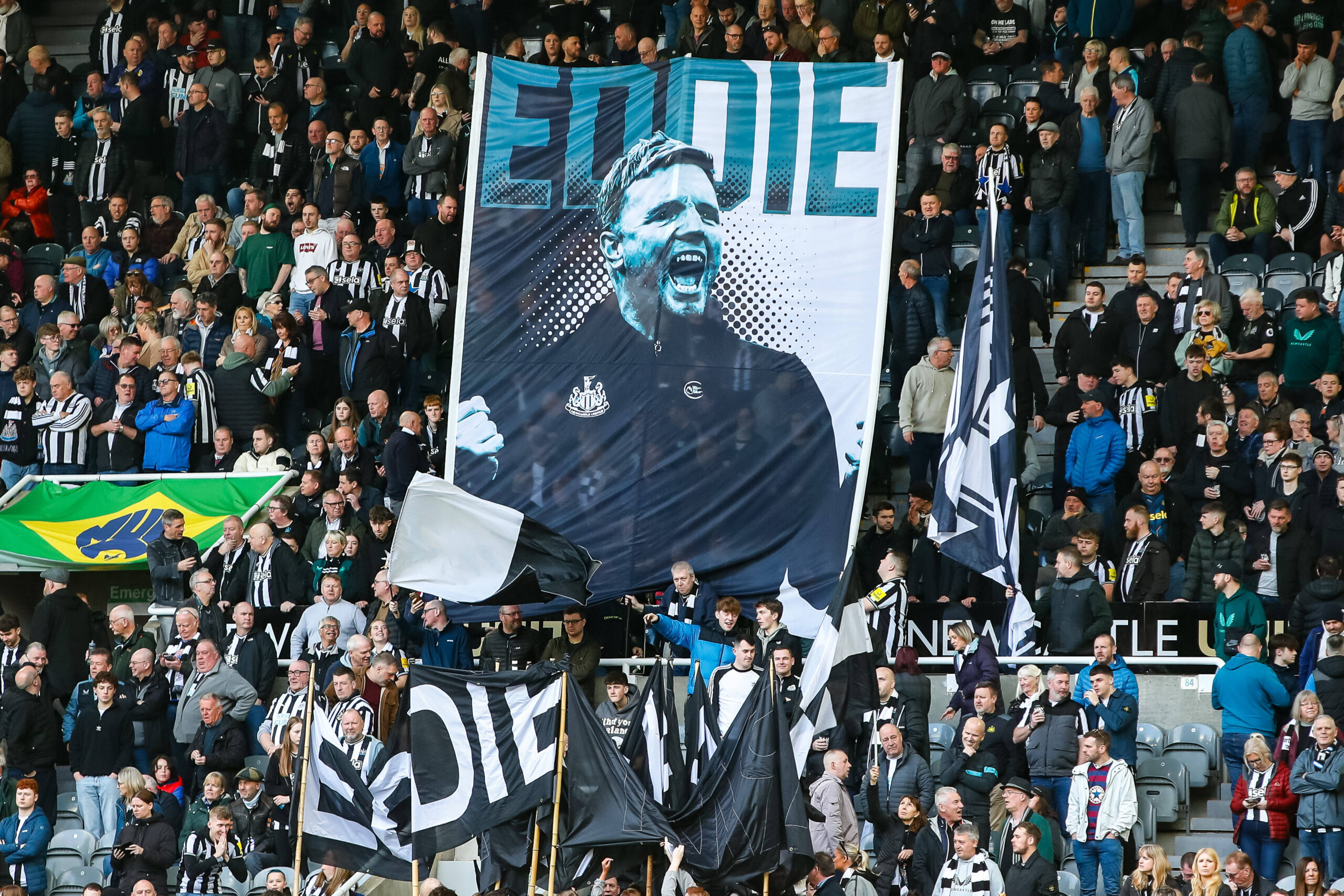
Eddie Howe turned Newcastle United from relegation candidates into trophy winners and UEFA Champions League qualification contenders, only for a lack of backing to bring his revolution to a halt.
Eddie Howe’s time at Newcastle United will be remembered as the spell that turned a drifting club into one that could dream of trophies and UEFA Champions League nights, and yet it ends with a sense that both manager and board ran out of road at the same time.
From relegation fears to Champions League nights
When Howe arrived in November 2021, Newcastle were 19th in the Premier League and staring at another relegation battle. The Saudi-backed takeover had changed the club’s financial landscape overnight, but on the pitch there was no clear identity, little structure, and a squad short on confidence.
Howe’s first task was not to chase headlines but to drag a broken dressing room back towards the basics: organisation, intensity and belief. Within months, the transformation was obvious. The Magpies climbed away from the drop zone, finishing comfortably in mid-table.
The football was proactive without being reckless, built on a compact defensive shape and aggressive pressing in spells rather than all-out chaos. Over the next seasons that platform became a springboard. Newcastle, under Howe, reached the Champions League, rubbing shoulders with Europe’s elite and making St. James’ Park feel like a destination for ambitious players rather than a stepping stone.
The numbers underline the shift. In 231 games, Howe’s team won 112, drew 48, and lost 71, a win rate just under 50 per cent, a huge step up for a club that had spent years yo-yoing between survival and stagnation. More important than the statistics, though, was the sense of direction. Newcastle looked like a club building towards something, with a young core and a manager trusted to shape the project.
Delivering long-awaited silverware
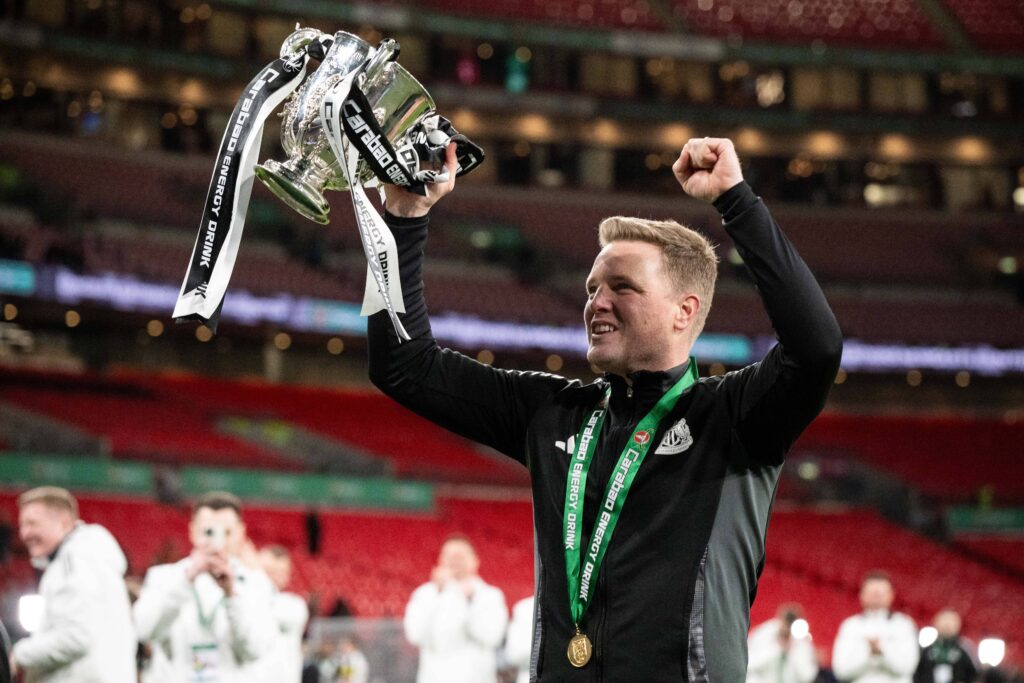
For all the talk about “projects” and “process”, success at Newcastle has always been measured in moments as much as metrics. Howe delivered one of those moments in 2025, when he guided the club to the EFL Cup, Newcastle’s first domestic trophy in 70 years. It was not the most glamorous piece of silverware, but in the context of the club’s modern history, it was seismic.
That triumph was the natural next step in Howe’s rebuild. The defensive resilience that had pulled Newcastle clear of the drop evolved into a side capable of competing on multiple fronts, while still punching above its weight against the traditional big hitters.
For a fanbase that had spent decades watching others lift trophies on their televisions, seeing their own captain climb the Wembley steps mattered as much as any top-four finish. It is easy to forget now, amid the noise of his departure, just how far the club travelled under his guidance. From relegation-threatened to Champions League participants, from nearly-men to cup winners, Howe took Newcastle from dreaming about relevance to experiencing it.
The board’s ambition versus its actions
And yet that success came with an invisible cost. Newcastle’s owners set bold public targets, talking of challenging for the game’s elite prizes by 2030. Those ambitions required sustained investment, careful squad building and a shared vision between board and manager. Over the past two summers, that alignment began to slip.
Profit and Sustainability Rules forced Newcastle to become, in part, a selling club. In the space of 12 months, they sanctioned the sales of Alexander Isak to Liverpool, Anthony Gordon to Barcelona, and Sandro Tonali to Tottenham, all for huge fees.
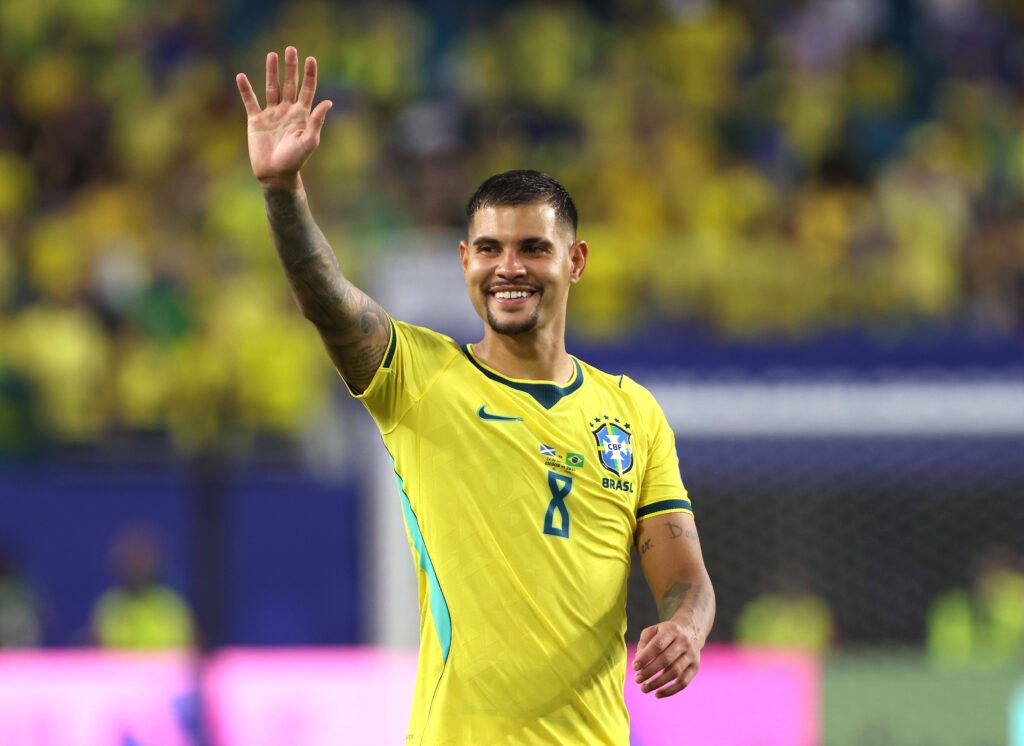
Howe believed captain Bruno Guimaraes would eventually follow to Arsenal, and that conversation with his skipper reportedly crystallised his sense that the foundations he had laid were being steadily dismantled.
Public criticism focused on results, last season’s 12th-place finish and 17 defeats in 38 league games. However, the deeper frustration was structural. The manager who had helped define Newcastle’s modern identity gradually lost influence over recruitment, and the board’s ambition stopped being reflected on the pitch.
The project that had started as one of the most exciting in Europe began to feel, in Howe’s eyes, like it was quietly unravelling.
Why Howe finally walked away
Howe’s decision to leave was not a rash reaction to a bad pre-season defeat, even if the 4-1 loss to Bristol City felt symbolic. Reports suggest he first spoke about resigning after a home defeat to Brentford in February, when some fans turned on him, and he verbally offered to step down. He stayed on after being persuaded to reflect, but the doubts lingered.
By this summer, the picture was clear. Howe was emotionally and physically drained, scarred by the experience of staying one year too long at Bournemouth and suffering relegation. He recognised the warning signs and, this time, chose not to ignore them.
The accumulation of transfer setbacks, the loss and looming loss of key players, and a sense that ownership had become disengaged all contributed to a manager who felt he no longer had the tools to meet rising expectations.
Ultimately, Howe told the club he wanted a break from football, and the split has been described as amicable. He leaves with his reputation intact, having turned Newcastle’s dreams into reality, but also with a quiet warning; ambition without consistent backing will eventually exhaust even the most committed figure.