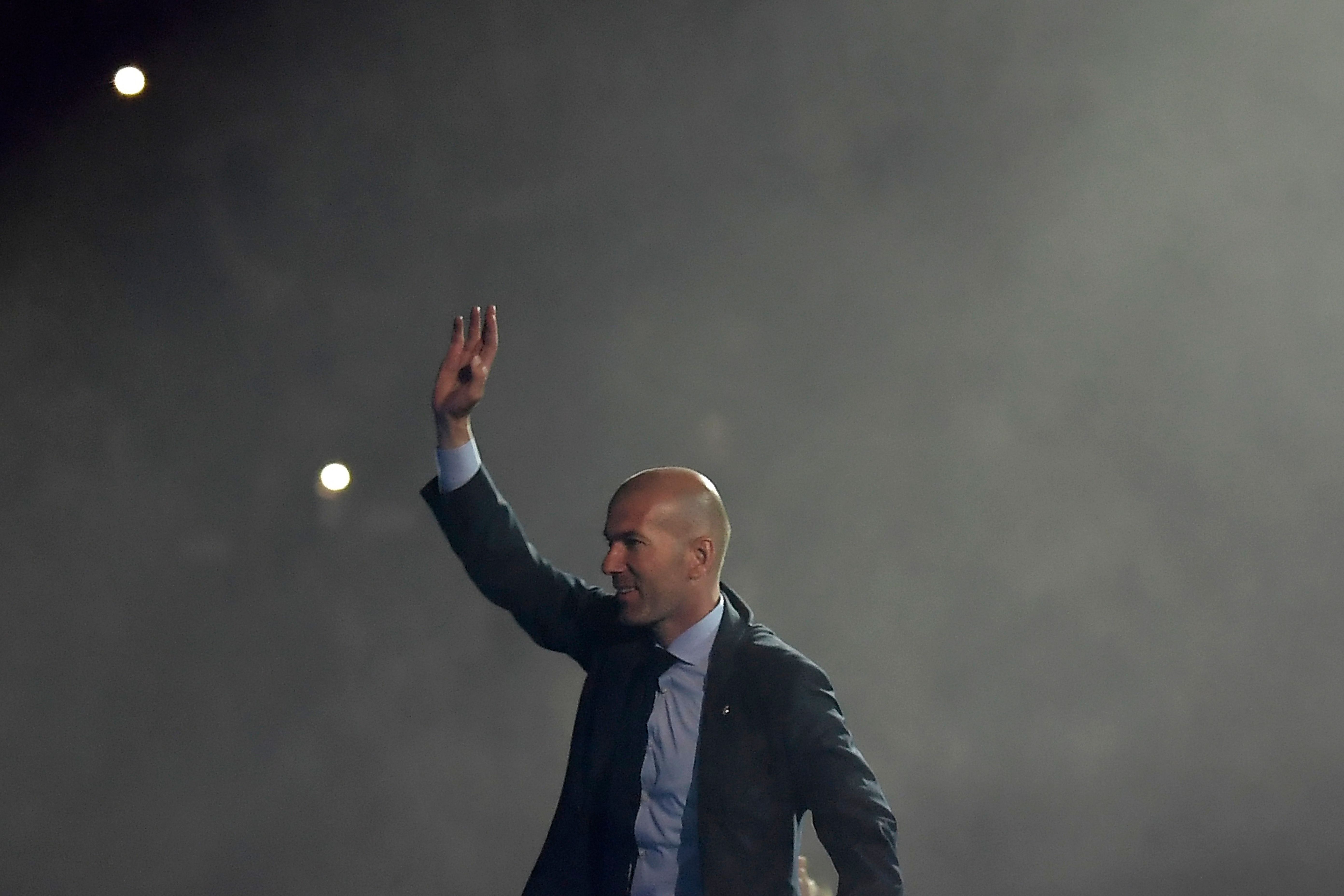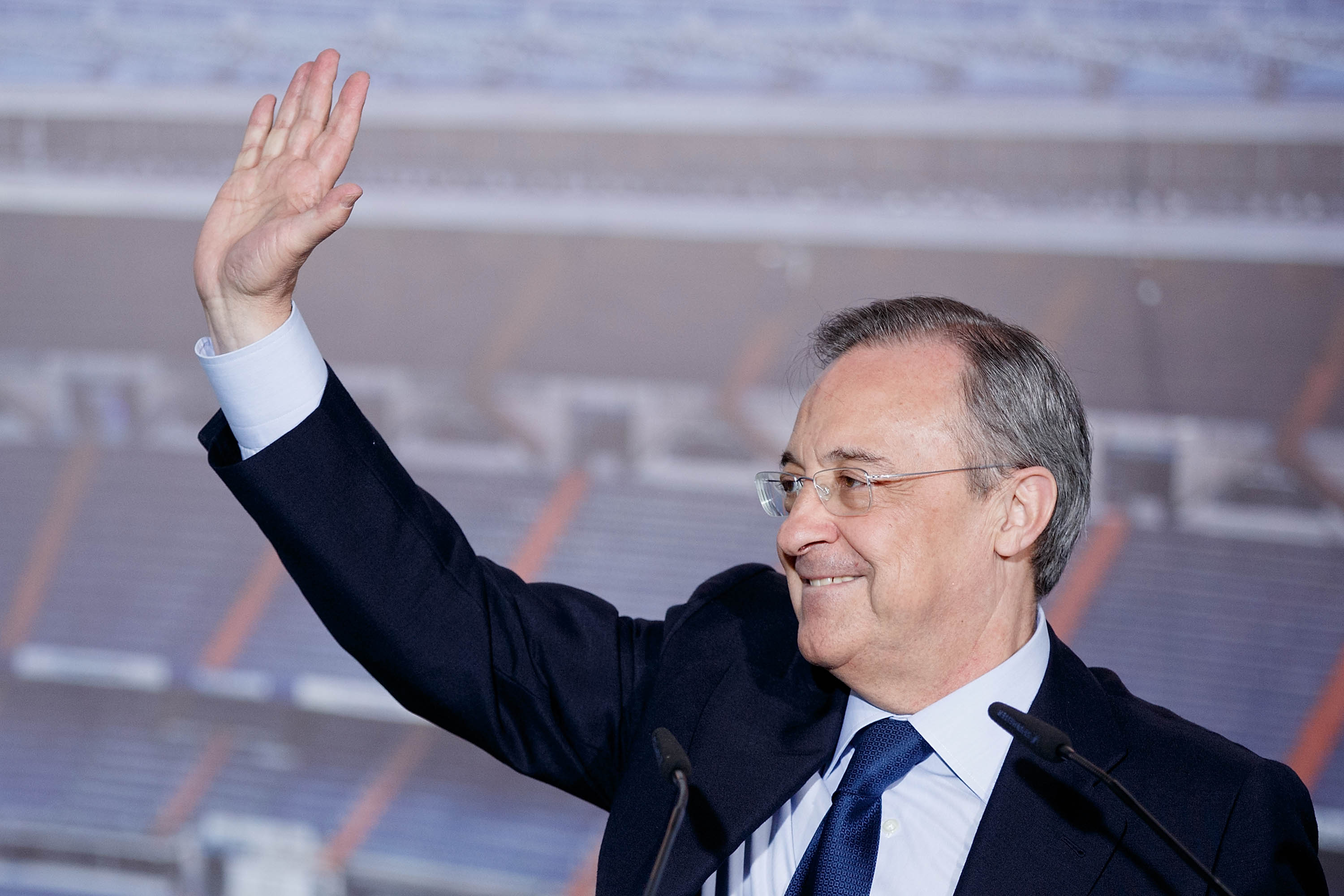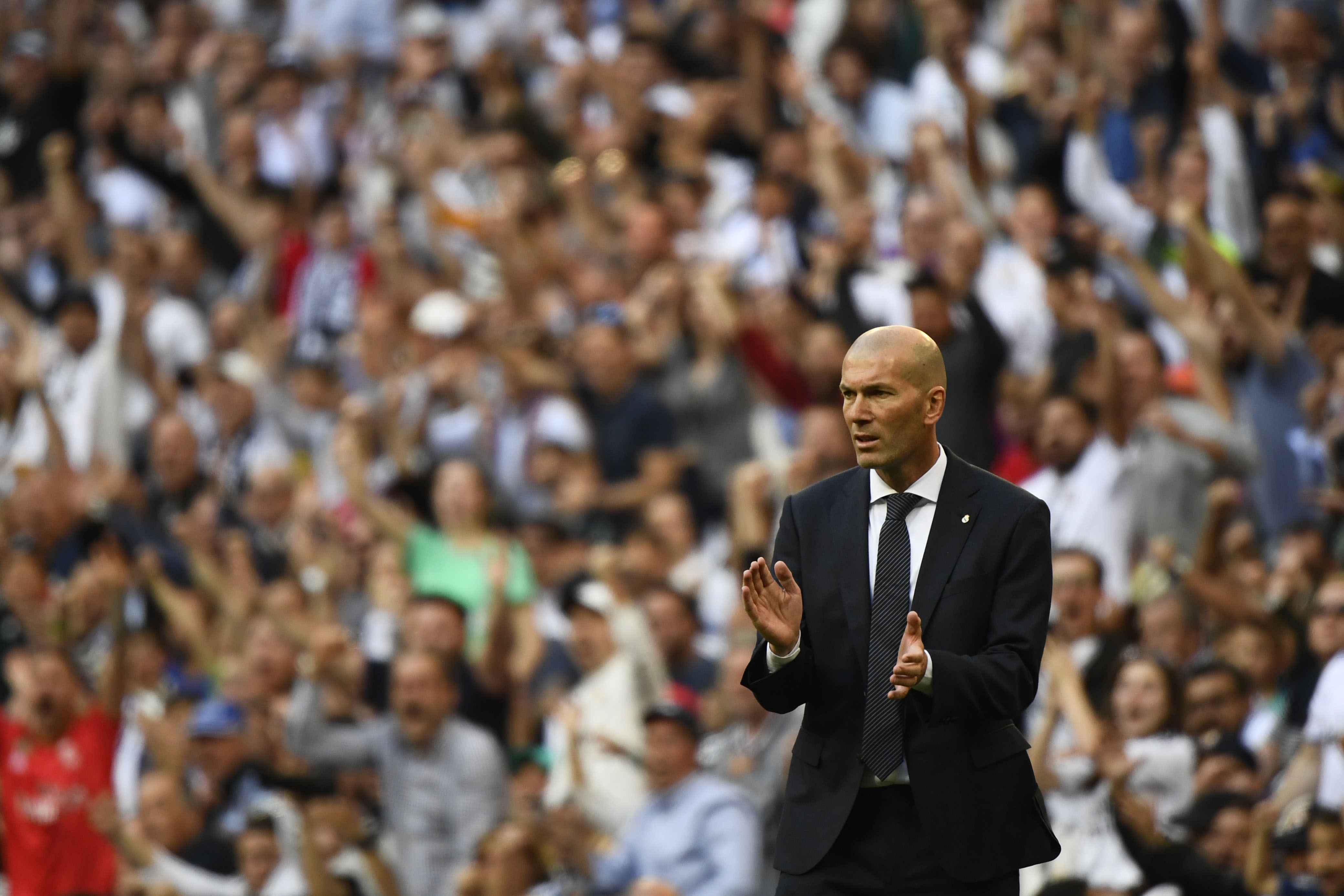
France have not had to look far for the perfect successor, and Zinedine Zidane may be the rare figure capable of turning a great team into a dominant one.
Zinedine Zidane is the right man for France because he offers something rare in international football, elite credibility, proven winning instinct and the calm authority to manage a dressing room full of stars. He does not simply feel like a popular appointment; he feels like the natural next chapter for a team that has already spent years at the top of the game.
A fitting handover
France’s transition from Didier Deschamps to Zinedine Zidane carries real symbolic weight. Deschamps built a team that became one of the most reliable forces in world football, but his successor brings a different kind of presence; quieter, more magnetic and deeply connected to the national team’s golden history.
That matters because modern international football is not just about systems; it is about trust, identity and the ability to turn a talented squad into a unified force.
Zidane’s return also gives the job an emotional edge. Nearly two decades after ending his playing career in a World Cup final, he is back where much of his legend was forged, now in charge of the nation that made him a global icon. For France, that creates a powerful sense of homecoming rather than mere succession.
Winning mentality
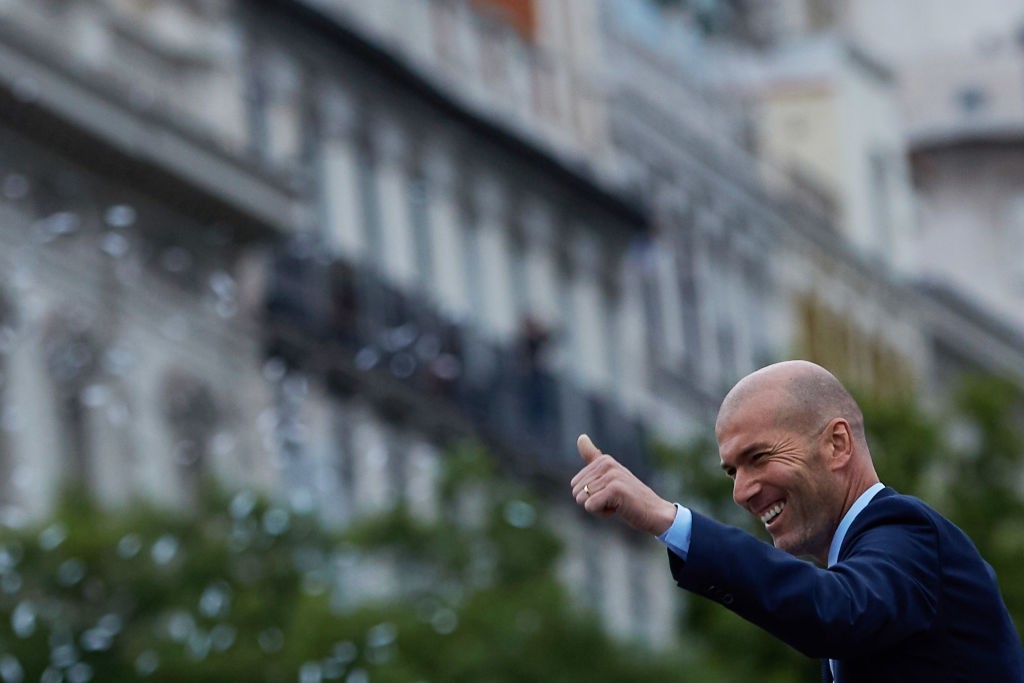
What separates Zidane from many other candidates is that he has already done the hardest thing in football, won at the very highest level, repeatedly. As a player, he delivered when the stakes were enormous, scoring twice in the 1998 World Cup final and then helping France to Euro 2000.
As a coach, he led Real Madrid to three straight UEFA Champions League titles, a feat no other modern manager has matched. That history matters for a national team because tournament football is built on pressure moments.
France do not need a coach who is learning how to survive big nights; they need one who already understands them. Zidane’s record suggests a man who can steady a squad when the margins become thin, and the noise becomes loud.
Aura and authority
International football is full of tactical experts, but not every coach can command a room packed with elite personalities. Zidane can. His aura is not manufactured by publicity or long speeches; it comes from achievement, elegance and the respect he has earned across the game.
That kind of authority can be especially useful with France, whose squad is typically filled with players from the biggest clubs and with very little patience for weak leadership. The best national-team coaches often act less like club managers and more like selectors, motivators and problem-solvers. Zidane’s profile suits that role perfectly.
At Real Madrid, he was not known for rigid ideology, but he was excellent at managing egos, rotating senior players and keeping a superstar dressing room focused on the same target. That skill feels tailor-made for France.
Tactical fit
Zidane may not be the sort of coach who is defined by a single tactical blueprint, yet that can actually be a strength in international football. National teams have limited time on the training ground, so clarity, balance and emotional control often matter more than elaborate weekly detail.
Zidane’s Real Madrid sides were built on defensive control, midfield authority and ruthless efficiency in knockout matches. France already have the raw material for that sort of team.
They possess pace, power, technical quality and depth across the pitch. Zidane’s job would be to give that talent a sharper identity, while ensuring the side remains flexible enough to adapt in different tournament situations. In that sense, he looks less like a gamble and more like a manager who can refine an already elite structure.
Didier Deschamps’s standard
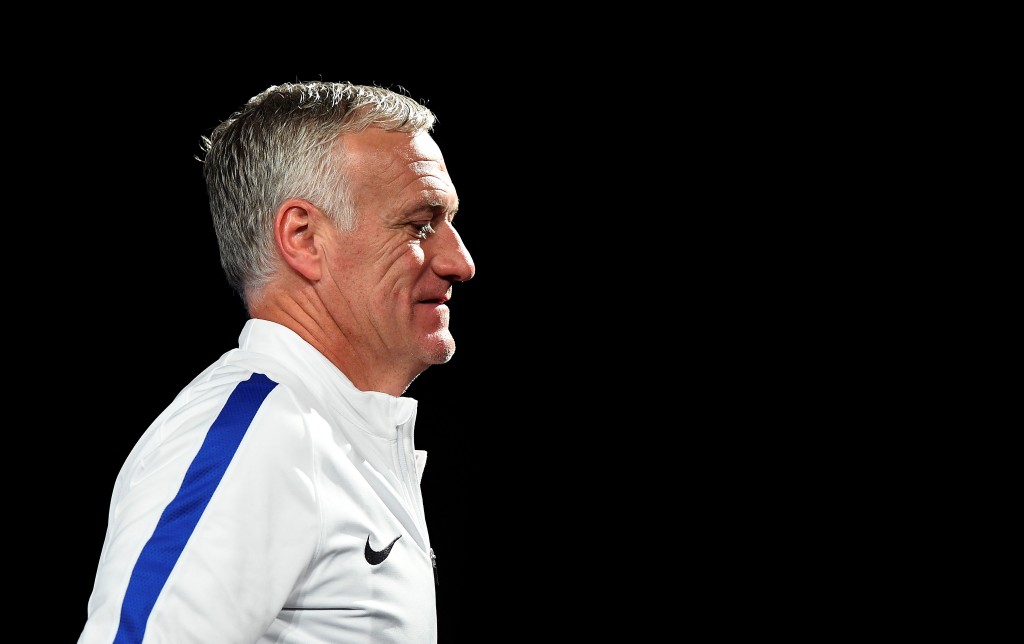
Deschamps leaves behind a serious legacy, and that is important context for Zidane’s arrival. He guided France to the 2018 World Cup title and turned them into a perennial contender at major tournaments. He gave the team resilience, consistency and a winning habit that should not be underestimated.
Yet the next phase calls for renewal as much as continuity. France do not need to abandon Deschamps’s achievements; they need to build on them. Zidane can inherit a squad shaped by success and then bring a fresh emotional current to it. That is a rare advantage for any incoming coach, let alone one of the few figures who can elevate the mood of an entire football nation simply by standing on the touchline.
A new era
If France want the next era to feel bigger than the last, Zidane is the ideal choice. The 54-year-old has the history, the stature and the football intelligence to carry the project forward without shrinking under expectation.
More importantly, he has the personal connection to the role that makes the appointment feel meaningful rather than opportunistic. This is not just about Zidane finally getting a job he has long been linked with.
It is about France placing their faith in a figure who symbolises their finest footballing memories and their highest ambitions at the same time. That combination is difficult to find, and even harder to replace.
While there won’t be wholesale changes in the style of football they play, there will certainly be some alterations in terms of what roles certain players have. Moving ahead, there could be more opportunities for younger and more creative players in the centre of the park to give them something they have not had under Deschamps since Pogba’s career got derailed.