
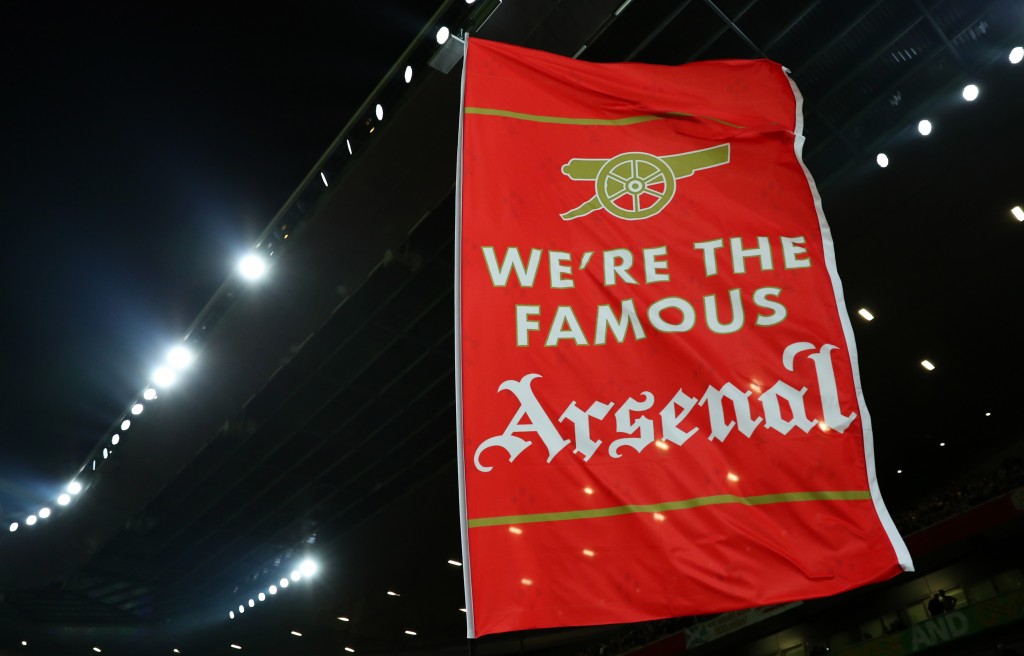
Arsenal ended a 22-year wait for the Premier League title, with Mikel Arteta’s vision, squad depth, and resilience finally delivering glory.
Arsenal’s long wait for a Premier League title finally came to an end, 22 years after their last triumph, marking the culmination of a near seven-year rebuild under Mikel Arteta. The decisive moment arrived over the weekend, as Arsenal did their job with a composed win over Burnley while Manchester City stumbled away at Bournemouth, opening the door for the Gunners to step through.
Yet, this was no smash-and-grab success built on a single weekend; it was the product of sustained excellence across the campaign. Arsenal combined defensive resilience with attacking consistency, navigating both domestic and European commitments with growing assurance.
Unlike previous seasons where they faltered in the final stretch, this time there was a calm authority about their run-in. Arteta’s side showed an ability to win tight games, grind out results under pressure, and respond to setbacks without losing direction.
The title was not just secured on points, but on evolution, of a team that has steadily learned from failure, refined its identity, and ultimately delivered on its promise. Here are five reasons why Arsenal have become Premier League champions this season.
Squad Depth and Maturity
One of the defining features of Arsenal’s title-winning season has been the strength and balance of their squad, a quality that has been years in the making. Mikel Arteta’s rebuild was never about quick fixes; it involved carefully removing players who did not fit his philosophy while steadily introducing those who could elevate the team both technically and mentally. The result is a squad that is not only deep but also aligned in purpose.
This depth proved crucial across a demanding season. Injuries, fixture congestion, and dips in individual form are inevitable. However, Arsenal were able to rotate without significant drop-offs in performance. Whether it was defensive reinforcements stepping in seamlessly or attacking options providing fresh impetus, Arteta consistently had solutions at his disposal.
Equally important has been the maturity of the group. Having finished second on three separate occasions in recent years, this squad has endured the frustration of coming close without finishing the job. Those experiences have hardened them.
There is a visible composure in high-pressure moments, a better understanding of game management, and a collective belief that they could finally get over the line. This combination of depth and maturity has transformed Arsenal from contenders into champions.
Goals Shared Across the Team
The arrival of Viktor Gyokeres in the summer was widely viewed as the final piece in Arsenal’s attacking puzzle. A prolific striker was expected to be the difference-maker, the player who would convert Arsenal’s dominance into goals and, ultimately, points. While Gyokeres delivered a respectable goal tally and played an important role in leading the line, the title was not won on the back of one player’s output.
Instead, Arsenal’s success stemmed from a far more nuanced and collective attacking approach. Arteta ensured that goals were distributed across the team, making Arsenal less predictable and harder to defend against.
Midfielders consistently contributed with late runs into the box, wide players added both goals and assists, and even defenders chipped in during set-piece situations. This spread of responsibility meant that Arsenal were not overly reliant on Gyokeres or any single attacker during lean spells.
There were phases in the season where Gyokeres went through quieter periods, but Arsenal continued to pick up results because others stepped up. This collective scoring model also allowed Arteta to maintain tactical flexibility, as the team could adapt its attacking patterns depending on the opposition without compromising output.
Ultimately, it was this diversity in goal sources that proved decisive. Arsenal were not just dangerous; they were consistently so, from multiple areas of the pitch. In a league as competitive as the Premier League, that unpredictability gave them a crucial edge over their rivals.
Mikel Arteta’s Commitment to His Style
Throughout the season, Mikel Arteta faced persistent scrutiny over Arsenal’s style of play. Critics often pointed to a perceived lack of fluency in the final third, suggesting that the team’s structured approach made chance creation look laboured. There were calls for greater pragmatism, for a shift towards a more direct or risk-averse style, especially during tightly contested matches.
Arteta, however, remained steadfast. He resisted the temptation to deviate from his principles, trusting the framework he had spent years building. While Arsenal’s attacking play did not always appear free-flowing, it was underpinned by control, positional discipline, and a clear emphasis on minimizing risk.
The issue was not a lack of intent, but rather the precision required in the final third. Arsenal often had to work hard for their goals, patiently breaking down organised defences rather than overwhelming them with spontaneity. This occasionally fed into the narrative that they were too rigid, but it also ensured that they were rarely exposed defensively.
By staying true to his philosophy, Arteta created a team that was structurally sound and mentally resilient. They consistently managed games well, avoided chaotic situations, and found ways to secure results even when performances were not at their most fluid. In the end, this unwavering commitment to a defined style provided the stability needed to sustain a title challenge across the entire season.
Team Cohesion Amid Disruption Helped Arsenal
Injuries have been a recurring theme for Arsenal, and this season was no different. Ranking among the highest in terms of injuries across the league, they were frequently deprived of a settled starting eleven. Yet, rather than derailing their campaign, this adversity highlighted one of their greatest strengths: team cohesion.
Cohesion, in this context, goes beyond familiarity between players. It reflects a deep understanding of roles, responsibilities, and tactical expectations. Every player who stepped into the side appeared well-drilled and fully aware of what was required, a testament to Arteta’s coaching and the clarity of his system.
Even without extended periods of consistency in selection, Arsenal maintained a strong collective identity. Defensive units remained organised, midfield rotations functioned smoothly, and attacking patterns retained their structure. This continuity allowed them to navigate disruptions without significant loss of rhythm.
Moreover, there was a visible sense of unity within the squad. Players embraced their roles, whether as starters or rotational options, contributing to a healthy competitive environment. This collective buy-in ensured that the team remained focused on its objectives despite the challenges posed by injuries.
In many ways, this cohesion was as important as tactical quality. It enabled Arsenal to absorb setbacks, maintain performance levels, and ultimately sustain their push for the title when lesser-organised sides might have faltered.
Arsenal Ownership’s Patience Pays Off
Patience is often in short supply at the top level of English football, where managerial tenures are frequently dictated by short-term results. Mikel Arteta’s journey at Arsenal could easily have followed that familiar trajectory, particularly during the difficult phases of 2021 and 2022 when results and performances drew heavy criticism.
However, Arsenal’s ownership chose a different path. Rather than reacting to external pressure, they maintained their faith in Arteta and the long-term vision he had laid out. This decision proved pivotal. It allowed the club to build with continuity, avoiding the disruptions that often accompany managerial changes.
Over time, that patience translated into tangible progress. The squad improved incrementally, recruitment became more targeted, and the club developed a clear identity both on and off the pitch. Even during setbacks, there was a sense of direction that prevented the project from unravelling.
The title win is, therefore, as much a validation of the ownership’s approach as it is of Arteta’s coaching. By resisting the urge to make reactive decisions, they created an environment where sustained growth was possible.
Looking ahead, there is also a clear commitment to further strengthening the squad. The ownership now finds itself in a position of stability and ambition, ready to build on this success rather than simply celebrate it. In a league defined by fine margins, that continued backing could be the key to ensuring Arsenal remain at the summit rather than viewing this title as a one-off achievement.