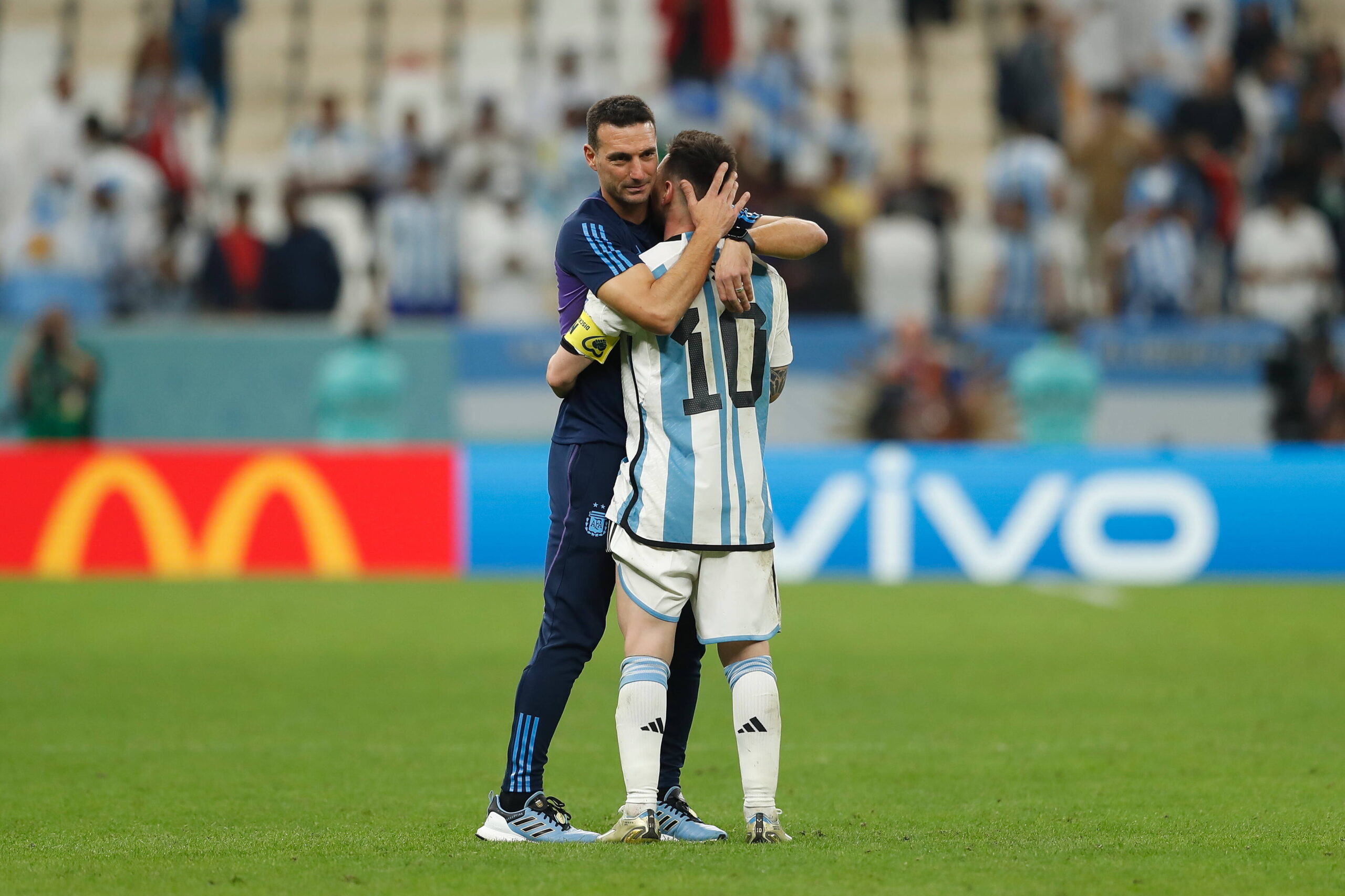
Argentina’s dramatic semi-final victory over England reinforced a familiar narrative.
Give Lionel Scaloni’s side enough time, enough territory and enough belief, and they will eventually find a way. England learned that lesson the hard way after retreating into their shell, allowing the reigning world champions to dictate the second half before turning the match around with two goals.
But if that semi-final showcased Argentina’s relentless mentality, it also highlighted something that Spain will have studied carefully ahead of the World Cup final. England’s biggest mistake was not merely sitting deep, it was surrendering control of the football. That is precisely what Spain are built to avoid.
England surrendered the initiative
For much of the first half, England looked capable of executing a disciplined game plan. After taking the lead, they had an opportunity to continue asking questions of Argentina by maintaining attacking outlets and forcing the South Americans to defend transitions. Instead, the tactical changes transformed the contest.
By withdrawing attacking players and prioritising defensive solidity, England effectively removed any threat of sustained possession in advanced areas. Argentina’s defenders no longer had to worry about runners behind them or sustained pressure during the build-up. Every clearance eventually came straight back because England could neither retain possession nor progress through midfield. That changed the entire rhythm of the game.
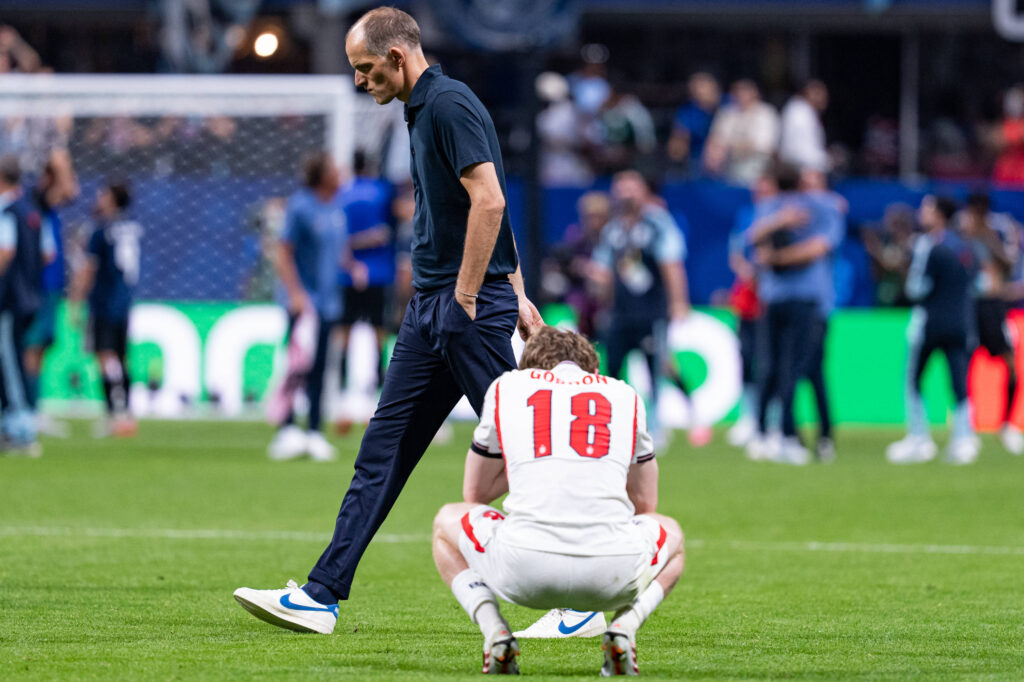
Argentina were able to commit more players forward, pin England inside their own defensive third and recycle possession repeatedly without fearing dangerous counter-attacks. The pressure became relentless, and eventually the breakthrough arrived. It was less about individual errors than about territorial dominance. England simply ceded too much of the pitch.
Spain’s philosophy is fundamentally different
Spain, however, operate according to an entirely different footballing philosophy. Rather than defending by sitting deeper and absorbing wave after wave of pressure, they defend by monopolising possession. The objective is not simply to prevent opponents from creating chances but to deny them the ball altogether. This distinction could prove decisive against Argentina.
Spain are comfortable slowing the game down when necessary, accelerating with quick combinations when opportunities arise, and maintaining long spells of possession that frustrate opponents. They rarely allow matches to become emotional end-to-end contests because they dictate the tempo.
Against a side like Argentina, whose intensity often grows when matches become chaotic, that control becomes incredibly valuable. If Spain can establish their passing rhythm early, Argentina may spend significantly longer defending than they did against England.
Midfield could decide everything
The biggest contrast between England and Spain lies in midfield. The Three Lions possess talented players in Declan Rice and Elliot Anderson, but throughout the semi-final, they struggled to provide the composure required once Argentina began pressing aggressively.
Too often, England’s midfield became reactive rather than proactive. Instead of demanding the ball under pressure, turning away from challenges, and calming the tempo, possession was hurriedly recycled or surrendered altogether. Once that happened, England lost the ability to breathe. Spain’s midfield is built for precisely these situations.
Rodri has established himself as one of world football’s finest controlling midfielders because of his extraordinary calm under pressure. Whether receiving the ball with opponents closing rapidly or orchestrating attacks from deep positions, he consistently makes the correct decision. Alongside him, Fabian Ruiz offers another dimension.
His intelligence between the lines, ability to receive on the half-turn and willingness to retain possession rather than forcing risky passes make Spain exceptionally difficult to press effectively. Neither player panics when surrounded. Instead, they invite pressure before playing through it. That level of press resistance fundamentally changes matches.
Argentina’s high-energy pressing can overwhelm teams lacking technical security, but against Spain, every pressing wave risks being bypassed with a single clever pass or a quick combination. Once Spain beat the first line of pressure, space began opening across the pitch.
Why press resistance matters
Press resistance has become one of football’s defining qualities at the highest level. The ability to receive possession while under immediate pressure, protect the ball and play forward prevents opponents from generating momentum. England struggled in this area.
When Argentina increased their intensity after half-time, England’s midfield frequently found itself unable to escape pressure. Passes became rushed, clearances became inevitable, and possession repeatedly changed hands. Spain rarely suffer from those problems.
Rodri and Fabian Ruiz consistently position themselves to create passing angles, while Spain’s defenders remain comfortable playing through pressure rather than bypassing the midfield entirely.
That means Argentina’s pressing, one of their greatest strengths, may not produce the same territorial dominance that proved decisive against England. Instead of winning second balls around Spain’s penalty area, Argentina may find itself chasing possession for extended periods.
The importance of scoring first
One fascinating tactical subplot concerns what happens if Spain take the lead. England scored first but abandoned the principles that had brought them success. Spain are unlikely to follow that path.
If La Roja move ahead, they are far more likely to continue controlling possession than retreating into a low block. Rather than defending with numbers behind the ball alone, Spain defends with the ball itself. Every passing sequence forces opponents to expend energy pressing. Every prolonged spell of possession limits Argentina’s attackers’ opportunities to influence proceedings. That creates a completely different psychological challenge.
Argentina thrive when opponents become anxious. Spain’s confidence in possession means panic rarely enters the equation. Instead of inviting sustained pressure, they can simply circulate possession across midfield, forcing Argentina to remain patient. Over ninety minutes, that could become physically and mentally exhausting.
France already showed the blueprint
Argentina need only look at Spain’s earlier tournament performances for evidence of this challenge. Against France, Spain demonstrated exactly why they are considered among the world’s elite possession sides.
Even when France increased the intensity of their pressing, Spain consistently found ways to escape. Their technical security prevented France from sustaining territorial pressure, while intelligent movement ensured passing options remained available across the pitch. As a result, France struggled to pin Spain back for prolonged periods. That contest offered an important tactical lesson.
Pressing alone is rarely enough against Spain. Without coordinated pressing triggers and exceptional individual duels, opponents often spend enormous energy chasing shadows while Spain patiently manipulates space. Argentina will undoubtedly believe they possess greater collective intensity than France, but the underlying challenge remains similar. Winning the ball from Spain consistently is one of football’s hardest tasks.
Argentina remain dangerous
None of this diminishes Argentina’s own qualities. Few international teams possess their resilience, competitive mentality or ability to respond during difficult moments. Their semi-final comeback demonstrated remarkable belief and tactical flexibility.
Even when matches appear to drift away, Argentina rarely lose composure. They continue searching for weaknesses, increasing their intensity and trusting that opportunities will emerge. Lionel Messi remains capable of producing decisive moments regardless of tactical context, while Argentina’s supporting cast has repeatedly shown they can deliver under enormous pressure.
Lionel Scaloni’s side also defends transitions exceptionally well and possesses enough experience to avoid becoming emotionally overwhelmed by Spain’s possession. That balance ensures the final is unlikely to become one-sided, regardless of who dominates possession.
Fine margins will define the final
World Cup finals are rarely decided solely by possession statistics or tactical diagrams. Individual brilliance, set pieces, refereeing decisions, and moments of inspiration often outweigh carefully constructed game plans. Yet stylistically, this final presents one of the tournament’s most fascinating contrasts.
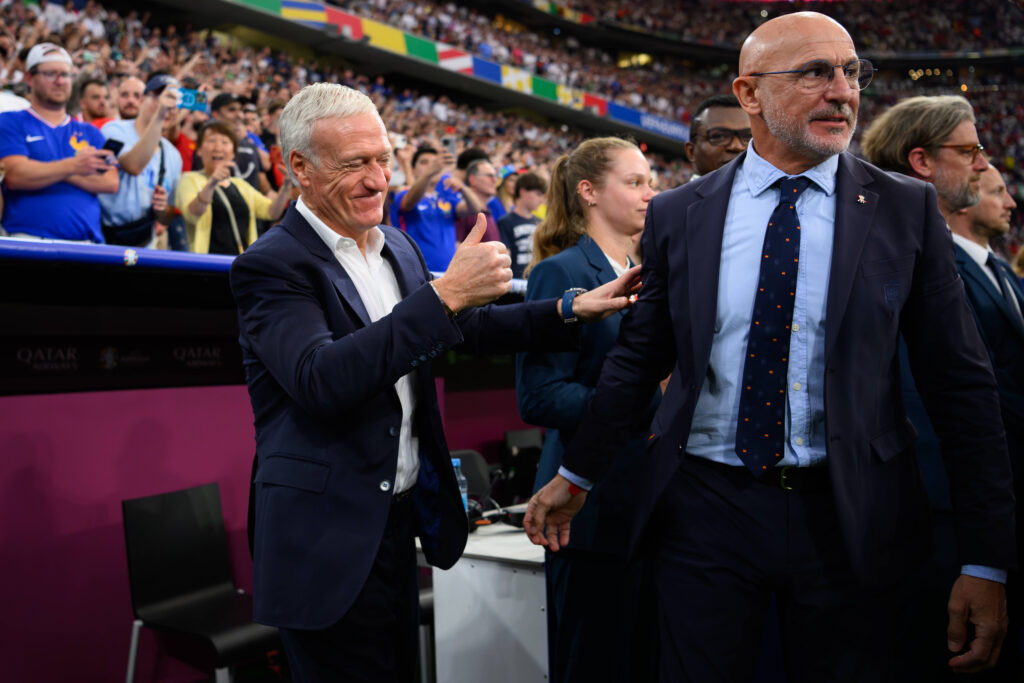
Argentina excel when games become emotional, intense and physically demanding. Spain prefer rhythm, patience and control. England attempted to defend their lead by surrendering possession. Luis de la Fuente’s charges are far more likely to defend by keeping possession. That distinction could define everything.
If Argentina manage to disrupt Spain’s midfield, force turnovers high up the pitch and transform the contest into a series of transitions, they will fancy their chances of lifting another World Cup. But if Rodri, Fabian Ruiz and Spain’s technically gifted midfield establish control, recycle possession under pressure and dictate the pace, the world champions could find themselves facing a very different challenge from the one they overcame in the semifinal.
England allowed Argentina to play on their terms. Spain’s greatest strength is ensuring matches are played on their turf. That is why the reigning world champions face arguably their toughest tactical examination of the tournament, and why this World Cup final promises to be far more than simply a battle between two outstanding teams. It is a contest between two completely different footballing philosophies, where control of the ball may prove every bit as important as control of the scoreboard.