Five young stars lit up the 2026 FIFA World Cup, proving football’s next generation is ready to shine on its biggest stage.
The 2026 FIFA World Cup will be remembered for Spain’s second global triumph, sealed by a 1-0 extra-time win over Argentina. But it was also a reminder that the game’s future is already here. Established superstars set the standard across the United States, Canada and Mexico, yet a group of young footballers carried responsibility that would test even the most seasoned professionals.
Pau Cubarsi, Lamine Yamal, Johan Manzambi, Nico O’Reilly and Ayyoub Bouaddi emerged from the tournament with their reputations enhanced. They did not all carry the same burden or play the same role: one controlled a World Cup-winning defence, another distorted opposition plans from the wing, while others provided energy, invention and composure for sides with major ambitions.
What connected them was their readiness for the biggest stage. Cubarsi was named FIFA’s Young Player of the Tournament after anchoring a Spain defence that conceded only once across eight matches, while Yamal, O’Reilly, Manzambi and Bouaddi showed that talent matters most when it is matched by calmness and conviction
Pau Cubarsi
Pau Cubarsi entered the World Cup with questions over whether a 19-year-old could handle Spain’s defence alongside the experienced Aymeric Laporte. He answered them emphatically, becoming a constant presence in a side that won the tournament while conceding only once before the final.
His value went beyond clean sheets. Cubarsi combined sharp one-on-one defending with unusually assured distribution, completing more through balls than any other player at the tournament and ranking behind only Rodri and Laporte among Spain’s leading passers before the final.
Winning the Young Player of the Tournament award was a fitting conclusion. At an age when most centre-backs are still learning their craft, Cubarsi looked composed, authoritative and capable of dictating the rhythm of matches from the back.
Lamine Yamal
Lamine Yamal did not always deliver the headline goals expected of a player frequently compared with Lionel Messi, but Spain’s opponents still treated him as their main danger. His ability to change a game with one touch, turn or pass forced teams to keep close control of him.
That focus on Yamal often helped Spain elsewhere. Defences shifted extra players towards his flank, creating room for teammates in other attacking areas, while he also played an important role in the move that led to Ferran Torres’s goal.
Yamal remains at the start of what could be a remarkable international career. He has already collected major honours with club and country, but his talent and ambition suggest he will keep chasing the biggest individual prize in football: the Ballon d’Or.
Johan Manzambi
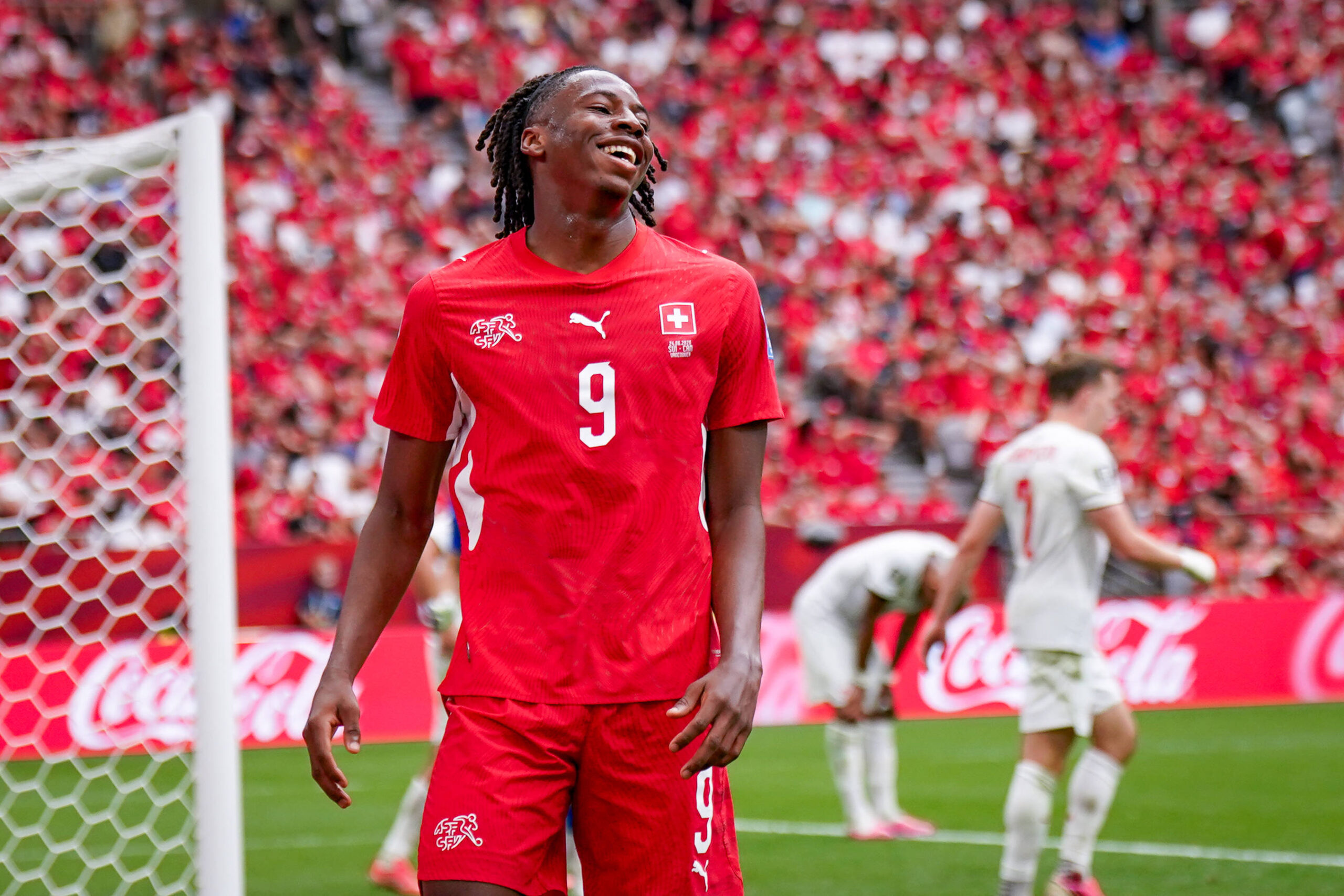
Johan Manzambi’s World Cup ended prematurely because of a knee injury suffered before Switzerland’s round-of-16 match. His absence was deeply felt as the Swiss eventually exited in the quarter-finals against Argentina, leaving supporters to wonder what might have happened with their most electric attacker available.
Before the injury, Manzambi had made a major impression. He registered three goals and two assists in four appearances, finishing as Switzerland’s top scorer, while his two-goal display against Bosnia and Herzegovina and assist against Algeria highlighted his ability to produce decisive moments.
Aston Villa’s record move for a Swiss player underlines the growing expectations around him. Manzambi must now translate his brief but compelling World Cup impact into regular Premier League production, while also becoming a long-term attacking option for Switzerland.
Nico O’Reilly
Thomas Tuchel took a considerable risk by making Nico O’Reilly England’s starting left-back. The decision was even bolder given that Luke Shaw was overlooked and Lewis Hall was not selected, leaving a young player still developing his senior identity with a huge responsibility.
O’Reilly justified the trust by making the role feel natural. His technical quality, physical presence and confidence when stepping into midfield gave England a balance that conventional full-backs do not always provide, building on the calm and intelligent qualities noted after his international debut.
The World Cup strengthened the argument that left-back is O’Reilly’s best long-term position. England should not rush to declare the issue solved for a decade, but his displays suggest they have found a player capable of owning that shirt for many years.
Ayyoub Bouaddi
Ayyoub Bouaddi stood out because of the maturity he showed in a role that normally demands experience. Like Cubarsi, he took responsibility in a crucial central area despite his age, starting Morocco’s opener against Brazil and quickly becoming the manager’s preferred midfield choice.
Morocco reached the quarter-finals, and Bouaddi started all five matches, playing 384 minutes and completing 235 passes. His performance against Brazil was particularly striking, as he competed confidently against Casemiro and Bruno Guimaraes rather than looking overawed by the occasion.
His tournament has strengthened talk of a major transfer, with Manchester City reportedly pursuing a deal worth around £85 million. Other reports have linked him with Barcelona, Chelsea, and Liverpool. More importantly, Bouaddi already looks like a potential long-term leader: a midfielder with the calmness, discipline and courage to shape matches for Morocco and whichever club secures his future