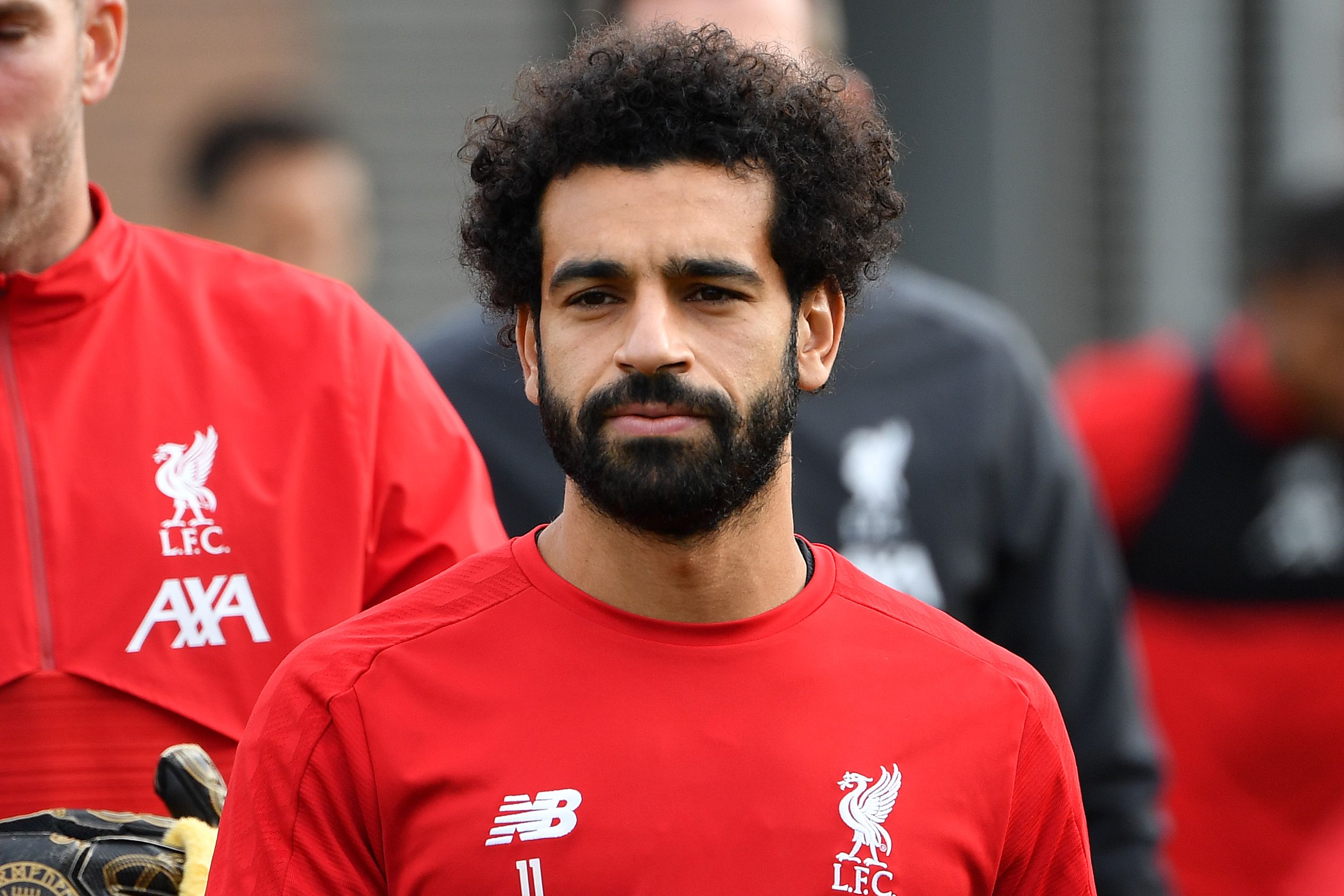
Liverpool supporters will forever regard Mohamed Salah as one of the greatest players to wear the famous red shirt.
His legacy is secure. His place among the club’s all-time icons is beyond debate. Mohamed Salah transformed Liverpool’s fortunes, helped deliver the club’s first Premier League title, won the Champions League, and established himself as arguably the most influential forward in modern Liverpool history. That, however, should not cloud the decision facing the club this summer.
Recent speculation has suggested that Liverpool could reconsider Salah’s departure following behind-the-scenes changes. Arne Slot was reportedly instrumental in the Egyptian’s decision to leave, and with the Dutchman no longer in charge, rumours have inevitably emerged that a reunion could be on the cards. Liverpool should not entertain it; by the looks of it, they are not.
Should Liverpool keep Salah?
As difficult as it may be emotionally, this is precisely the moment when the club must wipe the slate clean and move forward. Great teams are built not only by recognising when to acquire elite talent but also by understanding when to let go of legendary figures. The uncomfortable truth is that Salah is no longer the player he once was.
That statement would have been unthinkable just a few years ago. The 34-year-old spent the better part of a decade defying conventional ageing curves. While other forwards experienced sharp declines in their early thirties, the Egyptian remained productive through a combination of elite fitness, intelligence and professionalism. Yet football eventually catches everyone.
The explosive acceleration that once terrified full-backs is not quite what it used to be. The ability to repeatedly beat defenders in one-versus-one situations has gradually diminished. His overall influence in matches is becoming increasingly dependent on moments rather than sustained dominance. None of this means Salah is a poor player. Far from it.
He remains capable of producing goals, assists and decisive moments. Many clubs around the world would gladly build their attack around him. But Liverpool are not trying to be merely good. They are trying to remain the best. That distinction matters.
The standards at Liverpool should not be based on whether a player can still contribute. They should be based on whether that player remains central to the club’s long-term ambitions. The answer in Salah’s case is increasingly becoming no.
The Merseyside club’s recent success has been built on making difficult decisions before decline becomes irreversible. The club moved on from established stars despite criticism at the time. Those decisions were often unpopular but ultimately proved correct because they prioritised the future over sentiment.
Football history is littered with examples of elite clubs holding on to legends for too long. Supporters desperately want to relive past glories. Executives become fearful of backlash. Managers hesitate to make ruthless decisions. The result is often predictable.
Squads grow older, wages rise, and younger players see fewer opportunities to develop. Eventually, the club enters a painful transitional period that could have been avoided. Liverpool have largely escaped that trap over the past decade because they have shown a willingness to plan ahead. This is another one of those moments.
The biggest argument for moving on is not even Salah’s individual decline. It is the reality of Liverpool’s future. The club must begin building the next great attacking unit.
Every successful dynasty eventually faces regeneration. The players who delivered trophies cannot remain forever. Liverpool supporters witnessed that reality when Steven Gerrard’s era came to an end. Manchester United experienced it after the departures of numerous stars from the Sir Alex Ferguson era. Even Pep Guardiola’s Manchester City have repeatedly refreshed their squad despite winning almost everything available. Liverpool are entering a similar phase. The next generation needs space to emerge.
Keeping Salah would inevitably delay that process. Regardless of form, reputation guarantees influence. Reputation guarantees playing time. Reputation guarantees tactical compromises designed to accommodate a superstar.
Those compromises make sense when the superstar remains among the best players in the world. They become far less logical when the player’s peak years are clearly behind him. Liverpool need to identify who will lead the attack for the next five years, not who led it during the previous eight.
That process cannot begin properly while one eye remains fixed on the past. There is also a financial argument that should not be ignored. Elite football clubs increasingly succeed by managing resources efficiently. Emotional decisions are often expensive decisions.
Even if Salah were willing to return, Liverpool would almost certainly be committing significant wages and substantial resources to a player entering the final stage of his career. Those resources could instead be invested in younger talent with resale value and developmental upside.
The modern game moves quickly. Every pound committed to a veteran star is a pound that cannot be spent identifying the next Salah. Liverpool’s recruitment department built its reputation on finding tomorrow’s stars rather than paying for yesterday’s achievements. Abandoning that philosophy now would represent a significant shift away from the principles that helped turn the club into a European powerhouse.
Some supporters will understandably argue that world-class experience remains invaluable. They are correct. There is always room for experienced leaders within elite squads. The problem is that Liverpool already possess experienced figures capable of guiding younger teammates. More importantly, leadership alone cannot justify reversing a major strategic decision.
If the club concluded months ago that moving on from Salah represented the best path forward, what exactly has changed?
The departure of a manager should not fundamentally alter Liverpool’s long-term succession planning. If anything, a managerial transition should reinforce the importance of maintaining a clear club-wide vision rather than allowing individual circumstances to dictate recruitment decisions.
The strongest football institutions think beyond individual managers. They think beyond individual players. They think in cycles. That is exactly what Liverpool must do now. Perhaps the most compelling reason to resist a U-turn is the legacy question.
Sport rarely offers perfect endings.
Many legendary players stay too long, leaving supporters with memories of decline rather than greatness. Their final chapters are dominated by discussions of lost pace, reduced influence, and diminishing returns. Salah deserves better than that.
His Liverpool story already has everything. The goals. The records. The trophies. The unforgettable moments. The transformation from a talented winger into a global superstar. There is nothing left for him to prove.
Rather than risk a prolonged and uncomfortable decline, Liverpool should allow the relationship to conclude with dignity and appreciation. Supporters will remember the Salah who destroyed Premier League defences, not the version struggling to recreate those same moments years later.
That is how sporting legends should be remembered. Liverpool owe Salah enormous gratitude. They owe him recognition, respect and admiration. What they do not owe him is another contract simply because of what he achieved in the past. Football’s harsh reality is that decisions must be based on tomorrow rather than yesterday.
Salah helped build one of the greatest eras in the Merseyside outfit’s modern history. His contribution will never be forgotten. But the future of Liverpool Football Club cannot be dictated by nostalgia.
The club’s next chapter is waiting to be written. New leaders must emerge. New stars must be trusted. New foundations must be laid. Reversing course now would only delay the inevitable.
Liverpool should thank Mohamed Salah for everything, celebrate his remarkable legacy and move forward with conviction. Sometimes the hardest decisions are also the correct ones. This is one of them.