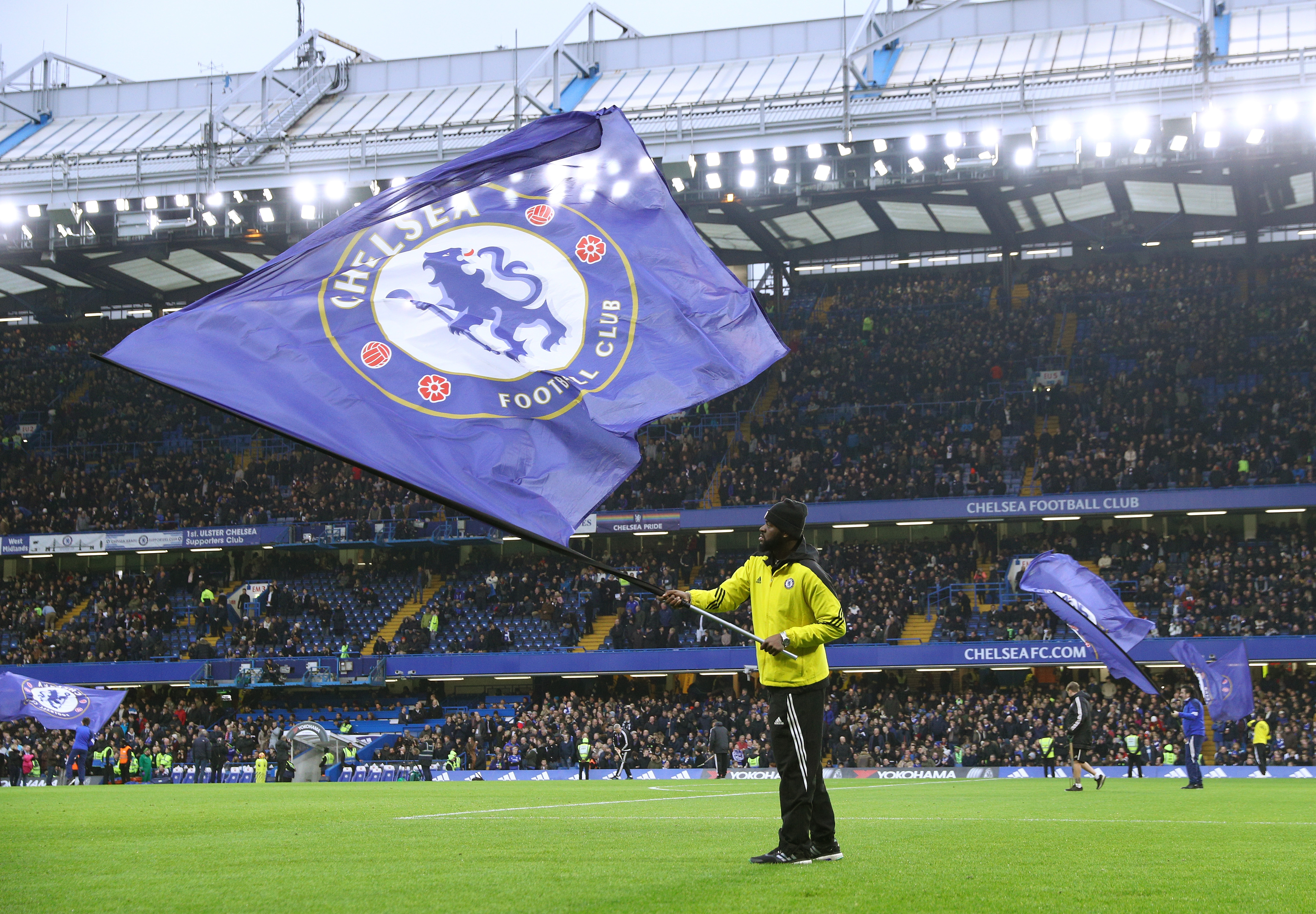
Chelsea broke both clubs with one decision: sacking Enzo Maresca, then pulling Liam Rosenior from RC Strasbourg, and watching two seasons unravel at once.
Chelsea’s season reads like a case study in how expensive plans can still fall apart when the judgment behind them is shaky. Since BlueCo took over in 2022, the Blues have spent around £1.5 billion on transfers, more than any other Premier League club in that period, yet the team have drifted into another campaign defined by upheaval rather than progress.
There are bad seasons, and then there are seasons shaped by decisions that keep making the next problem worse. Chelsea’s 2025/26 campaign has increasingly looked like the second kind, a year in which the club’s leadership kept reaching for hard resets instead of trusting a process they had already invested so heavily in. Enzo Maresca was removed on New Year’s Day with Chelsea fifth in the table and still competing on multiple fronts, a timing that made the move feel abrupt rather than strategic.
That choice set the tone for everything that followed. Liam Rosenior arrived from RC Strasbourg on a long-term contract until 2032, but his appointment also underlined the wider confusion of the BlueCo model: Chelsea were trying to solve one problem by creating another inside their own network.
Strasbourg, who had been in the hunt for Europe under Rosenior, suddenly lost the coach around whom their season had been built. Chelsea, meanwhile, exchanged continuity for another gamble, even though Maresca had only weeks earlier gone from winning November’s Manager of the Month award to leaving the club entirely. When one ownership group destabilises two clubs with the same move, it stops looking like bold thinking and starts looking like poor control.
Ownership and recruitment
The bigger problem is that this was never just about one managerial call. Chelsea’s ownership has spent at a historic rate since 2022, with reporting placing the outlay at around £1.5 billion on transfers, while the club also led the Premier League in agent fees at £65.1 million and posted a £262.4 million pre-tax loss for the 2024/25 season, the biggest annual loss recorded in English football.
The spending has been enormous, but the returns have remained unclear, and that gap between cost and cohesion is what supporters have increasingly reacted to.
Even before this season’s collapse in direction, the pattern under BlueCo had become familiar: buy aggressively, change course quickly, and ask the squad to absorb constant churn. Chelsea have had a string of permanent head coaches in quick succession, and Rosenior became another major appointment made inside an ownership era that has rarely allowed calm to settle.
That instability matters because teams chasing titles or even top-five finishes usually build habits over time, whereas Chelsea have spent much of this era restarting ideas before they could fully take shape. The most damaging part is not simply the money spent, but the sense that the club still do not know what kind of team they want all that spending to create.
Managerial fallout
The Maresca sacking captured that uncertainty perfectly. Chelsea removed the Italian tactician on January 1 with the club fifth in the Premier League and still alive in four competitions, framing the decision as a way to rescue the season, but the move also signalled a lack of faith in a longer build. BBC reporting later described a side that had “lost its identity, structure, and direction” after his departure, with vice-captain Enzo Fernandez saying the players were confused by the change.
Rosenior’s arrival was sold as a fresh start, yet it also felt premature. He had no prior Premier League coaching experience and became Chelsea’s fourth permanent manager since BlueCo assumed control in 2022, which only reinforced the sense of a club searching for certainty through more volatility.
By March, Reuters was quoting Rosenior himself criticising Chelsea’s “decision-making” after another damaging defeat, while their discipline problems had become severe enough that the team had collected seven league red cards this season. A club that had once been near the top of the table ended up looking far less like a contender and far more like a side paying for the cost of too many shifts in direction.
Strasbourg and Gary O’Neil suffer on the sides
Strasbourg’s side of the story makes the whole picture harsher. Rosenior left in January with the club still pushing for European football, and reporting since then has pointed to a measurable drop in momentum, with one outlet noting Strasbourg’s win rate fell from 56% under Rosenior to 42% under Gary O’Neil. That is why Chelsea’s move did not only reshape their own season; it weakened a sister club that had been moving in a promising direction.
O’Neil has spoken bluntly about the situation. Reported comments attributed to him included, “We messed up in January during the transfer window. We weakened ourselves instead of improving the squad,” a line that cuts to the heart of Strasbourg’s frustration. Another report said he accused BlueCo of having “messed up” recruitment, arguing that the January window left Strasbourg weaker rather than stronger, even as they tried to stay in the race for Europe.
Recalling Mamadou Sarr to Chelsea fed directly into that feeling, because Strasbourg lost a regular starter while Chelsea moved Aaron Anselmino the other way in another intra-group switch. O’Neil’s work has been described as decent, with six wins in 14 league matches, but the broader conditions around him suggest he is operating inside a structure where the next decision from above can redraw his season overnight.
Outlook
What makes this Chelsea story so damaging is that the mistakes do not sit in isolation. The transfer spending, the record losses, the managerial impatience and the multi-club interference all connect, and together they have created a season in which Chelsea have looked less like a modern super-club and more like an organisation constantly reacting to its own previous choices.
Sacking Maresca on New Year’s Day, pulling Rosenior out of Strasbourg, and then expecting both clubs to stabilise at once was not a sign of strong ownership; it was a sign of leadership chasing control through disruption.
That is why the damage stretches beyond Stamford Bridge. Strasbourg lost a coach who had them pushing for Europe, lost Mamadou Sarr back into the Chelsea orbit, and then had to rebuild momentum under O’Neil while the recruitment strategy around him came under public criticism.
Chelsea, for their part, have been left confronting the same old questions despite unprecedented spending: where is the identity, where is the stability, and where is the return on all that investment? For both clubs, this season has become less about bad luck and more about the consequences of decisions made above the dressing room, with the final weeks exposing just how costly those choices have been.