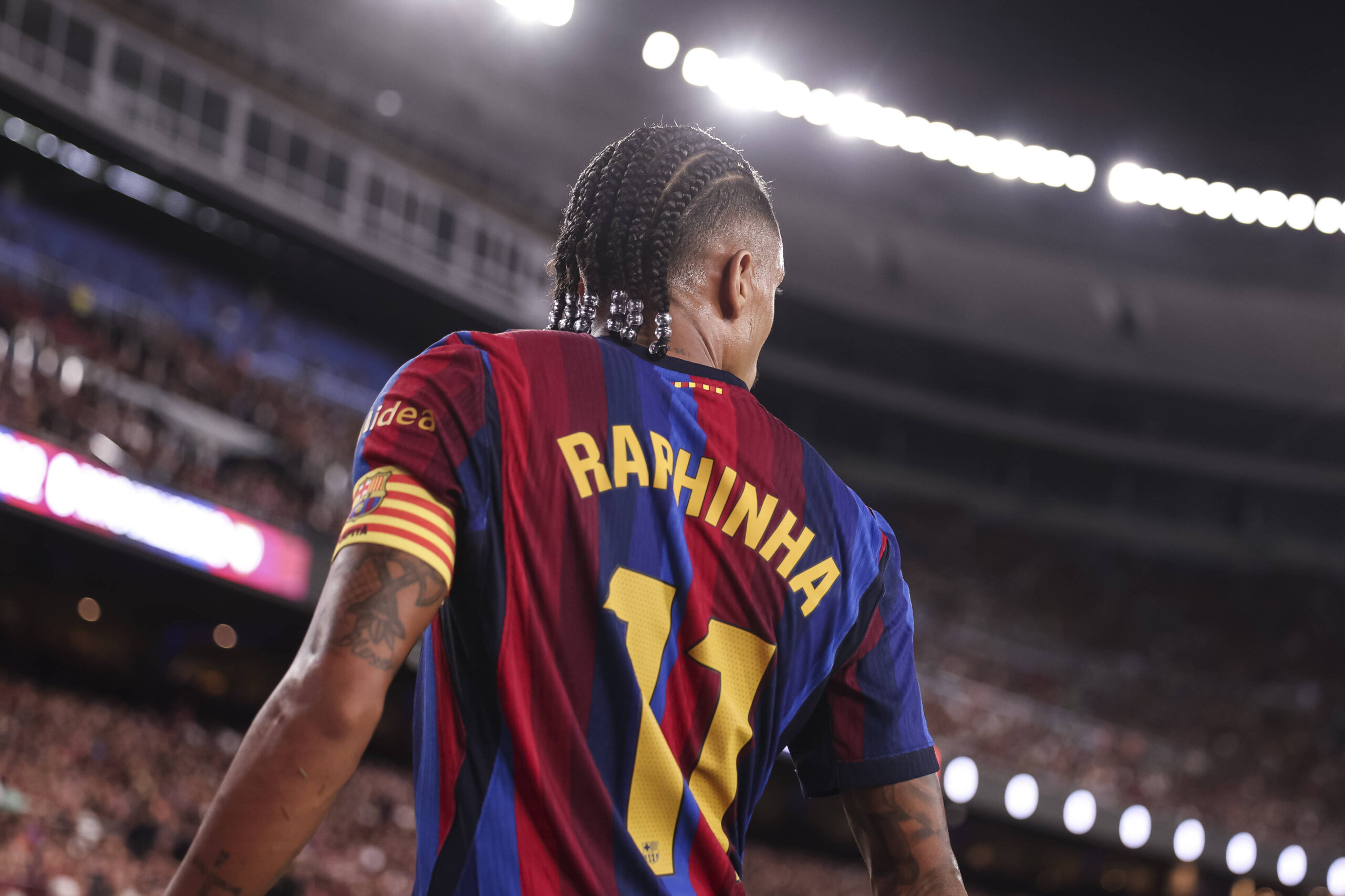
Raphinha’s move from the wing to the penalty box could help Barcelona solve their striker problem while giving the Brazilian a new way to extend his prime.
Raphinha does not need to become a traditional striker to become Barcelona’s best one. Like Ousmane Dembele at Paris Saint-Germain and Cristiano Ronaldo in the later stages of his career, the Brazilian may benefit from moving away from the physical demands of being a touchline winger and closer to the one place that matters most: the penalty box.
For much of his career, Raphinha was primarily a right winger. His familiar move was to receive wide, cut inside onto his left foot and shoot or look for a final pass. He was a quality player, but his position at Barcelona was never completely secure.
Dembele’s presence initially limited his opportunities, while Lamine Yamal’s emergence later placed even more pressure on him. Raphinha, however, has repeatedly found a way to remain important.
When Yamal established himself on the right wing, the Brazilian moved to the left flank. Under Hansi Flick, that change produced the finest season of his career. Raphinha scored 34 goals and supplied 26 assists in 57 appearances during the 2024/25 campaign, helping Barcelona win a domestic treble and reaching fifth place in the Ballon d’Or voting.
Last season was less prolific due to fitness woes, but he remained one of Barcelona’s standout performers. Now Flick has asked him to reinvent himself once again. This time, the challenge is even greater: leading the line.
A No. 9 without the usual profile
Barcelona wanted a mobile striker to replace Robert Lewandowski, with Julian Alvarez their preferred target. Atletico Madrid’s refusal to negotiate meant that the Catalan giants had to consider another solution. Flick eventually turned to the 29-year-old Raphinha, and the results have been spectacular.
He has scored 11 goals and provided three assists in seven matches this season. Those numbers are impressive, but they do not fully explain why the experiment has worked.
Raphinha is not being asked to stand between two centre-backs and wait for crosses. He drops between the lines, rotates with Yamal and the other winger, attacks space behind the defence and presses centre-backs and goalkeepers from the front. He can drift towards the channels, combine with midfielders and then arrive in the box a moment later.
That movement creates a difficult choice for opposing defenders. Follow him into midfield and space opens behind. Stay deep and allow him to receive between the lines. Either decision can benefit Barcelona.
His left foot remains a major weapon, but it is now being used closer to goal. Instead of carrying the ball from the wing before attempting to create something, Raphinha can receive in more dangerous areas and shoot, cross or combine immediately. Flick has not transformed him into a conventional striker. He has placed Raphinha in a central role that brings his best qualities together.
The Ousmane Dembele blueprint
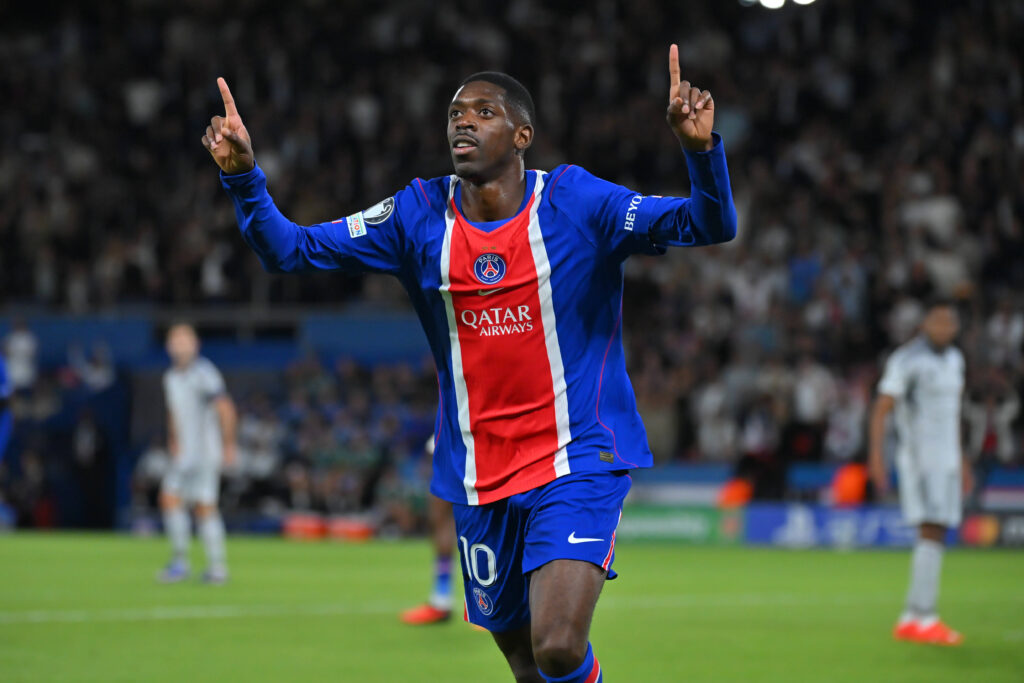
The comparison with Ousmane Dembele is particularly interesting, although it must not be overstated. Playing centrally does not automatically prevent injuries. Dembele’s time at Barcelona was repeatedly interrupted by muscular problems and long absences.
However, a central role can reduce some of the repeated high-speed actions expected from a winger. Wide players often sprint from a standing start, attack full-backs, track back towards their own penalty area, and repeat those efforts throughout a match. A striker still works intensely, but can choose when to make those movements.
At Paris Saint-Germain, Dembele has increasingly attacked central areas after beginning his career as a winger. Under Luis Enrique, he became a forward who was difficult to define: sometimes a striker, sometimes a false nine and sometimes a playmaker arriving from the flank. His improved productivity showed the value of removing some restrictions from a player’s position.
The lesson for Raphinha is not that moving centrally will eliminate injury risk. It is that he may perform less unnecessary physical work before reaching the decisive part of the pitch. His energy can be reserved for pressing triggers, explosive runs and actions inside the penalty area. That could be significant for a player whose game has always been built on intensity.
Learning from Cristiano Ronaldo
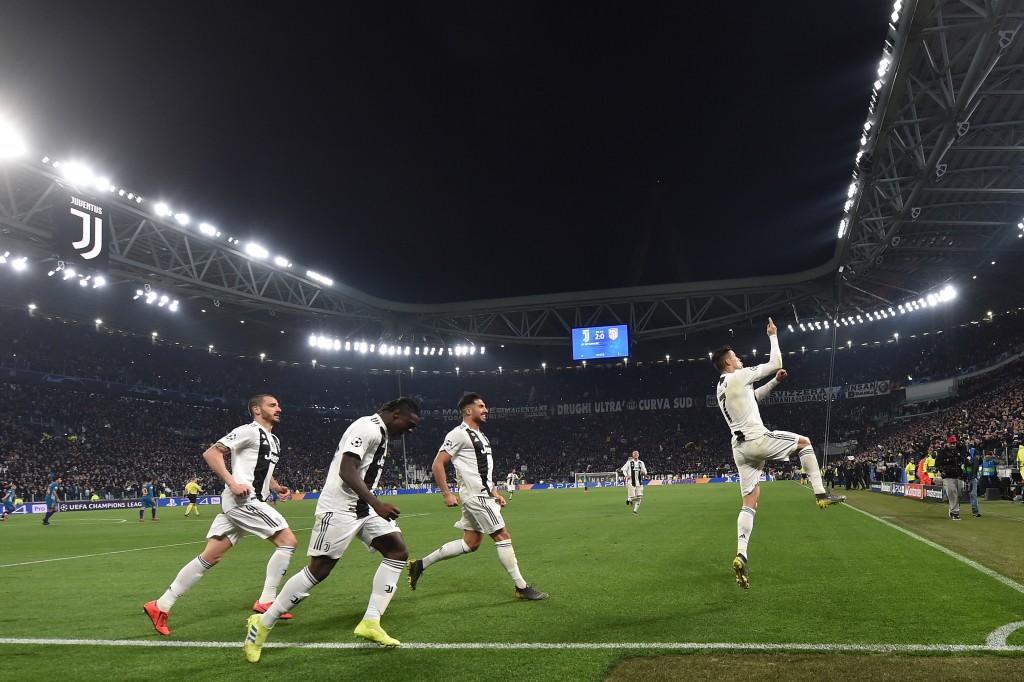
Cristiano Ronaldo offers a different comparison. Early in his career, he was a high-volume winger who relied on acceleration, dribbling, and repeated 1v1 situations. As his pace declined, he gradually moved closer to goal.
At Juventus, during his second spell at Manchester United, and later at Al-Nassr, Ronaldo has depended increasingly on positioning, timing, and finishing. He no longer needed to beat several players from the wing. Instead, he had to arrive before the defender, attack the correct cross and finish with as few touches as possible.
Raphinha is not yet at the stage where his pace has significantly declined, and the comparison is not about placing him on Ronaldo’s level. It is about career adaptation. By moving centrally now, Raphinha can develop habits that may extend his effectiveness in the future.
The 29-year-old can improve his timing inside the box, learn to read centre-back positioning, make earlier runs and become more comfortable finishing first time. Most importantly, he can influence matches without constantly needing to receive the ball in a wide position. The transition could help him preserve his value when the winger’s sprinting legs begin to lose some of their sharpness.
A solution with limits
Barcelona’s system is well suited to this experiment. Yamal and the other wide attackers can provide width, allowing Raphinha to occupy the central lane without making the attack narrow. His movement also fits Hansi Flick’s pressing football and gives Barcelona a forward who can lead from the front.
Still, the move will face a serious test against compact defensive blocks. Raphinha may struggle if he is forced to receive with his back to goal, compete aerially with powerful centre-backs or provide the presence of a traditional target man. That does not make the experiment a mistake. Barcelona do not need Raphinha to offer every type of striker. They need him to provide a different type of threat.
Dembele showed how a winger can become more dangerous by moving towards the centre. Ronaldo proved that a forward can remain decisive by replacing pace with movement and finishing. Raphinha may now be following a similar path and carve his own legacy. Barcelona were looking for a striker. They may have found something more valuable: a forward capable of changing the way the position is understood.