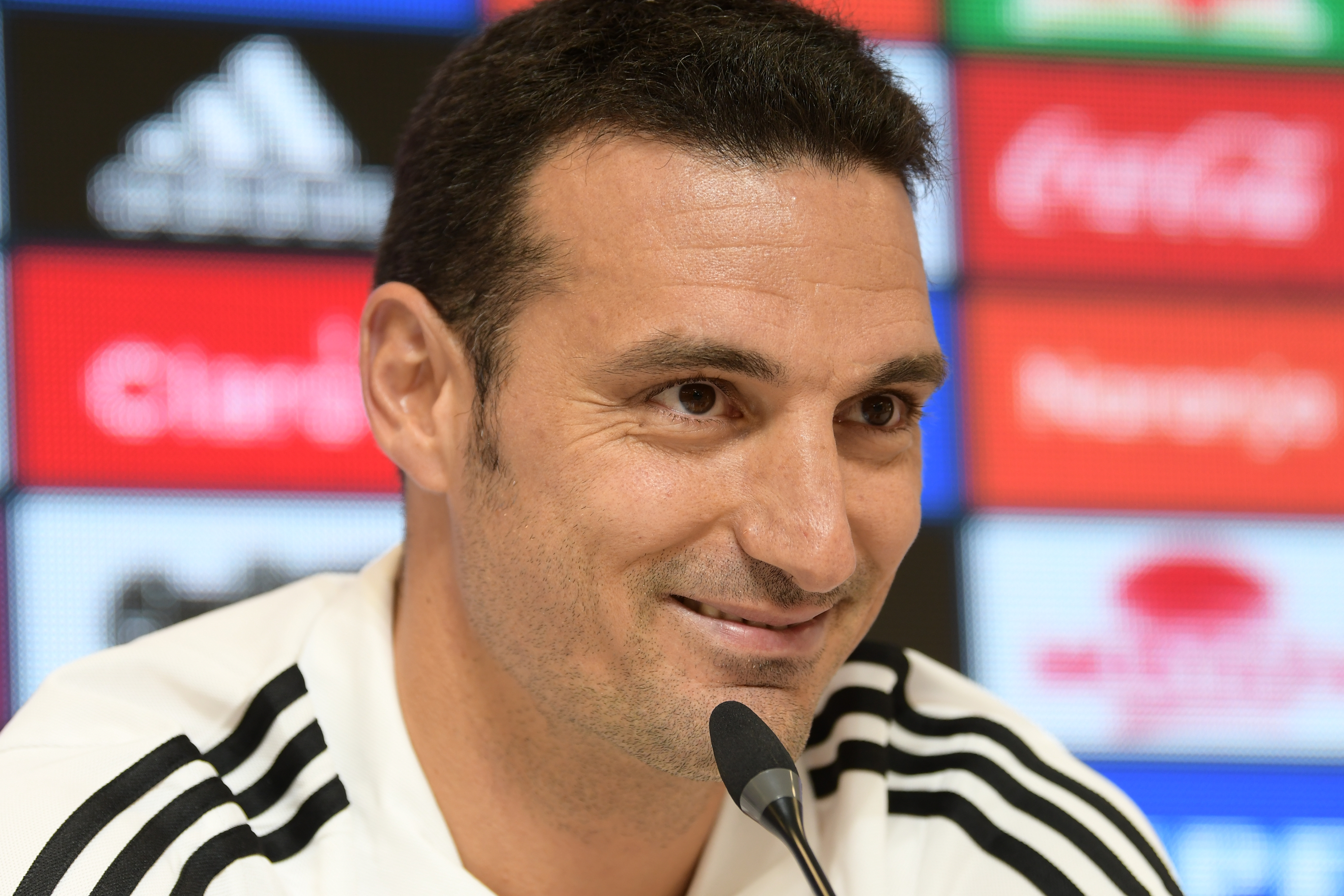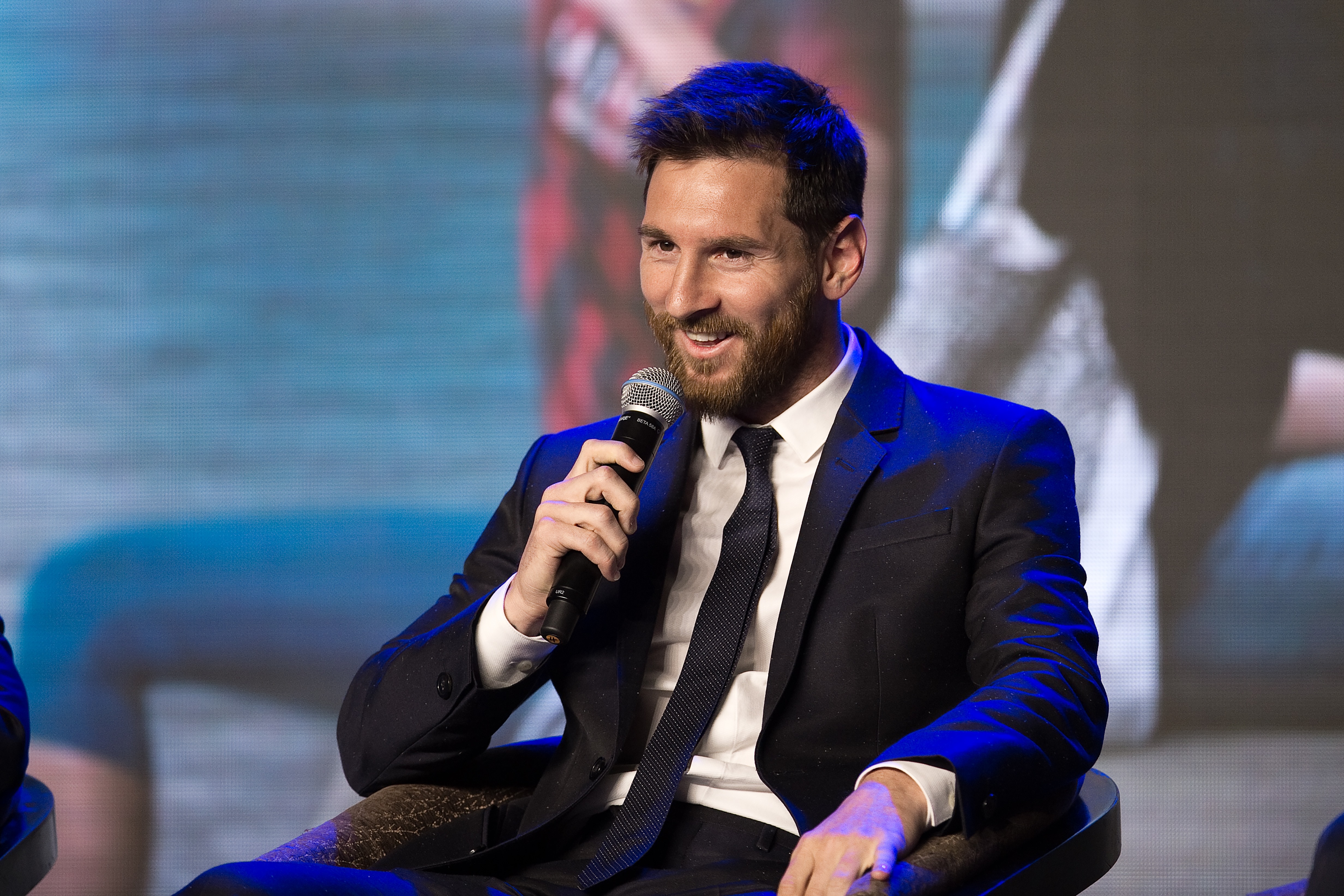
At 39, when most careers fade into memory, Lionel Messi has turned the 2026 World Cup into a final chapter that reads like a rival to his 2022 masterpiece.
Lionel Messi has taken what many expected to be a farewell tour and turned it into a repeat masterpiece, delivering a 2026 World Cup campaign that stands shoulder to shoulder with his fabled run in Qatar.
Messi vs Messi: a sequel that matches the original
When Messi walked off the pitch in Lusail in 2022, he spoke as though his World Cup story had reached its final chapter. Yet four years on, at 39, he has dragged Argentina back to another final and done so with a level of influence that makes this tournament feel less like an epilogue and more like a sequel to his own legend.
In 2022, Messi directly contributed to ten goals on Argentina’s route to the trophy; in 2026, he has already been involved in 12 of their 19 goals, scoring eight and setting up four. His fingerprints are on almost two-thirds of Argentina’s strikes this time, a share that underlines how the team still lean on him to an extraordinary degree despite being deeper and more experienced around him.
The numbers tell the story as clearly as any highlight reel. Messi has racked up dozens of shot involvements during this tournament, combining his own efforts at goal with chances created, and he stands well clear of any team-mate in both categories. In essence, Argentina’s entire attacking structure is built around the idea that if he does not finish the move, he probably started it.
| Metric | Messi 2022 World Cup | Messi 2026 World Cup |
|---|---|---|
| Age at tournament | 35 | 39 |
| Appearances | 7 | 7 |
| Goals | 7 | 8 |
| Assists | 3 | 4 |
| Total goal involvements | 10 | 12 |
| Share of team goals | 10 of 15 (≈67%) | 12 of 19 (≈63%) |
| Shot involvements (shots + chances created) | 53 (32 shots, 21 chances created) | 59 (34 shots, 25 chances created) |
| Shots | 32 | 34 |
| Chances created | 21 | 25 |
| Golden Ball | Won | Leading contender going into final |
| Golden Boot | Finished 2nd behind Mbappe | Chasing Mbappe (Mbappe 10, Messi 8) |
Stats scream Golden Ball & still whisper Golden Boot
The Golden Boot race has tilted towards Kylian Mbappe, whose ten goals and four assists after France’s third-place match against England make him the outright top scorer in 2026 and move him to 22 career World Cup goals, one ahead of Messi’s 21. Yet the Golden Ball picture looks far more tilted in the Argentine’s favour.
Messi’s combined goals and assists in this tournament place him in genuinely historic company, with only the most prolific campaigns of the modern era edging his output. He now also holds the record for the most World Cup assists in recent history, having overtaken Diego Maradona’s previous benchmark, and that blend of scoring and supplying makes his case for the best player award difficult to ignore.
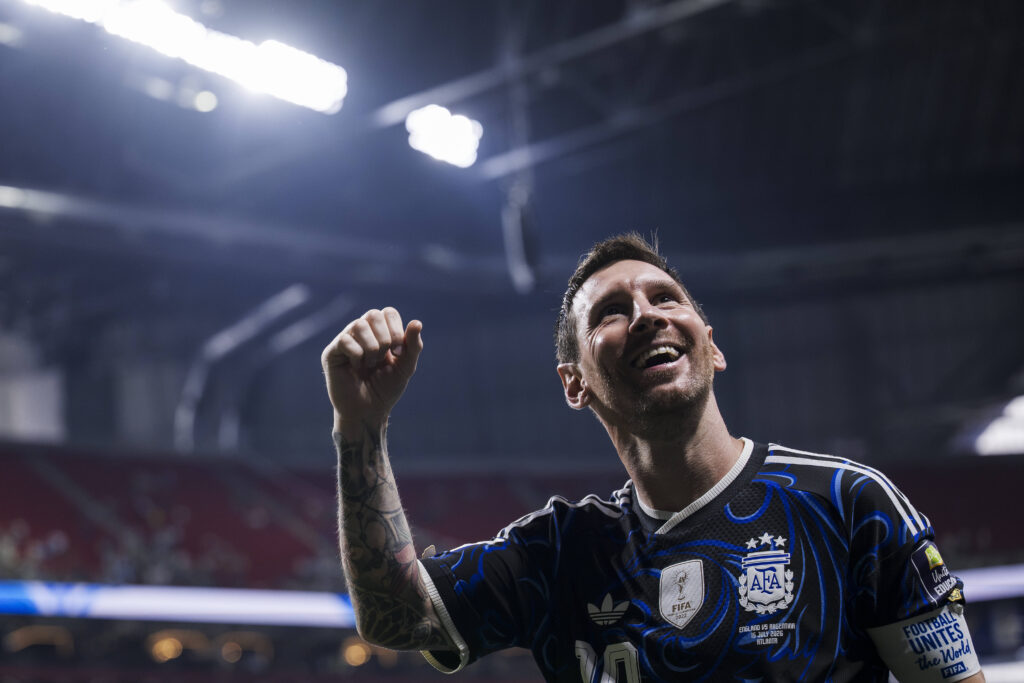
When awards are decided, such a volume of contribution, spread across group stage and knockouts, tends to weigh heavier than a pure goal tally, especially when those actions arrive in moments of high leverage.
Even the Golden Boot is not completely out of reach. Messi’s eight goals in 2026 leave him two behind Mbappe before the final, and he has already shown in Qatar that he can turn a showpiece into a personal showcase. If he were somehow to bridge that gap on Sunday, he would stand alone as the first player in the 21st century to combine World Cup victory, Golden Ball and Golden Boot in a single edition.
A 39-year-old still dictating games
Age is supposed to dull a forward’s sharp edges, but Messi has simply reshaped his game rather than allowed it to fade. On Sunday, he will become the oldest outfield player ever to appear in a men’s World Cup final, and his form is such that he is a realistic candidate to become the oldest goalscorer in a final as well, eclipsing records that have stood for decades.
His output is backed by how often he touches the ball in decisive areas. As matches have worn on during this tournament, Messi has increasingly taken control of proceedings, with his touch count after the interval far outstripping his involvement before the break. That split shows how he grows into games as opponents tire and shapes the narrative rather than merely reacting to it.
Tactically, this has been one of the most fascinating versions of Messi. He still owns the space just outside the penalty area, repeatedly receiving the ball in the central pocket in front of the box, and a large share of his shots originate from that zone.
From that strip of grass, he has engineered Argentina’s attacking bias, ensuring a significant proportion of their play in the final third flows through the centre rather than wide areas. When he occupies that corridor, defenders are dragged inwards, full-backs hesitate, and team-mates get clearer lanes to attack.
Knockout pedigree and the Ballon d’Or question
One criticism often thrown at Messi’s international career before 2021 was that he did not dominate knockout football at the World Cup. That narrative is now obsolete. Between 2022 and 2026, he has transformed his output on the biggest nights, piling up goals and assists across knockout matches after spending his early tournaments toiling without finding the net at that stage.
This acceleration in decisive moments is layered on top of sustained international success. Since lifting the Copa America in 2021, Messi has guided Argentina to the World Cup in 2022 and another continental title in 2024, being central to each triumph.
Victory against Spain would mean Argentina have won four consecutive major tournaments in 2021, 2022, 2024 and 2026, all in the phase of Messi’s career where many expected him to be winding down. The club-versus-country balance also feeds directly into the Ballon d’Or debate. Messi now plays in Major League Soccer, a league far from the traditional powerhouses of Europe.
Traditionally, such a move would have pushed him out of Ballon d’Or contention, but if he adds another World Cup and a second successive Golden Ball to an already bulging international CV, it becomes difficult to argue against him being among the leading candidates despite leaving European football behind.
The final phase and a GOAT debate that feels settled
Messi’s World Cup story began with a supporting role in 2006, when he played just a fraction of Argentina’s total minutes and was involved in a modest share of their attacking play. From 2006 to 2018 he collected a steady but unspectacular tally of goal involvements; across just the 2022 and 2026 editions he has already doubled those figures, producing a festival of end-product when it matters most.
The 2026 version is less explosive over long sprints, but more complete, knit together by years of experience and an almost uncanny feel for where the game needs him. The campaigns that now form the reference point for greatness at a World Cup, such as Maradona in 1986 and Messi in 2022, are defined not only by statistics but by how utterly dependent their teams were on them.
Messi has repeated that trick in 2026, once again carrying a heavyweight nation through tight matches and tilted knockout ties, and once again doing so with a range of tools that goes beyond dribbling and finishing to include tempo-setting, pressing triggers and leadership.
Mbappe’s numbers ensure he will own several World Cup scoring records, and he has already moved past Messi on the all-time list, but tournaments are not judged solely on tallies. His 2026 run is an extended argument that influence, versatility and longevity matter just as much as raw goals, and that, even in the final phase of his career, he remains the player around whom entire competitions bend.
On Sunday, it will not simply be Argentina vs Spain; it will feel like Messi against Messi, the 2026 edition measured against the 2022 version, and, remarkably, the 39-year-old might yet emerge as the winner.