The Hard Tackle takes a closer look at Group L of the FIFA World Cup 2026, where England, Ghana, Panama, and Croatia converge.
The 2026 FIFA World Cup continues to blend expectation with opportunity, where established powers are measured against emerging challengers eager to leave their mark. The group stage remains the tournament’s most revealing phase, exposing not just quality but preparation, tactical clarity, and mental resilience.
Group L offers a layered narrative shaped by pedigree, experience, and ambition. England arrive carrying the weight of expectation that accompanies one of international football’s deepest talent pools. Croatia bring tournament intelligence and proven big-stage composure. Ghana offer athleticism and unpredictability, while Panama embody collective spirit and disciplined organisation.
Each side presents a distinct footballing identity. England’s structured attacking depth; Croatia’s midfield control and game management; Ghana’s physical intensity and transitional threat; and Panama’s defensive resilience and work ethic. The intersection of these styles should produce a group defined by fine margins and tactical nuance.
The Three Lions begin as favourites, but Croatia’s experience ensures this is far from straightforward. Ghana’s volatility makes them dangerous, while Panama’s discipline could disrupt the group’s rhythm. Together, they form a section where control, patience, and decisive moments will determine progression. We now examine each team’s profile, recent trajectory, managerial influence, and key individuals.
FIFA World Cup 2026 Group L
- England
- Ghana
- Panama
- Croatia
Group L Fixtures
- Match 22: England vs Croatia — June 17, AT&T Stadium, Arlington
- Match 21: Ghana vs Panama — June 17, Toronto Stadium, Toronto
- Match 45: England vs Ghana — June 23, Gillette Stadium, Foxborough
- Match 46: Panama vs Croatia — June 23, Toronto Stadium, Toronto
- Match 67: Panama vs England — June 27, MetLife Stadium, East Rutherford
- Match 68: Croatia vs Ghana — June 27, Lincoln Financial Field, Philadelphia
England
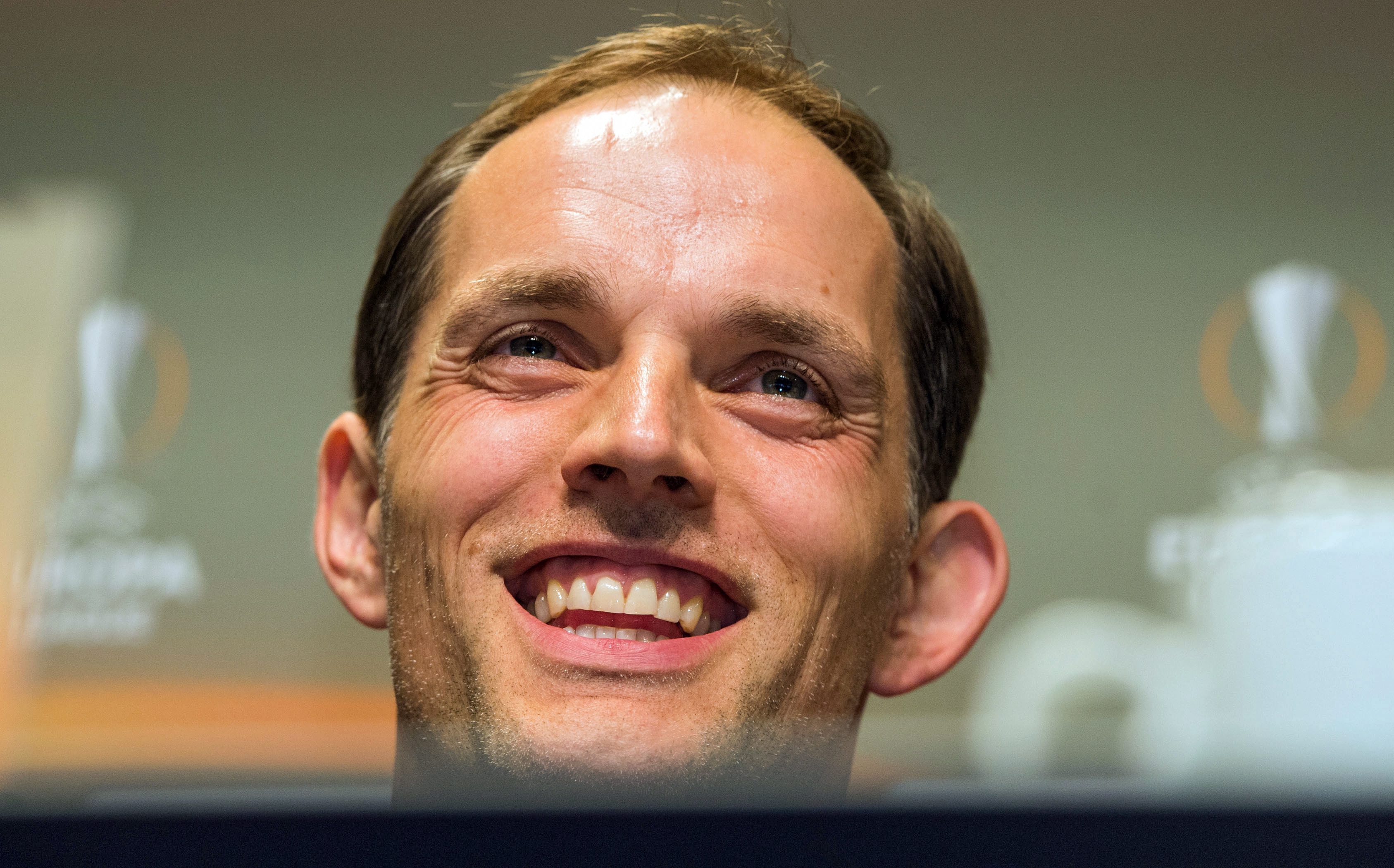
Automatic qualification brings expectation, and England arrive with a squad built to compete deep into the tournament. Under Thomas Tuchel, they have developed a tournament identity centred on structure, controlled possession, and selective attacking aggression.
What to expect?
England’s recent form reflects a team comfortable dictating tempo while retaining the ability to accelerate when opportunities emerge. They are capable of sustained possession but often rely on moments of individual brilliance in advanced areas to break compact defences.
Defensively, England have maintained a stable structure, with an organised backline protected by a disciplined midfield. Against lower-block opposition, patience becomes essential, while against stronger sides, their ability to transition quickly can prove decisive. Efficiency remains key. The Three Lions do not always overwhelm opponents but are increasingly adept at managing games and capitalising on key phases.
Managerial imprint
Tuchel’s influence is defined by balance and clarity. He prioritises positional discipline, controlled build-up, and the maintenance of defensive integrity, particularly in knockout-style scenarios. His approach emphasises minimising risk while trusting attacking talent to decide matches, a philosophy that aligns well with tournament football.
Key players and why they matter
- Harry Kane: The focal point in attack, combining finishing, link-up play, and leadership under pressure.
- Jude Bellingham: A dynamic midfield presence capable of influencing games through progression, creativity, and late runs into the box.
Can England progress from the group stage?
Yes. England have the depth, structure, and experience to top Group L of FIFA World Cup 2026 if they maintain composure and efficiency.
Croatia
Croatia continue to defy generational cycles with a system rooted in technical quality and tactical intelligence. Their qualification campaign once again highlighted their ability to control matches through midfield authority and composure.
What to expect?
Croatia’s style revolves around ball retention, tempo management, and positional awareness. Zlatko Dalic’s men are comfortable dictating play and slowing matches down, particularly against more physically aggressive opponents.
Vatreni may not overwhelm teams with pace, but their control allows them to limit opposition opportunities while creating openings through patient build-up. In tight group-stage matches, Croatia’s experience and composure often become decisive advantages.
Managerial imprint
Croatia’s tactical framework prioritises structure and midfield dominance. Zlatko Dalic’s system ensures compactness without sacrificing technical fluency, allowing the team to remain competitive in varied match contexts. Game management is a defining strength, particularly in matches where emotional control is as important as tactical execution.
Key players and why they matter
- Luka Modric: The heartbeat of the team, dictating tempo and providing composure in possession.
- Josko Gvardiol: A defensive cornerstone whose anticipation and ball-playing ability support Croatia’s structured approach.
Can Croatia progress from the group stage?
Yes. Croatia are strong contenders for qualification and have the experience to challenge England for top spot.
Ghana
Ghana arrive with a blend of athleticism, youthful energy, and growing tactical discipline. Their qualification reflects a side capable of competing physically while developing greater structural cohesion.
What to expect?
Ghana’s strength lies in their intensity and ability to transition quickly from defence to attack. They are most dangerous when games become open and physical, allowing them to exploit space with pace and direct running.
Defensively, consistency can fluctuate, but their recovery speed and physical presence often compensate. Against possession-heavy sides, they will likely adopt a compact shape and look to counter. Their unpredictability makes them a difficult opponent to manage.
Managerial imprint
Ghana’s approach emphasises energy and verticality. The tactical challenge lies in balancing aggression with organisation, ensuring they remain compact without losing their attacking threat. If they maintain discipline alongside their natural intensity, they can disrupt more structured teams.
Key players and why they matter
- Jordan Ayew: A creative and dynamic attacker capable of producing decisive moments in transition.
- Thomas Partey: The veteran midfielder provides balance and control in midfield, linking defensive structure with forward progression.
Can Ghana progress from the group stage?
They have a realistic chance. Ghana’s ability to unsettle opponents gives them an outside shot at a top-two finish.
Panama
Panama enter the tournament as disciplined underdogs, built on organisation, collective effort, and defensive resilience. Their presence reflects consistency and tactical clarity rather than individual star power.
What to expect?
Panama are likely to adopt a compact defensive approach, focusing on limiting space and frustrating opponents. They will often concede possession but aim to remain structurally intact. Their attacking threat may rely on set pieces, direct play, and opportunistic moments. Keeping matches close will be essential to their chances. Against stronger teams, patience and concentration will be critical.
Managerial imprint
Panama’s system prioritises shape and discipline. Thomas Christiansen has instilled a clear defensive identity, ensuring the team remains difficult to break down. Their challenge lies in converting defensive stability into meaningful attacking output.
Key players and why they matter
- Anibal Godoy: The midfield leader who provides structure and experience.
- Ismael Diaz: The 29-year-old offers pace and directness, particularly in transition situations.
Can Panama progress from the group stage?
It is a significant challenge. Panama are more likely to influence the group by taking points off others rather than advancing themselves.
Final thoughts
After weighing styles, data, and personnel, our projection for Group L is:
- England remain favourites to top the group, given their depth and tournament maturity.
- Croatia’s experience and control make them strong candidates for second place.
- Ghana’s unpredictability keeps them firmly in contention for qualification. Even if they finish third, the Black Stars will hope to qualify as one of the best third-placed teams in the group stage.
- Panama are the disciplined outsider, capable of making the group competitive but unlikely to progress.