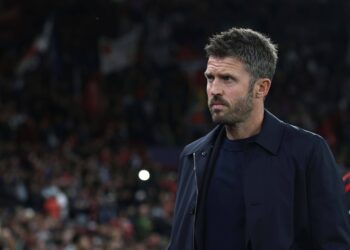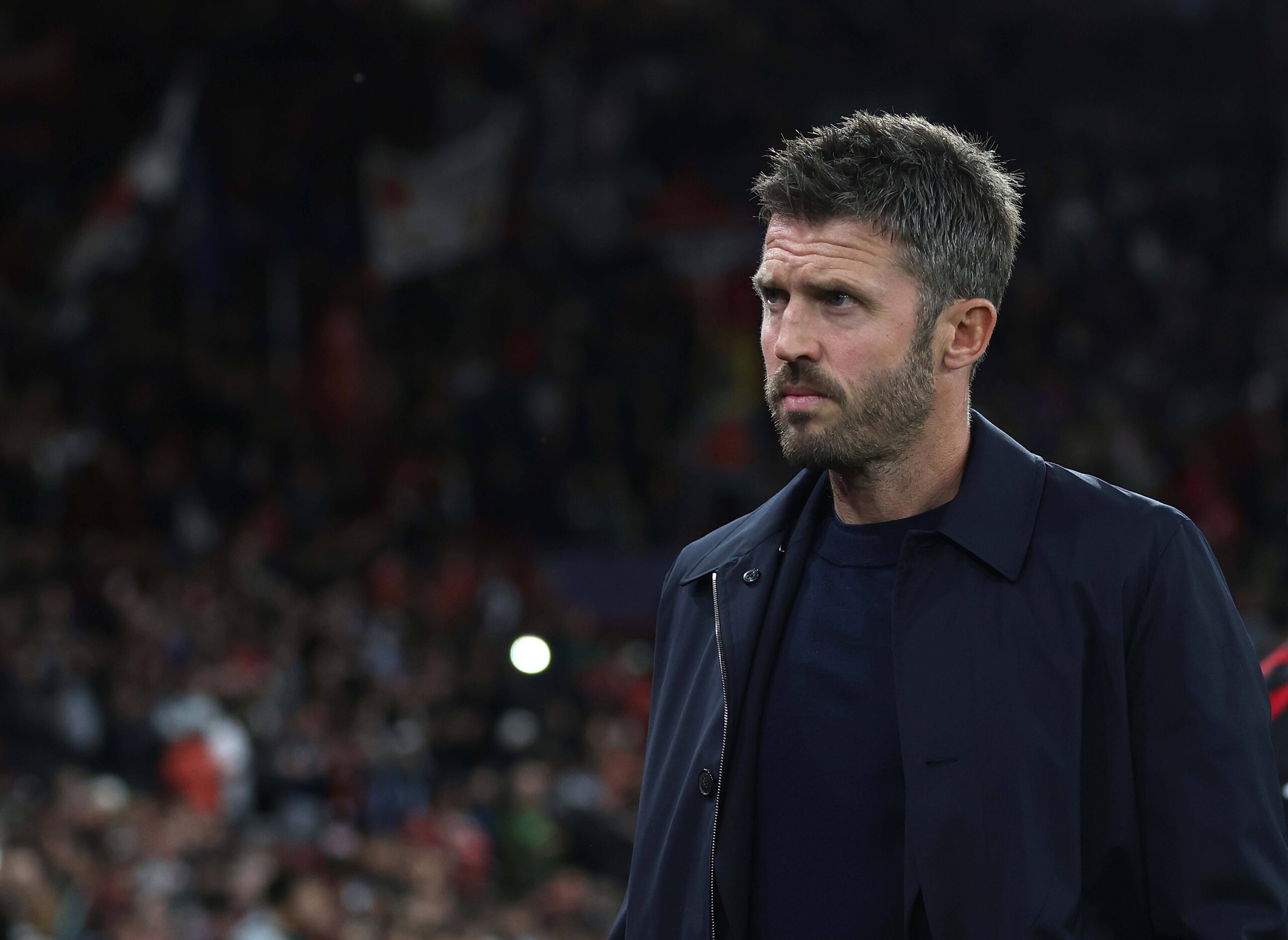
Michael Carrick is gone, Mauricio Pochettino will arrive soon to take charge of a fractured dressing room, but the perpetrators of Manchester United remain at large.
Michael Carrick’s departure from Manchester United has not been a shock; it was, after all, a mercy killing. For weeks, his tenure as permanent head coach had been unravelling, culminating in an official sacking that felt inevitable long before the board finally pulled the trigger.
Manchester United have endured their worst start to a league campaign in four decades, scraping together eight points from their opening 10 Premier League matches to sit in the relegation zone, 18th in the standings. They have managed just one league win all season, and literally every other side in the top flight has tasted victory more often than the 20-time English champions. The misery has not been confined to the league.
Manchester United’s EFL Cup campaign ended at the very first hurdle in a humiliating 3-2 defeat to Brighton & Hove Albion, a historic collapse that saw them squander a two-goal lead to lose at Old Trafford for the first time in half a century. Even in the UEFA Champions League, a stop-start campaign leaves them languishing in 17th place, though maintaining a 50 per cent win record in Europe feels like a minor miracle given the domestic carnage unfolding around them.
To be clear, Carrick bears heavy responsibility for this car crash of a 2026/27 season. By inexplicably overlooking vital physical conditioning during pre-season, he left his squad chronically undercooked. The knock-on effect has been glaringly obvious on the pitch, where United look arguably like the worst OOP team in the Premier League, routinely overrun and outfought.
Furthermore, Carrick completely failed to harness the genuine attacking quality at his disposal, serving up sterile tactics that left the team utterly listless in the final third. With Mauricio Pochettino now poised to step into the Old Trafford dugout to clean up the mess, the focus must shift to the real architects of this recurring nightmare.
While managers come and go, it is staggering that director of football Jason Wilcox, and, to an extent, chief executive Omar Berrada, still have their jobs intact after repeatedly botching key backroom appointments since arriving in 2024. All this while, Amazon cannot believe their luck as to how a potentially blockbuster ‘All or Nothing is unfolding while the fans remain dismayed by the circus called Manchester United.
‘Best in Class’ in name only?
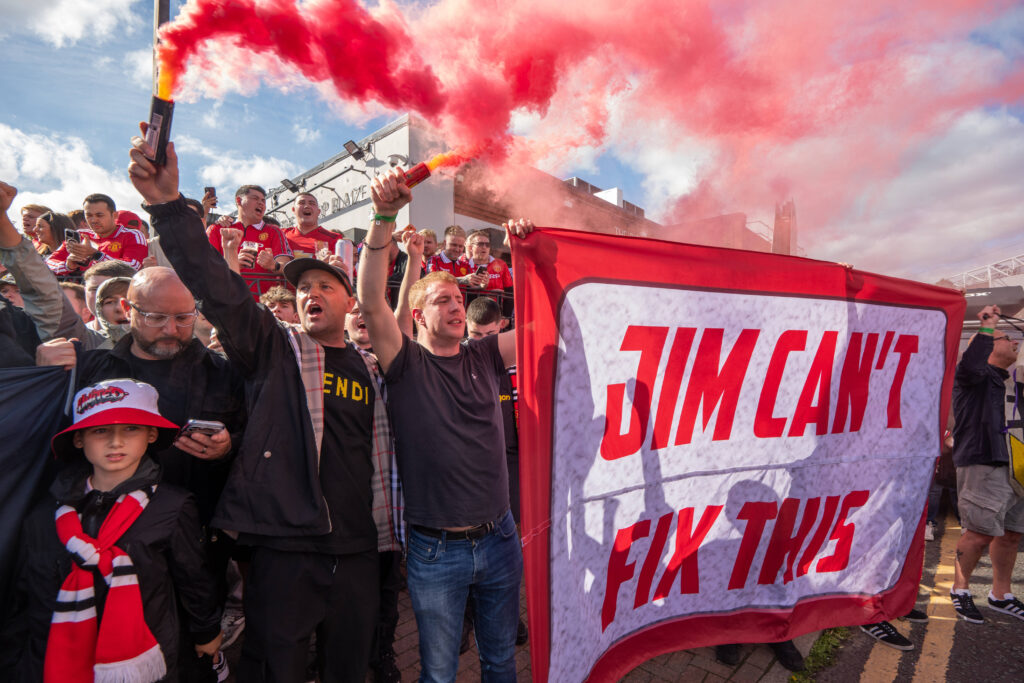
When Sir Jim Ratcliffe acquired his minority stake in the club, he famously promised in an early interview that Manchester United would become “best in class” under INEOS supervision. To give credit where it is due, the new regime has made strides in certain areas. They finally installed a proper footballing structure behind the scenes, something glaringly absent with Glazers overseeing things, and undertook a much-needed overhaul of the Carrington training complex.
Even in the transfer market, the technical department deserves a nod for bringing in smart, floor-raising signings. Despite poor team form and availability issues this term, the likes of Matheus Cunha, Bryan Mbeumo, Benjamin Sesko, Senne Lammens, and Carlos Baleba represent clear upgrades on the players they replaced.
Yet, what good is an expensive, shiny new structure if the people calibrating it make catastrophic decisions? Under the current leadership’s haphazard governance, Manchester United’s win rate has plummeted to below 40 per cent, a figure noticeably worse than what they managed when the much-maligned Glazers were running the footballing department.
That is not to say that the Glazers being in charge is what they need. But infrastructure means nothing when the core leadership consistently fails at its single most important job: appointing and managing the right head coach.
A trail of managerial destruction
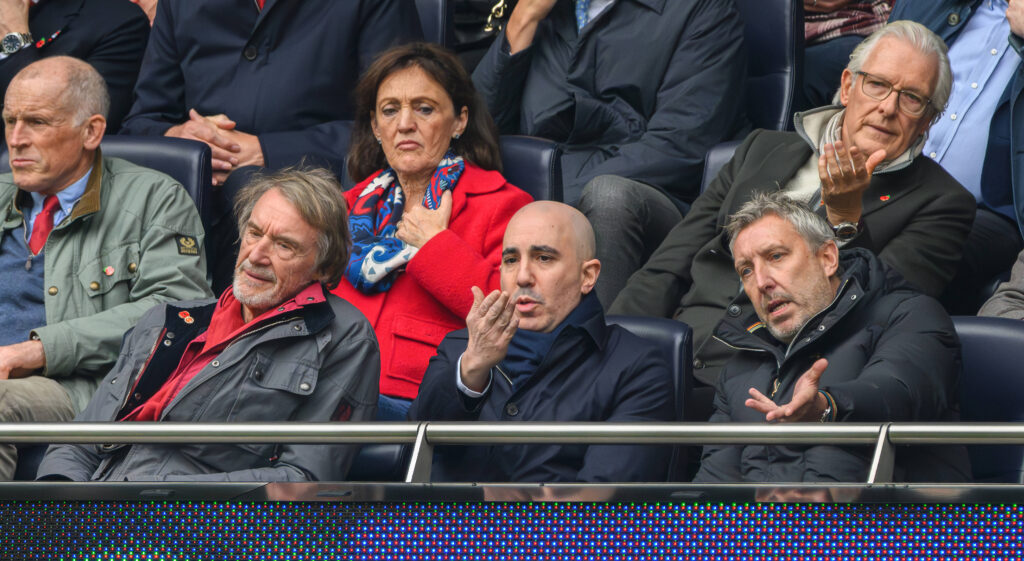
The track record of Wilcox and Berrada regarding backroom appointments reads like a comedy of errors. Cast your mind back to the summer of 2024; Erik ten Hag was seemingly destined for the sack after guiding United to an 8th-place finish, their worst-ever in the Premier League era at the time.
Swayed by a surprise FA Cup final triumph, the hierarchy panicked, reversed course, and handed ten Hag a contract extension, only to sack him barely two months into the 2024/25 season at a reported cost of £10.4 million. What followed was even more farcical. After spending months publicly chasing Dan Ashworth to become sporting director, paying £3 million to prise him from Newcastle United, they unceremoniously sacked him after just five months, costing the club another £4.1 million.
Simultaneously, they turned to Ruben Amorim, paying £11 million to Sporting CP, only to watch a disastrous campaign unfold that ended in a humiliating 15th-place finish. Amorim’s eventual dismissal midway through a stop-start 2025/26 season, costing another £8.2 million, was equally shambolic.
The Portuguese tactician’s rigid methods divided the fanbase. However, sacking him immediately after a post-match outburst, essentially aimed at Wilcox, following a draw against Leeds United made the hierarchy look petty and reactive, proving they pulled the trigger to protect bruised egos rather than for coherent footballing reasons.
Squandering a golden summer opportunity
Miraculously, Wilcox and Berrada were handed a get-out-of-jail-free card in January 2026. Brought in as a steadying hand, Carrick sparked an extraordinary turnaround, guiding United on a run where no Premier League side accumulated more points following his first match in charge, ultimately securing a third-place finish and Champions League qualification.
That set up the most crucial summer of the INEOS era. Manchester United needed to be ruthless, thank Carrick for his heroic spell, and appoint an elite, proven tactician capable of taking the club to the next level. Combined with aggressive squad investment, the goal was clear: cement a top-four spot, compete for domestic trophies, and build a genuine title challenger ahead of Ratcliffe’s suggested 2027/28 Premier League target.
Instead, the board took the cheap, sentimental route. They overlooked high-calibre, progressive options like Andoni Iraola and Julian Nagelsmann, handing Carrick a two-year permanent deal in May despite obvious warning signs regarding his long-term suitability.
Delayed decisions and a £100 million hangover
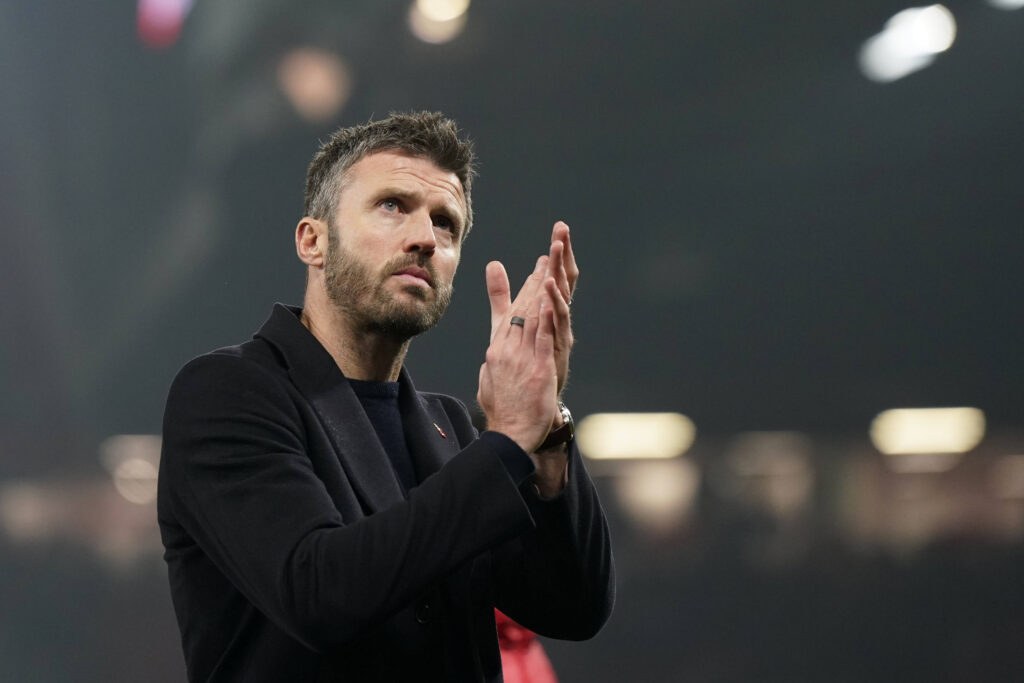
Manchester United are now living through the grim consequences of that summer negligence. Sitting 18th in the league, dumped out of the Carabao Cup, and 17th in Europe, the Red Devils are in freefall. Worse still, Wilcox’s stubborn refusal to correct his mistake has actively sabotaged a campaign that should have seen the club take several steps forward.
United had clear windows to dismiss Carrick during the previous international break when the cracks widened, and again after humiliating back-to-back three-goal thrashings by Como (4-1) and Bournemouth (3-0). By dithering in a vain attempt to save his own skin, Wilcox cost the team vital points and allowed dressing-room morale to rot, a toxic atmosphere laid bare by recent explosive public comments from senior figures like Bruno Fernandes and Lisandro Martinez.
Even the execution of Carrick’s eventual sacking was bungled and was a masterclass on how not to treat a club legend. Delaying the announcement for days while letting Carrick take charge of training through Thursday and finalising terms with Pochettino means the Argentine will likely oversee two fixtures with the USMNT during the international break, arriving in Manchester mere days before a daunting clash against bitter rivals Liverpool.
It is worth noting that Manchester United could have landed Pochettino for nothing after USA’s campaign at the 2026 FIFA World Cup. Had Wilcox acted decisively even before the break, Pochettino could have spent two invaluable weeks working on the training pitch at Carrington with players not participating in international games.
Instead, the Liverpool fixture already feels like a write-off. Paying off Carrick, Steve Holland, and Jonathan Woodgate will cost at least £5 million, on top of the roughly £7.4 million required to release Pochettino from the United States Soccer Federation.
This pushes Manchester United’s post-Sir Alex Ferguson compensation bill for sacked managers and executives past a staggering £108 million, an obscene figure for a club that has laid off 322 regular staff members over the past two years while posting £444 million in losses across seven seasons.
The rot at Old Trafford clearly extends far beyond the dugout. If this pattern of costly incompetence continues, it must cost Omar Berrada and Jason Wilcox their jobs, though given the sheer scale of his self-inflicted disasters, it is a miracle Wilcox has not been shown the door already.