Barcelona’s attack can light up Europe, but their fragile defence may be the reason their long UEFA Champions League wait continues.
Barcelona arrived at Parc des Princes as one of Europe’s most feared teams, only to leave with a sobering reminder that brilliance in attack cannot always mask fragility at the back. Their 4-2 defeat to Paris Saint-Germain was not merely a bad night; it exposed a structural weakness that could end their UEFA Champions League hopes before spring.
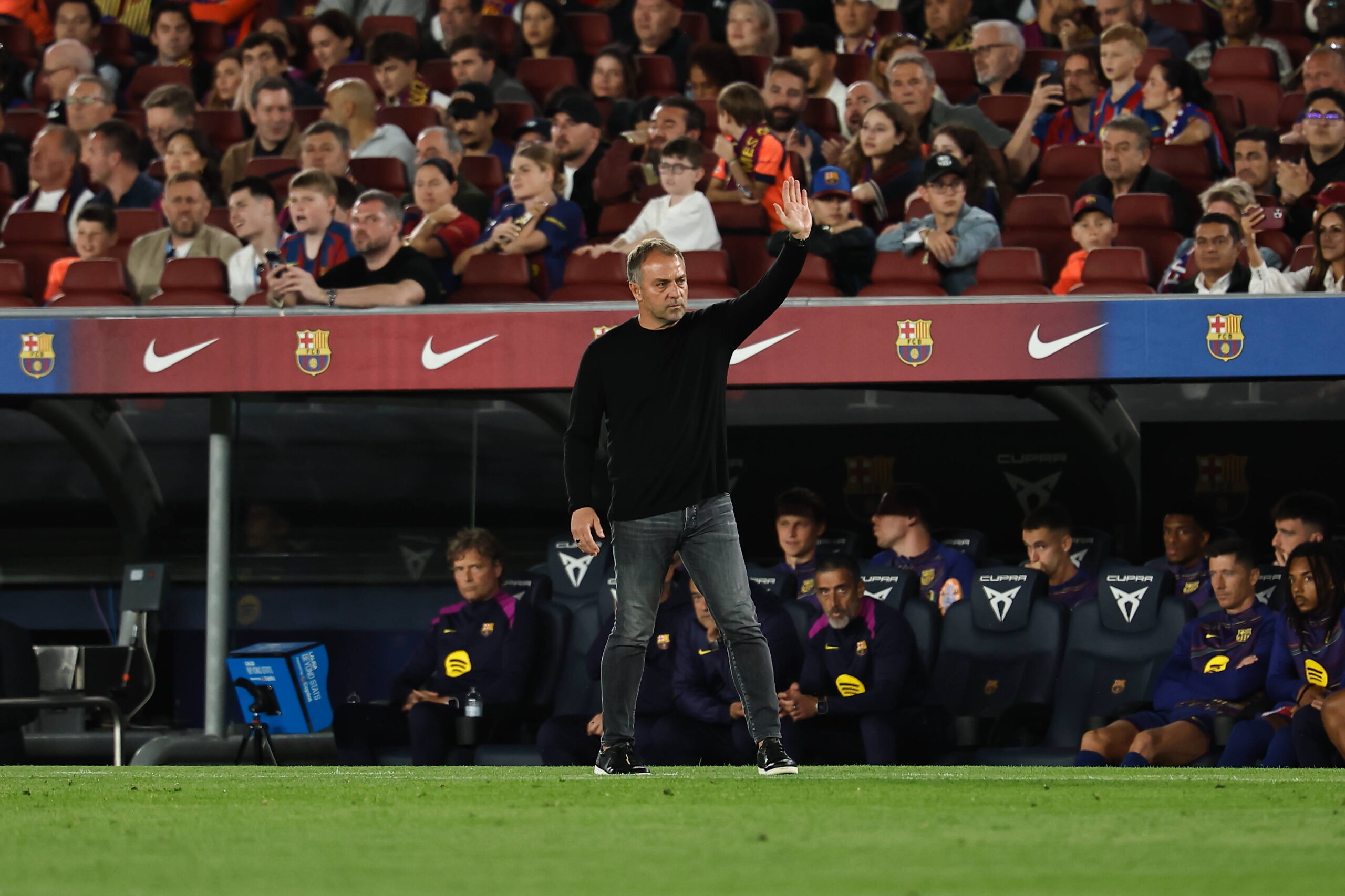
Hansi Flick’s side had been almost flawless before travelling to Paris. Barcelona had won all 11 of their matches this season and scored 48 goals, making them one of the most entertaining and productive teams in Europe.
Lamine Yamal, Marc Bernal, Xavi Espart, and Pau Cubarsi, all four teenagers started together in the Champions League for the first time, a sign of both the club’s exciting present and the enduring yet bold faith in La Masia.
Yet PSG treated that confidence as an invitation. Desire Doue gave the Champions League holders a first-half lead, and although Xavi Espart and Yamal dragged Barcelona level twice, late goals from Vitinha and Fabian Ruiz settled a chaotic contest.
The scoreline was harsh but fair. PSG created chance after chance, and Barcelona’s defence rarely looked comfortable under sustained pressure.
Injuries exposed the cracks
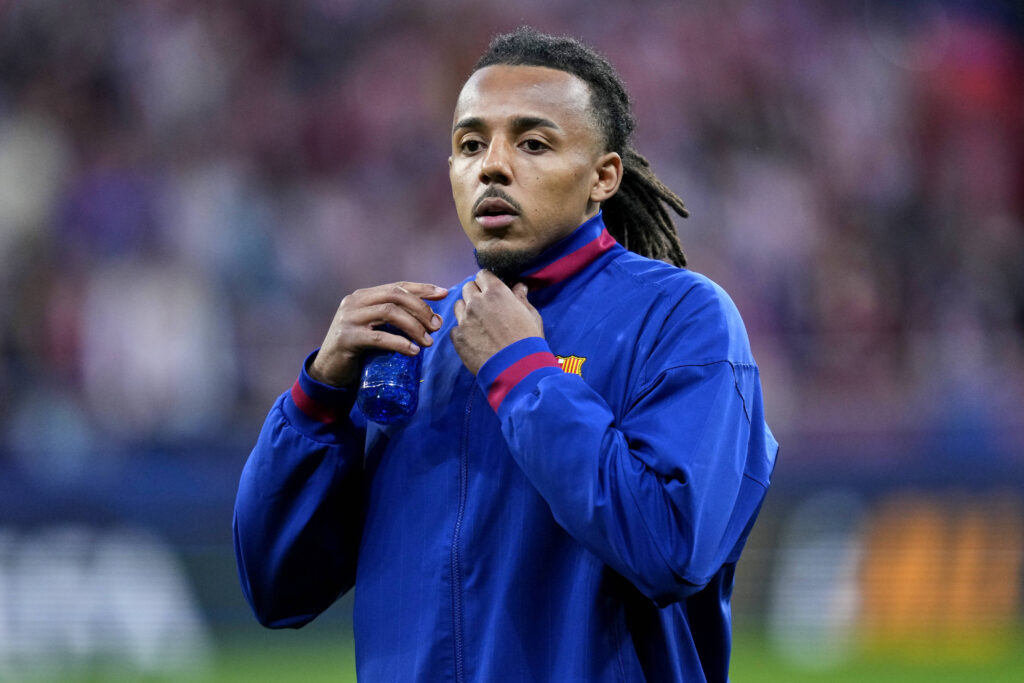
The problems began before kick-off. Jules Kounde, Eric Garcia, and Gerard Martín had all picked up injuries in the win over Real Betis, while Andreas Christensen was already unavailable. Martin was fit enough to start alongside Pau Cubarsi, but the absence of Garcia and Kounde removed two of Flick’s most useful defensive options.
Xavi Espart deserves credit for his composure and for scoring Barcelona’s first goal, but he was asked to do far too much at right-back. Elsewhere, the backline looked disjointed. PSG repeatedly found space between the centre-backs and full-backs, while crosses into the box caused panic.
Lucas Hernandez’s header and Fabian Ruiz’s late tap-in both came from Barcelona failing to deal with danger in their own area. Joan Garcia, to his enormous credit, kept the defeat from becoming a humiliation. He made 10 saves, including several from close range, as PSG piled forward. A goalkeeper cannot be expected to rescue a team every week, however.
If Barcelona continue to offer opponents this much space and these many openings, even the best shot-stopper will eventually be beaten.
The numbers tell the story
PSG attempted 22 shots to Barcelona’s 18, and the hosts created six big chances compared with Barcelona’s five. More worryingly, PSG had 10 of their 12 first-half shots on target, the most shots on target Barcelona have faced before half-time in the Champions League since at least 2003/04.
That is not the profile of a team ready to win the Champions League. Great European sides can suffer under pressure, but they usually find a way to protect their goal. Barcelona, by contrast, looked like a team whose defensive plan depended on individual moments of brilliance rather than collective stability.
A self-inflicted shortage
It would be easy to blame injuries alone, but that would ignore a bigger issue. Barcelona allowed Inigo Martinez to leave in the summer of 2025 and did not replace him. At the time, the emergence of young defenders softened the blow, but Martinez’s experience and leadership have been missed whenever the squad has been stretched.
The situation became even more questionable when Ronald Araujo joined Liverpool on loan this summer, yet Barcelona still chose not to sign a new centre-back. Christensen’s ongoing fitness concerns made that decision riskier, and the club are now reportedly reconsidering their stance ahead of January. Reports suggest Barcelona could pursue an experienced defender or full-back, although their tight salary cap may force them to sell before they can buy.
Pau Cubarsi is a special talent, but he cannot carry the defence alone. He needs a reliable, established partner, someone who can organise those around him, win duels, defend crosses and remain calm when the game becomes frantic. Right now, Barcelona do not have enough of those players.
January cannot come soon enough
Barcelona’s attack is good enough to beat almost anyone. Their pressing, movement, and young talent can overwhelm opponents. Additionally, Lamine Yamal’s stunning equaliser in Paris showed once again why he is already among the world’s most dangerous players.
But the Champions League is not won by attack alone. It is won by teams that can defend leads, survive waves of pressure and keep their structure when the opposition raises the tempo. PSG showed the Blaugrana exactly what that standard looks like.
If Barcelona do not sign a proper centre-back in January, they may once again reach the latter stages of the Champions League only to discover that their defence is not built for the final push. Their long wait for a sixth European Cup will not end because of one defeat, but Tuesday night made one thing clear. Unless they fix their central defence, it may not end this season either.