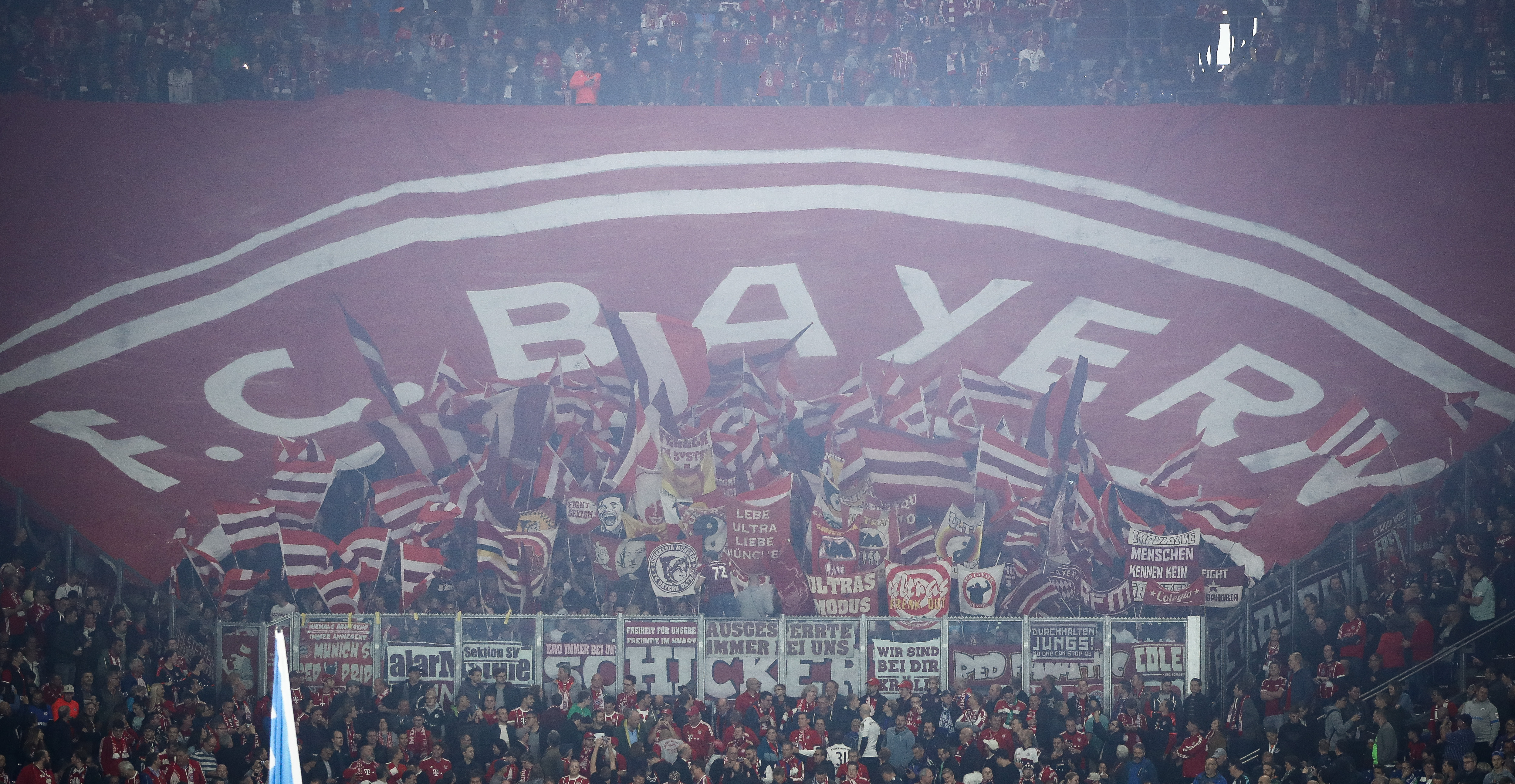
Vincent Kompany’s Bayern Munich must sell smart this summer if they want to turn promise into UEFA Champions League success.
Vincent Kompany arrived at Bayern Munich with a clear brief: restore domestic dominance and, crucially, build a side capable of winning the UEFA Champions League. Progress under the Belgian has been tangible. Die Roten reclaimed their place at the summit of German football and pushed deep into Europe, only to fall short against an ultimately superior PSG.
With the next step in mind, Kompany and the club’s hierarchy face a delicate off-season: add a few high-quality pieces while trimming a squad that contains several stalwarts who no longer fit the long-term blueprint. Pruning is as important as addition. Here are three players Bayern should consider selling this summer, not out of spite but because moving them on could accelerate the club’s next cycle.
Joao Palhinha
Bayern Munich’s acquisition of Joao Palhinha from Fulham in the summer of 2024 promised a combative midfield anchor to protect the defence and provide a physical presence through the middle. The reality, however, has been underwhelming. Palhinha never quite established himself as an indispensable figure under Vincent Kompany and spent last season on loan at Tottenham Hotspur.
Spurs have shown clear interest in making that temporary switch permanent, while Sporting CP remain potential suitors. From Bayern’s perspective, the calculation is straightforward.
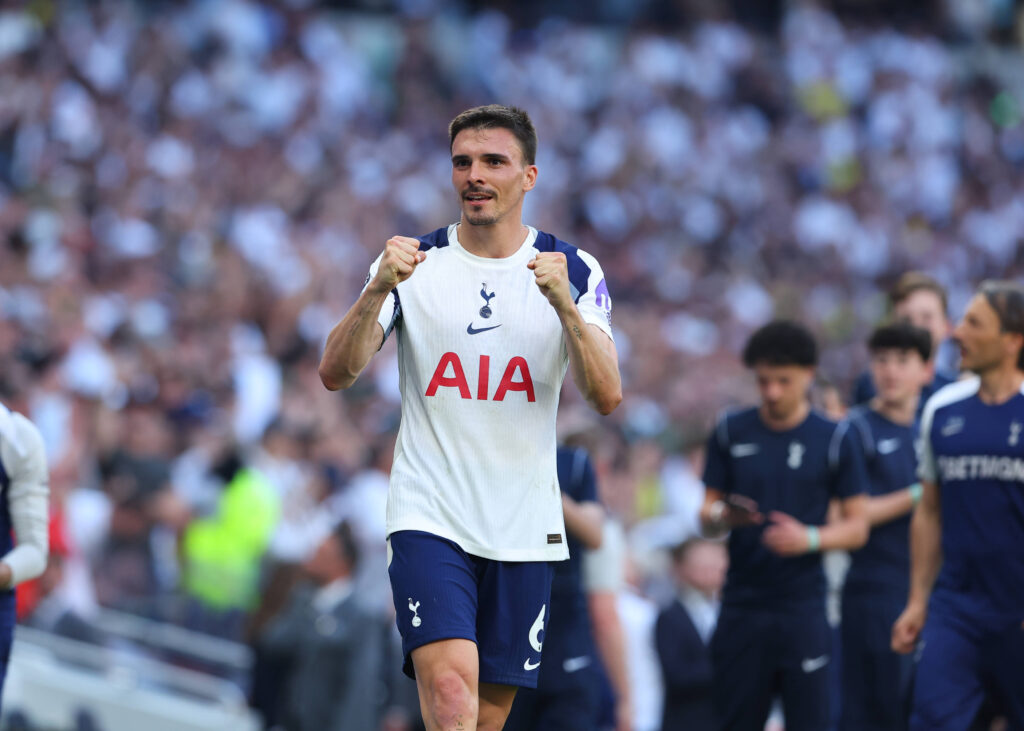
They paid a substantial fee originally and are now in a position where recouping as much of that outlay as possible is the sensible move. Palhinha occupies significant wages and competes for minutes in a midfield that Kompany is reshaping to play with greater technical fluency and mobility.
Selling him would have two immediate benefits: reduce the wage bill and free funds for an investment in a younger, more progressive midfielder who fits the manager’s tactical demands over the next decade. There is also a pragmatic timing argument.
Palhinha is approaching what should be his peak years, so market interest, particularly from Premier League clubs who value his profile, should remain robust. If Tottenham can negotiate a buy option at a reduced price, Bayern should be open to compromise; the objective is to convert an asset that has not matched expectations into transfer capital. In short, move Palhinha on and use the funds to add a younger, more dynamic central midfielder who can sustain Kompany’s high-energy style for years to come.
Kim Min-jae
Kim Min-jae’s situation is more nuanced. Since arriving from Napoli, the South Korean defender has demonstrated why he is coveted across Europe as a powerful, reliable centre-back with both athleticism and a keen reading of the game. Yet the narrative around his Bayern career has been mixed.
Kim has missed important Champions League knockout matches and has at times appeared frustrated by his role under Kompany. Both player and club benefit from clarity. At 29 and with two years left on his contract, he remains an attractive proposition for clubs in the Premier League and beyond. His age means he can still command a significant fee, and Bayern could monetise that asset without leaving themselves short defensively, provided they replace him properly.
The decision to sell should thus rest on three factors: the size of the offer, the availability of a suitable successor, and Kim’s own willingness to remain part of Kompany’s rotation. For Bayern, a sale makes sense if it funds the recruitment of younger alternatives or pays for a high-end recruit who fits Kompany’s style more naturally.
For Kim, a move to England, where his strengths would translate well, could offer regular starts and a new challenge. Ultimately, if Premier League suitors, like Tottenham, table competitive bids, Bayern should listen. Turning Kim into meaningful funds creates room to bring in a defender in his mid-20s who can be part of the club’s long-term spine.
Serge Gnabry
Serge Gnabry is a trickier emotional call. The German international has been a dependable attacking option for years, offering versatility across the front line and a knack for important contributions.
Last season, he managed 21 goal involvements across 37 appearances, respectable numbers for a rotating forward. Yet context matters. Gnabry is 30 and Bayern’s ambitions under Kompany point to a gradual rebuilding towards a younger, quicker attack that can compete at the very highest European level for the next decade.
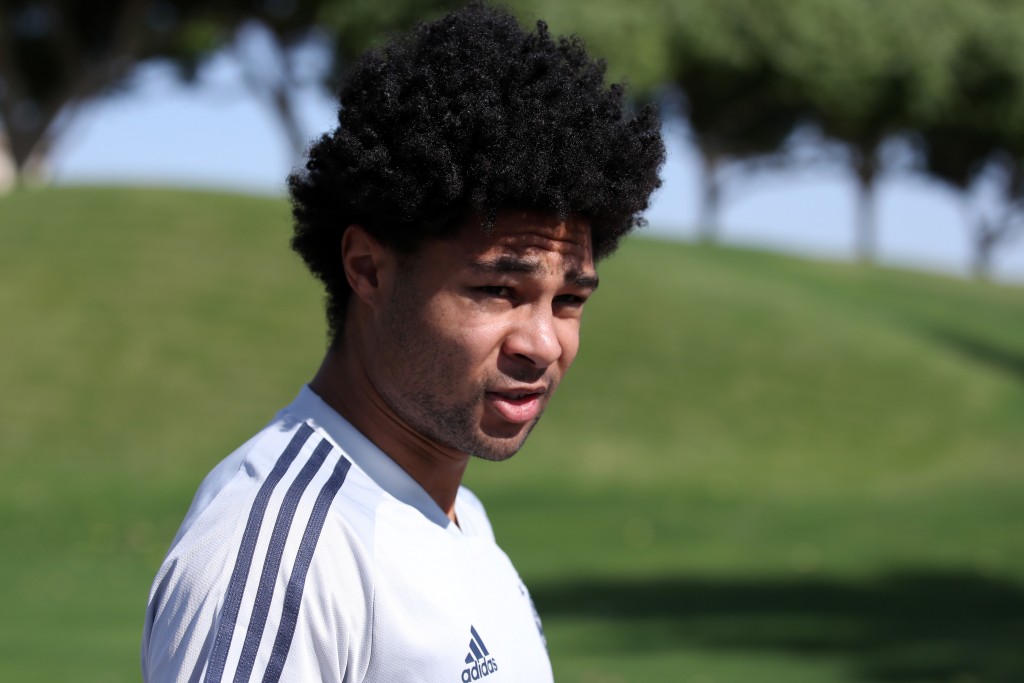
Selling Gnabry makes sense from several angles. First, his age means Bayern risk entering another short-term cycle if they continue to rely on veterans rather than cultivating long-term prospects. Second, the transfer market could yield a decent fee, enough to help bankroll a younger wide forward with upside. Third, his versatility, while valuable, also masks the reality that younger forwards can deliver similar positional fluidity with greater athletic longevity.
Kompany must weigh continuity against evolution. Retaining Gnabry provides short-term stability; selling him creates opportunity. If Bayern are serious about building a forward line aligned with the manager’s pressing, quick-transition ideals, reinvesting proceeds from a Gnabry sale into a 22 to 25-year-old attacker would be logical. The club should prioritise players who can grow within the system and provide resale value down the line.
Wider implications
Offloading these three players would not be a panacea. Bayern Munich must balance departures with shrewd acquisitions. Reports suggest they have already agreed deals for Ismael Saibari and Nathaniel Brown, signposts that Kompany wants to blend youthful exuberance with tactical versatility.
Selling Palhinha, Kim, or Gnabry should therefore fund targeted signings; a young, technically gifted central midfielder to replace Palhinha’s space; a centre-back in his mid-20s to replace Kim; and a forward with a high ceiling to succeed Gnabry.
There are additional squad-management benefits. Reducing the number of senior players who are neither central to Kompany’s plan nor fully content with their roles simplifies dressing-room dynamics. It gives fringe talents and academy graduates space to step up while allowing Bayern’s recruitment team to focus on quality rather than quantity.
Importantly, these sales need not signal a fire sale. Bayern Munich can remain competitive immediately while positioning themselves for sustained success in the coming seasons.