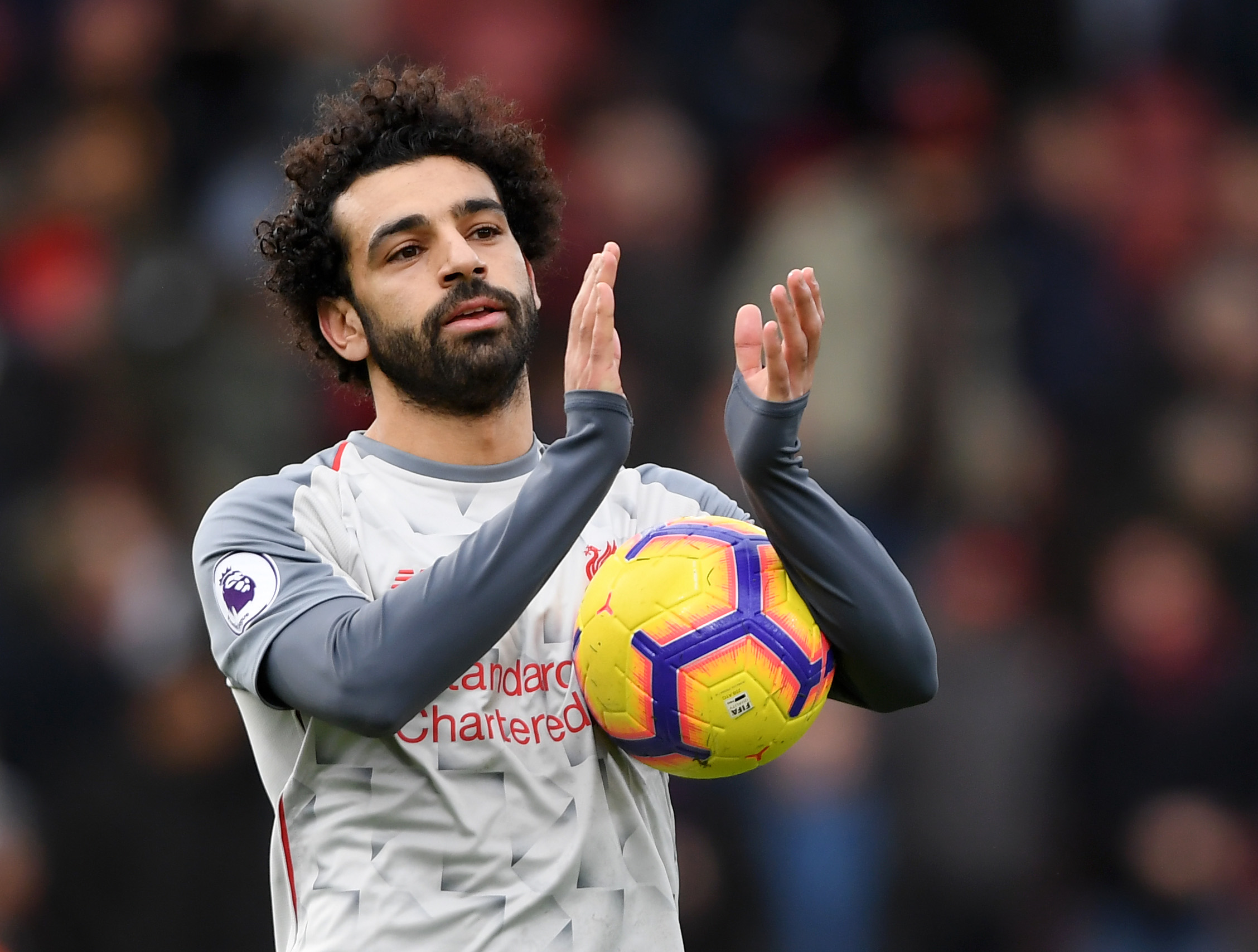
Liverpool’s worst fears about life after Jurgen Klopp are playing out in real time, and Mohamed Salah’s post after the Aston Villa defeat has put that collapse into brutally clear words.
I have witnessed this club go from doubters to believers, and from believers to champions. It took hard work and I always did everything I could to help the club get there. Nothing makes me prouder than that.
Us crumbling to yet another defeat this season was very painful and… pic.twitter.com/xsnD14QLTQ
— Mohamed Salah (@MoSalah) May 16, 2026
Salah’s statement does not just express frustration; it reads like a verdict on a club that has drifted away from the identity that made it European and English champions. While the veteran attacker’s social media post crosses a line and wades into unprofessionalism, he has a point, as Liverpool have lost themselves since Jurgen Klopp’s departure. This, now, ramps up the pressure on Arne Slot and the club’s next decisions.
From “heavy metal” to an unrecognisable team
Under Jurgen Klopp, Liverpool’s identity was crystal clear: aggressive pressing, relentless tempo, emotional intensity and a collective sense of purpose that turned “doubters to believers”. That is exactly the version of Liverpool Salah is invoking when he talks about “the heavy metal attacking team opponents fear” and a club that exists to “win trophies”, not just “win some games here and there”.
The contrast with Arne Slot’s Liverpool is stark. The team that lost 4-2 to Aston Villa had already suffered its 20th defeat of the season in all competitions, a statistic that speaks to systemic problems rather than a blip. Across the campaign, Liverpool have conceded heavily, looked easy to play through and have too often resembled a group of disconnected individuals rather than the tightly coordinated machine Klopp built.
Reports around the club have talked about an “ambiguous” identity under Slot, with players underperforming and Liverpool frequently failing to control games in or out of possession. Salah’s message, in that context, is not nostalgia but a diagnosis.
He is pointing out that Liverpool’s football no longer matches their self-image: this is not the snarling, front-foot side that overwhelmed opponents, and it is not a team that behaves like one of Europe’s standard‑bearers. When he calls Champions League qualification “the bare minimum”, it underscores how far standards have slipped that even that is now in doubt after defeats like the one against Aston Villa.
Why Salah is right about the identity crisis
Salah’s core points are hard to argue with. He highlights repeatedly “crumbling to yet another defeat this season”, which fits a pattern of Liverpool folding once they go behind rather than responding with the kind of furious comeback mentality that defined the Jurgen Klopp era.
He insists Liverpool’s identity “cannot be negotiable and everyone that joins this club should adapt to it”, which reads like a challenge to a regime that has allowed standards on and off the ball to slide.
His demand to return to a style where Liverpool “are feared” is telling, given a season in which opponents have not only stopped fearing Anfield but have repeatedly cut Liverpool apart in transition and on the counter.
Arne Slot himself has admitted that Liverpool have been too open, too vulnerable to counter-attacks and “too easy” to bypass when pressing, acknowledging that these are “clear and obvious” issues that need a major correction. Public analysis has described Slot’s style as producing football that is at times “simply dreadful” to watch, with players growing weary of a way of playing that does not give them control or clarity.
When your star forward and external observers are effectively saying the same thing, that the idea of the team doesn’t match the reality on the pitch, it is hard to claim Salah has misread the situation. Crucially, he does not try to distance himself from the mess.
The 33-year-old reminds everyone how hard he has worked for the club, then adds that qualifying for the Champions League is the “bare minimum” and that he will “do everything” he can to make it happen. It is criticism coupled with responsibility that makes his words carry so much weight in a dressing room and a fanbase that once looked to Klopp for the same combination.
The post is right, but still slightly unprofessional
All of that said, the timing and medium of Salah’s intervention matter.
Liverpool are limping towards the end of a miserable season; the head coach is already under scrutiny, and the fanbase is angry and divided. In that climate, for the club’s biggest star to post a long public statement criticising the team’s identity and implicitly questioning whether the current setup matches what “Liverpool should be about” inevitably puts his manager directly in the firing line, even without naming him.
In an ideal world, those points are hammered home behind closed doors: in team meetings, in the manager’s office, in conversations with the sporting director. Going public with such a pointed message, while the season is still alive and Champions League qualification is not yet completely gone, can be seen as undermining the head coach’s authority, even if the content is honest.
It invites the interpretation that Salah is distancing himself from the current regime and aligning himself with the supporters who have already turned. That is why the post can be simultaneously admirable and unprofessional.
It is admirable because Salah is clearly hurting, clearly cares and is talking about standards, not contracts or personal glory. However, the statement is unprofessional because, at a moment when the squad and staff need unity to salvage something from the campaign, he has added fuel to a fire that is already engulfing the manager.
Slot under suffocating pressure
The result is that Arne Slot is now under even greater pressure than before, and this time, it is not just coming from the stands or the media.
Slot came into Anfield as the man tasked with the impossible: replace Jurgen Klopp, keep Liverpool competitive and evolve the team without tearing up its DNA. There were spells last season when it looked like he might pull it off; his press conferences after big wins had an unmistakable air of self‑assurance, a coach convinced he was vindicating the club’s choice.
But those mannerisms now look dangerously close to vanity in light of what has followed. This season, his tactical approach has been heavily criticised. The structure without the ball has often looked confusing, with a high line exposed by a press that does not bite and a midfield that does not protect.
Going forward, attack has been neither as direct and ferocious as Klopp’s Liverpool nor as controlled and positional as the best possession sides in Europe, leaving the team stuck in a muddled halfway house. External analysis has highlighted how rarely Liverpool have truly dominated opponents over 90 minutes and how uncomfortable the players appear within the tactical framework.
Man‑management has only deepened the questions. Reports and performances suggest a squad struggling for motivation, with key players looking drained rather than driven, and younger talents either underused or publicly questioned rather than trusted. In that context, public discontent from a senior figure like Salah is a nightmare scenario for any coach: it signals that the dressing room’s most powerful voice no longer fully believes in the direction of travel.
Once fans sense that key players are turning, the atmosphere hardens. The jeers at Anfield after dropped points and a mid‑table trajectory in the league already showed how fragile Slot’s backing among supporters has become. Salah’s statement now feels like a tipping point, the moment frustration crystallises into a demand for change, with the manager at the centre of the storm.
Why sticking with Slot could be a huge risk
The stakes for Liverpool could not be higher. For the first time since Jurgen Klopp’s early rebuilding years, the Reds are staring at the possibility of being cut adrift from the absolute elite, both in terms of results and identity. Salah’s post is a warning that this is not just about one bad season; it is about the erosion of the standards that made Liverpool different.
Keeping Slot would mean betting that he can fix problems he has so far failed to solve: the lack of a clear identity, the leaky defensive structure, the inability to consistently dominate games, the questionable use of the squad and the damaged relationship with supporters. It would also mean asking players who publicly and privately doubt the current direction to buy back in.
If Salah leaves next season, as increasingly seems likely given his age, contract situation and the trajectory of the team, Liverpool will not only lose a world‑class goalscorer and creative outlet. They will lose a leader who has just shown he is willing to take public responsibility, call out mediocrity and articulate what the club should stand for. Replacing that combination of talent, mentality and status in the dressing room is close to impossible in one window.
Salah’s message, then, is not just a rant after a bad night; it is a strategic alarm bell. He is telling the club that what made Liverpool special is slipping away, that the standards he helped set are being compromised, and that time is running out to put it right. Whether the board interpret that as a mandate to act decisively on the manager or as an uncomfortable truth to be managed around will define what Liverpool look like next season and beyond.