The Hard Tackle discusses the three major talking points from Day 15 of the 2026 FIFA World Cup, which produced some eye-catching action and sealed more qualification spots in the round of 32.
Day 15 of the 2026 FIFA World Cup delivered the sort of emotional swings and tactical narratives that make tournament football irresistible. Six fixtures produced a mixture of surprising finishes, pride-saving victories and one encounter that never truly ignited. By the night’s end, a few more places in the round of 32 had been settled. Managers will thus sleep with new questions to answer and fresh confidence in pockets of their squads, and a handful of nations head for the knockouts carrying momentum while others must rethink quickly.
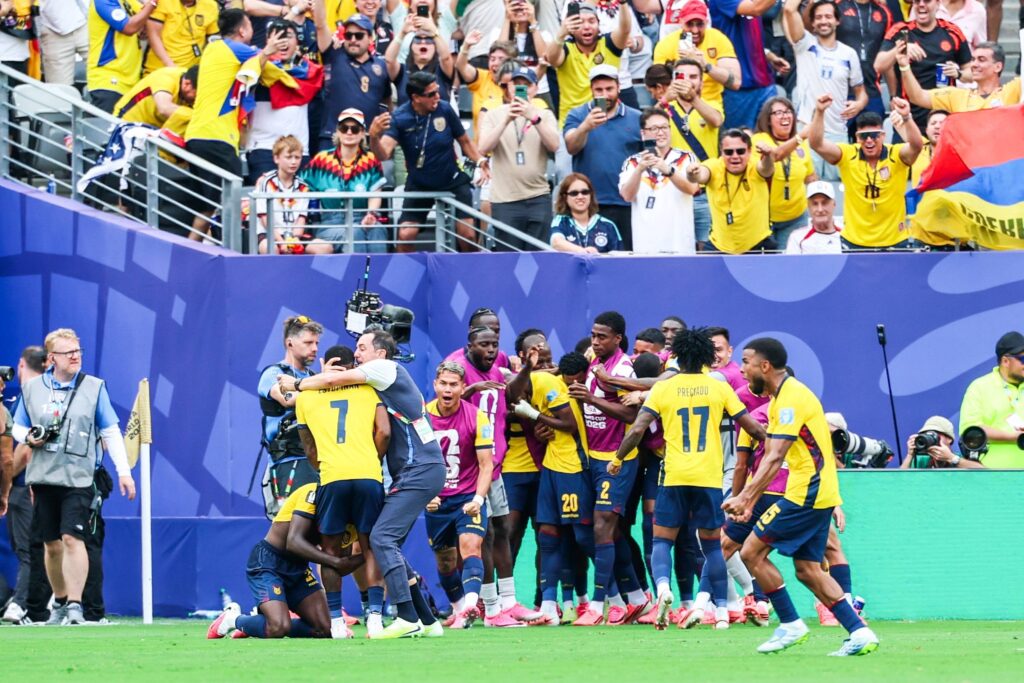
Ecuador’s clash with Germany was the headline act. It was a game of fine margins that swung in favour of La Tricolor after a resilient, composed second-half display. Die Mannschaft started on top but were frustrated by Ecuador’s organisation and incisive transitions; the late moments belonged to Sebastian Beccacece’s men as they found the goals and held out to leave Germany nursing doubts.
Meanwhile, Curacao took on Ivory Coast in a contest that never quite matched its romance on paper, as the Elephants delivered a measured, professional performance to secure a comfortable win and, with it, a historic progression to the knockouts. Up next, Tunisia’s outing against the Netherlands saw the Dutch assert their authority when required; the Oranje controlled the tempo, picked their moments and took full advantage to wrap up top spot in Group F.
Japan and Sweden served up a tight, tactical stalemate in which the latter’s grit earned them the draw they needed to edge close to qualification. Turkiye produced one of the night’s more entertaining matches against the United States. It was end-to-end, error-strewn, and ultimately rewarding for the Turks, who won 3-2 and salvaged pride.
Finally, Paraguay and Australia played out a goalless draw that was low on spectacle but high on consequence, enough for the Socceroos to confirm progression and for Paraguay to place themselves favourably among potential best third-placed qualifiers. Here are three talking points to emerge from the action on Day 15 of the 2026 FIFA World Cup.
Ecuador’s comeback and Ivory Coast’s milestone
Ecuador’s win over Germany was the sort of result that reframes a group. After a tentative start to the tournament that left fans and pundits sceptical, La Tricolor showed the composure and attacking clarity that had been missing in their first two matches. Germany, historically the side to find ways through in crucial moments, were kept at bay by Ecuador’s disciplined shape and quicker transitions in the final third.
The South American nation’s attackers combined urgency with an eye for space, and their late goals were a product of both tactical intent and clinical finishing. The significance goes beyond three points: this was a statement that Ecuador can handle the pressure of a World Cup knockout push and that their recent struggles were not terminal.
Meanwhile, Ivory Coast’s victory over Curacao was historic and methodical. The Elephants did not rely on flash or fortune but controlled passages of the match, limited unnecessary risks, and capitalised on moments to finish decisively. Nicolas Pepe’s brace helped secure second place in Group E and, crucially, the nation’s first-ever progression beyond the group stage at a World Cup.
That milestone changes the narrative around Ivorian football and rewards a generation of players and staff who have built depth and tactical maturity. Both Ecuador and Ivory Coast showed different ways to achieve the same objective: Ecuador with a late comeback under pressure, Ivory Coast with a composed, professional group-stage capstone.
Sweden’s grit and Netherlands’ control
Sweden’s draw with Japan was a lesson in defensive resolve and mental fortitude. Graham Potter’s side have not always impressed aesthetically, but on this occasion their pragmatic, no-nonsense approach produced the result they needed. Blagult defended with discipline, nullified Japan’s most dangerous threats and showed the sort of collective organisation that bodes well for knockout football.
A draw may look modest on paper, but within the context of World Cup progression it is a prized commodity. Sweden leave the day with renewed belief that they can be difficult opponents for any team in a single-elimination match. The Netherlands, by contrast, used their fixture against Tunisia to underline why they remain one of the tournament favourites.
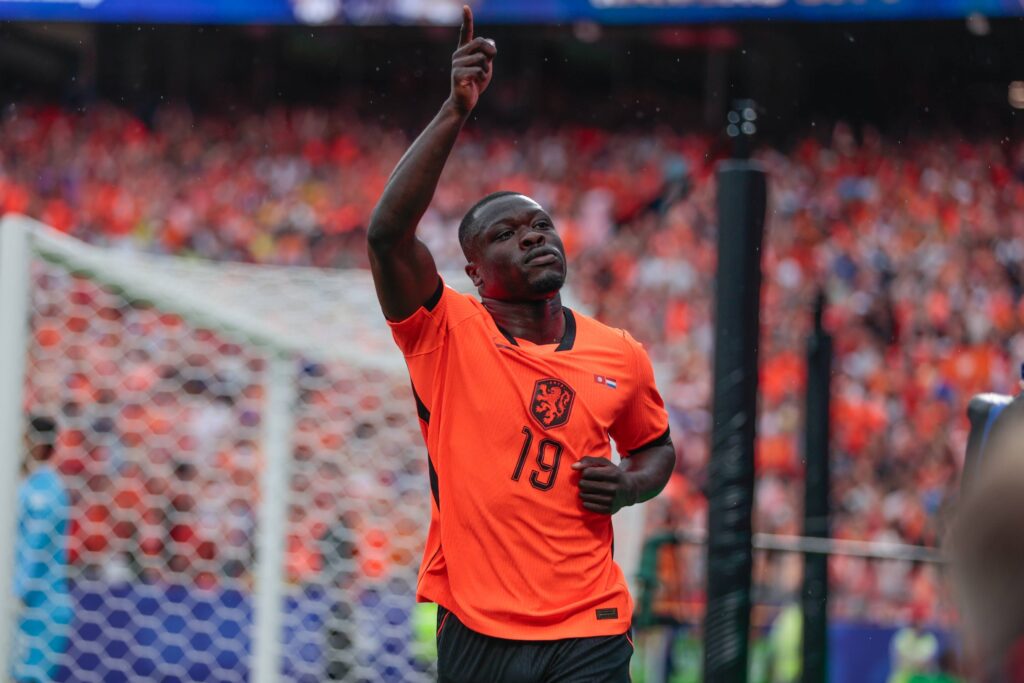
With greater possession, sharper passing sequences and a clearer plan in the attacking third, the Dutch converted control into victory and sealed top spot in Group F. That first-place finish is not merely symbolic: it shapes the route through the bracket and increases the chance of more favourable matchups in the round of 32 and beyond.
Taken together, Sweden’s stubbornness and the Netherlands’ efficiency highlight two complementary approaches to tournament success; defensive solidity can carry a team far, but technical control and tactical flexibility are equally potent in steering a campaign.
Turkiye’s late celebration and the Paraguay-Australia deadlock
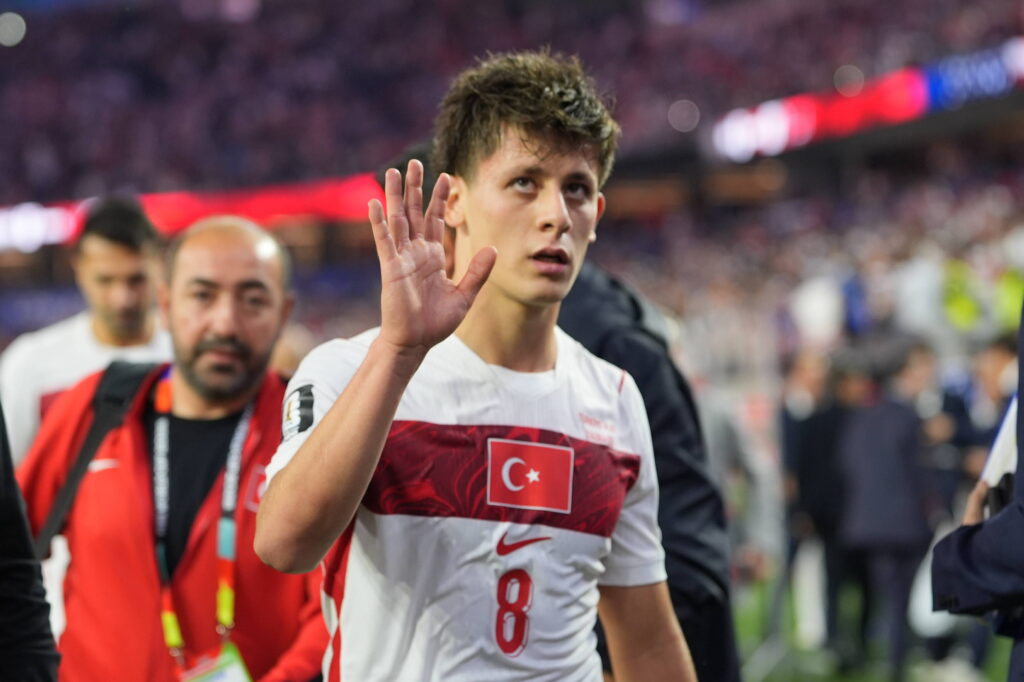
Turkiye’s 3-2 win over the United States was theatre. After two matches in which the Crescent Stars created chances but lacked the final touch, their forwards finally found the net abundantly, and at vital moments. The game swung back and forth, marked by open play, defensive vulnerabilities on both sides and a sense that the scoreline could have run either way.
For Vincenzo Montella’s team, the victory was vindication: a reminder that their attacking plan is capable of producing goals, and a morale boost that will be crucial for a squad that otherwise might have left the tournament with only regrets about missed opportunities in prior games. The win also reframes how observers judge Turkiye’s campaign; rather than being defined by squandered chances, they can now talk about resilience and finishing when it mattered.
The match between Paraguay and Australia, in contrast, was low on excitement but high on consequence. A goalless draw rarely provides talking points for purists, yet it was exactly what both sides required. Australia secured progression to the round of 32, a deserved reward for a group campaign built on defensive organisation and timely attacking forays.
Meanwhile, Paraguay preserved their chances of advancing as one of the best third-placed teams. Their supporters will take some consolation that, despite not sealing automatic qualification at this point, the team is well positioned to sneak through depending on results elsewhere. For the United States, defeat to Turkiye raises questions about defensive cohesion; conceding three goals in a decisive game invites scrutiny and suggests a potentially dangerous path in the knockout phase if adjustments are not made quickly.
Three key takeaways from Day 15 of FIFA World Cup 2026
- Momentum matters: Ecuador and Ivory Coast have it now. Ecuador’s comeback is more than three points; it is psychological fuel. A team that once looked shaky in both possession and finishing has shown it can close out a tight, high-pressure fixture against a heavyweight. Ivory Coast’s progress is historic and well-earned: a composed, professional performance to clinch a first-ever place in the knockouts will galvanise the nation and shift expectations in future tournaments. Both teams proved that tournament trajectories can turn quickly and that confidence gained from big results often compounds.
- Different paths to progress: Sweden’s draw proves that dogged defending and collective organisation remain viable blueprints for World Cup advancement. In parallel, the Netherlands demonstrated the advantage of technical control and the ability to dictate tempo. This tournament continues to underscore that there is no single model for success; teams that either frustrate opponents or control games can both emerge from the group stage ready to challenge in knockout ties.
- Fine margins and tactical questions: Turkiye’s win was reward for persistent attacking intent across the group stage, highlighting what might have been had they converted earlier chances. For the USA, conceding three at a critical juncture exposes vulnerabilities that an elite opponent will exploit in the knockouts. Paraguay’s pragmatic draw with Australia secured a favourable position but left little margin for error; their fate may hinge on results in other groups. The message is clear: small tactical adjustments and improved defensive coordination can swing entire campaigns.
What to watch next
As the tournament heads towards knockout permutations, the teams who found rhythm on Day 15 will carry momentum forward; those who left questions unanswered must react quickly. Ecuador and Ivory Coast will bask in confidence, Sweden’s organised structure deserves attention from opponents, and the Netherlands’ controlled efficiency marks them as a side to avoid early.
The USA must shore up defensive issues or risk a tricky draw, while Turkiye can take heart that clinical finishing is no longer an unknown. Paraguay and Australia’s cautious pragmatism shows that points, even when unspectacular, count for plenty in a condensed competition.
In short, Day 15 reminded us why World Cups are unforgiving and beautiful in equal measure: fortunes change overnight, histories are made, and the group-stage chessboard rearranges itself at every turn. The knockouts are approaching fast, and with the narratives that began or shifted on this day, we should expect drama, strategy and more defining moments in the days to come.