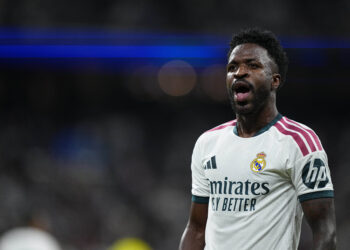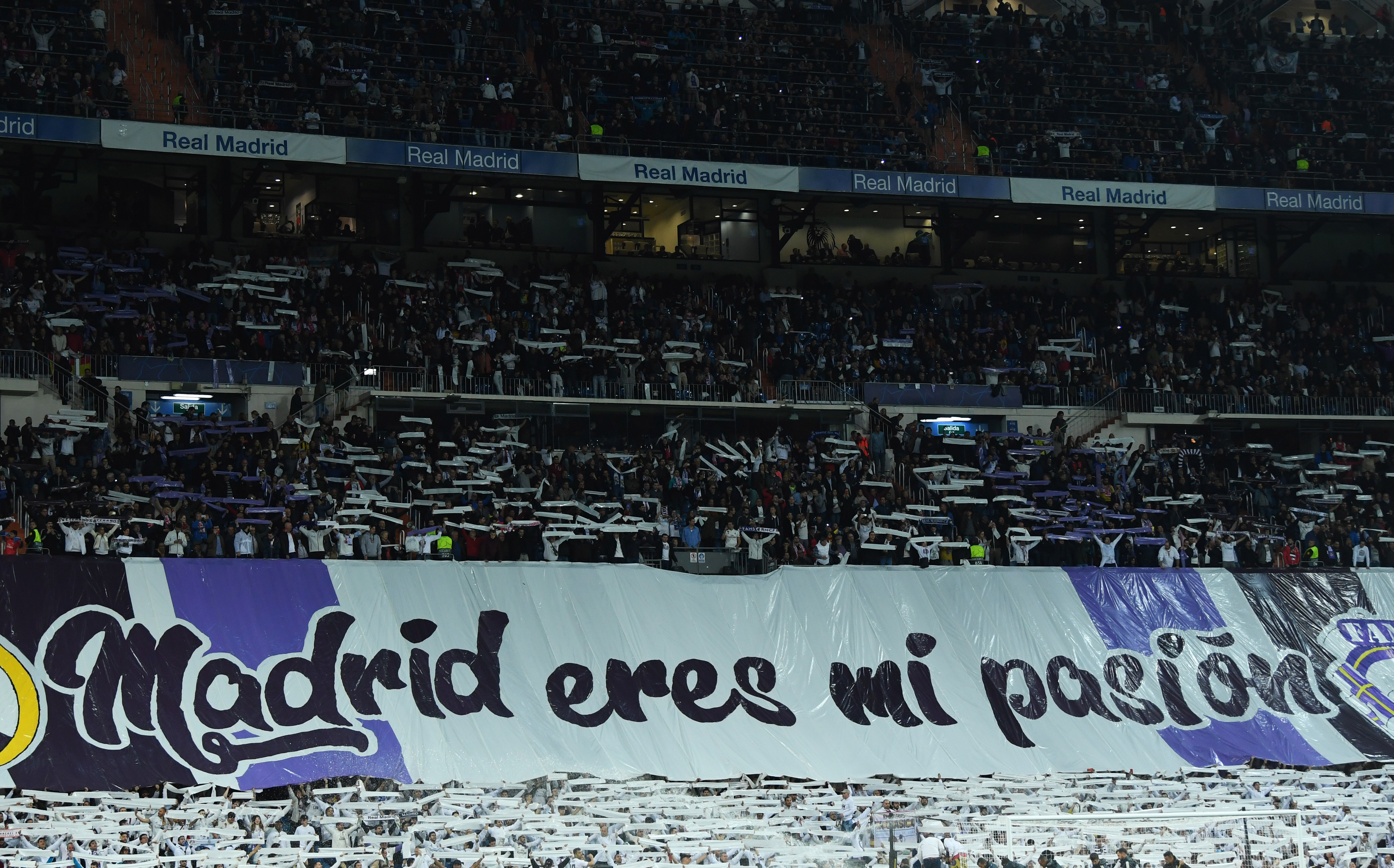
Real Madrid enter the 2026/27 season with a familiar manager, a reshaped squad and a clear objective: reclaim the La Liga title.
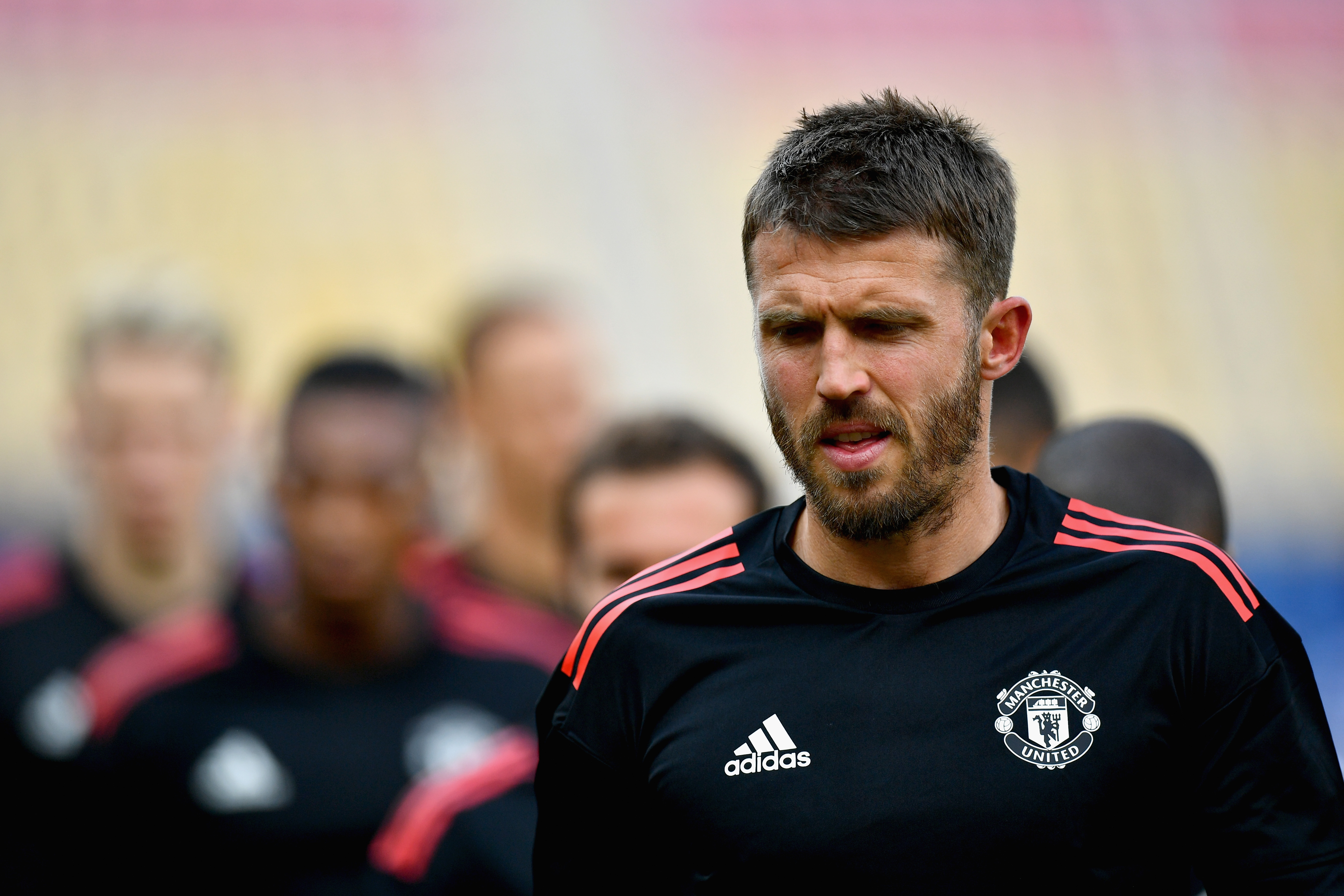
Jose Mourinho’s return to Real Madrid has created excitement and debate in equal measure, but the Portuguese coach has enough quality at his disposal to make Los Blancos serious contenders once again.
A season to forget
Real Madrid’s 2025/26 La Liga campaign ended in disappointment. Despite possessing one of the strongest squads in Europe, they failed to maintain consistency and ultimately finished behind Barcelona in the title race.
Their problems were not always linked to a lack of talent. Instead, the team often looked short of balance, control and a clear identity in difficult matches. The attack remained dangerous, with Kylian Mbappe and Vinicius Junior producing impressive numbers. However, the quality of the front line did not always translate into convincing performances against organised opponents.
When passing lanes were closed and space disappeared, the Merengues sometimes struggled to create clear openings. Their inability to control matches through possession also placed too much pressure on individual brilliance. That season has forced the club to make important changes. Madrid have now turned to Mourinho to provide structure, discipline and a winning mentality.
Mourinho’s blueprint
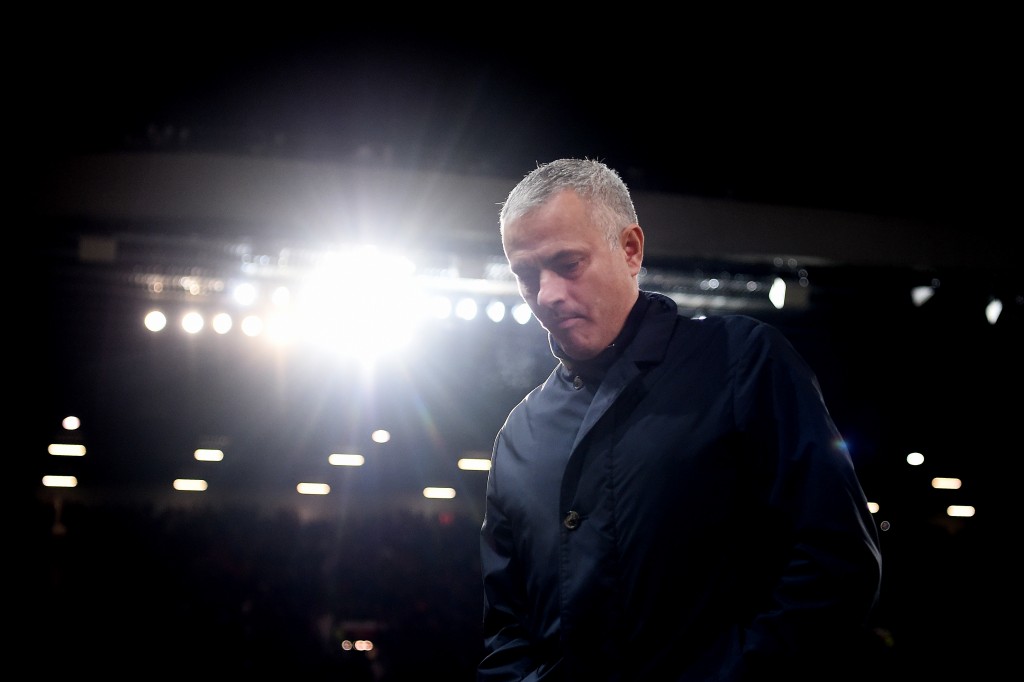
Mourinho returns to the Bernabeu with a reputation for building compact, difficult-to-beat teams that attack quickly once possession is regained. His likely starting point will be a 4-2-3-1 formation, with a double pivot protecting the defence and Jude Bellingham operating behind the main striker.
The system could suit this squad. Aurelien Tchouameni, Eduardo Camavinga, and Federico Valverde offer physical strength, mobility and defensive cover in midfield. Jude Bellingham, meanwhile, can press, carry the ball and arrive late in the box. Rather than leaving him permanently between the lines, Mourinho may use him as a powerful number 10 who drops deeper when Madrid defend.
The Portuguese manager is also expected to demand more defensive work from his wide players. Vinicius and Mbappe will remain the main attacking outlets, but they cannot be allowed to stand apart from the team when Madrid lose possession. Mourinho’s best sides were built on compact distances between the lines, and he will expect the forwards to contribute to that structure.
The key challenge will be breaking down deep defensive blocks. Real Madrid will not be able to rely on counter-attacks in every La Liga match. Against teams that defend deep, they will need patient circulation and better movement around the penalty area. Mourinho must therefore show that he can modernise his approach rather than simply recreate the Madrid team of his first spell.
A squad reshaped
Real Madrid have made several changes in the transfer market. Ibrahima Konate strengthens the centre of defence with his pace, power and ability in aerial duels. His arrival should give Mourinho another reliable option alongside the club’s existing defenders.
At full-back, Marc Cucurella arrives on the left, while Denzel Dumfries adds energy and physicality on the right. Cucurella’s defensive intensity should improve Real Madrid’s protection on that side, but his attacking qualities are equally important. His overlapping runs could create more space for Vinicius Junior, allowing the Brazilian to move inside or attack the final third without constantly facing two defenders.
Dumfries brings a more direct profile. He is comfortable advancing into the opposition half, attacking crosses and making late runs into the box. With Dani Carvajal departing, the Dutchman offers experience and a different kind of threat from the right.
Bernardo Silva is perhaps the most important arrival from a tactical perspective. The Portuguese midfielder can operate centrally or from the flank, retain possession under pressure and connect different areas of the pitch. Yan Diomande adds speed and unpredictability on the wing, while Carlos Espi replaces Gonzalo Garcia as the main back-up option at centre-forward.
The departures of Carvajal, Garcia, Dani Ceballos, David Alaba, and Fran Garcia have altered the squad’s depth. Madrid have gained freshness and experience, but Mourinho must quickly establish a settled hierarchy.
The Rodri problem
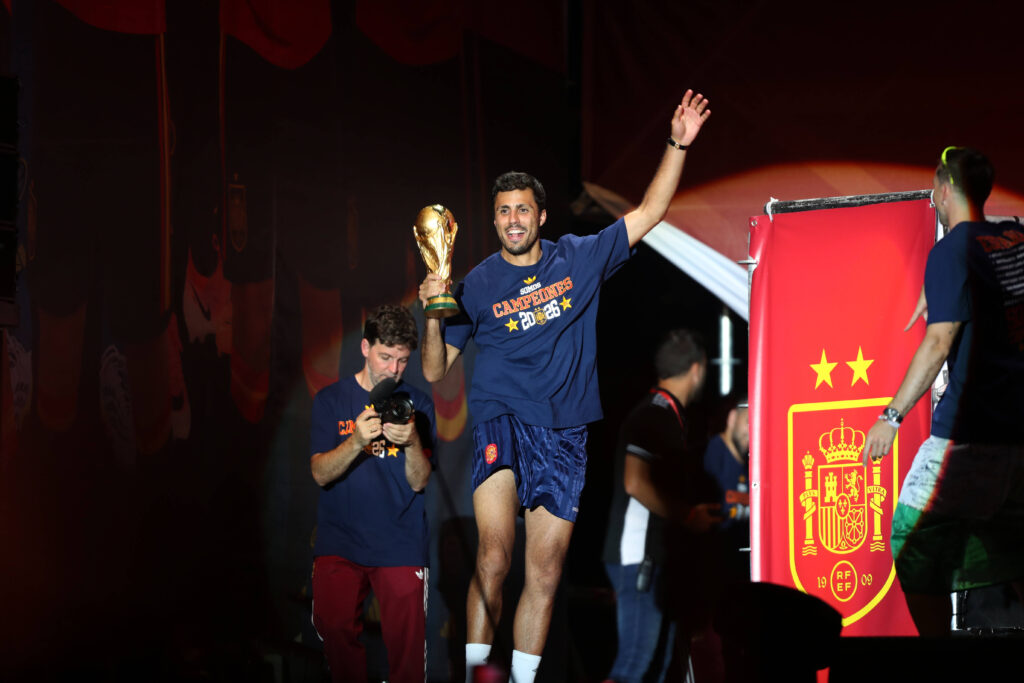
Missing out on Rodri could prove costly. The Spanish midfielder’s move to Barcelona leaves Madrid without the one player who could have solved their most obvious weakness: controlling the tempo.
Real Madrid have outstanding midfielders, but most of them are defined by mobility, ball-carrying or defensive range. They do not naturally dictate the rhythm of a match in the same way Rodri does. He can slow the game when necessary, move opponents from side to side and protect his team after losing possession.
Tchouameni may be asked to perform a similar role, while Bernardo Silva could help Madrid control matches through his passing and movement. However, neither player offers exactly the same profile. Against Barcelona and other elite opponents, Madrid may find themselves forced into a more reactive style because they lack a midfielder who can consistently impose the pace.
Players who could define the season
Mbappe remains the obvious headline figure. His finishing, movement and ability to attack space give Madrid a match-winner capable of deciding the title race. Bernardo Silva could become Mourinho’s control mechanism.
If Real Madrid cannot dominate through a traditional deep playmaker, Silva’s intelligence and close control may help them maintain possession in difficult moments. Cucurella is another important addition. His defensive work should make Madrid more secure, while his support for Vinicius could improve the balance of the left flank.
Prediction
Real Madrid should be in contention to win La Liga in the 2026/27 season. Mourinho’s greatest task will be uniting a squad that has sometimes looked like a collection of stars rather than a complete team.
If he establishes clear roles, improves their defensive organisation and gets the best from Mbappe, Bellingham and Vinicius, Madrid have enough quality to finish above Barcelona.
The midfield may still lack the control one would expect from a Real Madrid side. Nevertheless, the squad’s depth, attacking power and Mourinho’s ability to manage big personalities should prove decisive. If the manager can bring the team together, Los Blancos have every chance of returning to the summit.