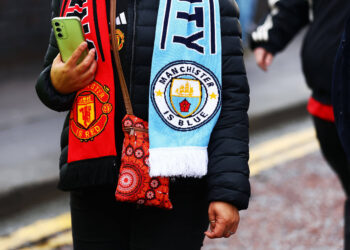
When England and Argentina walk out for their 2026 World Cup semi-final, they will be dragging decades of controversy, tension, and iconic moments back into the spotlight.
England vs Argentina in the 2026 World Cup semi-final is not just a meeting of two elite sides; it is the latest chapter in a rivalry shaped by politics, controversy and moments that have defined entire generations of football fans. For Lionel Messi, facing England in a competitive international for the first time adds a fresh layer of intrigue to a fixture already heavy with history.
A semi-final loaded with ghosts
This semi-final is the first World Cup clash between England and Argentina in 24 years, and only the sixth in tournament history, with England edging the head-to-head by three wins to two. Both arrive in impressive form.
England are chasing a first world title since 1966, while Argentina are defending their crown with Messi still orchestrating the attack despite his advancing years. The on-pitch stories, though, cannot be separated from the weight of what came before, from wars and red cards to one of the most famous goals ever scored.
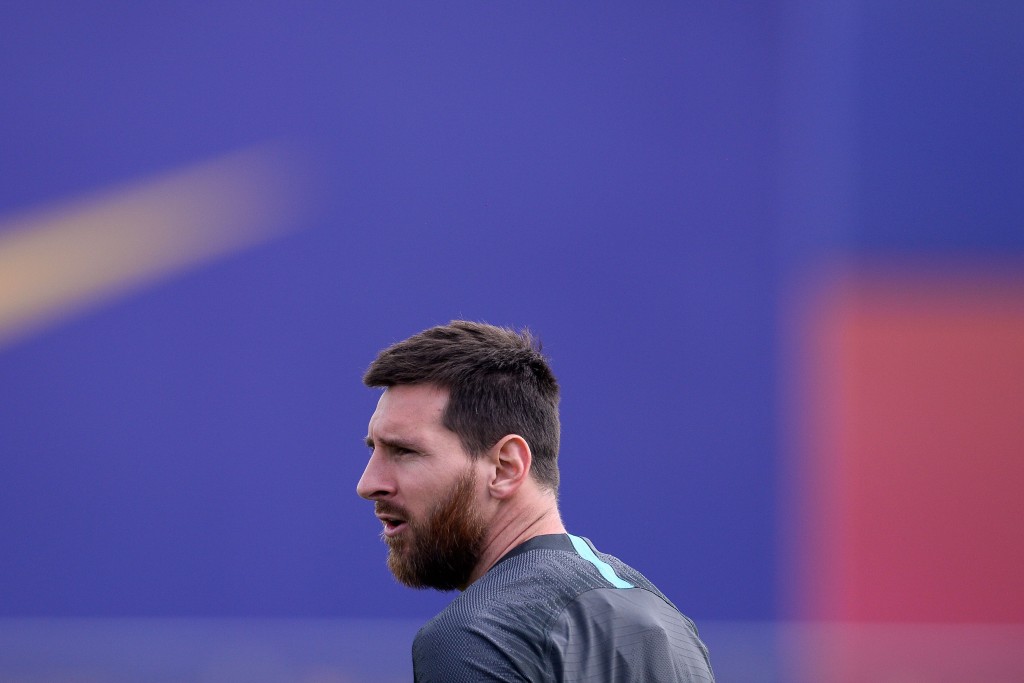
Tactically, this semi-final marries two very different footballing cultures that have been colliding for decades. England’s more structured, possession-based approach and athletic pressing face Argentina’s rhythm of controlled chaos, a mix of street football invention and collective grit, now refined by years of major-tournament experience.
Rivalry forged far from the pitch
To understand why this fixture matters so deeply, you have to move away from the grass and into the history books. The Falklands War in 1982, a short but bloody conflict in which around 900 people lost their lives, set the political backdrop that turned football meetings into something close to a national cause for both countries.
When Argentina and England met at the World Cup just four years later, it felt like more than a quarter-final; for many Argentines, it was framed as a chance to strike back in a symbolic arena where pride, not territory, was on the line.
That mixture of political tension and sporting ambition is a key reason why this rivalry is often compared to other politically charged football clashes, such as India versus Pakistan in cricket or other neighbours with a shared, complicated past. Each meeting becomes an outlet for old grievances, magnifying every tackle, every refereeing decision and every celebration.
1986: Hand of God and Goal of the Century
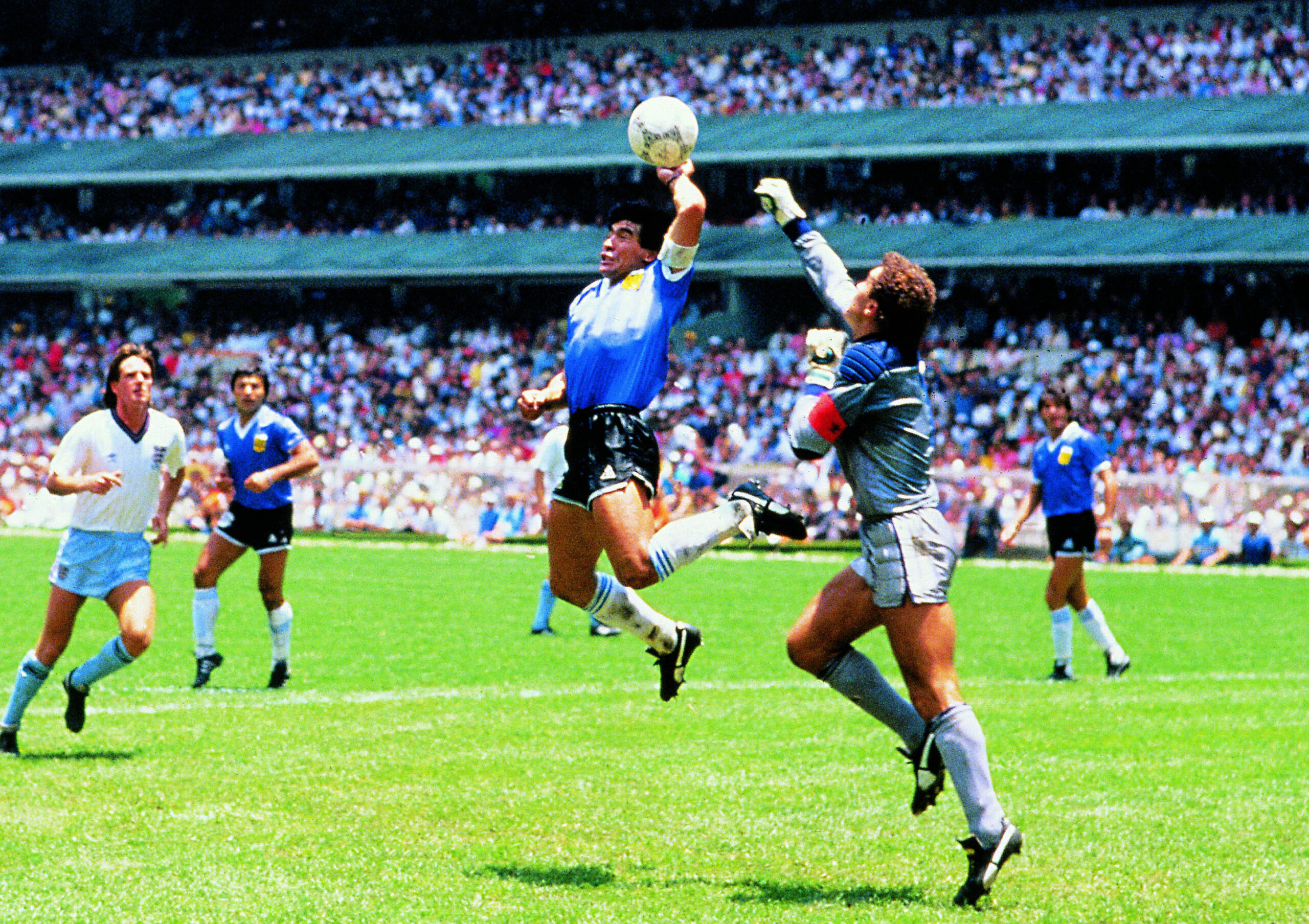
The 1986 World Cup quarter-final in Mexico is the match that turned this rivalry into global mythology. Diego Maradona’s infamous “Hand of God” goal, where he punched the ball beyond Peter Shilton and then claimed it was helped “a little by the hand of God”, remains one of the most replayed and debated incidents in football history.
Argentina saw it as cheeky defiance, England viewed it as daylight robbery, and the officials’ failure to spot the handball only deepened the sense of injustice. But what followed made the game more than a refereeing scandal.
Maradona’s second, dubbed the “Goal of the Century”, saw him dribble half the length of the pitch, weaving past English defenders before finishing with icy composure, a moment that showcased his genius as much as it compounded England’s pain.
Argentina’s 2-1 win sent them on towards the trophy, and for many fans on both sides, that match still sits at the emotional core of the rivalry.
1998: Beckham’s kick and Argentina’s shootout joy
The next major flashpoint arrived at France 1998, in a round of 16 tie that offered drama from the opening whistle. Michael Owen’s sensational solo goal, sprinting past defenders before slotting home, looked set to become the night’s headline until the contest turned on a moment of hot-headedness from David Beckham.
Beckham’s petulant flick of the boot at Diego Simeone earned him a red card, leaving England down to ten men in a match that went all the way to penalties. The subsequent shootout defeat, 4-3 to Argentina after a 2-2 draw, reinforced the story of English heartbreak at major tournaments, while cementing Beckham as a national scapegoat before his eventual redemption.
For Argentina, it was further proof that they could outlast England in the most nerve-shredding of scenarios, thriving in chaos where their opponents often wilted.
2002: Beckham’s redemption and Argentina’s early exit
Four years later in Japan, the script flipped. Drawn together in a tough group, England and Argentina met again, with Beckham now England captain and determined to rewrite his role in this story. The match lacked the wild drama of 1998, instead becoming a tense, controlled battle decided by a single, familiar name. The skipper stepped up to convert a penalty and secure a 1-0 win.
The result carried huge significance beyond the scoreline. Argentina’s exit at the group stage, their first such early elimination in four decades, underlined how costly that defeat was, while England took comfort in finally landing a psychological blow after years of scars.
In a rivalry so defined by moments, Beckham’s penalty sits as a quiet, but crucial, turning point: the night when one of England’s villains became a hero against their most emotionally charged opponents.
2026: Messi, new faces, and old shadows
All of that history brings us back to the present semi-final, where Messi faces England for the very first time in his international career and where an entire new generation carries the weight of their predecessors.
England’s current crop, led by stars such as Jude Bellingham and Harry Kane, represent a more assured, tournament-savvy version of the Three Lions, less haunted by penalty shootouts and more comfortable with the pressure that comes with expectation.
Argentina, meanwhile, blend Messi’s fading but still decisive brilliance with younger legs around him, aiming to channel the spirit of Maradona without being trapped by his shadow. Analytically, this semi-final sits at the intersection of past and present.
For England, controlling emotions will be as important as controlling the ball; for Argentina, tapping into the rivalry’s fire without losing discipline could be the difference between another famous win and a painful defeat. Whatever the scoreline, the match will not stand alone; it will be judged against 1966, 1986, 1998 and 2002, another page in a book that keeps finding new ways to be rewritten.