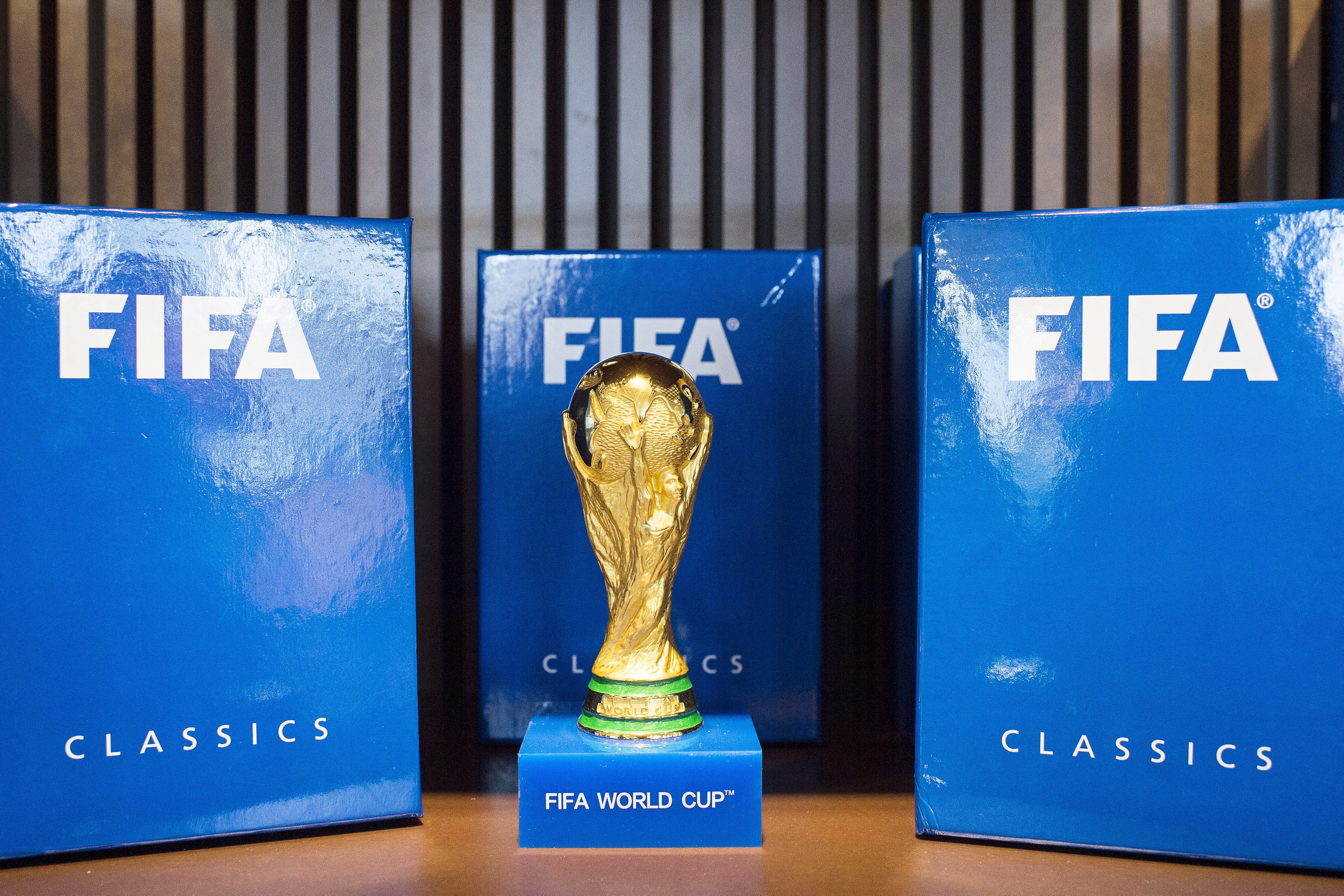
Saudi Arabia’s rise to host the 2034 World Cup exposes how power, politics, and billion-dollar deals are reshaping football’s biggest stage.
Saudi Arabia securing the rights to host the 2034 FIFA World Cup was hardly a surprise. On paper, the kingdom has got what FIFA loves: deep pockets, ambitious infrastructure plans, and a promise of stunning stadiums across its cities. The world’s biggest football event is heading for the desert, with plans for state-of-the-art arenas in Riyadh, Jeddah, Neom, and beyond.
But, scratch the surface, and the story gets a lot messier. It’s no secret that Saudi Arabia’s bid faced zero competition. FIFA gave countries just a month to throw their hats in the ring. Australia quickly backed out, leaving the Saudis, and only the Saudis, still in the running come December 2024.
Observers have called out FIFA for speeding up the process and making it tailor-made for the kingdom. Critics and human rights organisations, meanwhile, are loud in their condemnation. Saudi Arabia, after all, has been accused of a litany of human rights abuses, from stifling free speech to poor treatment of migrant workers, and crackdowns on gender equality.
Yet, FIFA’s “steadfast commitment” to human rights seems to fade away whenever the money talk gets loud. Speaking of money, here’s where the plot thickens. While the world was busy debating the morality of letting Saudi Arabia host, a subtler saga was unfolding in the background, one involving FIFA, a struggling broadcast deal, and a curious investment.
The Club World Cup’s Broadcast Gamble
FIFA was scrambling to find a broadcaster for its newly expanded, 32-team Club World Cup in 2025. While the tournament is considered a big deal, FIFA reportedly had a tough time getting networks to bite, especially after a proposed $1 billion deal with Apple fell through.
Just as things got tight, DAZN, a sports streaming service that is not a household name outside of boxing circles, swooped in. With no rival bidders, DAZN dropped a whopping $1 billion on the table, promising to stream every match for free, worldwide. This wasn’t just generous, it was unprecedented.
PIF’s involvement in Club World Cup broadcasting deal?
Here is where things really get interesting. In February 2025, just weeks after DAZN’s massive deal, Saudi Arabia’s Public Investment Fund (PIF), the same entity that orchestrated the nation’s World Cup bid, bought a 10% stake in DAZN for exactly $1 billion.
The timing and math are hard to ignore. The Saudi fund invests a billion into DAZN, DAZN spends a billion on the Club World Cup rights, FIFA gets its money, and, soon after, hands Saudi Arabia the world’s most prestigious sporting event.
So, was this all just a spectacularly coordinated coincidence? Did PIF’s cash help DAZN clinch the FIFA deal, making the Club World Cup possible, and in turn, did FIFA “reward” Saudi Arabia with the 2034 World Cup hosting rights? The amounts line up almost too perfectly. DAZN’s $1 billion bid mirrors the $1 billion PIF investment, and both transactions happened just before and after FIFA’s crucial decisions.
In the world of football, where big money and power plays are never far apart, this sequence of events is enough to set conspiracy theorists’ hearts racing. There’s no concrete evidence of quid pro quo, but the convenient timing, the lack of rival bids, and the through-the-roof sums leave plenty of fans and pundits wondering if there is more going on behind the scenes than just a love of the beautiful game.
For now, though, it remains in the realm of speculation. Maybe it is just business as usual for FIFA, with money calling the shots. Or maybe, just maybe, the world’s biggest football tournament really is for sale to the highest bidder. Only time will tell, but one thing’s for sure: in football’s new era, the lines between passion, politics, and profit are getting ever harder to spot.