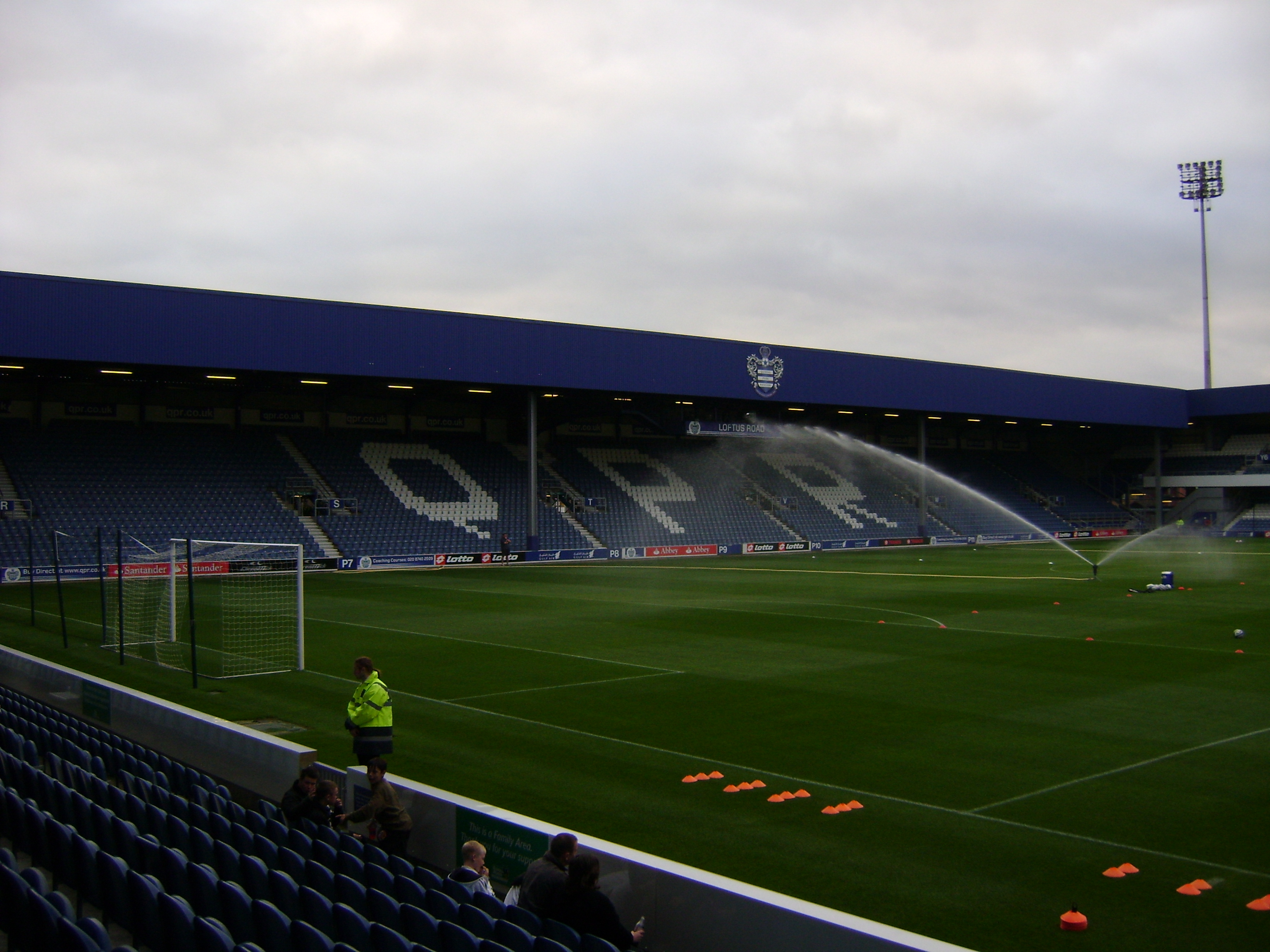
QPR vs Sheffield United at Loftus Road on Saturday will feature two teams just outside the playoffs spots seeking momentum to rise in the EFL Championship standings.
Sheffield United rescued a 1-1 draw against Southampton at Bramall Lane with Sydie Peck’s 90th-minute equaliser, ending a seven-match run without victory over the Saints. QPR had also drawn 1-1, holding Norwich City at Carrow Road after Harvey Vale’s opener was cancelled out by a goalkeeper error. That gives this meeting a clear shape: Sheffield United want to turn late resistance into momentum, while QPR want another result to consolidate their position. Both outcomes still matter in the promotion-playoff race, but neither side needs to treat the match as an early gamble.
QPR’s draw at Norwich was worth protecting because they remain seventh with 28 points, two ahead of the visitors. A win would strengthen their position, while a defeat would give Sheffield United the chance to close the gap; a draw would keep the home side’s target live without forcing them into unnecessary risk. Their recent run has been constructive rather than flawless: the Norwich performance showed resilience after conceding, and the five-match attack has produced 1.64 expected goals per game despite only six actual goals. QPR carry the more possession-oriented platform into this match, although their main attacking change is unavoidable and affects the central pocket.
Sheffield United arrive ninth with 26 points and a different reason to value the same contest. They have won three of their last five and want the Southampton equaliser to become the start of a better sequence, but an away draw would still keep their promotion hopes moving. Their recent attack has converted more often than QPR’s, scoring 10 times in the same five-match window, while conceding five. The visitors therefore have the sharper recent scoreboard return, but their direct route will be tested by a QPR side that prefers to establish control before opening the game. Their settled 4-4-2 should make the contest more physical from the start.
Team News: The key selection calls
QPR will line up in a 4-2-3-1 formation vs Sheffield United on Saturday. Sheffield United are also without Jamie Shackleton and Femi Seriki, both with foot and knee injuries respectively. Those absences reduce their defensive and midfield cover, though the projected 4-4-2 remains intact.
Pierce Charles should start in goal and is central to the way QPR want to begin attacks. He has started 17 matches, made four key passes and carries a 7.01 average rating, evidence of a goalkeeper trusted to participate rather than only defend the line. Dennis Cirkin and Kealey Adamson are expected to keep the full-back positions, with Ronnie Edwards and Jake Clarke-Salter forming the centre-back pairing. Edwards has started 17 times and created eight key passes, while Clarke-Salter has contributed three goals from the right side of the defence. That is a back four built to give the double pivot time to receive.
Glen Kamara and Jonathan Varane should sit behind Koki Saito and Kwame Poku, with the central attacking slot featuring Harvey Vale. Kamara has 25 key passes in 16 appearances, the clearest distribution record among QPR’s midfield options, although his recent form has been less convincing. Poku has one goal and one assist in 14 appearances and should provide the right-sided attacking outlet. Saito brings 10 key passes and two big chances created from 13 appearances, while Kone leads the line with five goals and 10 shots on target from 21 attempts.
Michael Cooper holds goal for Sheffield United, behind Harrison Burrows, Liam Kitching, Japhet Tanganga and Hamza Choudhury. Tanganga has started all 16 of his appearances and scored twice, while Burrows has supplied 10 key passes in nine appearances and should give the left side a route forward. Kalvin Phillips and Sydie Peck form the central midfield, with Peck the most influential selection in the match: he has six goals, two assists and 24 key passes in 17 appearances. Romelle Donovan and Tahith Chong provide the wide midfield support.
Jordan Ayew and Ben Brereton Díaz should continue as the paired forwards. Ayew has six shots on target from 10 attempts and two goals in nine appearances, while Brereton Díaz has three goals, two assists and eight shots on target from 17 attempts. Brereton Díaz also takes Sheffield United’s penalties, adding another responsibility to a front line already designed to attack through two central references.
Tactics: QPR must keep the ball below the first contact
QPR’s 4-2-3-1 is intended to leave Kamara and Varane behind the attacking line, giving the home side a stable route through midfield while the wide players support Kone. They are not expected to throw numbers forward immediately. QPR should seek the win while keeping enough structure to accept a draw, which makes the missing central attacking midfielder especially important: the replacement must connect the attack without pulling the double pivot apart.
The measured profiles show two sides that are not separated by possession in the way their reputations might suggest. QPR average 47% ball dominance and Sheffield United 46%, both below the league’s typical 49%, so this is unlikely to be a match decided by one club simply monopolising the ball. QPR do shoot more frequently than the league norm, with 15 attempts per match against 12, while Sheffield United sit at the typical 12. That points to the home side being more willing to finish attacks, but not necessarily to better chances.
The bigger contrast is in how they move the ball forward. QPR play 48 long balls per match against a league typical 59, whereas Sheffield United play 62 against the same 59. The visitors’ two-forward structure is therefore designed for the kind of match in which first contacts and loose balls matter. Sheffield United also make opponents’ passing fall from their own usual level by 1.13375 per match, compared with the league typical 0.603189; QPR’s corresponding figure is -2.67612. The home side’s build-up may look controlled until the first pass is hurried.
Sheffield United’s 4-4-2 gives Ayew and Brereton Díaz a permanent outlet and keeps four midfielders behind them. They can pursue the win, but away from home they are also prepared to take the point rather than turn the match into an open exchange. Their direct habits fit that approach: the ball can be sent beyond QPR’s first pressure, with Peck and Phillips competing for what follows. QPR, by contrast, need to keep their double pivot connected and resist being drawn into repeated aerial contests.
That makes Kamara against Peck the leading duel. Kamara is the player who must keep QPR’s central platform functioning, while Peck is the visitor most capable of turning the same area into a second-ball contest. Peck arrives after scoring Southampton’s late equaliser and has the stronger current influence, but Kamara’s distribution is essential to the home shape. If Kamara controls the zone, QPR can continue building through the double pivot and keep the attacking midfielder connected to Kone. If Peck wins it, Sheffield United can force QPR into the direct game their 4-4-2 prefers, leaving the home side closer to adding a second striker than maintaining its chosen structure.
The next layer is Ronnie Edwards against Jordan Ayew. Edwards must prevent the forward from fixing the centre while still giving QPR a clean first pass out. If Edwards handles that reference point, QPR can keep the back four compact and defend the selected structure. If Ayew occupies him successfully, Sheffield United can keep both strikers connected and make the home side choose between protecting its shape and bringing on the extra central forward it has as a late alternative.
Prediction: A draw is the narrowest reading of a balanced contest
The lean is towards a draw, but only with low confidence. QPR have the home advantage and the stronger recent league position, yet Sheffield United bring the more productive recent scoring run and a clearer route to troubling the home midfield. The visitors’ long-game approach can expose the central space QPR need for controlled build-up, while QPR’s greater willingness to shoot gives them a way to punish any period in which Sheffield United’s two forwards leave the midfield disconnected.
There is also a strong case against the draw. If QPR cannot settle their first phase, Sheffield United’s direct play could produce enough second balls to keep the home side defending. Peck’s form gives the visitors a genuine central outlet, and QPR’s recent chance creation has been under-rewarded while Sheffield United have finished slightly above the level their chance quality would normally suggest. That combination could turn a close game into an away win if the Blades score first and force QPR to abandon their controlled approach.
The scoring balance still points to a match in the 1-1, 2-2 or 2-1 range
QPR can change the problem if the centre stays closed
The important in-game adjustment belongs to QPR. If the double pivot cannot keep the ball away from Sheffield United’s direct pressure, the home side can switch to a 4-4-2 and add a second central forward late. That would sacrifice some control between the lines, but it would give QPR a clearer target in the penalty area and force the visitors’ four-man midfield to defend a different problem.
Sheffield United have no comparable structural change identified before the match, so the timing of QPR’s switch may decide whether a controlled draw remains the likely ending or the game opens for a winner.