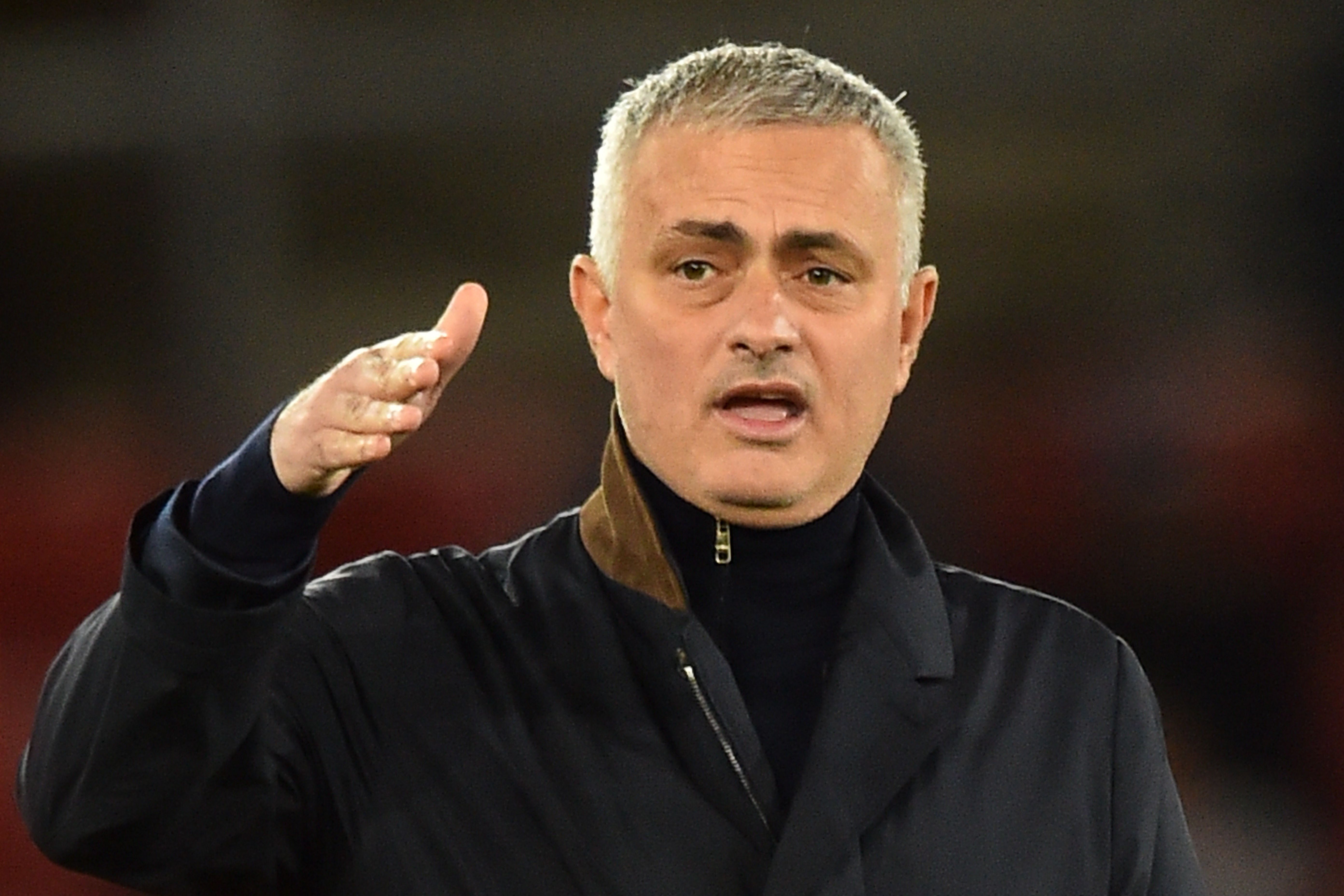
Four wins from five games suggest momentum, but Real Madrid under Jose Mourinho is still searching for control, a clinical edge, and defensive solidity.
Real Madrid’s opening weeks under Jose Mourinho’s return tell a story of encouraging momentum shadowed by familiar anxieties. Four wins from five matches across La Liga and the Champions League suggest progress, yet the manner of some performances reveals work in progress for a side expected to dominate.
Results and rhythm: Building momentum, but not mastery
Real Madrid began their 2026/27 campaign with a narrow 2-1 win over Espanyol, secured by a late Carlos Espi strike, before finding their rhythm in emphatic victories against Real Sociedad (4-1) and Malaga (4-0). That surge was interrupted by a surprising 1-0 defeat to Real Betis, a match Los Blancos controlled but failed to convert.
In Europe, a 2-1 win over Inter Milan in the UEFA Champions League opener kept the momentum positive, though it came with caveats about efficiency. The pattern is clear. Real Madrid are winning, but not always convincingly.
Against Real Betis and Inter Milan, they created 15 big chances yet scored only twice, underlining a worrying gap between chance creation and conversion. For a team boasting Kylian Mbappe, Vinicius Junior, and an array of creative midfielders, such wastefulness cannot become routine.
The finishing problem: Volume without ruthlessness
Jose Mourinho’s Real Madrid are generating chances at an encouraging rate, particularly through quick transitions and wide overloads. However, the final product has been inconsistent.
Against Inter Milan, the home team registered 16 shots and 8 on target, amassing 3.34 xG, yet Madrid’s defence and Courtois in goal were repeatedly tested. At the other end, Los Blancos’ 2-1 win featured goals from Kylian Mbappe and Federico Valverde, but several gilt-edged opportunities were spurned.
The issue is not a lack of threat; it is a lack of clinical edge. When dominance does not translate into goals, pressure builds, and opponents grow bolder. Mourinho will need to sharpen decision-making in the final third, whether through movement, positioning, or simply demanding higher conversion from his star forwards.
Midfield control: The unresolved puzzle
Perhaps the most persistent concern is midfield control. Real Madrid have often preferred to sit deeper and strike on the break rather than impose sustained possession, especially when matches become congested.
Bernardo Silva, signed to add composure and tempo, offers quality but is in the latter stage of his career; expecting him to dictate games every three days is unrealistic.
Without a dedicated controller, Madrid’s transitions can look disjointed, and their defensive shape occasionally frays. The absence of a true pivot leaves gaps between the lines that organised opponents exploit. Until this balance is resolved, Real Madrid will remain vulnerable to teams that press intelligently or counter with pace.
Defensive fragility: Winning the ball, losing the shape
Real Madrid’s defensive work has been mixed. While Dean Huijsen has impressed by winning the ball in dangerous areas and initiating counters, the collective unit has struggled to shut down attacks consistently. Inter’s ability to generate 21 shots (7 on target) and 1.83 xG at the Bernabeu highlights how Madrid can be stretched when their pressing triggers are mistimed.
Thibaut Courtois remains a safety net, producing another standout performance against Inter to keep Madrid in the contest. Yet reliance on individual brilliance is not a sustainable strategy. Mourinho must tighten the defensive structure, particularly in wide areas and during transitions, to prevent high-quality chances from forming.
Attacking positives: Pace, width, and variety
For all the concerns, there are genuine positives. Real Madrid’s use of Kylian Mbappe and Vinicius Junior’s pace is more deliberate and effective than last season, with both forwards frequently isolated against defenders to exploit space. The right flank has also become a productive channel, whether through Arda Guler’s chance creation, Brahim Diaz’s dribbling and link play, or Yan Diomande’s directness.
Brahim, in particular, staked a claim for a starting role against Inter, creating four chances including three big chances, and assisting Mbappe’s opener. This variety makes the Merengues harder to predict and ensures that opponents cannot simply double-mark one threat.
Bellingham, Brahim, Courtois lead the way
Individual performances have been a bright spot. Jude Bellingham has delivered exceptional two-way contributions, combining defensive work rate with timely runs into the box. Guler has shown maturity in dictating tempo, while Diaz continues to cause panic with his dribbling and incisive passing.
Huijsen’s ball-winning and distribution from the back have added a new dimension to Real Madrid’s transitions. Courtois, as ever, has been monumental, particularly against Inter, where his saves preserved the lead and demoralised the visitors. These performances suggest that, when individuals are at their best, Los Blancos can overcome systemic flaws.
Jose Mourinho’s Real Madrid are on a promising trajectory, but the margin for error remains slim. The coach must address finishing inefficiency, midfield control, and defensive organisation to transform promising starts into commanding displays. If he can harness the attacking firepower while shoring up the middle and back, Madrid will be formidable as the season progresses. For now, the foundation is laid; the next step is consistency.