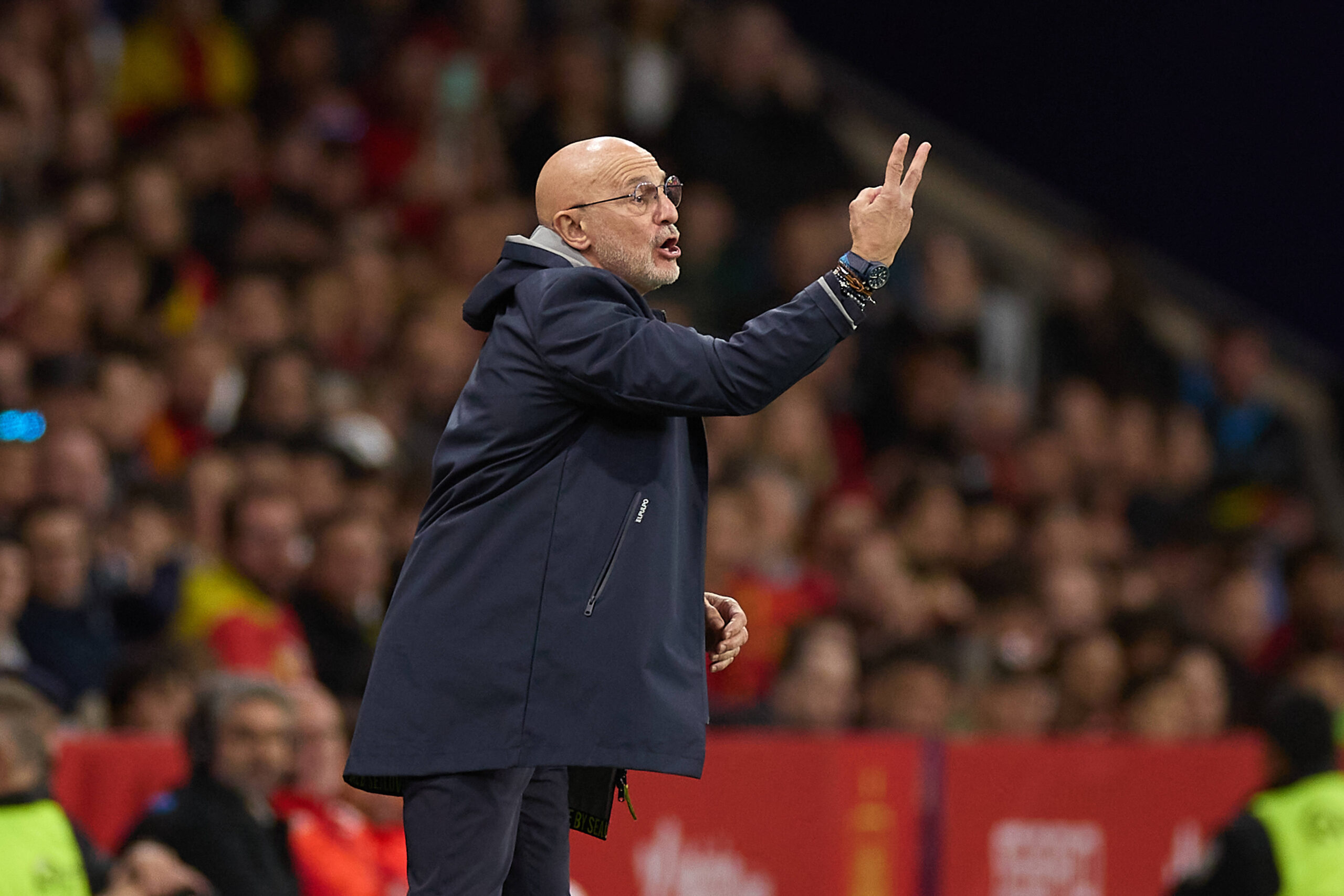
Spain did not just knock France out of the 2026 FIFA World Cup; they stripped away the hype, outplaying the best team in the tournament in every facet.
Spain did not just knock out the favourites; they dismantled France’s World Cup dream with a performance that was as clear on the pitch as it is on the numbers.
Coming into Dallas, Les Bleus’ attack was being spoken about as the most explosive in the tournament, leading the competition for shots on target. Yet for 90 minutes against Spain, that same frontline looked strangely ordinary, more like a group of disconnected solo acts than the ruthless unit many expected to see.
Kylian Mbappe, Ousmane Dembele, Michael Olise, and Bradley Barcola were supposed to stretch and terrorise defences. Instead, they barely troubled Unai Simon, generating a meagre 0.3 expected goals across the entire match, France’s lowest figure in a World Cup game on record.
Spain’s plan was simple to describe, but brutal to live through: compress space between the lines, win their duels, and make every French touch feel rushed or risky. Didier Deschamps’s side managed only 10 shots, with just three on target, and never looked close to finding the kind of chaos that had dragged them through tight games earlier in the tournament.
Midfield: Outnumbered, overrun, out-thought
The real damage was done in midfield, where Spain turned a supposed contest into a controlled occupation. Rodri and Fabian Ruiz formed the beating heart of La Roja’s game, snapping into challenges, hoovering up loose balls and, crucially, closing the passing lanes that usually feed France’s stars.
Spain attempted 22 tackles to France’s 14, winning 14 compared to Les Bleus’ eight, and took 55.9% of the total duels, numbers that underline how decisively they won the physical and tactical battle in the centre of the pitch.
This is where the absence of a Paul Pogba‑like profile really showed. In previous tournaments, Pogba operated as the player who could break lines with one pass or carry, twisting the opposition block out of shape and freeing Mbappe or Griezmann in dangerous zones.
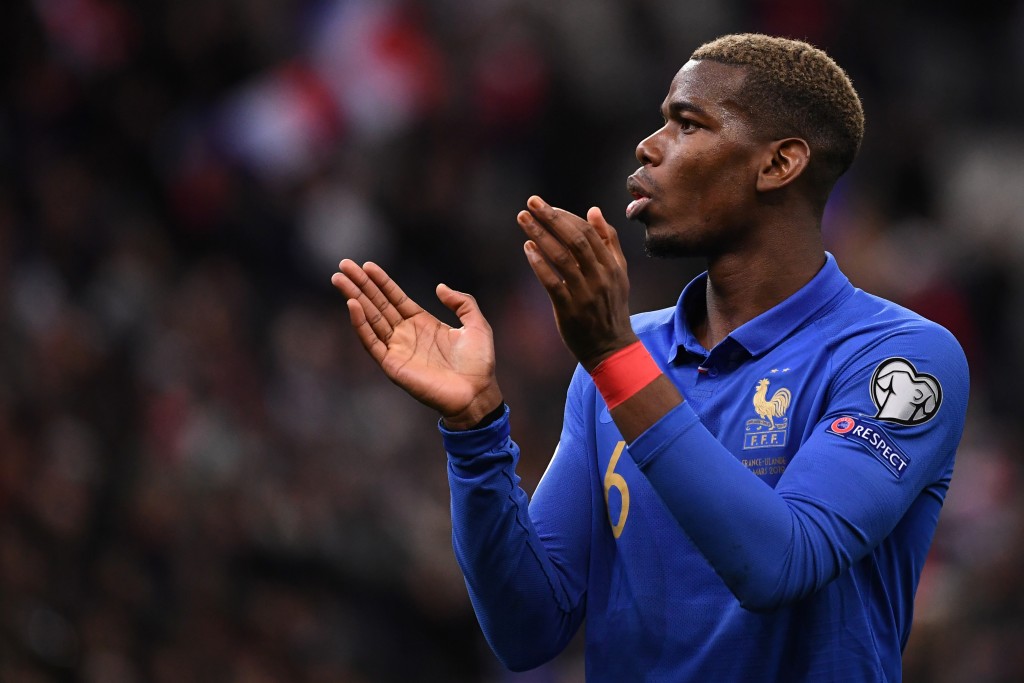
Against Spain, France had several runners but no true organiser between the thirds, no midfielder consistently finding angles that could unpick Spain’s compact shape. Olise, who might have been expected to drift inside and assume some of that creative responsibility, lost possession 20 times in the first 70 minutes, more than in any of his previous matches at this World Cup, and never completed a single pass with Mbappe in the first half.
Without that connector, France’s attacks either collapsed in front of Spain’s midfield shield or were funnelled into predictable wide areas, where La Roja’s cohesion snuffed them out.
Spain’s intensity without the ball
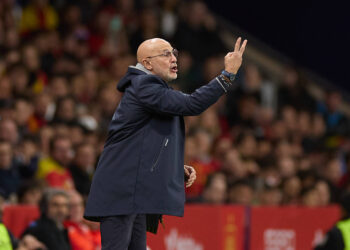
This semi‑final was sold as “France’s attack versus Spain’s defence“, but it was actually Spain’s off‑ball intensity that decided the contest. Luis de la Fuente’s side did not hog possession in their usual way; their 50.9% share of the ball was their lowest in a World Cup match since 2002.
Instead, they focused on being compact without it, closing distances, and attacking France’s build‑up with well‑timed presses rather than wild charges. Lamine Yamal’s clever pressing helped force the key incident for the opener, hurrying Lucas Digne into the desperate clearance that turned into a wild swing at the youngster and a clear penalty.
Spain’s second goal, finished calmly by Pedro Porro after a slick one‑two with Dani Olmo, summed up their blend of control and ruthlessness: compress defensively, then explode with sharp movement and quick combinations when the chance appears.
Behind that, Rodri and Fabian were immaculate in their reading of danger. Rodri won 11 of his 15 duels, Ruiz five of six, and the latter regained possession more times than any other Spanish player on the night. For once with modern Spain, this was not about endless passing triangles, but about a collective willingness to suffer, to scrap, and to make France’s supposed strengths look like weaknesses.
Digne’s nightmare, Saliba’s setback, and a flat reaction
If Spain’s victory was built on organisation, France’s downfall hinged on key moments at the back. The first came from Digne, whose lack of awareness in the penalty area led him to swing through Yamal instead of the ball; Oyarzabal smashed in from the spot for his fifth goal of the tournament, building on a record that now puts him behind only David Villa, Alvaro Morata, and Fernando Torres in Spain’s major‑tournament scoring charts.
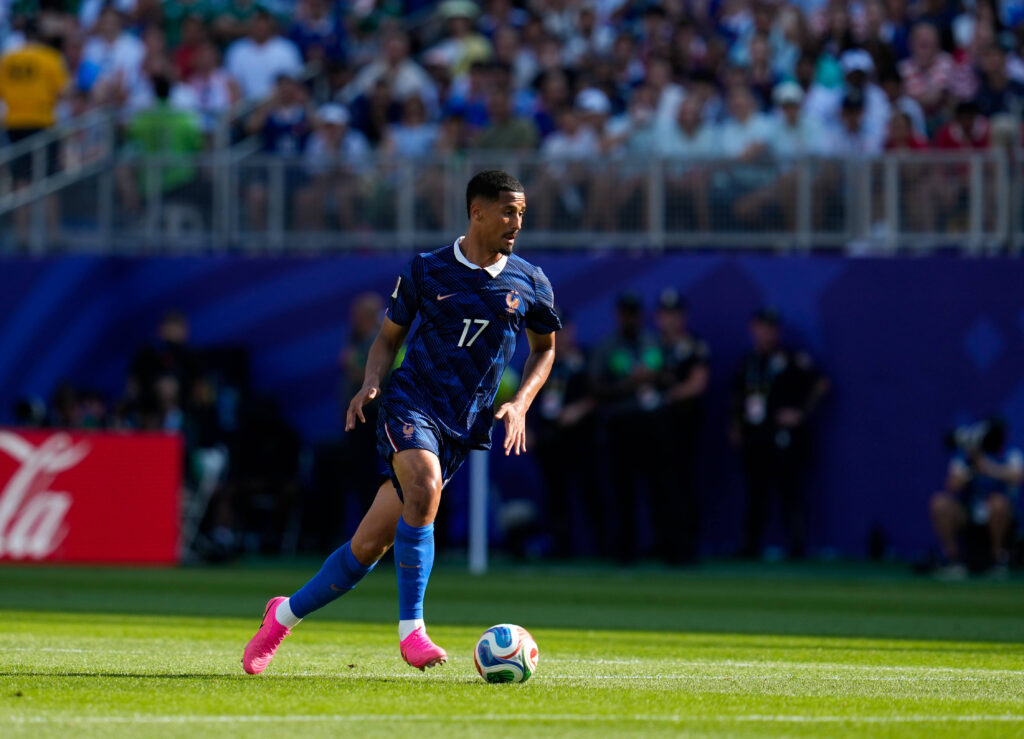
Pedro Porro’s second, early in the second half, came after he burst beyond a disjointed French line, combining crisply with Olmo before sweeping his finish past Mike Maignan. By then, France were already wobbling, and losing William Saliba to injury further reduced their stability and passing quality at the back, forcing Deschamps to shuffle a defence that had already been living on the edge.
Crucially, there was no real emotional or tactical surge from France once they went 2-0 down. In the 2022 final against Argentina, the same nation had roared back from a similar deficit with aggressive changes, relentless pressing and Mbappe taking over the stage.
Here, the response was noticeably muted. Shots increased after the break, but they were low‑quality efforts, crosses without conviction and dribbles into traffic rather than phases of sustained pressure.
Spain’s statement and France’s questions
Spain’s win did more than send them to a first World Cup final since 2010; it extended an unbeaten streak that now matches Italy’s 37‑game run and underlined that La Roja are a tournament machine again.
They are the first team ever to keep six clean sheets at a single World Cup and the first European side to win eight straight knockout games at major tournaments. Against France, they held their opponents to the lowest semi‑final xG figure since 1994, showing that this defensive resilience is no accident.
For France, this was not a freak defeat but a painful mirror. It exposed the dependence on individual brilliance in attack, the lack of a true line‑breaking midfielder to replace what Pogba once gave them, and a worrying inability to summon a ferocious response when things go wrong.
Spain did not just beat the favourites; they showed them what a complete side looks like, one that can suffer without the ball, dominate the duels, and still find the quality to punish every mistake. As they march into the final, it is hard to escape the feeling that this was the night the World Cup shifted decisively into Spanish hands.