
There are few young footballers blessed with as much natural ability as Alejandro Garnacho, but his career is now in a flux.
Explosive acceleration. Fearless dribbling. The confidence to attack defenders one-on-one. The arrogance every elite winger needs. At just 22, Alejandro Garnacho already possesses qualities that clubs across Europe would happily spend millions to acquire.
Yet just one season after Chelsea invested around £40 million to sign him from Manchester United, the Argentine is reportedly heading for the exit door, with AS Roma, Saudi Pro League clubs and others exploring a move while the Blues seek a permanent sale rather than another loan arrangement. Reports have also indicated that Garnacho has been allowed to stay away from pre-season as his future is resolved. The obvious question is: How did it go so wrong?
There is no shortage of possible explanations. Chelsea have endured another turbulent period. They have changed managers, rebuilt the squad once again and struggled to create stability. But focusing solely on the environment ignores the uncomfortable truth.
Throughout the last two years, one recurring theme has followed Garnacho from Manchester United to Chelsea. Managers have changed. Teammates have changed. The club badge has changed. The questions surrounding Garnacho have not.
That does not mean Chelsea are blameless. It does not mean every criticism directed at Garnacho has been fair. It does mean, however, that many of the biggest obstacles in his career have been self-inflicted.
Talent creates opportunities, but decisions determine careers
Football history is littered with gifted youngsters who believed talent alone would carry them to the very top. Very few succeeded.
Cristiano Ronaldo became Cristiano Ronaldo by transforming raw ability into relentless professionalism. Vinicius Junior overcame years of criticism by improving his decision-making. Mohamed Salah evolved from an inconsistent winger into one of the world’s most clinical forwards. Natural gifts opened the door. Daily improvement kept it open.
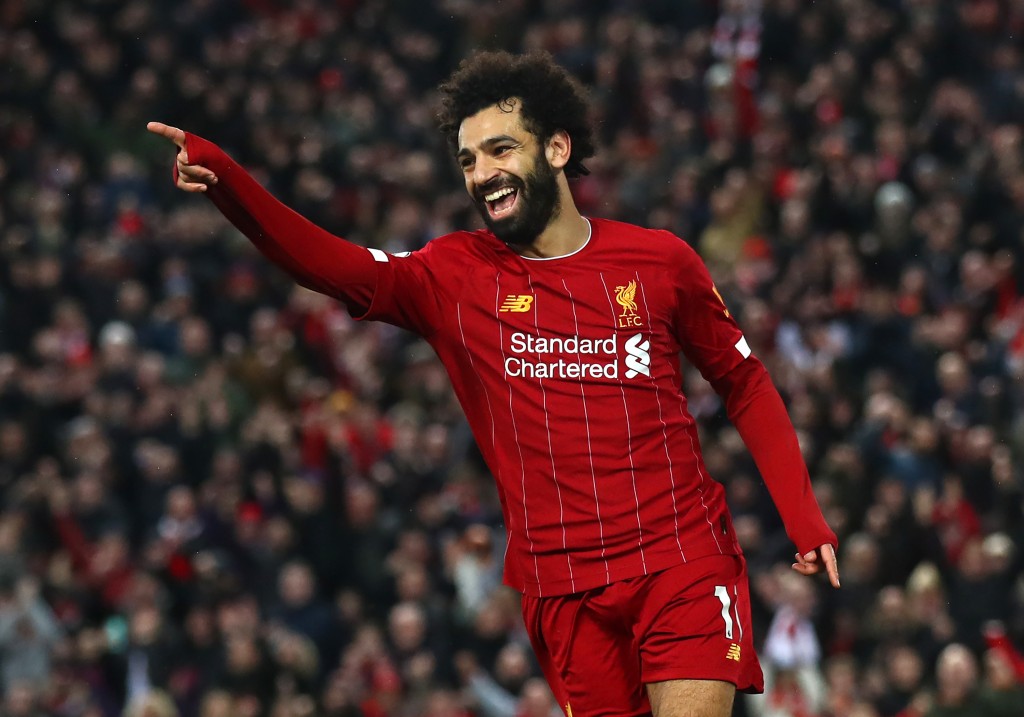
Garnacho, by contrast, still looks like a player relying on moments rather than mastery. Too often, he tries to beat one defender too many. Too often, he ignores a simple pass. Too often, the spectacular seems more attractive than the effective. Supporters forgive mistakes from young players. What they struggle to forgive is watching the same mistakes repeated season after season.
The numbers never matched the hype
When Chelsea signed Garnacho, they were buying potential as much as production. Instead, they received a player who managed eight goals in 43 appearances across all competitions, but only one Premier League goal during a disappointing campaign.
Those numbers are not disastrous. They are simply nowhere near good enough for a winger expected to become one of the faces of Chelsea’s rebuild. Elite attackers influence games consistently. They score, they create, and they make defenders fear them.
Garnacho still produced flashes rather than sustained excellence. One brilliant run would be followed by three anonymous performances. One spectacular goal would be followed by weeks of poor decision-making. Potential remained visible. Progress did not.
The warning signs began long before Chelsea
It would be easy to argue that Chelsea failed Garnacho. The timeline suggests otherwise. Even during his final months at Manchester United, the youngster found himself at the centre of recurring questions over discipline, attitude and his relationship with management.
He was among the players dropped by Ruben Amorim during a difficult spell, and his future quickly became uncertain before he eventually left Old Trafford. One disagreement with one manager proves little. Multiple concerns across different coaching staffs become harder to dismiss.
Managers value talent. What they value even more is trust. Can they rely on a player to execute tactical instructions? Will that player react positively to criticism? Will they put the team before themselves? Those questions appear to have followed Garnacho throughout his recent career.
Football punishes poor habits
Modern football is ruthless. A winger can no longer survive purely by entertaining supporters. Every manager expects pressing, tracking back, positional discipline, defensive responsibility, and decision-making in transition. The best attackers work as hard without the ball as they do with it.
Chelsea’s coaching staff have consistently emphasised collective intensity and tactical discipline. New head coach Xabi Alonso has spoken publicly about demanding greater hunger, passion and commitment from his squad, while refusing to be drawn into speculation about Garnacho’s future, other than acknowledging ongoing discussions.
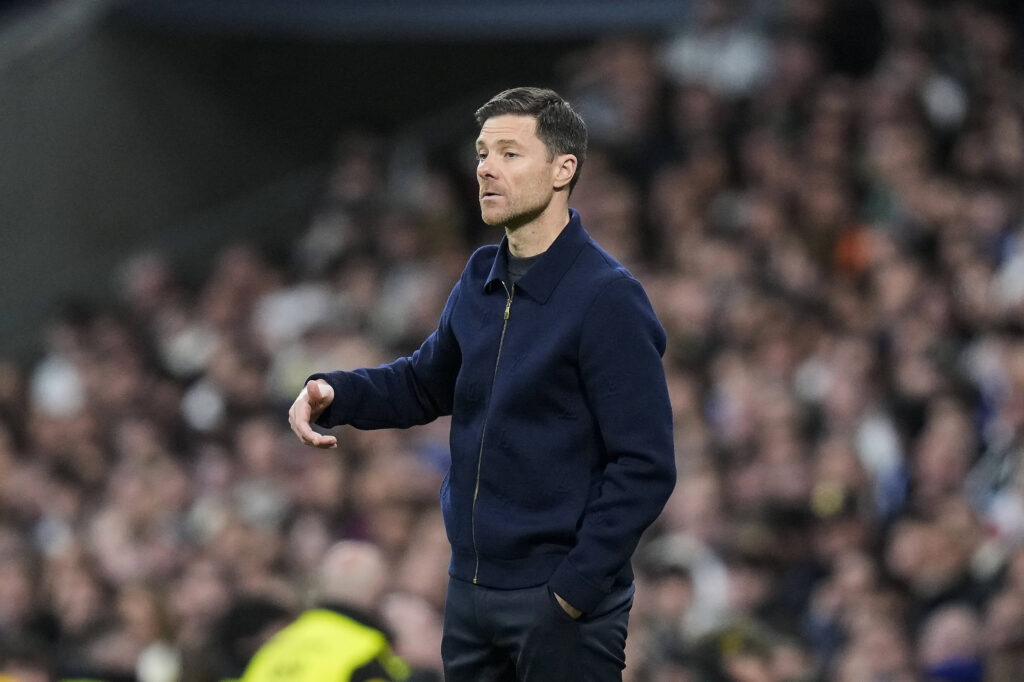
That message was aimed at the entire dressing room. But it inevitably framed Garnacho’s situation. Managers can improve technique. Improving mentality is far harder.
Reputation matters
One of football’s harshest realities is that reputation spreads quickly. Players earn labels. Some become known as leaders. Others become known as reliable professionals. Some become known as difficult. Whether entirely fair or not, perception influences opportunity.
Reports surrounding Garnacho over the past year have repeatedly focused on uncertainty regarding his future rather than his football. Instead of discussions centred on becoming Chelsea’s next superstar, headlines have increasingly revolved around transfers, exits and potential destinations. That is rarely a coincidence.
Excuses eventually run out
Young players deserve patience. They deserve support. They deserve understanding when development is not linear. But they do not deserve unlimited excuses.
Chelsea changed managers. Chelsea reshaped the squad. Chelsea endured inconsistency. Those factors undoubtedly complicated Garnacho’s first season. Yet other players faced exactly the same environment. Some adapted. Some improved. Some convinced the new manager they deserved another opportunity.
Garnacho apparently has not, with Chelsea now actively pursuing a permanent transfer and preferring not to send him out on loan. At some point, responsibility belongs to the player.
Chelsea are acting like a ruthless elite club
Selling Garnacho after one season may appear harsh. It is also understandable. Chelsea’s transfer strategy has increasingly focused on identifying young talent while moving players on quickly if they fail to meet expectations. Sentiment rarely enters the equation.
Reports suggest they value Garnacho at around £43 million and are determined to secure a permanent sale despite interest from clubs proposing different structures. That is not personal. It is business. Elite clubs constantly evaluate one question: Will this player make us significantly better?
Chelsea’s apparent answer regarding Garnacho now seems clear.
This is not the end
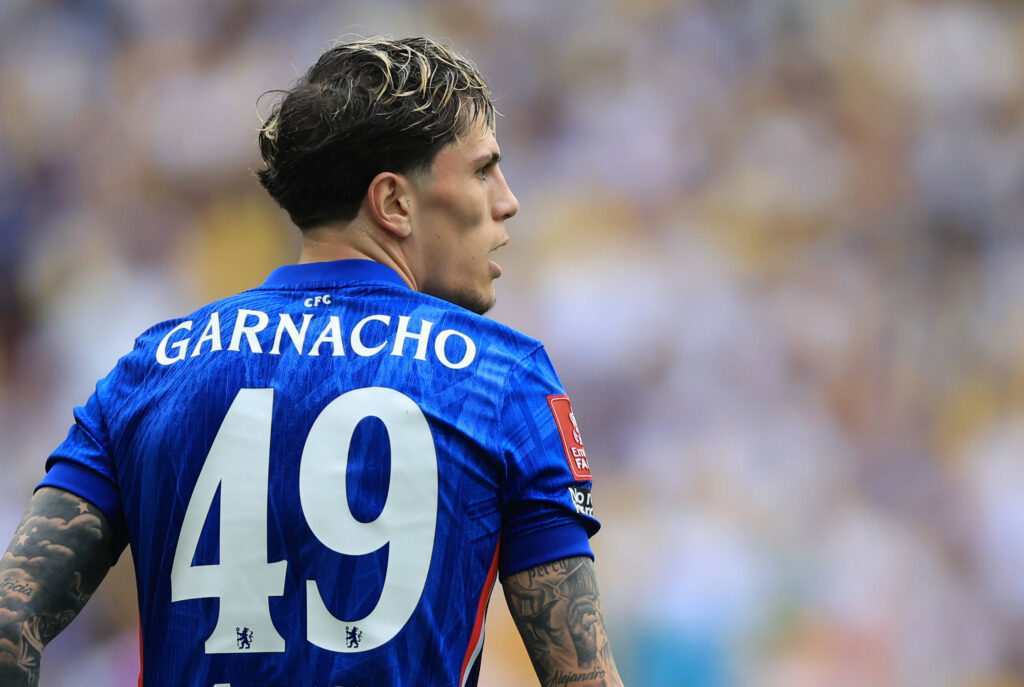
It would be foolish to write Garnacho off. He is still only 22. Many world-class players have endured difficult periods before exploding elsewhere. Kevin De Bruyne struggled at Chelsea. Mohamed Salah struggled there too. Both rebuilt their careers.
The difference is what happened afterwards. They accepted shortcomings. They improved relentlessly. They became more complete footballers. Garnacho still has time to follow that path. But only if he accepts uncomfortable truths.
The biggest opponent is in the mirror
There is a temptation whenever a talented footballer struggles to search for villains. The manager. The club. The tactics. The media. The supporters. Sometimes those factors genuinely contribute. Sometimes they are merely convenient distractions.
In Garnacho’s case, the evidence points to a more nuanced conclusion. Chelsea’s instability created a difficult environment. Managerial changes did not help. The pressure of a £40 million transfer fee added to the expectation. Those realities should not be ignored. Neither should his own role.
His inconsistency, questionable decision-making, failure to convert promise into sustained production and recurring questions about professionalism have all contributed to where he finds himself today. Those are criticisms that have surfaced at different stages of his career rather than emerging only after his arrival at Stamford Bridge.
Ultimately, football is unforgiving. Managers lose patience. Clubs move on. Opportunities disappear. If Garnacho leaves Chelsea this summer, it should not be viewed as proof that he lacks talent. Quite the opposite. It would be another reminder that talent alone has never guaranteed greatness.
The next chapter of his career will depend less on which club signs him than on whether he is willing to change the habits that have repeatedly held him back. Because if the same questions continue to follow him from club to club, the problem will no longer be Chelsea. It will be Alejandro Garnacho himself.