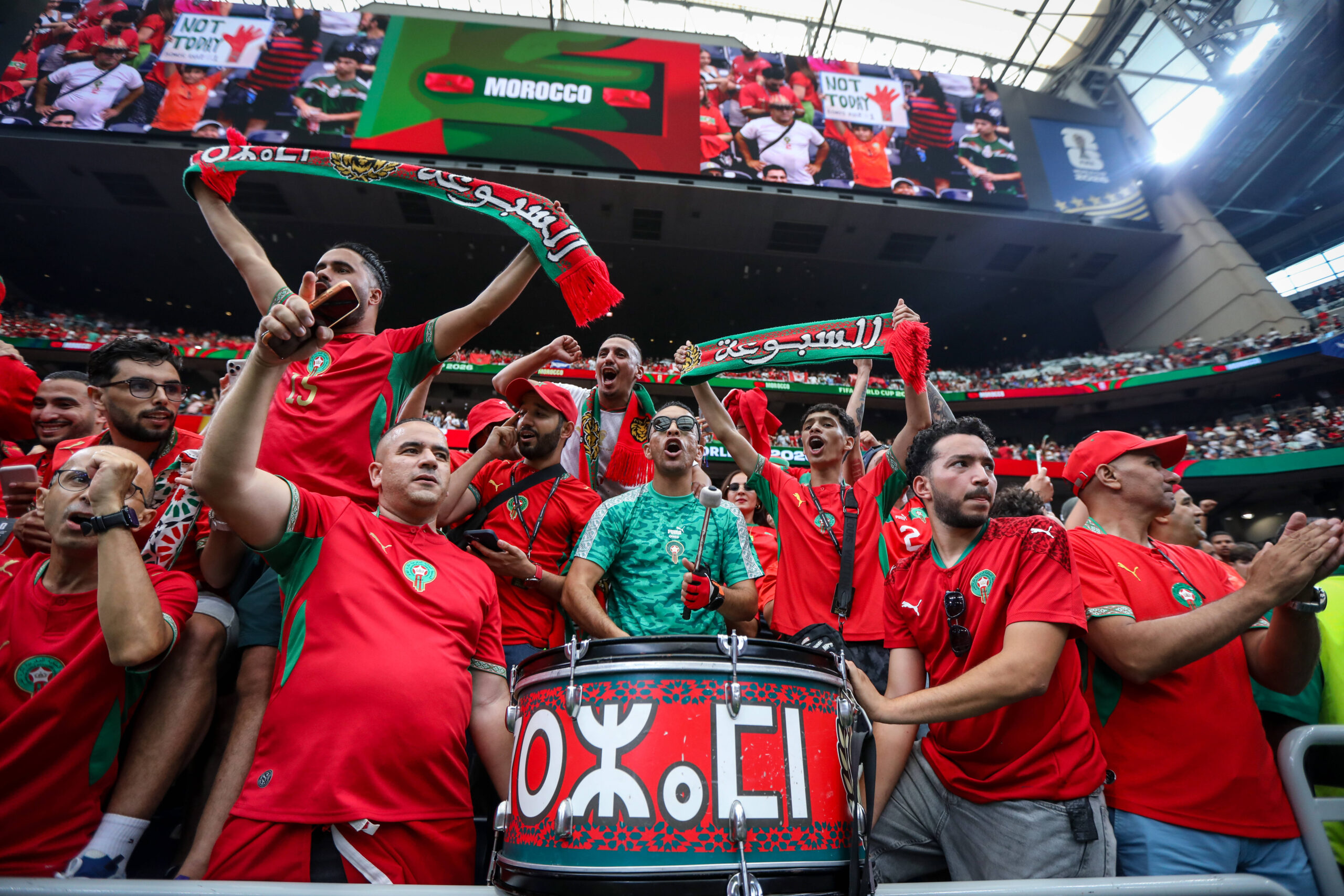
Morocco’s rise to prominence is no longer an act of surprise, it’s more of a statement of intent from a modern powerhouse in football.
Morocco no longer arrive at major tournaments as a hopeful outsider filling a place in the draw. Their journey from the 2022 World Cup to the 2025 Africa Cup of Nations, and then into the 2026 World Cup, has shown a side that expects to compete rather than simply participate. That shift matters, because it marks the moment when an African nation begins to build a genuine international habit of success, not a one-off story. The real question now is how far this rise can go, and whether the Atlas Lions can turn recent promise into something lasting.
The 2022 World Cup changed the conversation. Beating Spain and Portugal to reach the semi-finals was not just a fairytale run; it was a sign that Morocco could stand tall against the best sides in the world. Four years on, the 2026 World Cup has only strengthened that view, with the team once again pushing deep into the tournament and showing the composure that was erstwhile missing from African teams on the biggest stage. Their path has been hard-earned, but it has also been convincing.
The 2025 AFCON win, even if it arrived later than expected and carried its share of controversy, added another layer to the story. Morocco did not merely flash brilliance in one competition and fade away. They backed it up with another major title, which is what separates a strong side from a truly serious one. When a team can win at home and then carry that confidence into a World Cup campaign, it begins to look less like a surprise and more like a force in the making.
Morocco need depth and quality
Every successful side needs more than a few famous names. It needs depth, balance, and players who can keep the standard high when the pressure rises. Morocco have understood that better than most. Their squads have been built around talent spread across some of Europe’s strongest leagues, which gives them the mix of technique, discipline and experience required for tournament football. That does not happen by accident; it is the result of years of patient work and a clear footballing vision.
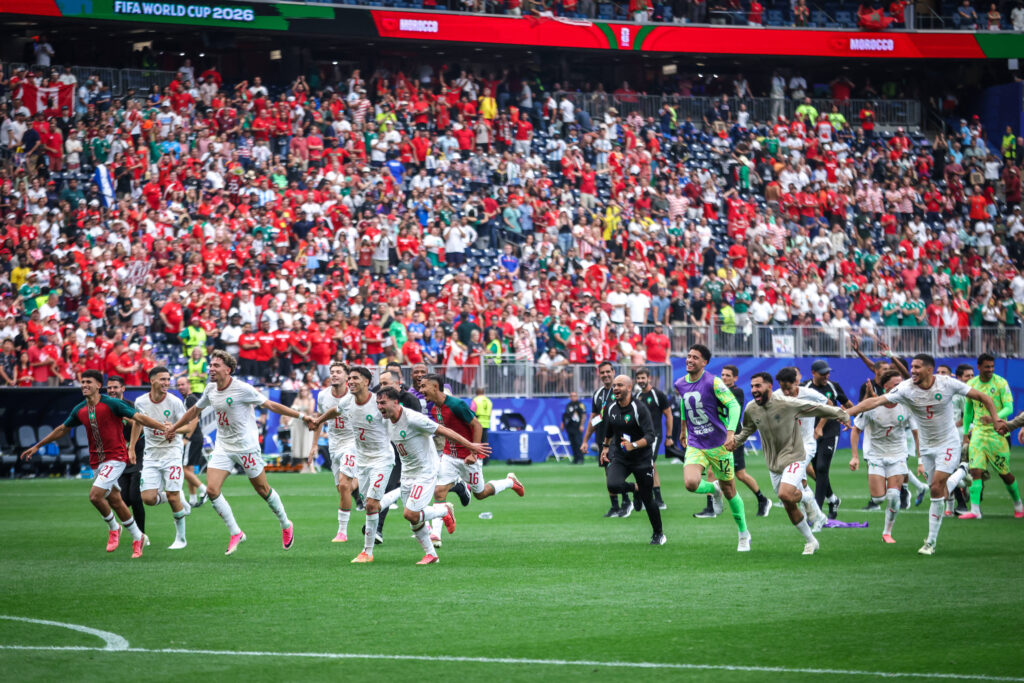
One of the most striking features of this squad is how many players had other international options. The fact that 19 of the 26 players in the current setup could have represented another country says a great deal about Morocco’s pull. In earlier years, it was often easier for Moroccan-born or Moroccan-linked players raised in France, the Netherlands or elsewhere in Europe to choose another national team. Now, more of them are choosing Morocco first. That is both a footballing success and a cultural one
Achraf Hakimi, Brahim Diaz, Bono, and Noussair Mazraoui show what that choice can look like at the highest level. They bring quality and a message to younger players that representing Morocco is not a compromise, but a destination. If the next wave includes talents like Ayyoub Bouaddi, then their future may become even stronger, because the next stage of growth is not about repeating the same story, but widening the pool of it.
Morocco can bring in the best talent pool
Morocco’s progress is not only about the players. The structure around them matters too, and that is where the federation has become one of the key reasons for their rise. Coach Mohamed Ouahbi’s words after the France defeat were revealing. He spoke of a young team, a huge talent pool, a strong federation and a king who invests heavily in the project. That is not the language of a side living season to season. It is the language of a country planning for the long haul.
The message behind that investment is simple. Morocco want a system that keeps producing, keeps improving and keeps attracting the best young dual-national talent before anyone else gets to it. In tournament football, that sort of organisation is priceless. Teams do not stay strong by chance; they stay strong because the environment around them makes excellence repeatable. Morocco seem to understand that better than they ever have before.
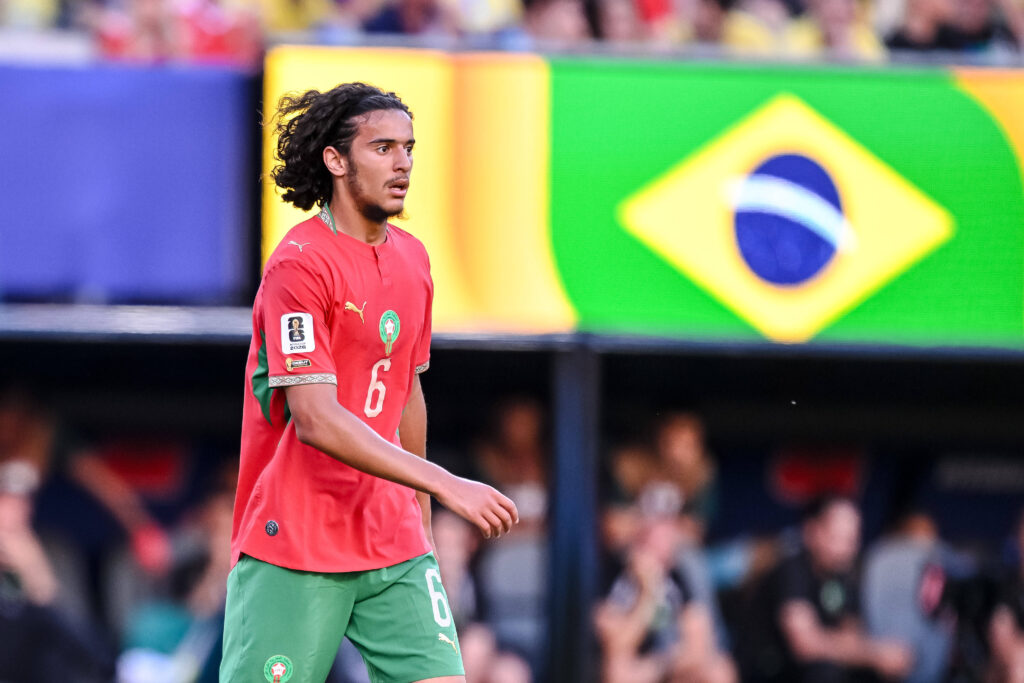
That is why the manager’s call for calm after the France loss made sense. There was no need for panic, only honest assessment and a plan to improve. It is easy for a team that has already achieved much to become complacent. Morocco’s challenge is to avoid that trap. They have the base, the talent, and the belief. Now they must make sure the system keeps feeding the team rather than simply admiring it.
Morocco have much more in their locker
For years, many teams hoped Morocco would be a useful opponent, sometimes dangerous, often organised, but rarely expected to go all the way. That view no longer fits. Reaching the latter stages of consecutive World Cups is not the work of a side caught in a lucky spell, but the sign of a team that knows how to compete under pressure, adjust to different styles, and stay together when the stakes rise. Morocco have now made that a habit, and habits are build reputations.
Their World Cup runs, the AFCON title, and the manner of their performances all point in the same direction. Morocco are no longer just the story of a memorable tournament, but a model for how an African nation can enter the global elite without losing identity. That should matter well beyond their own borders. If they continue on this path, the Atlas Lions could help change how the continent is judged at the top level.
The next step is the toughest. Staying competitive is always more difficult than becoming excellent. Morocco need to keep refreshing the squad, protect standards and convince young players that the national shirt carries both pride and purpose. Their future is bright, but it will only stay that way if they treat the next challenge as carefully as the last.
Project 2030 already in the works
There is already a sense that Morocco are planning beyond the present cycle. With the 2030 World Cup on the horizon, and the confidence built by recent campaigns, they can think bigger than qualification or quarter-finals. The talk of eventually going toe-to-toe with France again reflects how far the mood has shifted. For a team once thrilled simply to make headlines, that is a dramatic change.
Morocco’s story is now about continuity, not novelty. They have the structure, the players and the mentality to remain in the conversation for years, not months. If they keep producing talent, keep investing wisely and keep trusting the same broad principles, then their rise may yet become one of football’s defining national projects. The rest of the world has been warned. Morocco are not passing through. They are here to stay.