Jose Mourinho returns to Real Madrid as Florentino Perez reshapes the squad. The Hard Tackle lists three players who should be sold this summer.
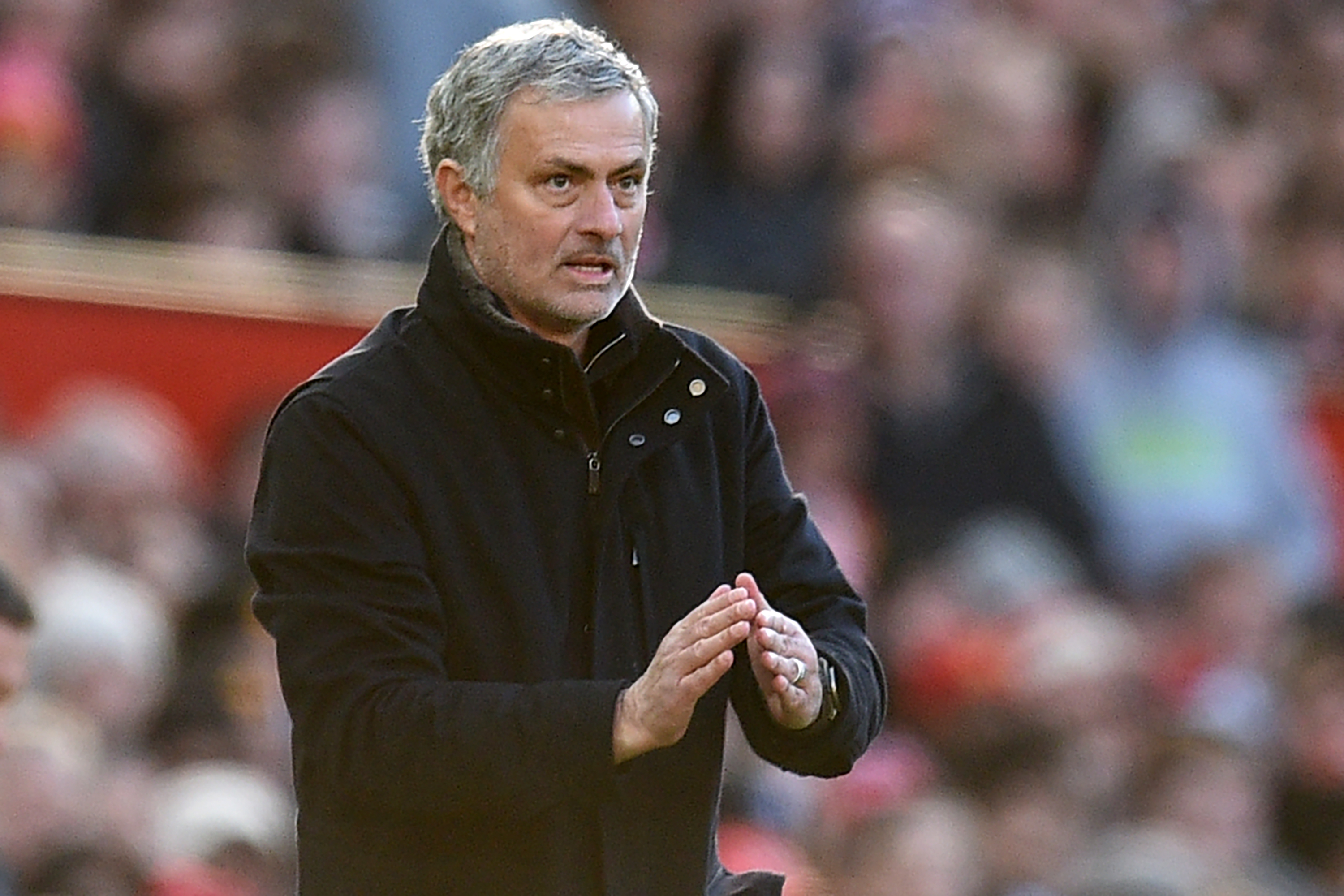
Jose Mourinho’s emotional return to the Santiago Bernabeu, with handshakes from Florentino Perez after the presidential election, the familiar glare of expectation and the old promise of instant success, felt like the start of an era rather than a footnote.
Real Madrid’s hierarchy have grown impatient after two trophyless seasons, and Perez has played his trump card: the manager who built his reputation on silverware and personality is back to steady the ship.
That appointment was always likely to bring wholesale change; Real Madrid have already announced signings that signal a clear strategic reset, and the summer will be as much about departures as arrivals. The incoming recruitment underlines Mourinho’s intent.
The Merengues have moved to reinforce the flanks and the defensive spine with Marc Cucurella, Bernardo Silva, Ibrahima Konate and Denzel Dumfries. Those additions speak to a side that wants immediate balance, defensive solidity, width and midfield bite, and they create an unavoidable consequence: certain current squad members no longer fit the profile Mourinho wants.
Whether by tactical mismatch, wage considerations or simply being surplus to requirements, Real Madrid will need to trim the squad to shape a side capable of competing again at the very top. Selling players is never purely mercenary; it is also about squad harmony and clarity of role.
Here are three first-team players who make sense as summer departures for Los Blancos. Each has his own rationale for leaving, and together they illustrate the complex decisions the Spanish giants face between sentiment, finances and footballing logic.
Fran Garcia
Fran Garcia returned to Real Madrid with a reputation as a promising left-back, combining energy, crossing ability and a level-headed temperament. Yet since the arrival of Alvaro Carreras last summer, the Spaniard has slipped down the pecking order.
Real Madrid’s selection choices have tended to favour Carreras and Ferland Mendy, with the latter’s recurring injury issues only intermittently opening a door for others. Now the arrival of Marc Cucurella, a left-sided specialist renowned for his defensive work-rate and consistency, further squeezes Garcia’s options.
From a footballing perspective, Mourinho will demand reliability and a specific defensive discipline from his full-backs. Cucurella’s profile more closely matches that brief: defensively sound, aggressive in one-vs-one situations and adaptable to different tactical setups.
Garcia, who still has potential, looks more like a developmental option than a first choice for a Mourinho side that prizes experience and immediate returns. Economically, selling Garcia makes sense. He can fetch a fee that helps balance Madrid’s books and frees up wage space for further reinforcements.
For the player, a move to a club where he is guaranteed regular minutes (after making just 23 apperances last season) would accelerate his development and restore momentum to a career that has stalled. In short: Garcia is young and talented, but the arrivals and Mourinho’s immediate demands mean his pathway at the Bernabeu has narrowed considerably.
Dani Ceballos
Dani Ceballos once seemed a neat solution for Real Madrid’s midfield rotation, an energetic, technically gifted midfielder who could press, recycle possession and link midfield to attack. Over time, however, his role diminished. The Spanish midfielder’s practical limitations, a lack of physicality in certain matches and periodic inconsistency have been exposed at Madrid’s level, where margins are thin and minutes for squad players are scarce.
Last season brought more than tactical questions. Reports of a rift with interim manager Alvaro Arbeloa in the closing months hinted at a player-manager relationship under strain, and those fractures rarely heal easily when a club is preparing a serious rebuild.
With Bernardo Silva joining soon, Real Madrid have recruited a highly versatile creative force who can operate in tight spaces, press aggressively and contribute across multiple midfield roles. Silva’s arrival reduces the need for a player whose primary function has historically been rotation rather than transformation.
Moreover, Real Madrid are likely to bring in a new central midfield option to pair with Aurelien Tchouameni, a profile more physical and defensively solid than Ceballos. That further compresses the Spaniard’s prospects. For Ceballos, a move would offer regular starts and a chance to re-establish himself away from the spotlight of the Bernabeu.
For Real Madrid, his sale represents pragmatic squad management: recoup value, tidy the wage bill and free a shirt for a player who fits Mourinho’s tactical blueprint.
Eduardo Camavinga
When Eduardo Camavinga arrived at Real Madrid as a teenage prospect, he was greeted with excitement as a dynamic, technically-refined midfielder capable of covering vast ground and winning back possession. His early displays suggested a long-term midfield cornerstone.
Yet the narrative around the Frenchman in recent seasons has been one of unfulfilled potential and costly errors, particularly in high-pressure fixtures where Madrid require composure. Camavinga’s tendency to make mistakes at crucial moments, combined with a perceived dip in consistency, has raised questions about his suitability as a central cog in a Mourinho-managed midfield.
Mourinho prizes mental toughness and tactical discipline; lapses in concentration or positional naivety are less likely to be tolerated under a manager who ruthlessly demands collective organisation. Financial logic also plays its part.
Camavinga still commands considerable market interest from clubs like Chelsea, Liverpool, and others and could be sold for a sizeable fee that allows Madrid to reinvest in a specialised holding midfielder, a player who offers both defensive screening and the positional discipline to complement Tchouameni. Reports suggest clubs are already circling with concrete offers, indicating that Real Madrid could realise good value now rather than risk further stagnation.
How Bernardo Silva and new midfield recruitment affect these exits
Bernardo Silva is not merely another attacking signing: he is a player of tactical intelligence and positional flexibility. He can operate as a central creative hub, a wide playmaker or a box-to-box presence depending on the match plan.
His arrival changes the internal pecking order; he covers roles previously occupied by squad players like Ceballos, and he offers Madrid immediate quality in tight spaces and in pressing transitions.
Beyond Silva, the club’s likely pursuit of a new central midfielder, someone to pair with Aurelien Tchouameni and provide a defensive spine, narrows the window for players whose primary attributes are rotational or developmental.
A specialist defensive midfielder would offer shielding of the back four, a trait Mourinho prioritises, and would reduce the reliance on young, occasionally erratic midfielders to perform that role.
Selling Camavinga and Ceballos would therefore be coherent with a strategy that prioritises immediate stability and tactical clarity. Meanwhile, Silva’s versatility ensures Madrid do not lose creative impetus after these sales. The transfer strategy looks designed to convert potential into proven, durable quality, the kind Mourinho has traditionally sought when rebuilding teams with championship ambitions.