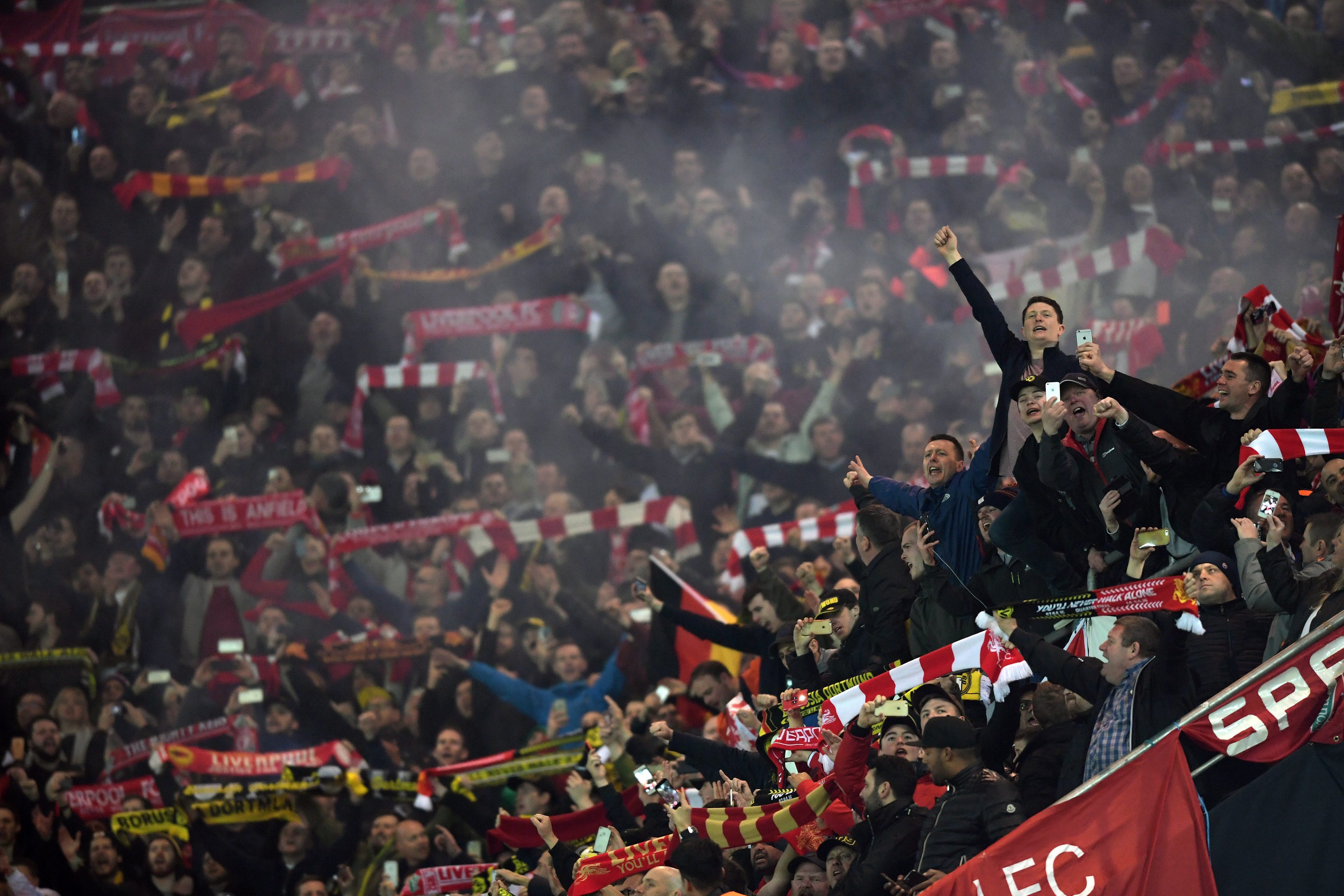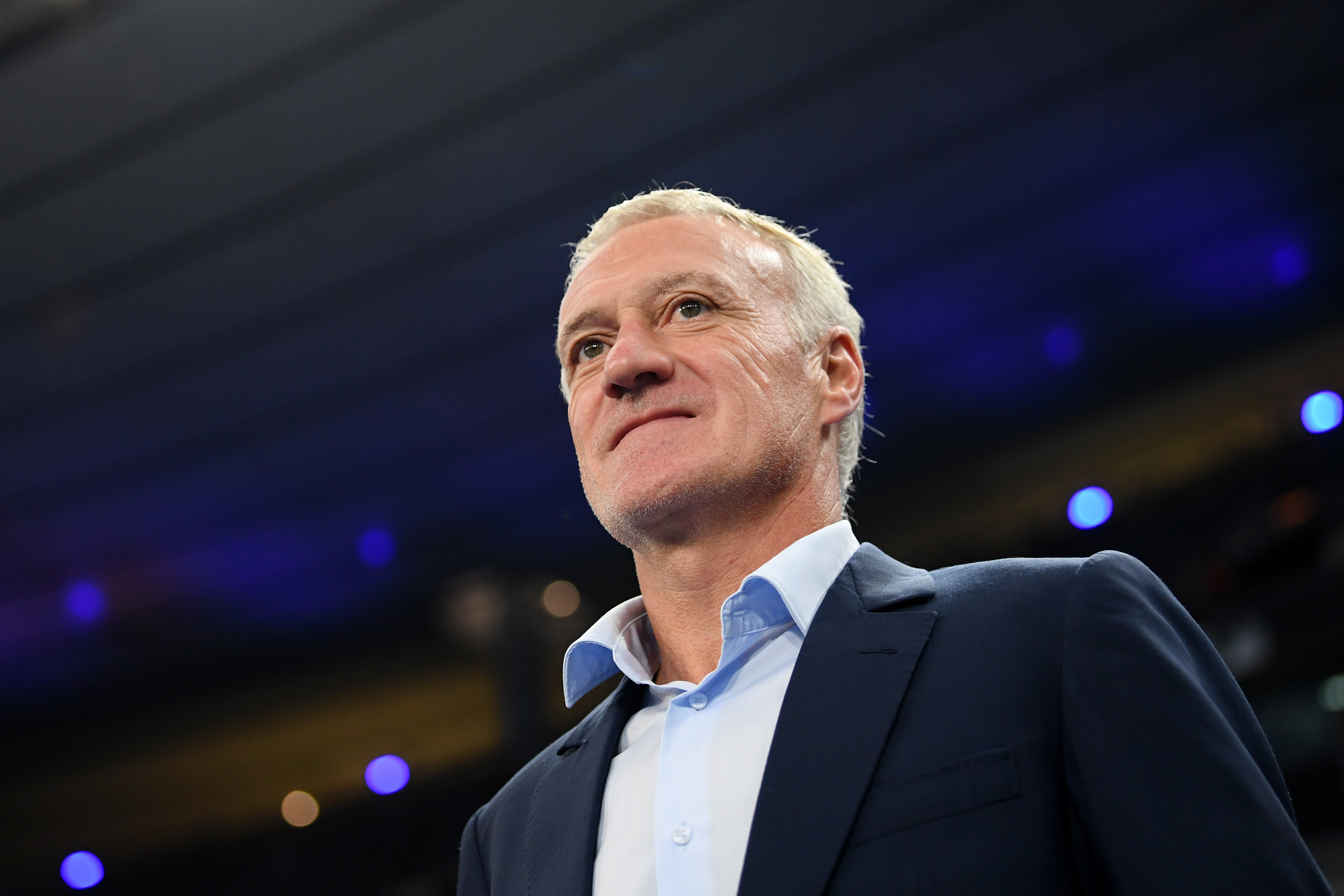
The Hard Tackle takes a closer look at Group K of the FIFA World Cup 2026, where Portugal, DR Congo, Uzbekistan, and Colombia collide.
The 2026 FIFA World Cup arrives with a sense of fresh promise: more teams, wider geography, and a reminder that international tournaments are where narratives and statistics collide.
By the time the group stage settles, stories will have been written about veterans chasing records, emerging nations making their mark, and managers whose tournament plans either flourish or falter. That interplay between individual moments and collective identity is what makes World Cups irresistible to fans and writers alike.
Group K presents a compact microcosm of that appeal. Portugal arrive with star power and experience under Roberto Martinez; Colombia offer South American unpredictability and flair; DR Congo bring physicality and a long-awaited return to the global stage after 52 years; Uzbekistan make their World Cup bow with momentum and organisation under Fabio Cannavaro.
Over the next sections, we take stock of each side’s style of play, recent form and underlying numbers where useful, managers’ influence and the players who will determine fortunes, before making a call on who will progress.
Group K
- Portugal
- DR Congo
- Uzbekistan
- Colombia
Group Fixtures
| Match | Fixture | Venue | Date |
|---|---|---|---|
| Match 23 | Portugal vs DR Congo | NRG Stadium, Houston | 17 June 2026 |
| Match 24 | Uzbekistan vs Colombia | Estadio Azteca, Mexico City | 17 June 2026 |
| Match 47 | Portugal vs Uzbekistan | NRG Stadium, Houston | 22 June 2026 |
| Match 48 | Colombia vs DR Congo | Estadio Akron, Zapopan | 22 June 2026 |
| Match 71 | Colombia vs Portugal | Hard Rock Stadium, Miami Gardens | 27 June 2026 |
| Match 72 | DR Congo vs Uzbekistan | Mercedes-Benz Stadium, Atlanta | 27 June 2026 |
Portugal
Recent form
Portugal remain a team built around control of possession and creative overload through the midfield. Under Roberto Martinez, they have blended a high-possession, progressive-passing approach with moments of verticality to exploit counter-attacking space.
In UEFA Group F qualifying, Portugal topped their section with consistent results, producing a positive goal difference and a healthy conversion rate from chances created. Bruno Fernandes and Joao Neves both scored hat-tricks in their decisive 9-1 victory over Armenia, which sealed qualification.
Underlying metrics from recent campaigns show good shot volume and expected goals (xG) numbers that roughly match their output, a sign that their results have mirrored the quality of their chances rather than luck. Portugal’s defensive structure under Martinez has also improved, with the team conceding fewer goals on the break compared to previous campaigns.
Manager imprint
Roberto Martinez has emphasised tactical flexibility: often lining up a 4-3-3 that can morph into a 4-2-3-1, depending on whether the team needs to press high or sit and control. His substitutions tend to be purposeful, using wide rotation to maintain intensity late in games.
For a side with several stars, his challenge is balancing individual freedom with defensive structure. On balance, the Spaniard has succeeded domestically and in qualifying, instilling a clear identity while keeping the dressing room content.
Key Players
- Cristiano Ronaldo: Beyond the obvious headlines, Ronaldo is set to feature in a record sixth World Cup at the age of 41; his influence remains measurable. He still registers high shot numbers and takes on responsibility in late-game situations where Portugal need a goal. Even if his minutes are likely to be managed, his presence alters opponents’ defensive shapes, creating space for teammates. Statistically, Ronaldo’s expected goals and shot volume remain significant for Portugal; the plan will be to exploit his box presence and finishing instincts. This is his last dance, and the question is whether it ends in triumph.
- Vitinha: The midfielder brings progressive passing and chance construction from central areas. His ability to link defence to attack, advance possession through the middle and contribute to the team’s xG build-up is crucial. Underlying metrics show Vitinha among the team leaders for progressive carries and key passes per 90 in qualifying, making him central to Portugal’s control and chance creation. His composure in possession will be vital when facing DR Congo’s physical press or Colombia’s high-intensity midfield.
- Nuno Mendes: As an offensive full-back, Nuno contributes to width and overloads on the left. His crossing frequency and progressive runs create alternative channels to the central attack, while his defensive recovery work keeps Portugal balanced. His duel win rates and progressive distance covered underline how he combines energy with the end product. Against Uzbekistan’s compact block, Mendes’s ability to stretch play could be decisive.
Prediction for Portugal
Portugal have the depth and star quality to top the group, provided their big names are fit, and Martinez can balance minutes effectively. Expect them to lead Group K, albeit with Colombia pushing hard for the top spot.
DR Congo
Recent form
DR Congo’s qualification pathway carried immense weight from a nation with abundant talent but limited World Cup history; their last appearance was in 1974 as Zaire. Their continental performances showed a blend of physical intensity and direct attacking play.
The defining moment came in the intercontinental playoff against Jamaica, when Axel Tuanzebe scored in the 100th minute of extra time to send the Leopards through. While raw underlying metrics at the African qualifying level are less widely tracked than UEFA or CONMEBOL, observable trends point to a side that presses energetically, wins duels and seeks transitions from turnovers.
Manager imprint
Sebastien Desabre has forged a pragmatic, cohesive unit that leans on athleticism and set-piece threat. There is a clear emphasis on organisation and minimising defensive errors, sensible for a nation making the step up to a major tournament. Tactical discipline and the ability to adapt to stronger opposition will be the manager’s tests in this group.
Key Players
- Axel Tuanzebe: The centre-back delivered DR Congo’s moment of genius when he scored the playoff winner against Jamaica. Beyond that dramatic goal, his physical presence and recovery pace make him vital to DR Congo’s defensive resilience. His aerial ability and tackling are crucial to nullifying sustained pressure.
- Chancel Mbemba: As captain of DR Congo, Mbemba brings experience and leadership from the back. His presence in one of the top European leagues translates into calmer build-up from the back and positional awareness. His passing accuracy when progressing the ball can help DR Congo avoid being pinned back under sustained pressure.
- Yoane Wissa: In attack, Wissa offers direct running and goal-threat on the counter. His conversion rate and shot locations suggest a player effective in the box and dangerous on transitional breaks. The Newcastle United striker will be DR Congo’s principal outlet for goals, and his Premier League experience against top defences will be invaluable.
Prediction for DR Congo
DR Congo are likely to be the underdogs who can frustrate opponents. However, with this group’s quality, they may struggle to collect enough points to advance. Expect them to contest strongly for third but ultimately miss out on the top two.
Uzbekistan
Recent form
Uzbekistan will be making their first World Cup appearance, a milestone for Central Asian football and the White Wolves. Their qualifying campaign was defined by defensive organisation, disciplined midfield structure and an ability to grind out results. The team’s underlying numbers emphasise compactness: low goals conceded in qualifying and efficient chance creation rather than high-volume attacking metrics.
Manager imprint
Fabio Cannavaro has emphasised collective work-rate and tactical rigidity, which has paid dividends. For a debutant nation, the priority has been to be difficult to beat, maintain structure and exploit set-piece and counter opportunities. That approach should help them limit damage against elite opponents.
Key Players
- Abdukodir Khusanov: The centre-back from Manchester City anchors a compact defensive line. His interception rates and aerial success are crucial when facing teams with high crosses and long balls. Khusanov’s organisation at the back will shape how Uzbekistan neutralise opponents’ central attacks, especially against Portugal’s aerial threat.
- Eldor Shomurodov: The 30-year-old serves as captain and top scorer (44 goals in 91 caps), providing experienced finishing and hold-up play. His ability to link play and occupy defenders allows Uzbekistan to spring counters. His goals per 90 in recent international fixtures and shot placement statistics indicate a reliable attacking focal point, and his leadership will be vital for this historic squad.
- Otabek Shukurov: As a midfield conductor, Shukurov contributes to transition control, ball retention and occasional long-range contributions. His pass completion and recovery numbers reveal a player who balances creativity with defensive work.
Prediction for Uzbekistan
Given their defensive solidity and momentum as debutants, Uzbekistan could be the surprise package to clinch third and push for qualification scenarios that reward tight, low-scoring matches. They are unlikely to secure a direct qualification, but a third-placed finish seems within reach.
Colombia
Recent form
Colombia arrive with South American fluency, technical midfielders, quick wide attackers, and an emphasis on creative, sometimes chaotic, attacking play. They qualified for the World Cup after secure third place in the CONMEBOL table with 28 points from 18 games. Underlying numbers reflect a team that generates high-quality chances (healthy xG) but is susceptible to transitional threats when possession is lost.
Manager Performance
Nestor Lorenzo has blended experience and youth, prioritising attacking choices that allow freedom to wide forwards while retaining midfield balance. Tactical flexibility, shifting between 4-3-3 and 4-2-3-1, has enabled the South American nation to adapt to opponents across CONMEBOL qualifying, though their defensive consistency can fluctuate.
Key Players
- James Rodriguez: The playmaker and team captain remains Colombia’s chief creator despite the fact that he no longer plays in Europe. His expected assists and key-pass numbers per 90 underline his enduring influence. While minutes may be managed given age and fitness, his set-piece delivery and vision could unlock stubborn defences.
- Luis Diaz: A dynamic dribbler and high-intensity wide forward from Bayern Munich, Diaz offers direct penetration and a consistent goal threat. His progressive carries and shot-creating actions per 90 place him among Colombia’s most dangerous outlets. Against Portugal’s backline, Diaz’s pace could be decisive.
- Daniel Munoz: As a full-back who contributes offensively from Crystal Palace, Munoz’s overlapping runs and crossing frequency increase Colombia’s width and overloads. His defensive work rate helps maintain balance when full-backs push forward.
Prediction for Colombia
Colombia should finish second in the group. Their blend of creativity and attacking tempo makes them Portugal’s most credible challengers; if James Rodriguez and Luis Diaz are at their best, Colombia will qualify for the round of 32.
Final Prediction
- Expect Portugal to top the group, but not without being tested by Colombia’s attacking punch. Their first match against DR Congo will set the tone, and the second fixture against Uzbekistan will be crucial for securing top spot.
- Meanwhile, for Colombia, the presence of match-winners tips the scales in their favour for second place. Their opening match against Uzbekistan will be critical, and the final fixture against Portugal in Miami could decide who tops the group.
- Uzbekistan will be a well-drilled debutant side capable of taking points from tighter contests and finishing third in a group where margins will be small. Their historic first World Cup could culminate in a valuable third-place finish that rewards qualification scenarios.
- DR Congo may fall short against more clinical opposition; they will be competitive but face an uphill fight for qualification.