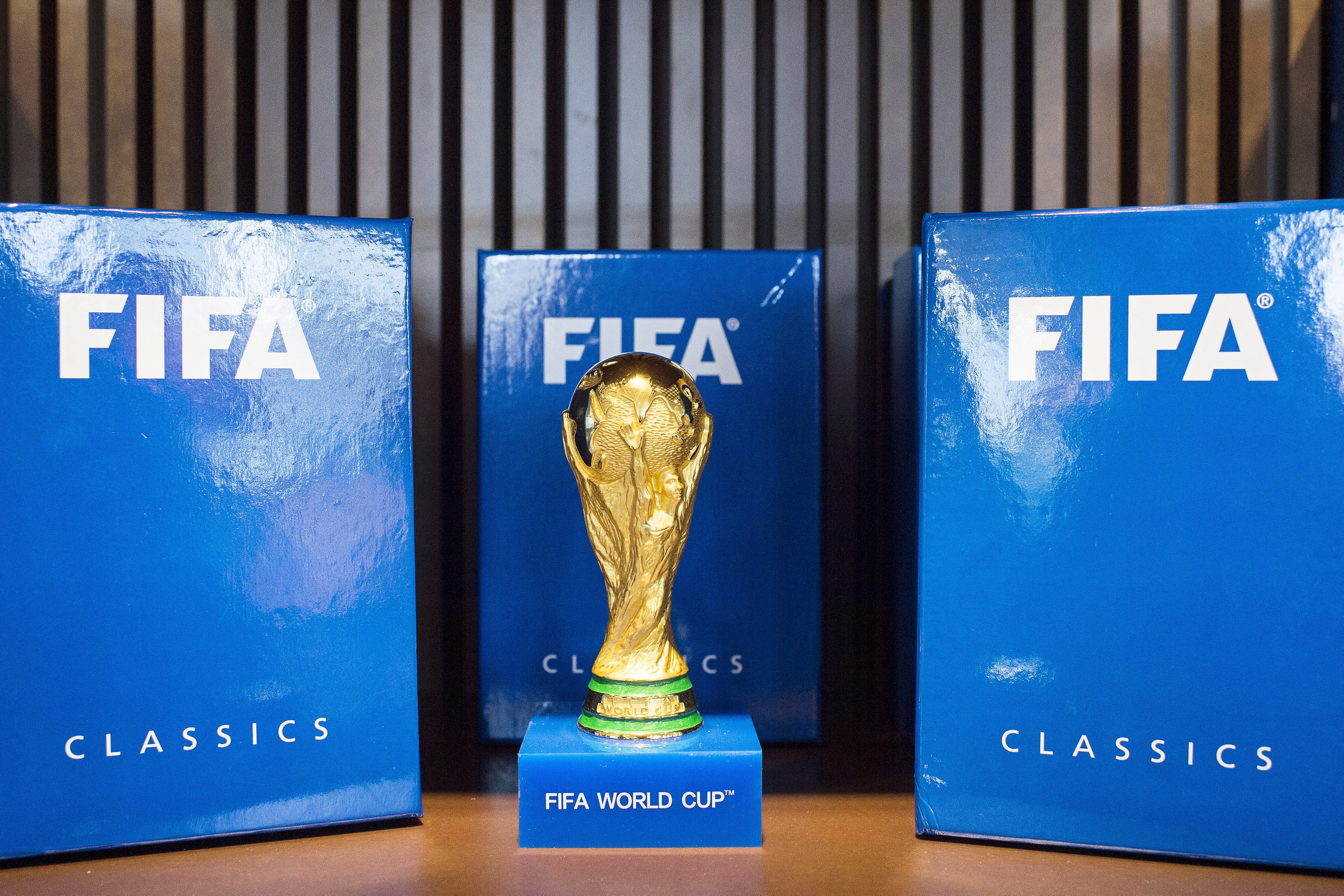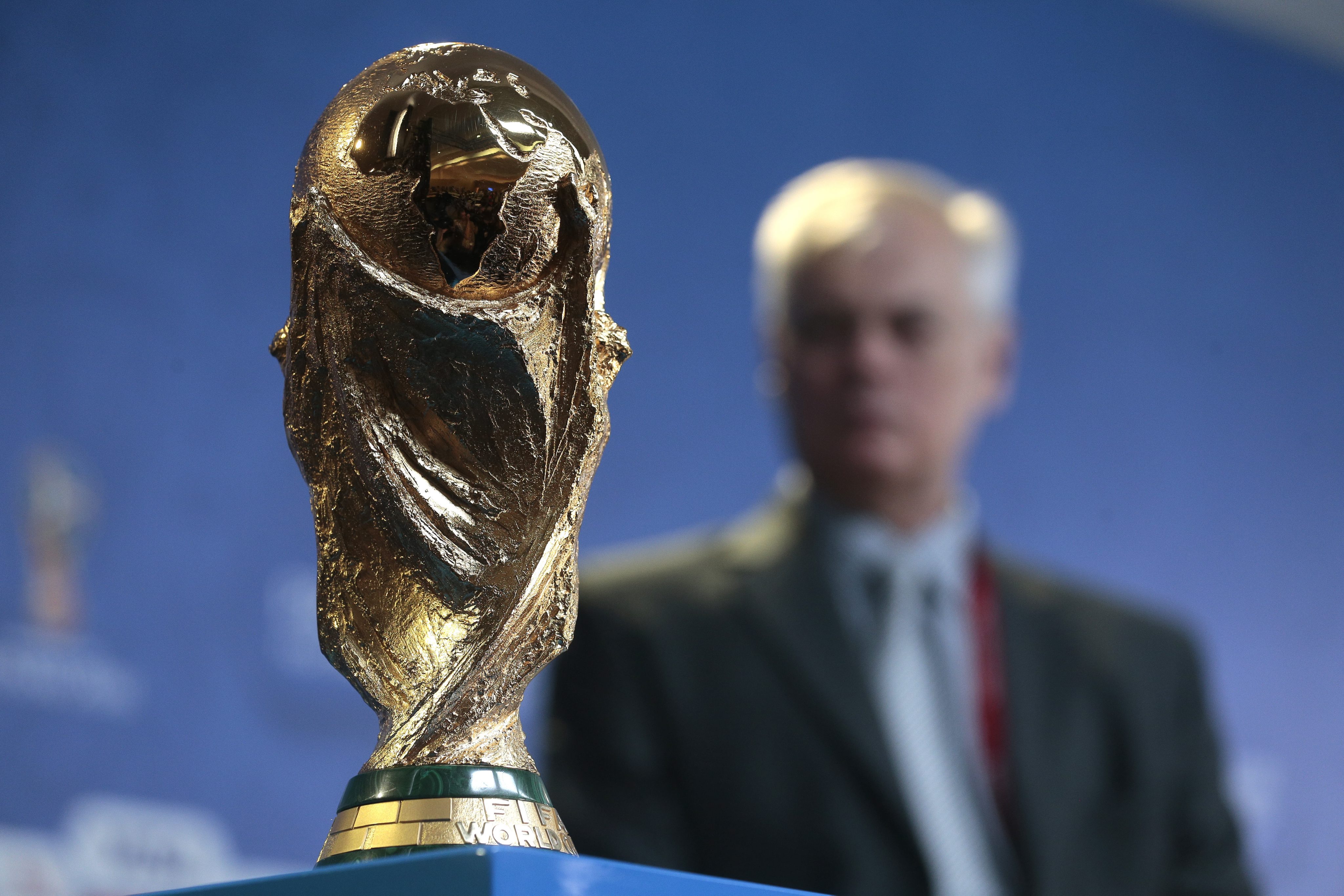
The Hard Tackle takes a closer look at Group G of FIFA World Cup 2026, where Belgium, Egypt, Iran, and New Zealand collide.
The 2026 FIFA World Cup opens a new chapter in football’s global story: 48 teams, expanded possibilities, and more room for surprises. As hosts Canada, the United States and Mexico prepare to stage a tournament of scale and intensity unlike any before, every group takes on added significance. The expanded format rewards depth and consistency, and it also hands underdogs a clearer path to make noise.
Group G is an instructive slice of the modern game. It pairs a technically-adept European giant, a North African giant centred on its talisman, an experienced Asian side accustomed to gritty qualification campaigns, and an Oceania outfit that has rediscovered belief. Between them Belgium, Egypt, Iran and New Zealand offer contrasting routes to the finals, different tactical identities and a mixture of established stars and emerging threats.
This preview takes stock of how each nation reached this point, the managerial fingerprints shaping their preparations, the individuals most likely to swing games, and, finally, a prediction on who will progress to the round of 32 of FIFA World Cup 2026. The order of games and the short margins of a three-match group stage mean preparation, squad selection and small margins of fitness matter more than ever.
FIFA World Cup 2026 Group G
- Belgium
- Egypt
- Iran
- New Zealand
Group G fixtures
- Match 16: Belgium vs Egypt — June 15, Lumen Field, Seattle
- Match 15: Iran vs New Zealand — June 15, SoFi Stadium, Inglewood
- Match 39: Belgium vs Iran — June 21, SoFi Stadium, Inglewood
- Match 29: New Zealand vs Egypt — June 21, Lincoln BC Place, Vancouver
- Match 49: Egypt vs Iran — June 26, Lumen Field, Seattle
- Match 50: New Zealand vs Belgium — June 26, Lincoln BC Place, Vancouver
Belgium
Path to the finals
Belgium’s road through UEFA qualifying was a statement of control. The Red Devils finished atop their group undefeated, accumulating 18 points with five wins and three draws. Their attack produced 29 goals while the defence conceded only seven; the raw numbers underline a side that combined efficiency with attacking fluency.
Yet, the campaign was not without reminders of fragility; moments such as the near-collapse against Wales, where a 3-0 lead was nearly lost before Kevin De Bruyne’s late intervention, showed Belgium can be pressed and ruffled.
Managerial imprint
Belgium arrive as a side in transition. The pressure that weighed on the “Golden Generation” has eased, giving space for a new core to become the team’s heartbeat. The coaching approach has leaned towards a structured 4-2-3-1 that protects midfield while allowing a creative hub in the No.10 zone. Rudi Garcia’s task has been balancing Kevin De Bruyne’s creative pull with defensive stability and ensuring the team replaces older leaders without losing cohesion.
Key players and why they matter
- Kevin De Bruyne: Even allowing for age and recurring fitness issues, De Bruyne remains Belgium’s central figure. His chance-creation numbers across both club and country still rank among Europe’s best, placing him at the apex of his team’s chances. The tournament will place a premium on his availability; when fit, his vision and ball progression unlock compact defences. If he is limited, Belgium’s creativity falls short of the cutting edge required against mobile, organised opponents.
- Jeremy Doku: With Romelu Lukaku’s goalscoring output and fitness less reliable of late, Doku offers a different kind of attacking solution. His explosive pace off the flank produces high-value counter-attacking moments and forces defenders into mistakes. Statistically, his take-ons per 90 and successful dribbles create overloads in wide areas and increase the probability of high-quality chances. At a World Cup where quick transitions and individual moments matter, the 24-year-old is the x-factor who can punish mismatches and stretch opponents.
Prediction for Belgium
Belgium possess the technical and individual quality to top Group G. So long as Kevin De Bruyne can contribute meaningful minutes and the squad avoids injury disruption, the Red Devils should control possession, create superior chances and collect the points expected of them here.
Egypt
Path to the finals
Egypt’s qualification was clinical. They dominated CAF Group A, finishing with 26 points from ten matches (W8 D2), scoring 20 goals and conceding only two. That defensive record, combined with sustained attacking output, made their passage one of the more comprehensive in African qualifying. Mohamed Salah’s nine goals were pivotal, and he carried the scoring burden consistently and turned key games in his team’s favour.
Managerial imprint
Hossam Hassan’s arrival midway through the qualifiers reshaped Egypt’s balance. The 59-year-old found a blend of tactical discipline and attacking freedom that produced seven clean sheets and allowed Egypt to rotate between a compact, controlled 4-3-3 and a more expansive 4-2-3-1 when chasing matches. Against high blocks, Hassan has shown willingness to alter shape to 3-5-2, seeking overloads in midfield and more direct threats up front.
Key players and why they matter
- Mohamed Salah: Despite signs of regression at club level, Salah’s qualifying return with nine goals is a reminder of his enduring influence for Egypt. The 33-year-old remains their primary goal threat and the player around whom defensive plans of opponents must be planned. His shot volume, touches in the box and expected goals contribution make him the decisive figure in tight matches; Egypt’s ability to reach the knockout stages will be tied to Salah finding pockets of space against compact defences.
- Omar Marmoush: Marmoush projects as the supporting finisher who will shoulder scoring responsibility when Salah is marked out of games. Although his 2025/26 club season was mixed, he showed the movement and finishing instincts Egypt require. His runs in behind and ability to occupy central defenders create space for Salah and midfield runners; statistically, his expected goals and shot-creation numbers justify the role of go-to striker when fine margins decide results.
Prediction for Egypt
Egypt’s defensive solidity and Mohamed Salah’s finishing tilt the balance in their favour for second place. They possess the organisation to frustrate opponents and the attacking players to punish mistakes. Expect Egypt to finish second in Group G and progress to the round of 32.
Iran
Path to the finals
Iran again qualified as Asia’s consistent contender, securing an automatic berth from AFC third-round Group A. They accumulated 23 points, two clear of Uzbekistan, with a campaign punctuated by character: a dramatic 2-2 draw at the Azadi Stadium sealed their spot. Iran blended home-grown league talent with European-based professionals to produce steady, often resolute results.
Managerial imprint
Stability has been Iran’s hallmark. Amir Ghalenoei prioritised defensive structure, organisation and a clear transitional game. Extended training camps in Antalya and logistical adjustments due to geopolitical pressure have tested preparation, yet the squad’s mental resilience has been notable. Tactical pragmatism with compact defending, fast wing transitions and set-piece emphasis has underpinned his side’s results.
Key player and why he matters
- Mehdi Taremi: Iran’s talismanic striker remains the central attacking threat. With an international record of 60 goals in 104 appearances, Taremi combines clinical finishing with intelligent movement. The 33-year-old is Iran’s primary outlet in the final third, excelling at occupying defenders, winning duels and converting chances. Statistically his goals-per-90 for the national team and his conversion rate on high-quality chances mark him as a consistent source of goals; in a tight group, that reliability could be decisive.
Prediction for Iran
Iran should finish third. Their defensive discipline and the Taremi threat make them tough opponents; they will certainly be in contention for a round-of-32 place as one of the better third-placed teams. However, their path depends on fine margins outside the group and results elsewhere across the tournament.
New Zealand
Path to the finals
New Zealand’s return to the World Cup is emphatic rather than lucky. The All Whites swept the OFC qualifying stage with five wins from five, scoring 29 goals and conceding a single goal. A 3-0 win over New Caledonia in the Oceania final at Eden Park confirmed their place and their momentum. Chris Wood’s nine goals in qualifying underlined a renewed attacking thrust.
Managerial imprint
Under Darren Bazeley, New Zealand have shifted towards a more progressive, European-influenced style. Selection of Europe-based players and an emphasis on controlled possession and forward momentum has modernised their approach compared with previous All Whites teams. The manager’s strategy seeks to reduce panic in big matches and to make the side competitive in the first phase of attack.
Key player and why he matters
- Chris Wood: The veteran striker is New Zealand’s mainstay; 45 goals in 89 caps is a record that makes him the obvious focal point. The 34-year-old offers aerial presence, hold-up ability and an eye for the simple finish, while his late-season form in 2025/26 suggests he can still produce in big moments. For New Zealand to cause an upset they will need Wood to convert the chances created by midfielders and wide runners; his goals-per-90 and conversion ratios in qualifying highlight how much they depend on him.
Prediction for New Zealand
Although New Zealand will arrive with momentum and organisation, the gulf in individual quality and depth versus Belgium and Egypt is likely decisive. Expect the All Whites to finish fourth in Group G; they may earn respect and pressure opponents, but not the points required to advance.
Final prediction
- Group G winners and runners-up: Belgium to top Group G, Egypt to finish second. The Red Devils possess the technical quality and creative superiority to control matches; if Kevin De Bruyne is available in effective minutes and Jeremy Doku supplies pace on the flanks, Belgium have the tools to collect top spot. Egypt’s blend of defensive solidity, a clear managerial plan, and Mohamed Salah’s finishing make them the most likely challenger.
- Third and fourth: Iran third, New Zealand fourth. Iran’s organisation and the perennial threat of Mehdi Taremi make them a credible third-placed side with a chance of advancing depending on tournament-wide third-place permutations. New Zealand should be competitive but lack the consistency across 11 positions to climb out of this group.