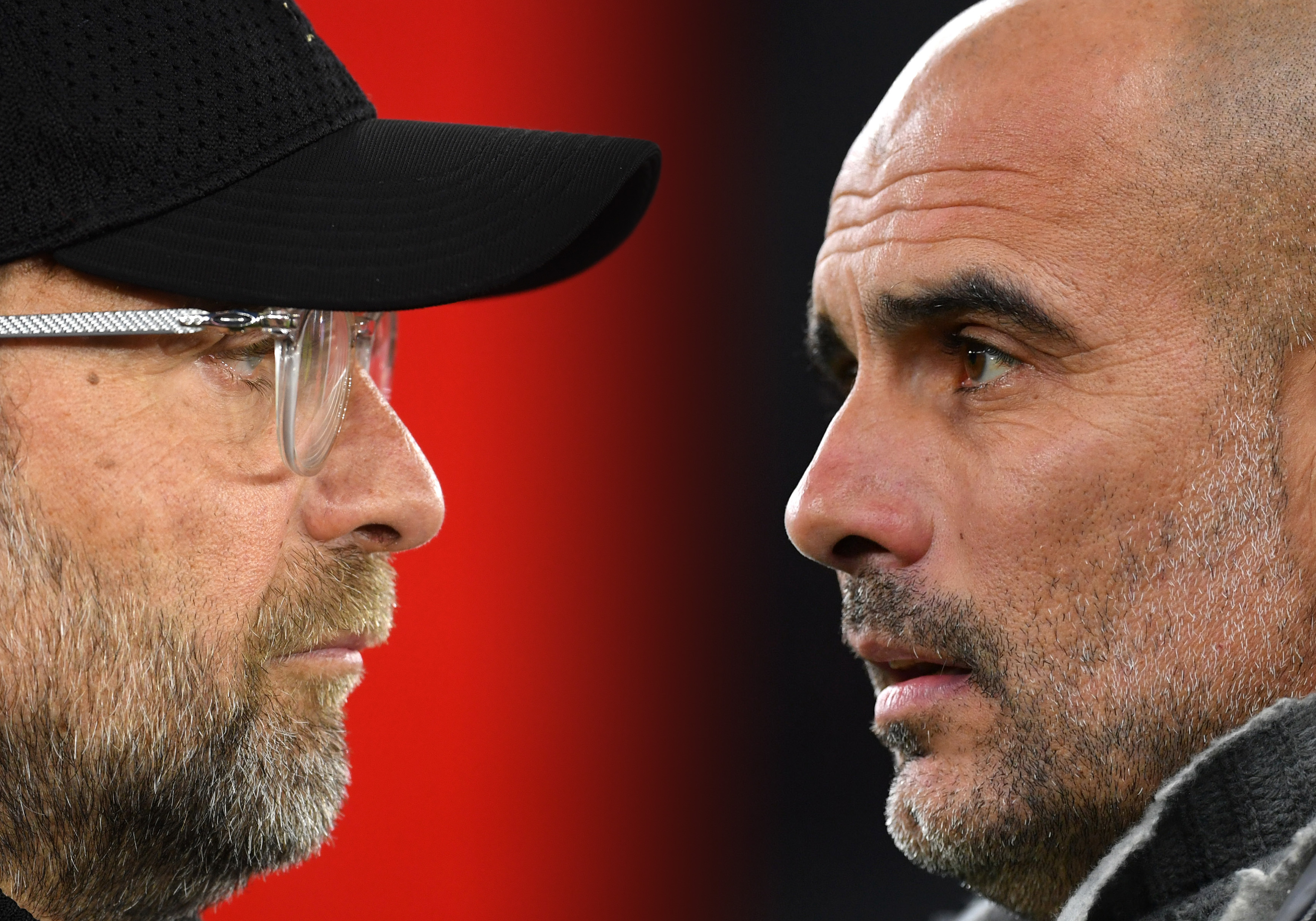
Liverpool had the chance to move first on Xabi Alonso, but Chelsea made the decisive call and landed the Spanish tactician.
Liverpool had the chance to make a bold move for Xabi Alonso, but instead chose caution, and Chelsea have been quick to turn that hesitation into an advantage. The Spaniard has now been officially appointed Chelsea manager, with his four-year spell set to begin on July 1; the move underlines how decisively the Blues have acted while the Reds stood still.
A manager with a clear identity
Xabi Alonso arrives at Stamford Bridge with a reputation that has been built in layers, not in flashes. At Bayer Leverkusen, he turned a club without a league title into champions, and at Real Madrid, he earned praise for an encouraging early spell before his job unravelled when he failed to fully command the dressing room, ending with his sacking.
Chelsea’s statement also notes that they are backing him because of his coaching quality, leadership, game model, and the wider culture he can build around the team. That profile matters because Alonso is not a manager who drifts with the mood of a club.
His teams are usually fast, aggressive and structured, pressing hard without the ball and moving quickly when possession is regained. He generally favours a 3-4-2-1 shape, although he has shown he can shift between systems when needed.
Why Liverpool hesitated
Liverpool’s decision not to make the change now feels like the bigger story. Arne Slot has been under pressure after a disappointing run, yet the club has chosen to stand by him even though there are signs that things are not settled behind the scenes.
Mohamed Salah’s comments after the heavy defeat to Aston Villa, in which he urged Liverpool to return to their “heavy metal” identity, only sharpened the sense that the club’s current direction is under strain.
That is why the Alonso link made so much sense. Liverpool need more than results; they need a clearer style. Salah’s remarks suggested exactly that, because the problem is not simply losing games, but losing the sense of who Liverpool are supposed to be.
In that context, bringing in Alonso would have been a clean football decision, not just a dramatic one. The Spaniard knows the club inside out from his playing days, understands the demands of Anfield, and has already shown that he can build a coherent system around strong principles. For a club that wanted an immediate reset without losing its identity, Alonso looked like a natural fit.
What Alonso would have offered
The strongest argument for Liverpool is also the simplest one: Alonso’s football would have matched the club’s needs. His teams are compact, aggressive and intelligent in transition, with a clear plan for both control and vertical threat. He wants his players to press in coordinated waves, recover the ball quickly and attack before the opponent can settle.
That matters because Liverpool under Slot have looked unsure of their own structure. When a team is losing and still searching for a style, a manager with a defined blueprint can usually steady the ship faster than one who is still trying to establish his methods.
Alonso’s work in Germany showed that he can organise a team, improve individuals and create a side that knows exactly what it is doing in and out of possession. There was also a cultural reason for Liverpool to act.
A manager who has worn the shirt, understands the expectation, and already has credibility in the dressing room can often buy trust more quickly than an outsider. Liverpool had that chance, and they let it pass.
Chelsea’s timely move
Chelsea, by contrast, moved with purpose. Their confirmation says Alonso will start on July 1, and the club clearly sees him as the man to lead their next phase. That timing is important, because the West London club needed a manager with authority, tactical clarity and enough flexibility to shape a young, ambitious squad.
They have found a coach who tends to get the best out of players with energy and room to grow. Alonso’s system relies heavily on discipline, movement and quick decisions, which can be ideal for a young side. He does not ask every player to dominate the ball for long spells; instead, he asks them to understand space, timing and responsibility.
For a Chelsea squad that often contains talent but lacks consistency, that can be a useful starting point. The Blues also benefit from Alonso’s reputation as a modern coach who is not locked into one rigid method. He has shown tactical flexibility, and that gives Chelsea a chance to build something that is both organised and adaptable.
Why he fits Chelsea
Chelsea’s biggest problem in recent seasons has not been the lack of talent. It has been the lack of a stable footballing identity. Alonso can help with that because his teams usually look coached, even when they are not at full strength. They defend in compact units, attack with purpose, and usually carry a clear idea of how to move from one phase of play to the next.
He could also help in developing younger players, which is crucial at Chelsea. A young player often improves fastest under a manager who gives clear instructions and asks for repeatable habits rather than chaos. Alonso’s method is built on patterns, spacing and intelligent movement, so it should suit players who are willing to learn and run for the team.
There is another layer here. Chelsea have often been accused of buying potential without always providing the structure to turn that potential into a team. Alonso may be the sort of coach who can connect those pieces better than most. His coaching background suggests he can work within a long-term project instead of chasing short-term fixes.
Liverpool’s missed moment
This is where the story turns from simple appointment news into a bigger critique of Liverpool. The Merseyside outfit did not just miss out on a manager; they may have missed the manager who best matched their own problems. Arne Slot’s situation is unstable, the football is not convincing, and there is a growing feeling that a line had to be drawn. Yet, Liverpool chose continuity over courage.
That may prove sensible, but it may also prove unnecessarily conservative. Clubs that wait too long often end up making changes after the opportunity has already passed. Alonso was available, familiar with the club, and in demand elsewhere. Chelsea saw the opening and moved. Liverpool saw the same opening and blinked.
In the end, this is why the appointment matters beyond Stamford Bridge. Chelsea have acted like a club that wanted a manager with a plan. Liverpool, at least for now, have acted like a club still trying to persuade itself that the current plan can work. Whether that is patience or hesitation will be judged over time, but the first clear winner of this managerial shuffle is Chelsea.