
Foreign coaches bring pedigree, but the World Cup still rewards national identity, trust and time more than reputation alone.
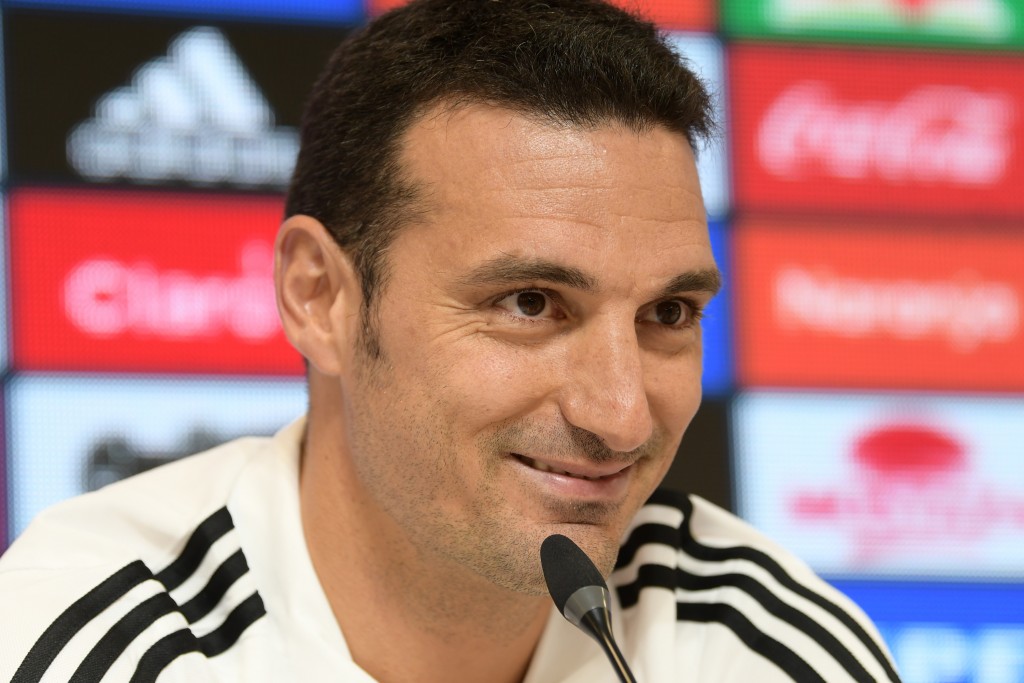
On the eve of the 2026 FIFA World Cup final in New Jersey, one truth remains untouched by time: no nation has ever won this tournament under a foreign coach. That record survives into the 2026 final because the two men contesting the biggest match of all are Spain’s Luis de la Fuente and Argentina’s Lionel Scaloni, meaning the winner will again be led by a manager from the same country as his team.
In an era when elite club football has become a marketplace of ideas, passports and reputations, that feels almost peculiar. The modern game has spent years celebrating the travelling genius, the coach who can land in a new country and instantly improve standards. Yet, the World Cup keeps telling a different story. For all the glamour attached to the global dug-out, international football’s greatest prize still appears to reward something closer to belonging
A persistent pattern emerges
That is what makes this trend so fascinating. Football has opened its doors to foreign coaches in nearly every major league and competition, but the World Cup has stayed strangely resistant. Every winning nation in the competition’s history has lifted the trophy with one of its own in charge.
Even more striking is how rarely outsiders have come close, with only Sweden under England’s George Raynor in 1958 and the Netherlands under Austria’s Ernst Happel in 1978 reaching the final and falling short.
So the guarantee before this final is the same as it has always been. If Spain win, they will do so with a Spaniard leading them; if Argentina win, they will do so with an Argentinian on the touchline. That does not automatically prove that nationality alone is the magic ingredient.
Football is never that tidy. But it does suggest that, at World Cup level, shared instinct still matters more than the sport’s global coaching marketplace would like to admit. National sides do not have the luxury of building slowly through daily training, constant tactical drilling and endless recruitment.
They rely on compressed windows, emotional clarity and instant trust. In that environment, the coach who already speaks the football language of the nation, in every sense, may begin with an advantage that is difficult to manufacture.
Coaches with the highest pedigree continue to fail
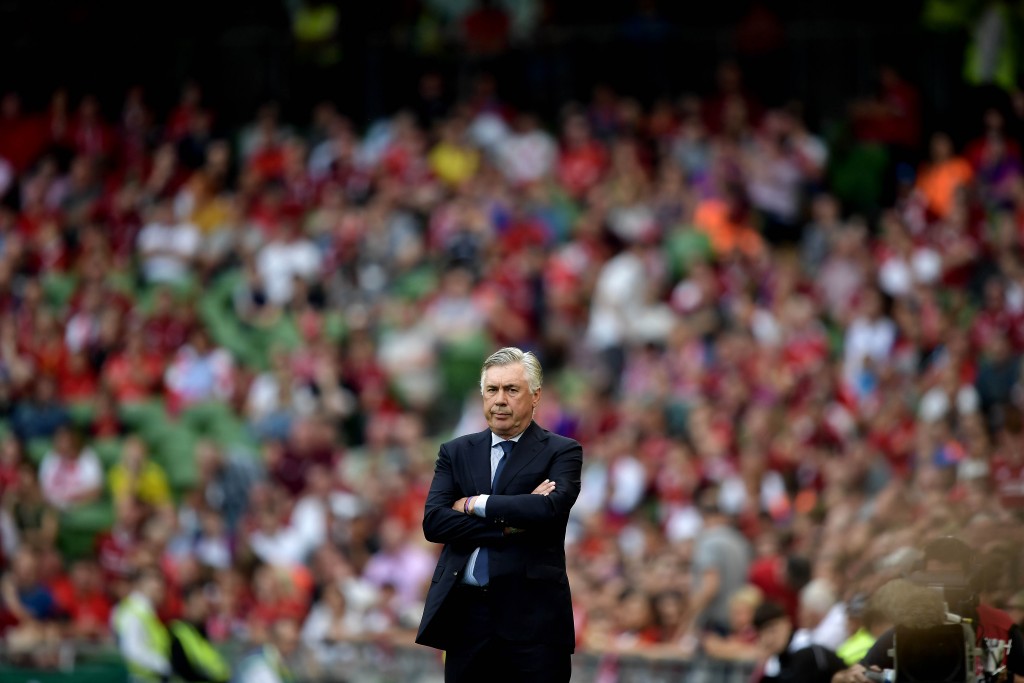
That is why this tournament has again exposed the limits of club prestige. Carlo Ancelotti arrived with a towering reputation after a glittering career in club football, while Thomas Tuchel took England into the finals as the first foreign manager to lead them at a tournament of this scale, and Mauricio Pochettino carried his own heavyweight standing into the job with the United States.
Roberto Martinez, a Spaniard managing Portugal, also represented the same idea, that a highly regarded coach from abroad might be able to unlock what local leadership could not. Yet none of those appointments changed the larger World Cup pattern, because the final has come down to Spain and Argentina, not to one of the teams led by imported expertise.
That does not mean these coaches are poor fits, nor does it mean their credentials suddenly count for nothing. It means the World Cup asks different questions. Club management is about control. International management is more about compression. A club coach can imprint every detail over months and years, reshape the squad in the transfer market and recover from setbacks across a long season.
A national coach has to make sense of fragments: a few training sessions, a shifting player pool and a tournament that punishes hesitation. A brilliant club coach may still be a brilliant football mind, but brilliance alone cannot fast-forward chemistry. At the World Cup, relationships matter almost as much as ideas.
Why the home coach still fits the bill?
Look instead at the men who have reached the sharp end. Scaloni took charge of Argentina in 2018 and has since delivered the 2021 Copa America, the 2022 World Cup and another Copa América in 2024. De la Fuente was appointed by Spain in December 2022 and has already guided them to the Euro 2024 title before taking them to this final.
Didier Deschamps, too, has been the model of continuity with France across multiple major tournaments, while de la Fuente and Scaloni represent the same wider principle: long-term familiarity can be worth more than celebrity.
There is also something deeper at work. International football is not just tactical; it is cultural. A national team coach is not merely selecting a shape or pressing trigger. He is interpreting a country’s football memory, its anxieties, its old scars and its idea of how the shirt should look when the pressure tightens.
That is easier to do when the coach has lived those references rather than studied them from afar. De la Fuente and Scaloni do not only organise teams; they embody a line of continuity between supporters, players and history. That sort of connection can sound romantic, but at a World Cup romance often becomes practical value.
Still, it would be too simple to claim the door is shut forever on foreign coaches. The better lesson is that time may be the missing piece. Ancelotti, Tuchel and Pochettino are not working in hopeless conditions; they are working in unfinished ones.
By the time 2030 arrives, they may have deeper bonds with their squads, stronger authority in moments of stress and a clearer sense of how to translate club-level stature into international rhythm. The record could yet fall. But until someone actually breaks it, the safest reading is the most obvious one: the World Cup continues to favour coaches who feel native to the job in every possible sense.
The outlook
So the final in New Jersey is not merely a meeting between Spain and Argentina; it is another reminder that the World Cup remains football’s most traditional modern competition. For all the talk of tactical innovation and global coaching brands, the trophy still has a habit of going to a nation led by one of its own.
That does not diminish the quality of foreign managers such as Ancelotti, Tuchel, Martínez or Pochettino. It simply underlines that international football rewards different strengths: shared identity, emotional fluency, continuity and time. Those qualities have lifted Scaloni and de la Fuente to the last night of the tournament.
Perhaps 2030 will finally produce the outsider who breaks the pattern. Until then, history keeps winning the argument. At the World Cup, the most decorated coach is not always the best fit. Often, the right man is the one who already belongs.