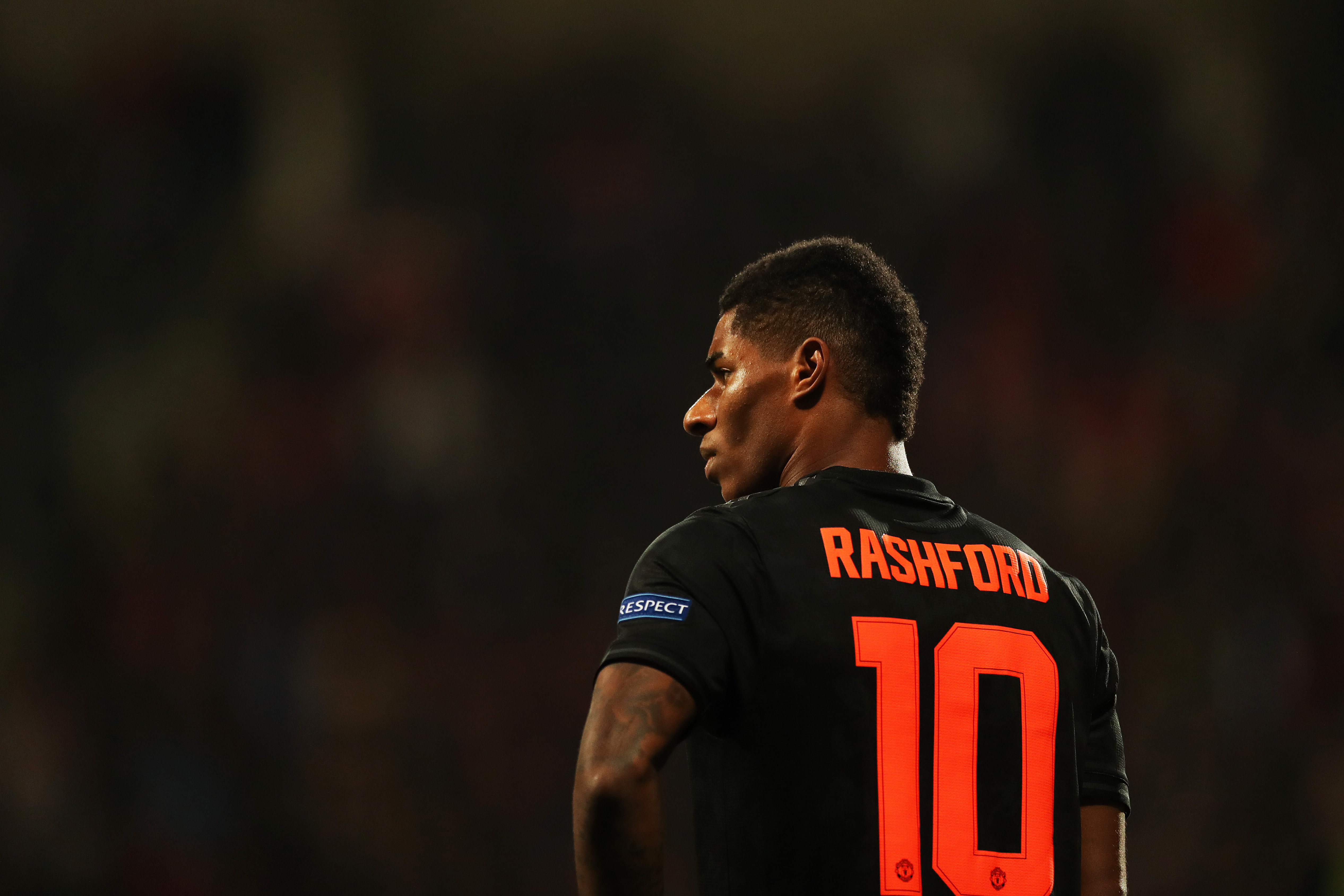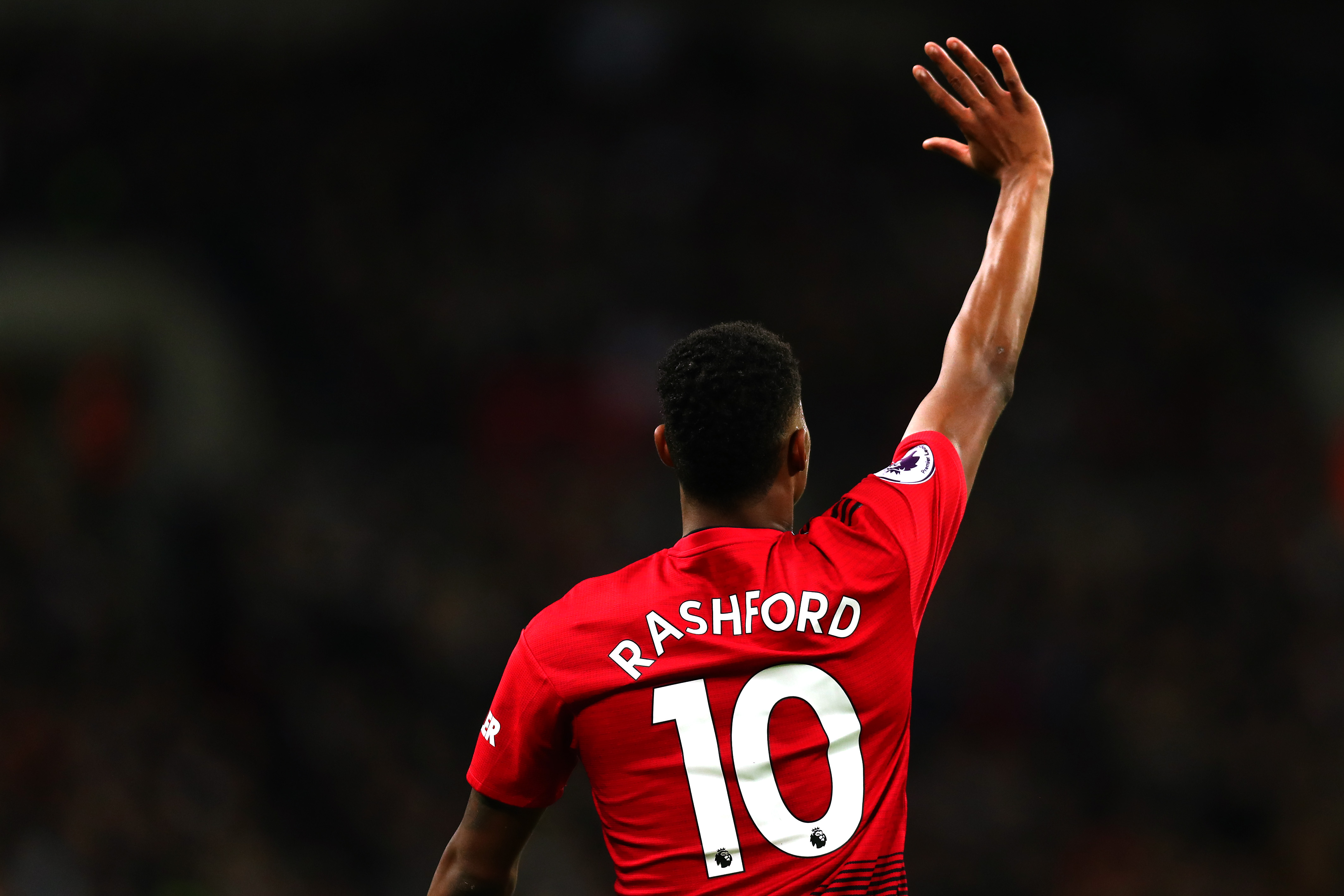
Raphinha’s injury might be a blow for Barcelona, but for Marcus Rashford, it could be the five‑week window that decides his World Cup spot and his €30 million future.
When Raphinha went down with a hamstring injury, expected to sideline him for around five weeks, Barcelona’s immediate problem was simple: they needed someone to step into his wide‑forward role. For Marcus Rashford, the ramifications are much bigger: the injury could be the exact moment his minutes, his England ambitions, and his Barcelona dream all line up in his favour.
Regular games, sharper candidate
For England, Marcus Rashford’s biggest challenge has not been talent, but continuity. He has long had the pace and movement to trouble defences, but his chances to cement himself as a regular starter at the top level have been inconsistent.
With Raphinha out, Barcelona are likely to lean on Rashford more heavily on the left flank. That means longer uninterrupted stretches of game‑time rather than half‑time cameos or brief substitute runs. That kind of stability matters a lot when a World Cup squad is being drafted.
If Rashford can use these weeks to show he can start, finish games, and contribute to results in a demanding La Liga and UEFA Champions League environment, it will be difficult not to have him in the playing XI for England.
Cementing the Barcelona dream
On the club side, Raphinha’s absence is the kind of scenario Marcus Rashford has needed to prove he can be more than just a backup. If he takes his chance, starts regularly, and continues to supply goals or assists, the argument that he is “nice, but not essential” becomes harder for Barcelona to maintain.
That is exactly the kind of form that could push the club into paying his €30 million buy‑option, rather than trying to keep him on another loan deal. Barcelona initially hoped to keep him without triggering the clause, banking on the Englishman not being an automatic starter.
But if Rashford turns this injury window into a period of genuine first‑team status, their negotiating power diminishes. The Blaugrana can then no longer claim he is only a fringe player; instead, he becomes a frontline option their attack has relied on while Raphinha was out.
That in turn makes the idea of a cheap loan or a discounted transfer look much less convincing, especially for a club like Manchester United, who are determined not to let their asset slip away for less than the agreed-upon clause.
Manchester United’s gain, no matter who pays
From Manchester United’s perspective, Raphinha’s injury is a rare win–win scenario. If Rashford plays regularly and does well, the Premier League club’s position in any negotiation becomes extremely strong. They can point to sustained starts, decent minutes in big games, and ongoing goal contributions as proof that he is still a top‑level asset.
That almost guarantees they will either get the full €30 million from Barcelona or, if the Catalan outfit refuse, he will attract interest from other top clubs. The Red Devils have already made it clear they are not interested in a reduced fee or another loan solution; they want the clause met.
With Rashford getting more minutes and visibility, that stance becomes easier to maintain. A strong run of games in La Liga and the Champions League, especially while filling in for an injured key player, is exactly the kind of narrative that can push transfer offers closer to, or even above, the €30 million figure.
Even if Barcelona try to keep their options open and drag out negotiations, Manchester United can afford to wait because Rashford’s performances are doing the talking for them. The longer he performs well as a starter, the harder it becomes for any club to treat him as a cut‑price transfer.
Pressure on Barcelona’s bargaining power in the Marcus Rashford saga
On the flip side, the more Barcelona depend on Rashford to cover for Raphinha, the more they risk undermining their own position. If they refuse to pay the clause while simultaneously using him as a regular starter, they send a mixed message: they are happy to rely on him on the pitch, but not committed enough to secure his future.
That kind of inconsistency rarely sits well with agents, players or other clubs, all of whom will notice that Rashford is being treated as a key piece on the field, even if he remains a temporary one on paper. Another loan deal or a reduced‑price sale becomes harder to justify once United can point to him starting regularly, not just sitting on the bench.
Barcelona might have hoped to keep him on a loan model where he was used sparingly. However, Raphinha’s injury forces them into a different setup, one where Rashford’s presence is more central, and his value more obvious.
In that sense, the Brazilian’s injury does not just change the immediate line‑up; it changes the psychology of the transfer. It forces the reigning La Liga champions to decide whether they are comfortable depending on Rashford for several weeks, and whether they are prepared to pay to keep him long‑term once they have seen what the 28-year-old can do with a proper run of games.
The crucial weeks ahead
Over the next five weeks, while Raphinha is out, Marcus Rashford stands at a fork in the road. If he steps up, starts regularly, and keeps contributing, he will simultaneously strengthen his case for an England World Cup spot, increase the chances of his Barcelona move becoming permanent, and hand Manchester United a very strong bargaining hand in any sale.
If the English international fails to make the most of the opportunity, Barcelona can fall back on the argument that he is still more of a backup, and Manchester United will have to find another way to sell his story. But given how much this season has already been about rebuilds, loans and second chances, there is a clear sense that Rashford is running out of “we’ll see later” moments.
Raphinha’s injury is not just a random setback for Barcelona; it is a window for Rashford to grab the kind of consistent starts he has lacked in recent weeks, and to turn a short‑term injury into a long‑term career shift. For a player who has always responded well to adversity, the timing could not be better.