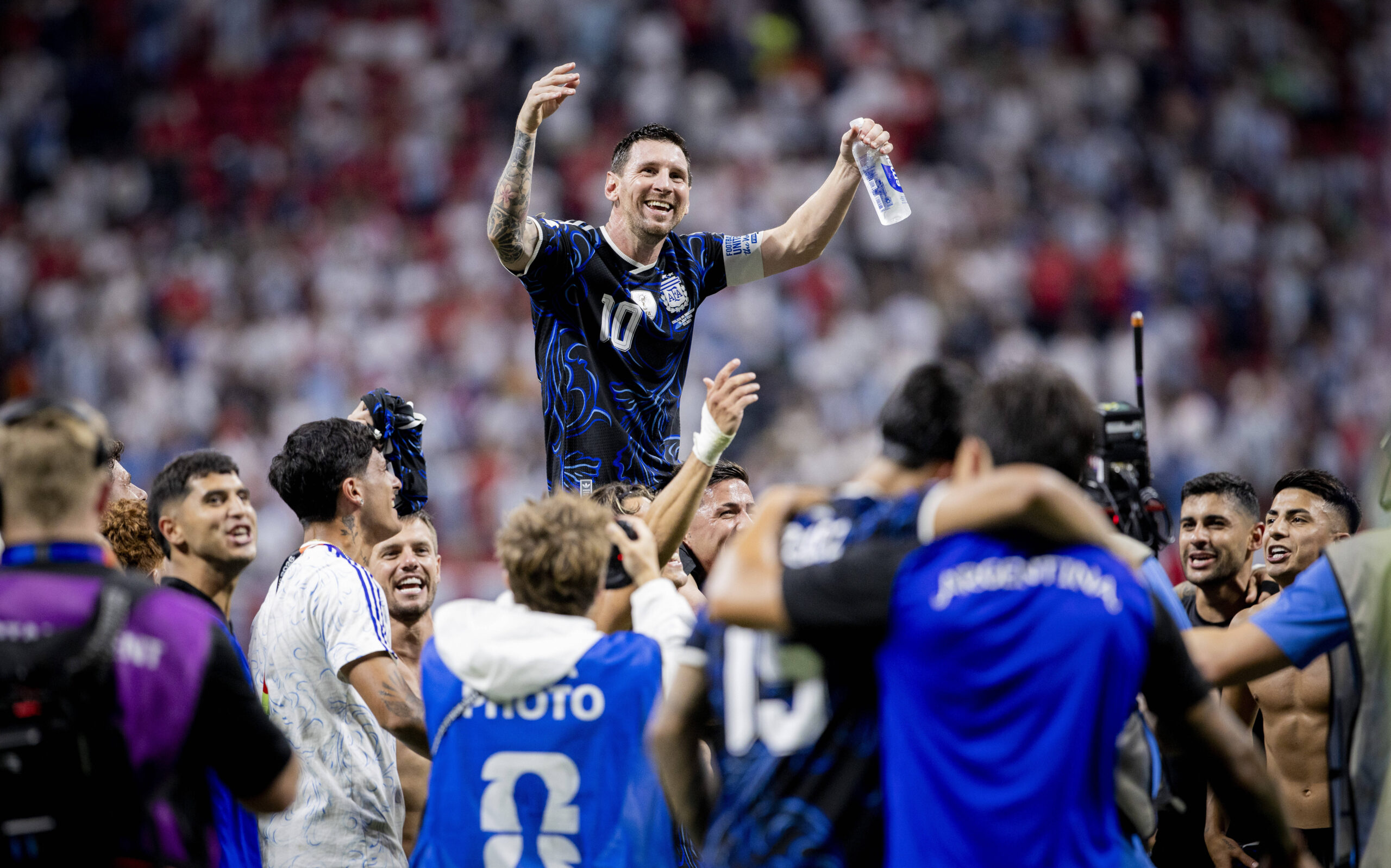
Argentina’s latest late comeback was no fairytale twist, but the ruthless result of England retreating, Thomas Tuchel miscalculating, and Lionel Messi seizing complete control.
Argentina once again showed why they are so hard to knock out of a major tournament, recovering from England’s one-goal lead deep into injury time to win 2-1 and book their place in the World Cup final. It was a semi-final shaped by tension, tactical caution, and a late Argentine surge, with Lionel Messi central to both decisive goals.
The first half was more war than football, and that was no accident given the history between these two nations. Neither side found much flow; there was barely a shot on target in the opening 30 minutes, and the combined first-half expected goals stood at a tiny 0.08, the lowest such figure in a World Cup knockout match on record since 1966.
Argentina and England were locked in a bruising contest of fouls, duels and second balls, with both teams refusing to take many risks. That pattern suited England more than Argentina for long stretches.
Thomas Tuchel’s men were comfortable in the messiness of the game, and the pace of the contest made it difficult for Argentina to stitch together their usual passing patterns. Yet even before the break, the defending champions were beginning to hint that their patience would matter more than England’s control.
England strike first
England finally found a moment of quality in the 55th minute, and it was a good one. The move started deep, Morgan Rogers supplied an inch-perfect cross, and Anthony Gordon finished from close range at the end of a scintillating run to give the Three Lions the lead.
At that point, England looked well placed to manage the game from a position of strength, especially with their back line and midfield crowding central areas. Instead, the goal seemed to drain their ambition. The Three Lions dropped deeper, became more reactive and allowed Argentina to set the terms of the final half-hour.
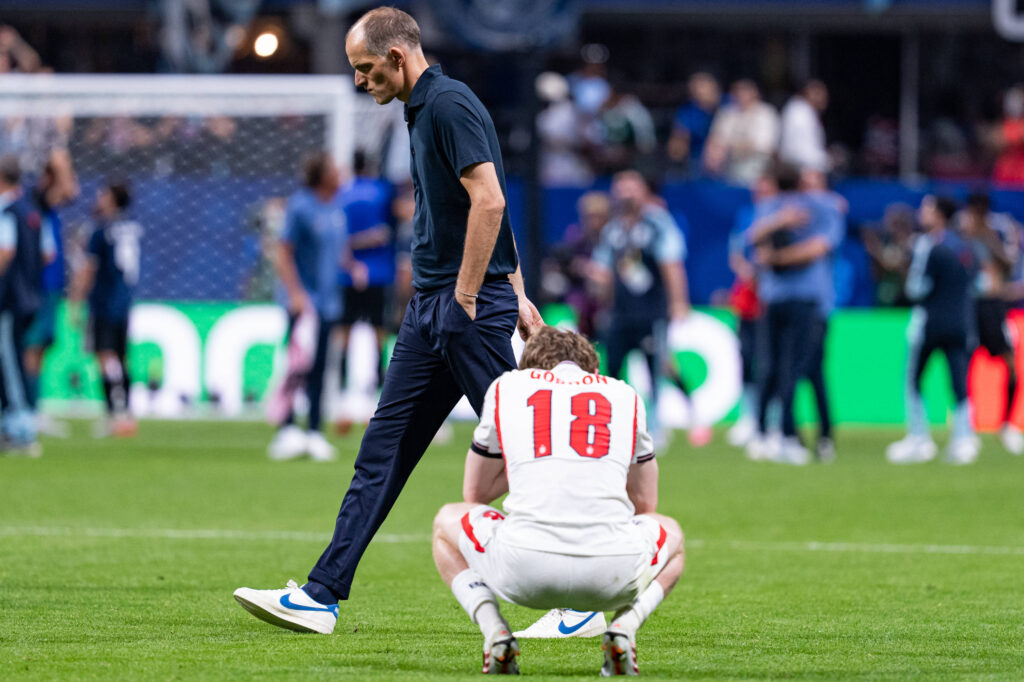
Tuchel’s substitutions, which were intended to add control, had the opposite effect because they invited pressure rather than easing it. In a semi-final of this scale, retreating by instinct is often the most dangerous decision of all.
Argentina turn the screw
Argentina responded like a side that knew exactly what they were doing. They increased the tempo, flooded the final third and began forcing England into repeated emergency defending. Jordan Pickford made important saves, defenders blocked shots, and England twice survived with the help of the post, but the pressure kept building.
La Albiceleste were no longer searching for inspiration; they were simply manufacturing chances until the breakthrough arrived. That is where the numbers tell the story. From Gordon’s opener to Lautaro Martinez’s winner, Argentina had 88% possession, which reflects not just dominance but complete territorial control.
Their attack was varied too, with crosses, long-range efforts, headers, and rebounds all becoming part of the same sustained siege. England could survive individual moments, but not the volume of them.
Messi changes everything
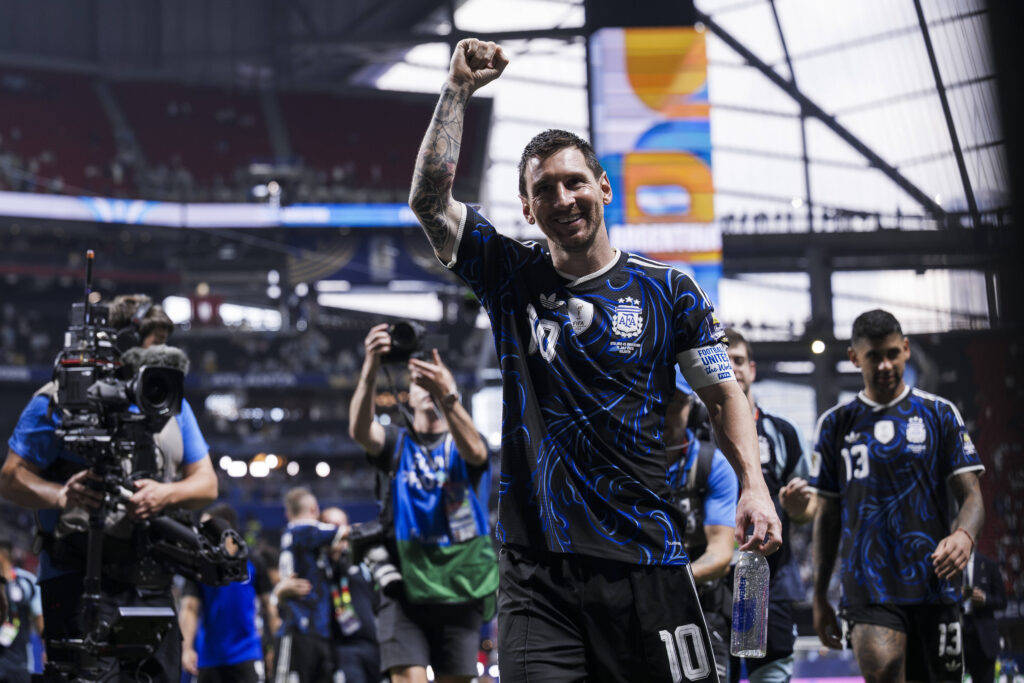
When the equaliser arrived in the 85th minute, it felt inevitable in hindsight. Enzo Fernandez finished from distance after Messi had created the opening, and that was the moment England’s resistance finally cracked.
Messi had been quiet for much of the game, but as so often happens, he found the right pass when the match was at its most fragile. The winner arrived in injury time, and Messi was the creator yet again. His cross found Lautaro Martinez, who rose the highest between two English defenders to complete the comeback and send Argentina into the final.
It was classic Messi in tournament football; patient, slightly restrained for long periods, then decisive when the game demanded genius. His influence on Argentina’s late surge was total, and his habit of arriving precisely when the opposition least wants him to remains one of football’s great constants.
Tuchel’s gamble backfires
For England, this was a defeat defined by a failure to keep playing. Once they led, they seemed content to protect that advantage rather than extend it, which invited Argentina to attack without fear. Tuchel’s changes added more defenders, but not enough momentum or runners, and the result was a team that had possession of its lead without any real grip on the match.
There will be regret, because England had opportunities to turn the semi-final into something more manageable. Yet the broader lesson is sharper. Against champion teams like Argentina, survival football is rarely enough. If you hand them territory, time and belief, they usually find a way to punish you.
What it means
This was not just another Argentina comeback; it was proof that they can also dismantle top sides when required. They do not rely only on romance or resilience. They can be direct, relentless and ruthless once the match opens up, and that makes them an even more difficult final opponent.
England, meanwhile, will feel this as another painful near miss in a knockout game they had under control for too long. Argentina move on with momentum, identity and belief intact, and once again their route to the final has been built on the same familiar truth. They never seem to be beaten until the final whistle.