Chelsea’s faith in Xabi Alonso is being tested by a familiar pattern of defensive collapse and mounting pressure.
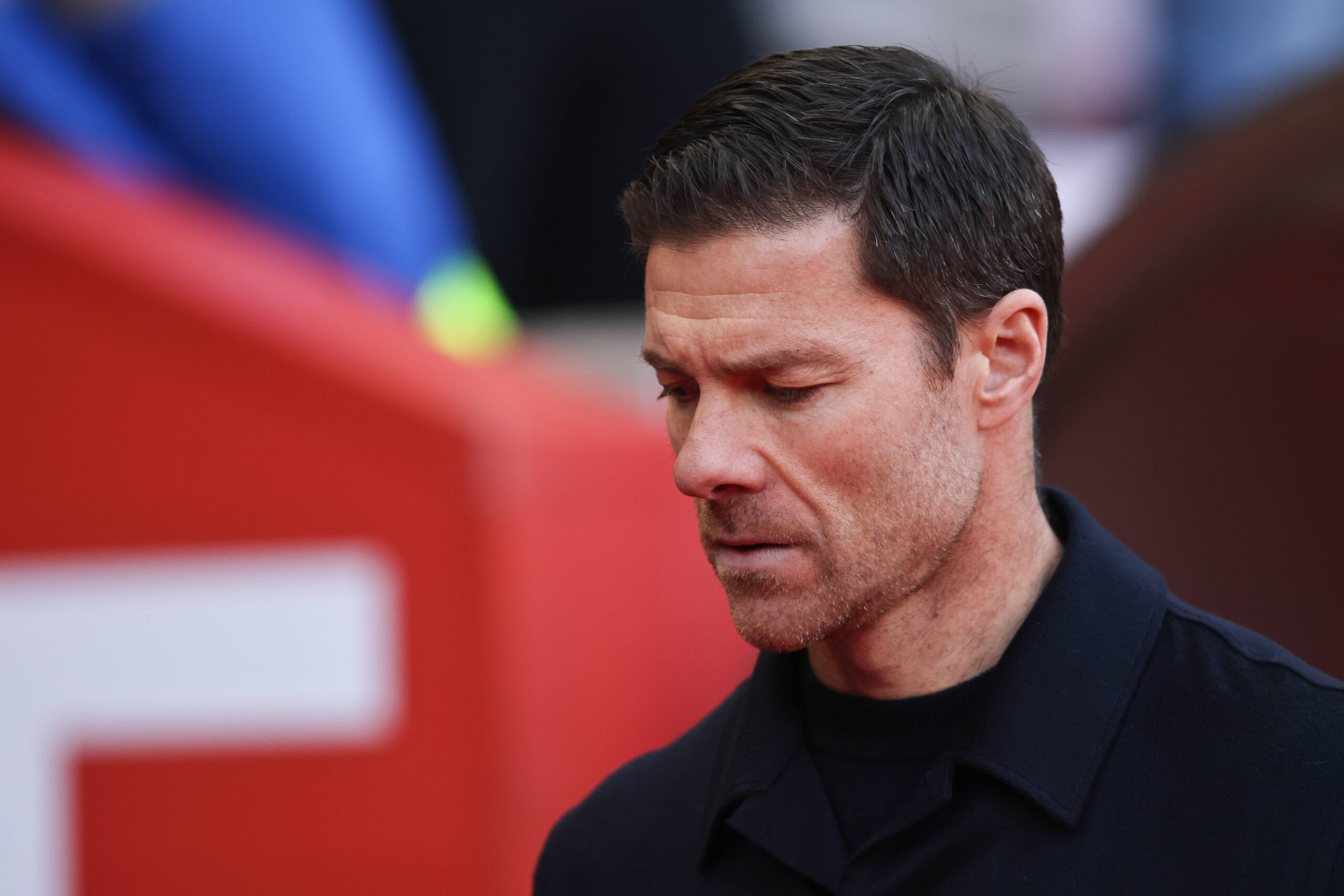
Chelsea’s decision to stand by Xabi Alonso after the 3-2 defeat at Nottingham Forest is a statement of intent. The club’s hierarchy could have reacted to three straight Premier League losses, a slide to eighth and mounting supporter frustration by making another change. Instead, it has chosen patience, insisting that Alonso remains the right person to lead a long-term project.
Yet patience is not the same as blind faith. Chelsea’s board is unhappy with what it has seen, and reports suggest it wants a serious conversation with Alonso about the team’s data, particularly the inability to control matches.
The question, then, is not simply whether Alonso should be sacked. It is whether a manager hired to bring order to a restless club can turn a chaotic start into a coherent footballing identity before the damage becomes irreversible.
A familiar Chelsea story
Chelsea began the season with genuine optimism. Alonso arrived with a reputation built at Bayer Leverkusen, Morgan Rogers was signed to add quality, and the absence of European football was meant to give the new manager time to work. The early results even encouraged that belief; a 3-2 win at Fulham and a 4-3 victory over Brighton suggested a team capable of entertainment and attacking ambition.
But those high-scoring wins now look less like evidence of progress and more like warning signs. Chelsea’s Premier League matches have produced 45 goals in only 12 games, with 22 scored and 23 conceded. No other side has been involved in more goals, and it is the first time since 1960/61 that the Blues have both scored and conceded 20-plus goals so early in a campaign.
That is not a balanced team. It is a team living on a knife’s edge, capable of scoring but equally capable of handing opponents a route back into matches. The 4-1 home defeat to Leeds United was the clearest example. Chelsea took the lead, lost it within three minutes and were overwhelmed by the Whites’ aggression. It was the fourth time Chelsea had lost a home league match by three or more goals while conceding four or more.
The numbers behind the worry
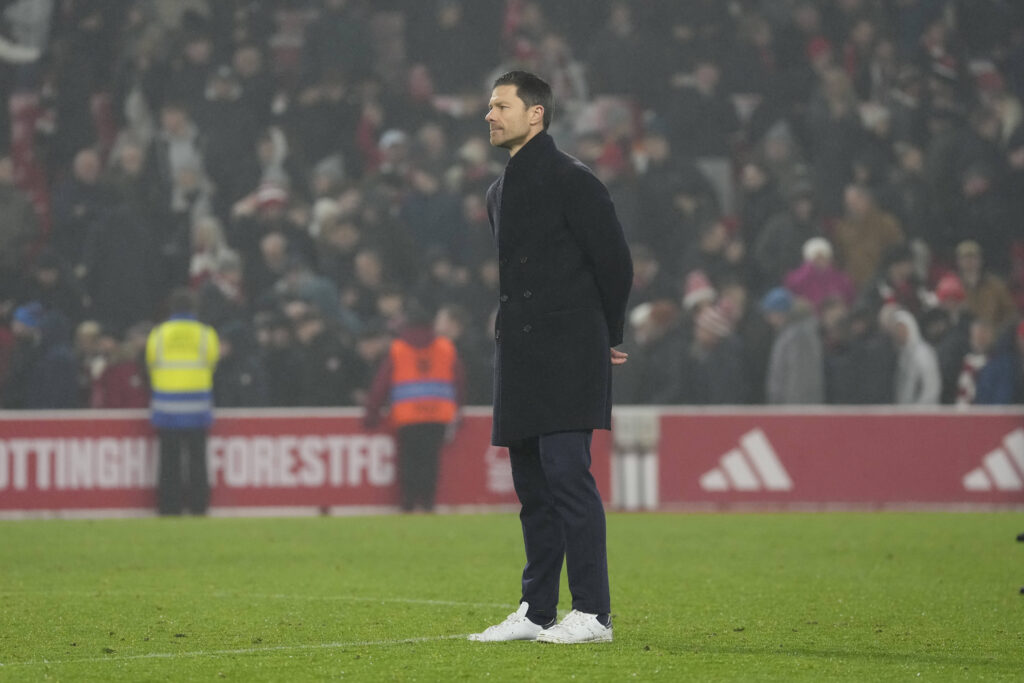
Alonso’s record makes uncomfortable reading. He has taken charge of 15 matches in all competitions, winning seven, drawing one and losing seven. In the Premier League, he has suffered six defeats in 12 matches, exactly the number Liam Rosenior needed 13 games to accumulate.
The comparison does not prove Alonso will follow Rosenior’s pathway. But it does explain why supporters are nervous. The Blues have won only one of their past six matches in all competitions, and their defeats have not merely been narrow setbacks; they have exposed recurring weaknesses.
The defensive numbers are particularly damaging. Chelsea have conceded 23 league goals, made 16 errors leading to shots and four errors leading directly to goals. They have also dropped eight points from winning positions. Those are not small details; they are the difference between a promising start and a crisis.
Why possession matters
The board’s reported concern about possession is understandable. Chelsea average 51.8 per cent possession in the Premier League, but the number hides a deeper problem: too often, they have been second best in midfield and unable to impose themselves for long periods.
Tottenham Hotspur had 69 per cent of the ball during their 2-0 win at Stamford Bridge. Chelsea also managed only 26 per cent possession in their 4-3 win over Brighton. They escaped with three points that day, but a team that cannot retain the ball will always be vulnerable when the opposition has quality, energy or a clear plan.
Possession does not win matches on its own. But control usually reflects a team’s ability to defend as a unit, press intelligently and keep the game in the areas it wants. The London club’s current football often feels scattered, as promising attacking moments are followed by defensive confusion, while individual errors turn pressure into goals.
Injuries and transition

Alonso has not been helped by circumstances. Enzo Fernandez left for Manchester City late in the summer, while Marc Cucurella joined Real Madrid. Moises Caicedo has started only seven of Chelsea’s 12 league matches and was injured again against Forest. Joao Pedro, meanwhile, has been sidelined by a thigh injury after an outstanding start to the season.
His absence has been especially costly. Pedro had five goals and three assists in his first five league games, and Chelsea average 1.8 goals per game when he plays, compared with 0.6 when he does not. Emmanuel Emegha has scored thrice in the last two games, but he is not yet a like-for-like replacement for a player who has been central to Chelsea’s attacking structure.
The squad is also still very young. Chelsea have the youngest average starting XI in the Premier League, at 25 years and 110 days, despite adding experienced figures such as Jordan Henderson and Danny Welbeck. Only Cole Palmer and Rogers have started every league match, while 26 different players have been used. That level of change makes consistency difficult.
The board’s gamble
Chelsea’s hierarchy deserves some credit for refusing to repeat its usual pattern. The club changed managers repeatedly during the 2025/26 season, parting with Enzo Maresca and Rosenior before appointing Alonso. Another immediate dismissal would only reinforce the impression that Stamford Bridge is a place where plans collapse before they can take shape.
Alonso was appointed as manager rather than head coach, giving him greater authority over the footballing structure. Chelsea also spent £117 million on Morgan Rogers, while accepting the departures of Fernandez and Cucurella. Those decisions suggest the board wanted the Spaniard to reshape the squad rather than simply manage what he inherited.
There are early signs that Chelsea are adjusting their recruitment approach, becoming more open to experienced players rather than relying almost entirely on young talent. That is sensible. A young squad needs guidance, and Alonso’s experience should, in theory, help provide it.
Time is running short
Still, Chelsea cannot treat every poor result as part of a necessary rebuild. The Blues have spent heavily, hired a high-profile manager and promised a new direction. Supporters are entitled to expect improvement, especially with no European football to complicate the schedule.
The fixture list offers no mercy. After facing Crystal Palace at home, Chelsea meet Liverpool and Manchester City in successive matches. Those games could either restore belief in Alonso’s project or turn concern into a full-blown crisis.
Alonso himself has acknowledged the problem. He has said Chelsea need better balance, must defend much better and must find solutions together. Those are honest words, but words will not be enough if the same patterns continue.
The experiment is not over. Chelsea’s board has decided that Alonso deserves time, and there are reasons to believe the squad, injuries and transition have made his task harder than it first appeared. But football rarely offers unlimited patience.
If the Blues continue to lose control of matches, concede cheaply and drift through games, the question will no longer be whether Alonso’s project has time to grow. It will be whether Chelsea can afford to wait.