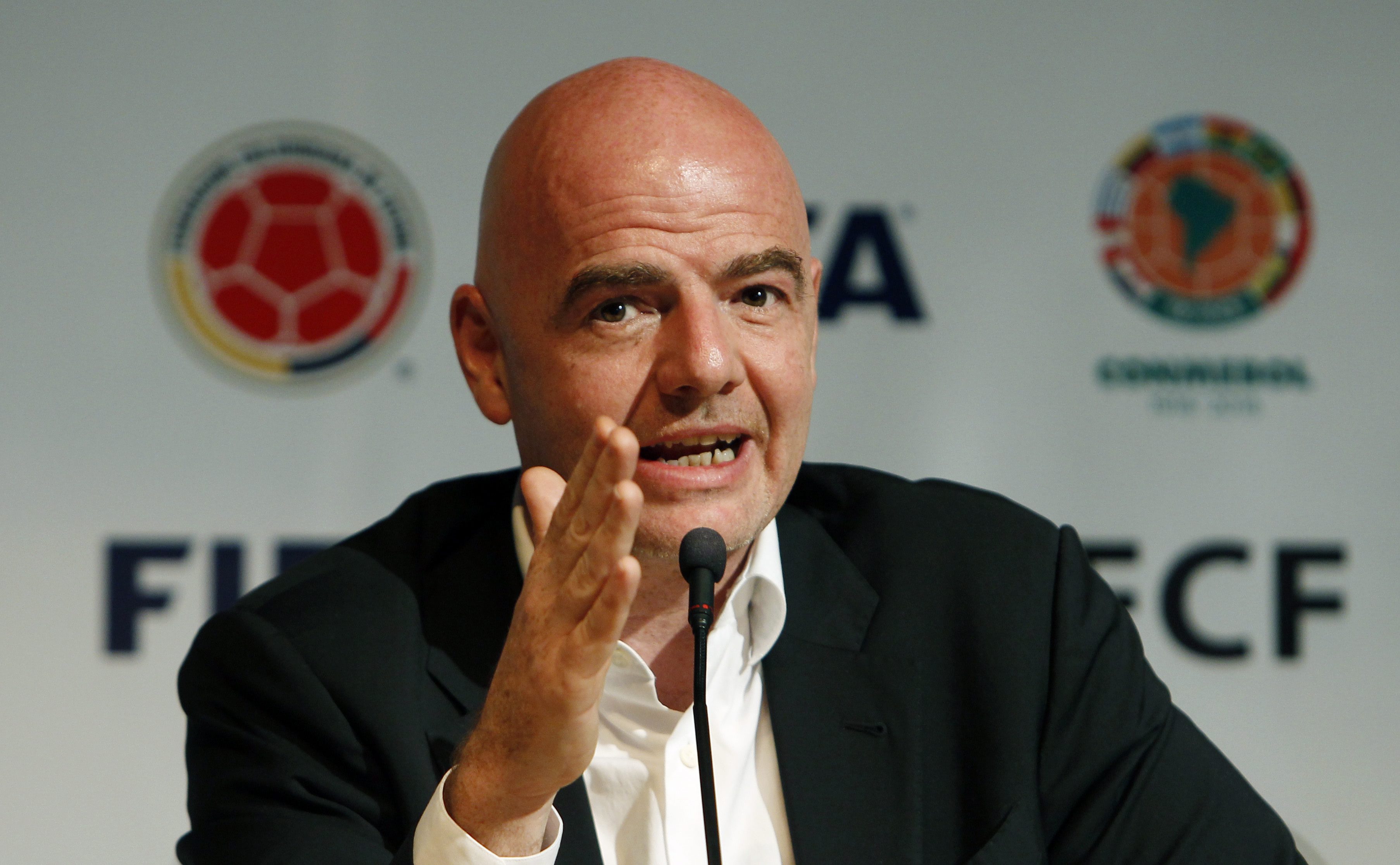
For nearly a decade, Gianni Infantino has occupied the most influential office in world football.
When Gianni Infantino succeeded Sepp Blatter as FIFA president in 2016, he promised to usher in a new era of transparency, accountability and reform after the corruption scandals that had shaken the governing body.
Instead, as Infantino prepares to seek another term, a growing number of football administrators, politicians, human rights groups and supporters believe FIFA has once again become synonymous with centralised power, controversial decision-making and opaque governance. While Infantino retains significant backing from many member associations, particularly outside Europe, opposition is becoming increasingly vocal, with UEFA federations exploring potential challengers ahead of the next FIFA presidential election.
The debate surrounding Infantino is no longer about one isolated controversy. Rather, it is about whether a series of contentious decisions over nearly ten years has fundamentally altered FIFA’s priorities.
A presidency built on promises of reform
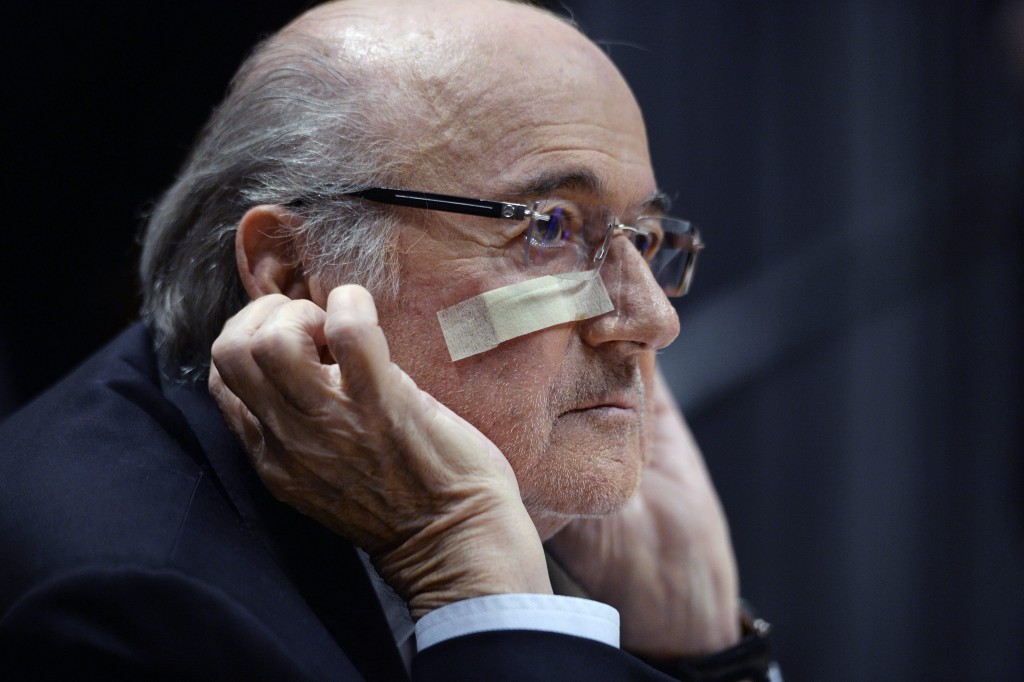
Infantino inherited an organisation desperate to restore its credibility following Blatter’s downfall. He pledged to modernise FIFA, improve governance and rebuild public trust. Supporters argue he has delivered financially. FIFA has generated record revenues, expanded development funding and increased the number of participating nations in major tournaments.
Critics, however, argue that financial success has come alongside an unprecedented concentration of power in the president’s office. Several governance experts and football officials have questioned whether FIFA has become less transparent despite its reform agenda, citing concerns about decision-making processes and internal accountability.
Qatar 2022: The defining controversy
Nothing has shaped public opinion of Infantino more than the 2022 FIFA World Cup in Qatar. Long before the tournament began, Qatar faced intense criticism over migrant worker deaths, labour conditions, LGBTQ+ rights and freedom of expression. Human rights organisations repeatedly urged FIFA to use its influence to secure stronger protections.
Instead, Infantino became one of Qatar’s strongest public defenders. His extraordinary pre-tournament press conference remains one of the most controversial moments of his presidency. Declaring, “Today I feel Qatari. Today I feel Arab. Today I feel African. Today I feel gay. Today I feel disabled. Today I feel a migrant worker,” Infantino accused Western countries of hypocrisy and argued Europe should apologise for centuries of colonialism before criticising Qatar.
The speech dominated headlines worldwide. Human rights organisations accused him of minimising legitimate concerns, while commentators described the remarks as inflammatory, tone-deaf and an attempt to deflect attention from FIFA’s own responsibilities. Many observers believed the moment damaged FIFA’s credibility more than it protected it.
The Saudi Arabia question
If Qatar defined the previous World Cup cycle, Saudi Arabia has become the defining issue of the next. The decision to award the 2034 World Cup to Saudi Arabia has generated another wave of criticism.
Human rights organisations, trade unions and governance experts questioned both the country’s rights record and the speed of FIFA’s bidding process. Critics argued that FIFA effectively cleared the path for Saudi Arabia by limiting eligible bidders, creating what many viewed as a largely uncontested process.
Norwegian football officials described the process as lacking transparency, while legal experts later argued FIFA had failed to adequately consider its own human rights commitments before awarding the tournament. Infantino’s close relationship with Saudi leaders has further fueled accusations that political considerations have increasingly influenced football governance.
Football or politics?
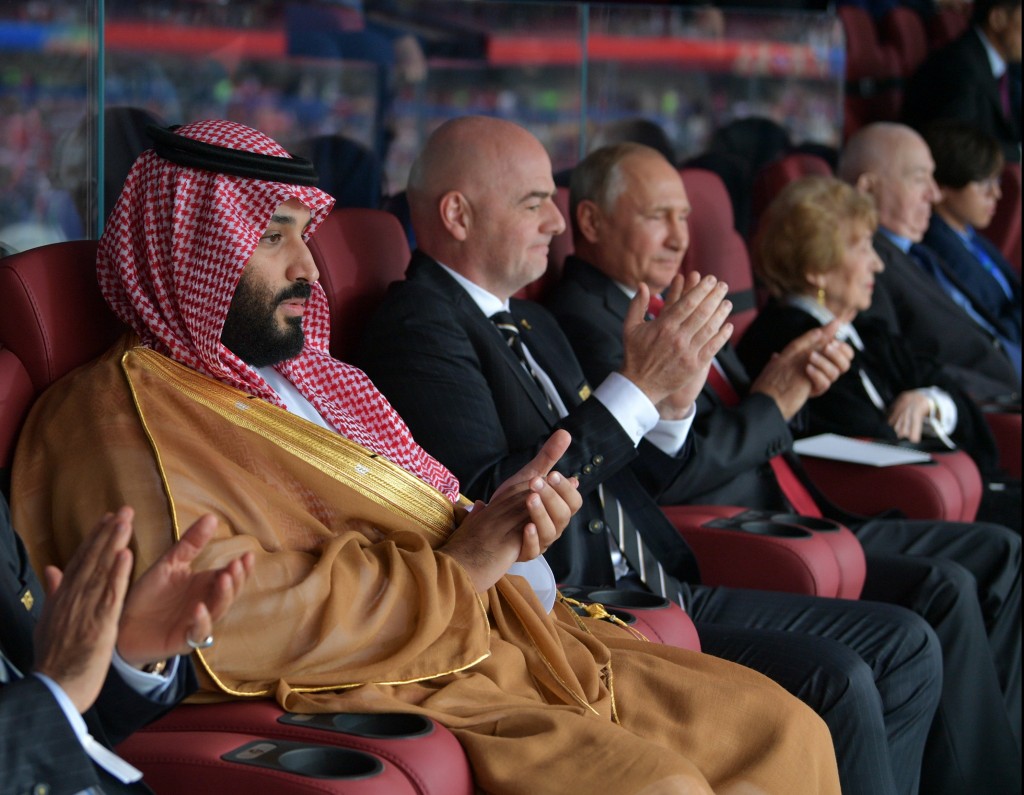
One recurring criticism throughout Infantino’s presidency has been his relationship with political leaders. From appearing alongside heads of state to strengthening ties with governments that host FIFA tournaments, critics argue that he has blurred the line between football administration and political diplomacy.
Those concerns intensified in 2025 when UEFA delegates staged a dramatic walkout at the FIFA Congress after Infantino arrived hours late, having attended meetings with US President Donald Trump during a Middle East trip. UEFA officials accused him of prioritising political engagements over FIFA’s own Congress, an extraordinary public rebuke from European football’s leadership.
The tensions have only escalated in 2026 following allegations surrounding the handling of US forward Folarin Balogun’s suspension during the World Cup. Although Infantino has denied interfering and insisted FIFA’s judicial bodies operate independently, European lawmakers and rights groups have called for investigations, arguing the episode raises serious questions about political neutrality. Importantly, these allegations remain disputed, and no finding has established wrongdoing by Infantino.
Bigger tournaments, bigger profits, but at what cost?
Infantino has overseen an unprecedented expansion of FIFA competitions. The men’s World Cup has grown from 32 to 48 teams, while the Club World Cup has expanded dramatically. More recently, discussion around a possible 64-team World Cup generated widespread criticism from players, leagues, and football administrators who fear the sport is reaching a breaking point.
Domestic leagues, player unions, and clubs have repeatedly warned about fixture congestion, player welfare and an increasingly crowded calendar. Supporters see expansion as a way to globalise football and increase opportunities for emerging nations.
Critics view it differently. They argue FIFA has prioritised commercial growth over sporting integrity and player health, using expansion to generate greater broadcasting and sponsorship revenues while placing additional burdens on players.
Questions over governance
Infantino has also faced scrutiny over governance throughout his presidency. Early ethics investigations examined issues including travel expenses, hiring practices and contractual matters. Although FIFA’s investigatory chamber ultimately cleared him of ethics violations, questions about spending, transparency and governance continued to attract criticism.
In 2020, Swiss authorities opened criminal proceedings connected to undisclosed meetings between Infantino and Switzerland’s attorney general during investigations into FIFA corruption. Infantino denied any wrongdoing and maintained the meetings were lawful.
The proceedings were eventually closed without criminal charges against him, but the episode added to ongoing concerns about accountability at FIFA. For critics, the issue has never been one investigation. It is the accumulation of controversies that has eroded confidence.
The image problem
Beyond governance, Infantino has increasingly become the face of FIFA itself. His frequent public appearances, highly visible presence at tournaments and close association with FIFA’s biggest decisions have made him one of football’s most recognisable administrators. That visibility has not always worked in his favour.
Reports that host broadcasters are encouraged to include regular “dignitary shots” featuring senior FIFA officials have drawn ridicule from some supporters, who argue football broadcasts should focus on the action rather than executives. While FIFA says such shots feature various VIPs and are not designed specifically around Infantino, his repeated appearances have become symbolic for critics who believe his leadership has become overly personalised.
A divided football world
Despite mounting criticism, it would be misleading to suggest Infantino lacks support. Many national associations in Africa, Asia, Concacaf and Oceania continue to back his leadership, citing increased FIFA funding, expanded World Cup access and greater investment in developing football nations. That support explains why removing him politically remains an enormous challenge.
Nevertheless, resistance is growing. UEFA’s search for potential presidential candidates reflects wider frustration among sections of European football, even if no consensus challenger has yet emerged. Figures, including UEFA president Aleksander Ceferin, have been linked in speculation, while other prominent administrators have also been mentioned as possible alternatives.
Is it time for new leadership?
Whether Gianni Infantino should remain FIFA president ultimately depends on how football’s stakeholders weigh his achievements against the controversies that have defined his tenure. His supporters can point to record revenues, expanded competitions, greater investment in developing nations and an ambitious vision for making football more global.
His critics see something very different: a FIFA that has become increasingly centralised, more closely aligned with political power, less transparent in its governance and repeatedly embroiled in avoidable controversies. They argue that from Qatar to Saudi Arabia, from governance questions to disputes over political neutrality, too many decisions have damaged trust in football’s governing body.
Those criticisms do not amount to proof of misconduct, nor have many of the allegations resulted in formal findings against him. But taken together, they explain why calls for change are louder today than at any point since Infantino first promised to clean up FIFA in 2016.
As the next presidential election approaches, the question facing world football is no longer simply whether Gianni Infantino can win another term. It is whether FIFA’s member associations believe the organisation needs continuity, or whether, after nearly a decade of almost constant controversy, the world’s biggest sport would benefit from a new face at the top.